Free shipping from 300,-
Guaranteed 15 days not satisfied, money-back guarantee
Ordered before 12 AM, Shipped today
25951 reviews

Remarkt News

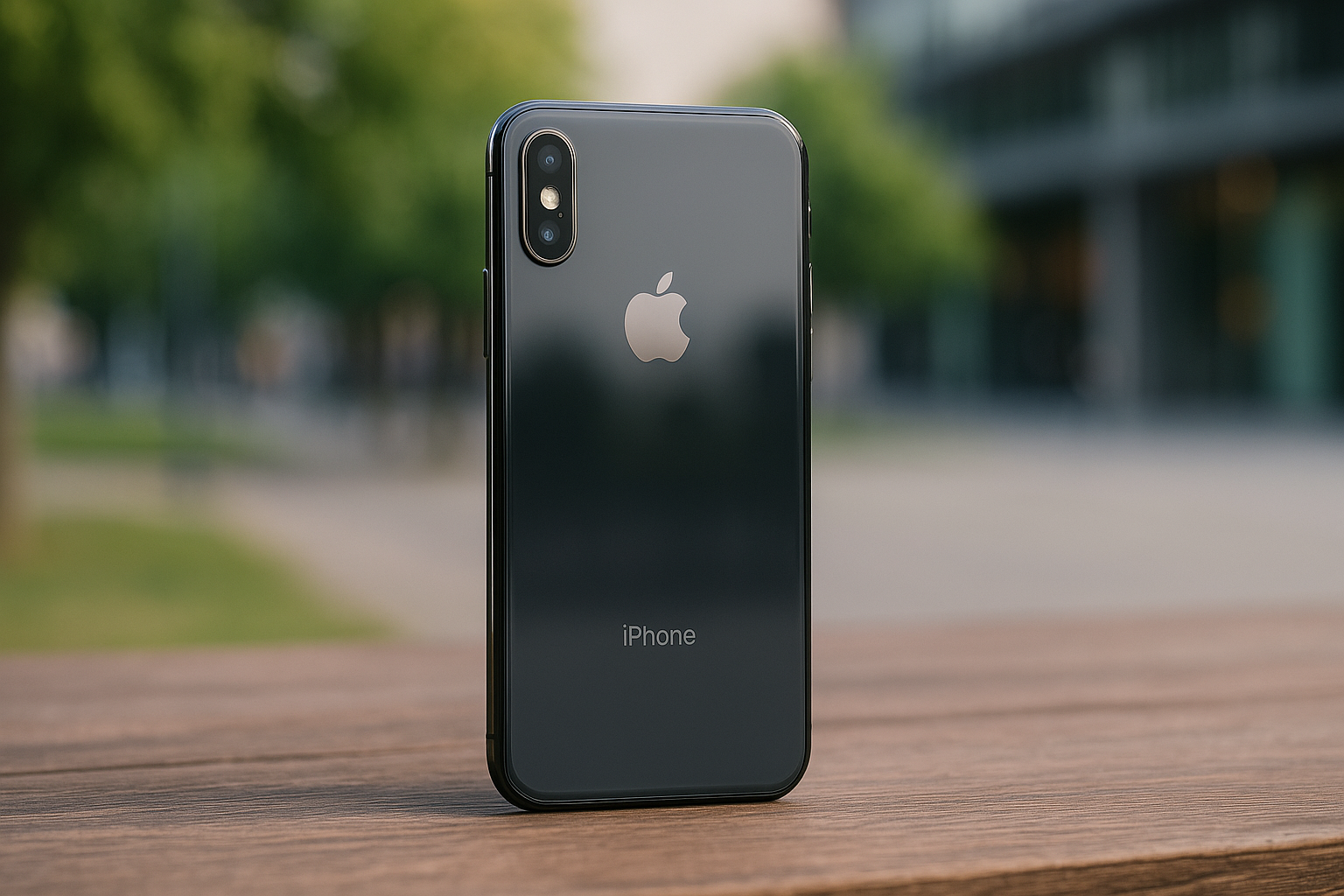
The iPhone X - Innovation and details.

Why Choose the iPhone 8 Plus? Discover All the Advantages

Introduction: Why is the iPhone 8 Plus Still Relevant?

The iPhone 8 Plus combines powerful performance with an elegant design and an excellent camera. Thanks to its 5.5-inch Retina HD display and the A11 Bionic chip, this device is ideal for daily use. Read more about the iPhone.

The iPhone 8 Plus, launched in 2017, remains an interesting choice for consumers, even years after its introduction. Although the technological world is constantly evolving, this device still offers performance and functionality that make the investment worthwhile. Its timeless design, reliable hardware, and accessible price contribute to its lasting relevance.

Robust Performance and iOS Support

The A11 Bionic chipset, integrated into the iPhone 8 Plus, delivers solid performance for daily tasks and more advanced features such as gaming or video editing. Combined with the streamlined optimization of iOS, the device remains smooth. In addition, Apple still supports this model with regular software updates, giving users access to the latest security patches and features.

Wireless Charging and Durable Design

The iPhone 8 Plus introduced wireless charging within the Apple family, a feature that is still considered a standard today. The glass design on the back supports this technology and simultaneously gives a premium look. In addition, the aluminum housing, combined with water and dust resistance (IP67), offers extra durability, making it attractive to users looking for a robust device.

Dual-camera System

With a 12 MP dual-camera, the iPhone 8 Plus has excellent photography capabilities, including portrait mode and optical zoom. The quality of the photos remains competitive compared to some newer smartphones. For those who value clear and vivid images, this remains a reliable choice.

Affordable Option

The price tag of the iPhone 8 Plus has dropped significantly, making it an affordable option for people who want access to the Apple ecosystem without a high investment. This makes it a smart choice for budget-conscious consumers or as a second device.

The combination of these features underlines why the iPhone 8 Plus still has a place in the modern smartphone world.

Elegant Design and User Experience

The iPhone 8 Plus is known for its refined and thoughtful design that is both aesthetic and functional. Thanks to the combination of glass and aluminum, the device exudes a modern and luxurious feel, while remaining durable. The use of aero-grade aluminum not only provides strength but also a lightweight construction that feels comfortable in the hand. This makes the device attractive to users who value both style and reliability.

The 5.5-inch Retina HD display enhances this elegance by delivering a rich visual experience. With True Tone technology, the screen automatically adjusts to the ambient light, making colors appear more natural and brighter, regardless of the environment. This is particularly useful for prolonged use, as it reduces eye strain. Thanks to the wide color gamut and high contrast ratio, the screen offers impressive visual sharpness, perfect for viewing photos, videos, and other multimedia content.

The design is also perfectly tailored to an intuitive user experience. With the Home button, including Touch ID technology, users can quickly and securely unlock the device. The glass back supports wireless charging, which is a practical and aesthetically seamless addition. Users no longer have to use cables, which contributes to a clean and organized approach to charging.

The combination of refined materials, technological innovations, and attention to detail highlights why the iPhone 8 Plus is an excellent choice for people who value both elegance and ease of use in their daily devices.

The Retina Display: Brightness and Color Accuracy

The Retina Display of the iPhone 8 Plus offers an impressive viewing experience and is carefully designed to deliver unparalleled brightness and color accuracy. This screen features a 5.5-inch display that provides a resolution of 1920 x 1080 pixels at a pixel density of 401 ppi (pixels per inch). Every detail, no matter how small, is displayed razor-sharp, ideal for both daily use and professional work.

One of the striking features is the support for the wide color gamut (P3). This allows users to enjoy richer, deeper colors that look particularly realistic. This makes the Retina Display ideal for viewing photos, videos, or playing graphically intensive games. In addition, True Tone technology ensures that the white balance is automatically adjusted to the ambient lighting. The result is a more natural viewing experience that is less tiring for the eyes, especially during prolonged use.

The contrast of the Retina Display also plays a crucial role. With a contrast ratio of 1300:1, dark tones and shadows come into their own better, while lighter areas remain bright and vibrant. This significantly increases the overall image quality. At the same time, the screen is equipped with an oleophobic coating to prevent fingerprints and smudges, ensuring that visibility always remains optimal.

For professionals in design, photography, or video production, the Retina Display of the iPhone 8 Plus offers a reliable platform for accurately assessing colors. Thanks to the advanced calibration, colors remain consistent and accurate, regardless of the circumstances.

Dual Cameras: Perfect Photos in an Instant

The iPhone 8 Plus distinguishes itself with its advanced camera system, which consists of a dual 12 MP camera. With this technology, Apple elevates mobile photography to a higher level. The primary wide-angle lens, combined with a telephoto lens, makes it easy to capture sharp and detailed images, regardless of the lighting conditions or distance.

One of the most striking features is Portrait mode. Thanks to the dual cameras, this function can create a beautiful depth of field, artistically blurring the background. This gives each photo a professional look. In addition, there is the Portrait Lighting function, which adds various lighting effects. This allows users to take studio-like photos without additional equipment.

With support for optical zoom and up to 10x digital zoom, the iPhone 8 Plus offers flexibility in capturing subjects that are further away. Videography is also improved by the capabilities of the dual cameras. 4K video recordings at 60 frames per second deliver high-quality images, while optical image stabilization ensures that recordings remain stable, even when moving.

Spontaneous capturing of moments is also made easier by the intuitive camera app. Functions such as automatic HDR ensure that the exposure and details in each photo are optimally captured. Together with the improved pixel sensors and image processing chip, this delivers impressive results.

This combination of advanced sensors and smart software makes the dual cameras of the iPhone 8 Plus an essential feature for anyone who wants to leave nothing to chance when it comes to photography.

Impressive Performance with the A11 Bionic Chip

The iPhone 8 Plus is equipped with the powerful A11 Bionic chip, a technological leap forward that delivers exceptional performance. This chip features a 64-bit architecture and is designed for both speed and energy efficiency. With six cores – two performance cores for intensive tasks and four efficiency cores for less demanding processes – the A11 Bionic can effortlessly switch between daily apps and heavy workloads such as gaming or video editing.

What distinguishes the A11 Bionic is the integration of a dedicated neural engine. This facility enables the iPhone 8 Plus to perform complex calculations, which is essential for applications such as augmented reality (AR) and facial recognition in photos. AR apps therefore feel smooth and natural, offering an intuitive user experience. This chip also supports Core ML, allowing machine learning applications to run directly on the device without being dependent on the cloud.

Another advantage of the A11 Bionic is the impressive efficiency in energy management. Despite its powerful performance, the chip optimizes power consumption, resulting in longer battery life. This means that users can perform intensive tasks without worrying about premature battery depletion.

In addition, the integrated three-core GPU provides stunning graphics capabilities. This elevates mobile gaming to a higher level and makes editing 4K videos smooth and responsive. These levels of performance and versatility make the iPhone 8 Plus very suitable for both everyday use and professional work.

Longer Battery Life: Efficiency and Reliability

The iPhone 8 Plus offers remarkable battery life that helps users stay connected, even with intensive use. Thanks to advanced hardware and software, the battery works more efficiently and consumes less energy, even during heavy tasks such as streaming videos or playing graphically intensive games. This balance between power and efficiency makes the iPhone 8 Plus a reliable choice for both personal and business purposes.

The device is equipped with a battery that, in combination with the A11 Bionic chip, is better optimized for long-term use. The chip distributes the energy requirements extremely carefully, resulting in longer operation per charge. Users can therefore easily get through a full day without worrying about charging in between, even with multitasking.

Some features that contribute to battery life are:

  • Smart power management features: iOS contains built-in optimizations that minimize background processes and reduce unnecessary power consumption.
  • Efficient charging: In addition to support for wireless charging, fast charging is also possible. This allows 50% battery capacity to be reached in just 30 minutes, which is extremely useful for users with a busy schedule.
  • Long lifespan of battery cycles: The battery is developed with high-quality materials, which ensures reduced wear and tear in the long term.

For lovers of photography, streaming services, or apps that consume a lot of energy, the iPhone 8 Plus offers a solution that fits modern needs. The combination of reliability and consistency in battery performance ensures a stress-free user experience.

iOS Support: Always Updated and Secure

One of the biggest advantages of the iPhone 8 Plus is the reliable support of iOS, the operating system developed exclusively by Apple. This support ensures that users benefit from regular updates, innovative features, and a consistently high level of security, even years after the device's original release date.

Apple is known for its commitment to long-term software updates. While many smartphones from other brands stop receiving new updates after a few years, models like the iPhone 8 Plus often remain supported for a long time. This means that users continue to have access to the latest features and security patches, which not only optimizes performance but also provides essential protection against potential threats.

Benefits of iOS Support

  • Fast Updates: Apple releases updates worldwide simultaneously, so every user, regardless of location, has immediate access to the latest version of iOS.
  • New Features: Practical features are added with each new update, such as improvements in privacy settings and new apps that are fully integrated into the Apple ecosystem.
  • Top-level Security: Regular security updates protect personal data from malware and other hazards. Thanks to end-to-end encryption, iPhones meet the highest security standards.
  • Consistent Performance: Updates are optimized for older devices, ensuring that the iPhone 8 Plus remains smooth without negatively affecting the user experience.

In addition, iOS seamlessly integrates with other Apple products and services, such as iCloud, Apple Watch, and Mac. This synergy between hardware and software creates a unique user experience. Together with the long support, this makes the iPhone 8 Plus a future-proof choice for anyone who values stability, security, and ease of use.

Charging with Wire or Wireless: Choose Yourself

The iPhone 8 Plus offers users flexibility and convenience by supporting two ways of charging: traditionally via a cable or wirelessly. This option makes the device a versatile choice for different user preferences and lifestyles.

For those who prefer the traditional approach, the iPhone 8 Plus offers the option of charging with a Lightning cable. This method remains a reliable and efficient way to quickly power the device. In addition, the Lightning connector works seamlessly with accessories such as power banks and adapters, which is handy for people who want to charge on the go.

Wireless charging is another important technology that the iPhone 8 Plus supports. Thanks to the glass back of the device, it is possible to use Qi-certified wireless chargers. This means that users have the convenience of simply placing their device on a compatible charging station, without having to work with cables that get tangled. This solution is ideal for home, work, or public spaces where wireless charging stations are becoming increasingly available.

The ability to choose between wired and wireless charging gives users more control and adapts to their daily needs. The design of the iPhone 8 Plus is aimed at both functionality and convenience, ensuring that charging is always smooth and simple, regardless of the chosen method.

Price-Quality Ratio: An Affordable Premium Option

The iPhone 8 Plus offers a unique combination of premium specifications and an affordable price, making it an attractive choice for users looking for high-quality functionality without the cost of the latest flagship models. With its balanced balance between performance, durability, and aesthetics, this device remains a competitive option in the current smartphone market.

The build quality of the iPhone 8 Plus is impressive. The housing combines high-quality aluminum with strong glass, which not only guarantees durability but also offers a premium feel. For a device with a lower price than newer iPhone models, users still receive a device that does not fall short in terms of material choice and construction.

In terms of performance, the A11 Bionic chip is still extremely powerful, even compared to newer models. This chip ensures smooth multitasking, strong graphics performance, and excellent battery efficiency. For a device that is not the latest model, this is remarkable and makes the iPhone 8 Plus an excellent investment for long-term use.

In addition, the combination of excellent camera functionalities and support for features such as augmented reality provides an impressive package for multimedia users. The dual camera system offers deep colors, sharpness, and a beautiful bokeh effect, making it a favorite among photography enthusiasts.

For some, reinvesting in a second-hand or refurbished model of the iPhone 8 Plus can be a smart choice. Not only does this lower the entry costs, but it also contributes to sustainability and less electronic waste. This price-quality ratio makes the iPhone 8 Plus particularly suitable for consumers who value performance and style without paying top dollar.

Suitable for Both Professionals and Everyday Users

The iPhone 8 Plus offers an impressive balance between power and ease of use, making the device relevant for both professionals and everyday users. With its robust specifications and intuitive software, it remains a reliable choice for a variety of user needs.

Professionals benefit from a powerful A11 Bionic chip with six cores, which effortlessly supports multitasking and graphically intensive applications. This makes the device ideal for demanding workflows, such as using business apps, photo editing, or video conferencing. In addition, the large 5.5-inch Retina HD screen with True Tone technology offers excellent color reproduction, essential for creative professionals who work with visual content.

For everyday users, the simplicity of iOS is a decisive factor. The intuitive interface makes basic functions and more advanced capabilities accessible, even for users without a technical background. Important features such as FaceTime and iMessage improve communication with friends and family, while the dual-lens camera provides high-quality photos. In addition, iCloud offers seamless storage and synchronization, ensuring that files, photos, and notes remain securely accessible from any Apple device.

Key features for both user groups:

  • Reliable performance thanks to the powerful A11 Bionic chip.
  • User-friendly software thanks to the intuitive operation of iOS.
  • Versatile camera with portrait mode and advanced optical zoom.
  • Long battery life, allowing the phone to last all day.
  • Robust build quality with a glass and aluminum design that is both durable and elegant.

With support for improved augmented reality apps, wireless charging, and water resistance, the iPhone 8 Plus meets modern expectations and ensures that users, regardless of their needs, can optimally benefit from its functionality.

Comparison with Other Models: Where the Difference Lies

When choosing the iPhone 8 Plus, it is essential to understand how this model differs from other iPhones and smartphones on the market. The device is in an interesting position by combining unique features with a timeless design. Here is an overview of some important differences.

Difference with the iPhone 8 and earlier models

  • Dual cameras: Unlike the iPhone 8, the iPhone 8 Plus has a dual 12 MP camera. This enables features such as portrait mode and optical zoom, which are not available on the regular iPhone 8.
  • Screen size: The 5.5-inch Retina HD display of the iPhone 8 Plus offers more screen space than the 4.7-inch display of the iPhone 8, ideal for entertainment and productivity.
  • Battery life: The larger housing not only provides space for a better screen but also for a battery that lasts longer compared to the iPhone 8 and earlier models.

Difference with the iPhone X series

  • Design and home button: Unlike the iPhone X, the iPhone 8 Plus still offers a traditional home button with Touch ID, which some users find more user-friendly.
  • Price: The iPhone 8 Plus is more affordable than the X series, while still delivering robust hardware and performance.
  • Screen technology: The iPhone X uses OLED screens, while the iPhone 8 Plus is equipped with a Retina HD LCD screen. The difference in color reproduction and contrast can affect everyone's preference.

Difference with Android competitors

  • Operating system: The iPhone 8 Plus runs on iOS, which is known for its user-friendly interface and regular security updates, which offers an advantage over some Android phones.
  • Build quality: The aluminum and glass housing of the iPhone 8 Plus provides a premium feel, which distinguishes it from models with plastic housings.
  • Performance consistency: The A11 Bionic chip still performs excellently compared to many Android devices in the same price range.

These aspects make it clear where the iPhone 8 Plus scores and what factors should be considered when purchasing a smartphone.

Conclusion: Is the iPhone 8 Plus Still a Good Choice?

The iPhone 8 Plus remains an impressive choice for consumers looking for a smartphone with reliable performance and a solid design. Although the device was initially launched in 2017, it remains relevant thanks to its premium build quality and powerful hardware. The aluminum and glass design gives it a luxurious look that can compete with the more modern devices.

In terms of performance, the A11 Bionic chip provides a strong foundation for daily use, including multitasking and light gaming. For most everyday applications, such as surfing the web, social media, and streaming, the iPhone 8 Plus performs excellently. In addition, iOS support from Apple provides updates that further improve the security, stability, and optimization of the device.

With the cameras, the dual 12 MP lens with optical zoom and portrait mode delivers high-quality photos. Although the device does not have the more advanced camera systems of newer models, it remains a solid option for photography. The video recording quality, up to 4K at 60 fps, is very suitable for both casual and professional use.

Extra features such as wireless charging, Touch ID, and long battery life make the iPhone 8 Plus particularly attractive to users who value practical functionality without sacrificing too much performance. For those who don't necessarily want to venture into the latest technology, but are looking for a device that is reliable and can last for years, it is an affordable and practical choice.
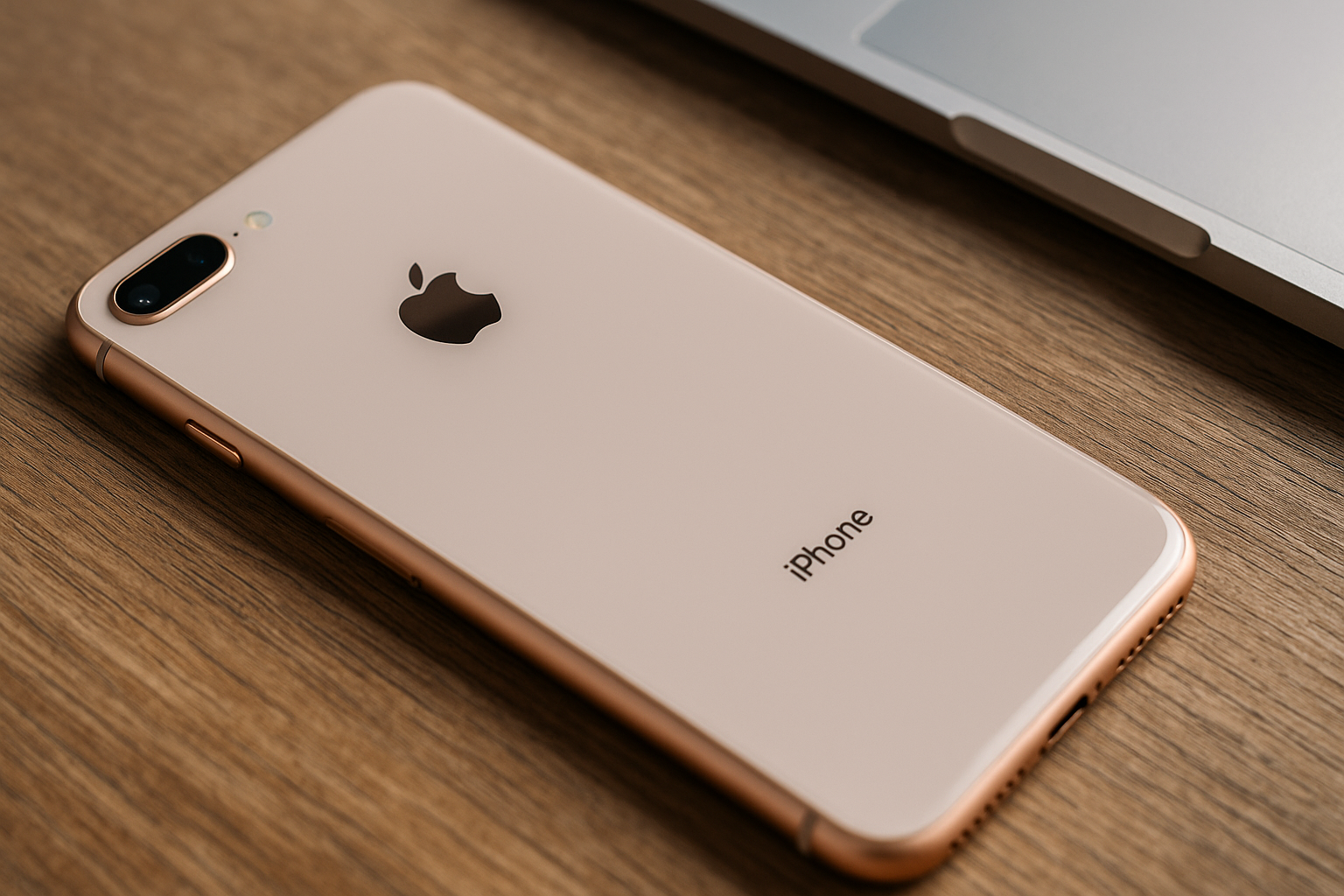
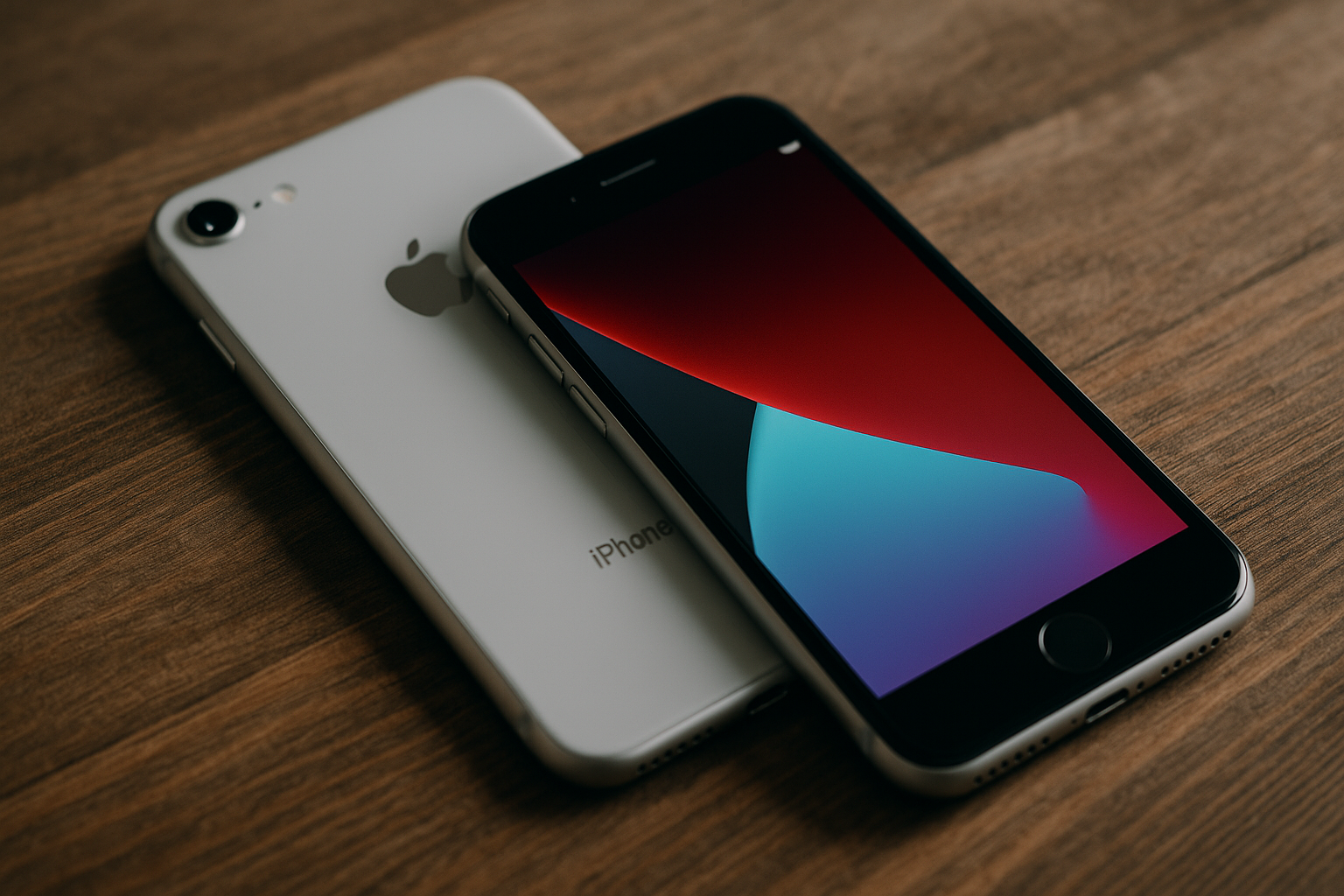
Why choose the iPhone 8 Plus? All information.

The Ultimate Guide to the iPhone 8: All Specifications Revealed

Introduction: Why the iPhone 8 is Still Relevant

The iPhone 8 offers excellent performance with a powerful A11 Bionic chip and a 4.7-inch Retina display. The device is equipped with wireless charging and an improved camera. Discover all the iPhone specifications at this link.

Although the iPhone 8 was launched in 2017, this model still holds a strong position in the smartphone market. This continued relevance can be attributed to several factors, such as the timeless design choices, reliable performance, and continued support from Apple. The device offers an ideal balance between price and quality, making it an attractive option for both new and experienced users.

One of the main reasons why the iPhone 8 is still popular is its classic design with the familiar Home button. For users who do not find the transition to the full-screen operation of newer models pleasant, the iPhone 8 offers a user-friendly interface. This makes the device accessible, especially for people who value simplicity of use. In addition, the compact size of the iPhone 8 fits perfectly in an era where smartphones are becoming increasingly larger.

In terms of performance, the A11 Bionic chip still offers impressive speed and energy efficiency. This chip supports demanding applications and ensures that the device runs smoothly, even with the latest iOS updates. Apple has proven that it values long-term support, allowing iPhone 8 users to benefit from recent software improvements – a rarity for older devices.

In addition, the build quality and cameras of the iPhone 8 are remarkably durable, making it a suitable choice for everyday photography and videography. The water and dust resistant design (IP67) adds an extra layer of reliability. With wireless charging as an early, but practical feature, the iPhone 8 meets modern standards without requiring expensive accessories.

This mix of quality, user-friendliness and affordability ensures that the iPhone 8 makes a lasting impression.

Design and Build Quality: Classic yet Refined

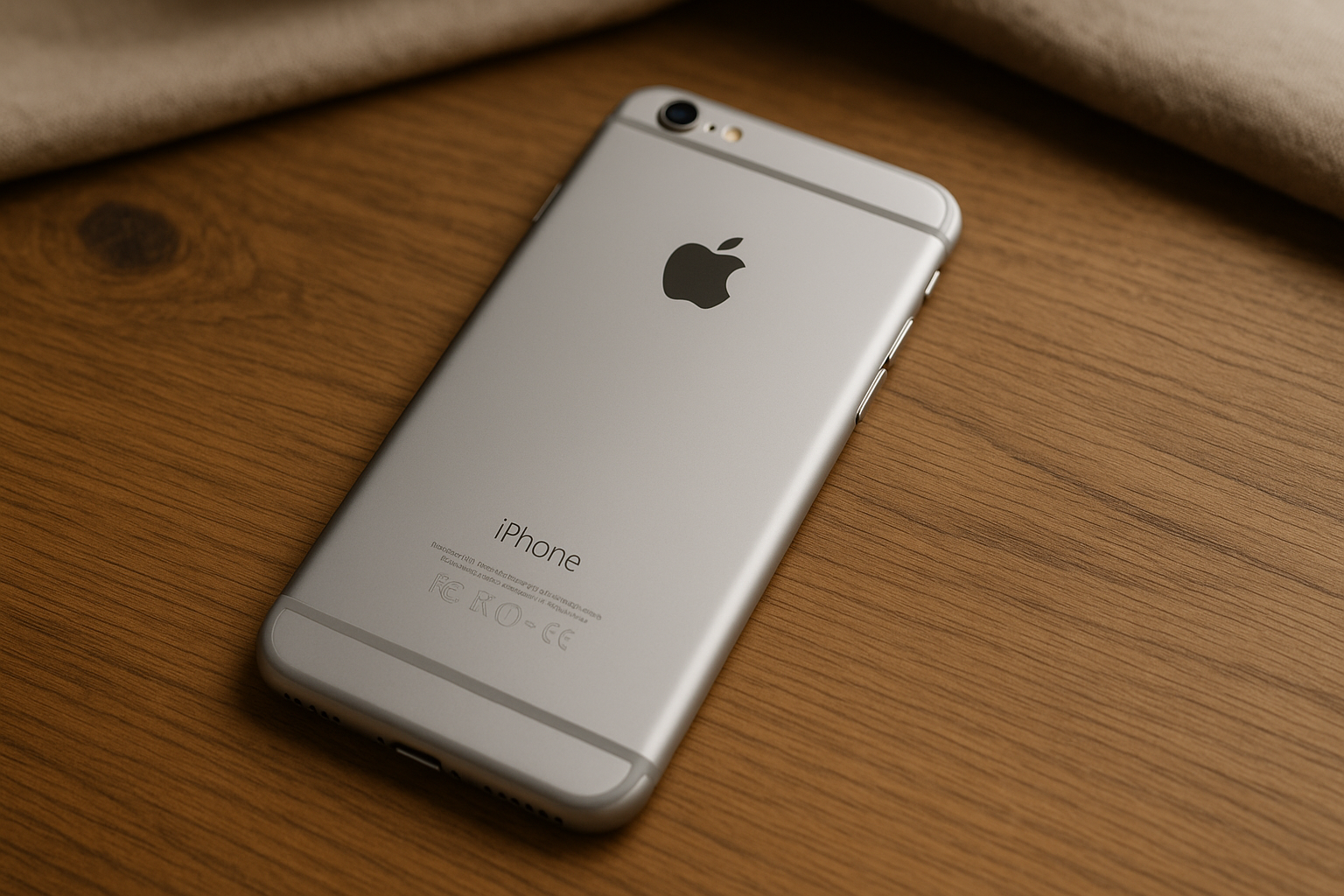
The iPhone 8 immediately leaves a lasting impression with its refined design, which offers a perfect blend of classic and modern. The device retains the recognizable elements that distinguish the iPhone line, such as the rounded corners and symmetrical edges, but at the same time introduces subtle improvements that contribute to a luxurious look.

Top-Quality Materials

Apple has opted for a glass back, a first since the iPhone 4, which is not only aesthetically appealing but also functional. This design enables wireless charging, something that is popular with users looking for convenience. The glass is reinforced with a strong aircraft-grade aluminum frame, making the device both durable and lightweight.

Color Choices

The color options – silver, space gray and gold – are carefully selected to appeal to a wide audience. Each color scheme features a premium finish and meticulous attention to detail, such as color matching between the glass and the metal bezel.

Comfort and Functionality

The device fits comfortably in the hand thanks to its compact size and rounded edges. The buttons and the Touch ID sensor are strategically placed for intuitive use. The absence of sharp corners ensures an ergonomic experience, even with prolonged use.

“This is not just a smartphone; it's a carefully designed statement of technology and style.”

Weather Resistance

The iPhone 8 offers protection against dust and water with an IP67 certification. This means that the device can withstand short-term immersion and daily influences such as raindrops without compromising the design. This makes the iPhone 8 suitable for various scenarios without compromising aesthetics.

With a timeless design and high-quality materials, the iPhone 8 offers an elegant device that seamlessly combines functionality and style.

Display: Retina Display and Color Splendor

The iPhone 8's Retina display is carefully designed to provide an impressive viewing experience. The screen has a resolution of 1334 x 750 pixels at a pixel density of 326 pixels per inch (ppi). This results in sharp images and smooth detailing that makes text and graphic elements remarkably clear. Support for True Tone technology ensures that the color temperature automatically adjusts to the ambient lighting, so images always have a natural look.

In addition, the display comes alive thanks to the wide color spectrum (P3), which means that more nuances and shades are visible. This is particularly noticeable when viewing photos and videos, where colors appear vibrant and realistic. The combination of high contrast and accurate color reproduction makes the Retina display excellent for editing photos or streaming movies.

The screen offers a maximum brightness of 625 nits, making it also easy to read in bright sunlight. Furthermore, the built-in oleophobic coating minimizes fingerprints, so the screen stays clean longer. The iPhone 8 can accurately recognize multi-touch gestures, thanks to improved sensitivity sensors.

With support for HDR10 and Dolby Vision, users can enjoy a high-quality viewing experience with compatible multimedia. This makes the Retina display a perfect balance between technology, user-friendliness and visual brilliance.

Performance: The Power of the A11 Bionic Chip

The iPhone 8 introduces an impressive step forward in performance thanks to the A11 Bionic chip, one of the most powerful processors Apple has developed to date. This six-core CPU, designed with an advanced 64-bit architecture, combines efficiency with unprecedented speed, making both everyday tasks and intensive applications exceptionally smooth.

The A11 Bionic chip contains two high-performance cores that are up to 25% faster than the previous generation. This means that operations such as multi-tasking, file processing and gaming cause less waiting time. In addition, the four energy-efficient cores contain an improvement of up to 70% in efficiency, which means that the battery lasts longer, even with intensive use.

Another important innovation is the Apple-designed tri-core GPU. This graphics processor offers 30% better performance than its predecessor, leading to smoother visual effects, improved augmented reality experiences and more responsive games. For users who enjoy AR apps and high-end graphics applications, the A11 Bionic chip opens up new possibilities for interactive and immersive use.

The chip is equipped with a dedicated neural engine, developed for machine learning tasks. This enables the iPhone 8 to analyze and process data in real-time, which is visible in features such as facial recognition and advanced photo editing. In addition, the A11 Bionic works seamlessly with iOS to make user experiences more intuitive.

Thanks to the power of the A11 Bionic chip, the iPhone 8 sets a new standard for speed, efficiency and innovation that meets even the highest user expectations.

Camera: Photo and Video Quality in Detail

The iPhone 8 is equipped with a 12-megapixel camera, which is optimized for both photography and video recording. This camera uses an improved sensor that provides brighter images and more detail, even in low-light situations. The available f/1.8 aperture makes it possible to let in more light, resulting in sharper and more vibrant photos. In addition, optical image stabilization is an essential component, minimizing movement and allowing users to take sharp images, even when photographing fast-moving objects.

In terms of video quality, the iPhone 8 supports 4K video recording at a speed of up to 60 frames per second. This high resolution is combined with smooth movements and offers professional quality that is suitable for both casual users and content creators. Slow-motion videos are supported in 1080p at 240 frames per second, making every shot exceptionally detailed and impressive. This makes the iPhone 8 a powerful tool for creative expression in the field of videography.

Another striking feature is the automatic HDR mode. This technology optimizes contrast and enhances colors, giving photos a vibrant and natural look. In addition, the True Tone flash is equipped with four LEDs that accurately adjust the lighting, resulting in consistent and balanced lighting in various lighting conditions.

For selfies and video calls, the 7-megapixel FaceTime HD camera is a reliable choice. With features such as Retina Flash and wider color registration, the front camera also delivers excellent results.

Battery Life and Charging: How Does the iPhone 8 Perform in Everyday Situations?

The iPhone 8 is equipped with a lithium-ion battery designed to provide a good balance between performance and efficiency. Apple claims that the battery capacity is sufficient to get through an average day of use without problems. With features such as a more efficient A11 Bionic chip and optimized software, the device helps minimize energy consumption, even during intensive tasks such as video streaming or gaming.

Battery Life in Daily Use

Under normal use, the iPhone 8 can typically last up to 12 hours on a single charge. Activities such as calling, browsing via Wi-Fi and using light apps have a relatively low impact on battery consumption. Heavier tasks – for example, prolonged use of GPS or playing videos – can drain the battery faster. Users who continuously use mobile data will notice that the battery drains slightly faster than with Wi-Fi.

Charging Options and Speed

The iPhone 8 supports both fast charging and wireless charging, offering flexibility in daily charging situations. With a suitable 20W adapter, the battery can be charged to 50% in about 30 minutes. This is especially useful for people with a busy lifestyle. For wireless charging, the iPhone 8 uses the Qi standard, guaranteeing compatibility with a wide range of wireless charging stations. However, wireless charging is slightly slower than wired charging.

Useful Energy Management Features

The device is equipped with built-in energy management features, such as Low Power Mode. This option automatically disables non-essential functions to reduce battery consumption when the battery level becomes too low. In addition, extensive battery statistics are available in iOS, allowing users to gain insight into which apps consume the most energy and how they can adjust their usage patterns.

Software: iOS Support and Updates

The iPhone 8 comes with iOS, Apple's flagship operating system known for its simplicity, security and user-friendly interface. At its launch in 2017, the device was equipped with iOS 11, and since then it has received consistent software updates. This demonstrates Apple's commitment to continuing to support older devices with new features and improvements.

An important feature of the iPhone 8 is that it remains compatible with the latest iOS versions. The device benefits from long-term software support, giving users access to new features, security patches and performance improvements. This means that the iPhone 8 still meets the demands of modern smartphone use today.

Apple's iOS updates not only provide improvements in ease of use, but also continuously provide protection against security risks. This makes the iPhone 8 a reliable choice for both personal and professional applications. Users can benefit from functionalities such as improved privacy settings, integration with other Apple products via iCloud and access to the App Store with a wide range of applications.

For iPhone 8 owners, it is essential to update the software regularly to make optimal use of the device. The update process is simple and accessible via the 'Settings' app. This keeps performance and compatibility at the right level, even after years of use.

Furthermore, iOS is designed with future-proof use in mind. For users, this means that they can utilize features such as augmented reality (AR) and machine learning-based technologies, as far as the iPhone 8 hardware supports this. Thanks to Apple's extensive support, the iPhone 8 remains relevant in a rapidly changing technological landscape.

Storage Capacity and Price Options: What Suits Your Needs?

The iPhone 8 is offered in various storage variants and price options, giving users the choice to select a model that meets their specific needs and budget. It is important to consider how much storage space you actually need, depending on your use of apps, photos, videos and other files.

Available Storage Options

The most common storage configurations for the iPhone 8 are:

  • 64 GB: Ideal for users who mainly use cloud storage (such as iCloud or Google Drive) and are less dependent on local storage. This option is suitable for people who download a limited number of apps and only occasionally save photos or videos.
  • 256 GB: Suitable for intensive users who keep many apps, large video games and extensive media collections. This large capacity offers enough space for high-resolution photos, 4K videos and heavy files without quickly running out of storage.

With these choices, Apple offers flexibility for different user types.

Price Differences

The price varies depending on the chosen storage capacity. The 64GB version is generally cheaper, making it attractive to budget-conscious buyers. The 256GB version has a higher price, but justifies this by offering significantly more storage space for those who need it. Prices can be further influenced by factors such as second-hand markets, refurbished models and promotions through providers.

Which Option is Suitable?

When making a choice, it is essential to think about your current and future needs. Users who frequently take photos, record videos or use heavy apps may prefer more storage space. For people who mainly use streaming services and rely on cloud solutions, the smallest storage variant may be sufficient.

With a carefully considered choice, the optimal balance between storage and price can be achieved.

Extra Features: Water Resistance, Wireless Charging and More

The iPhone 8 offers users a range of extra features that contribute to both the convenience and durability of the device. One of the most striking features is the water and dust resistance, certified with an IP67 rating. This means that the device is completely protected against dust and can be immersed in water up to one meter deep for up to 30 minutes. This makes the device reliable for daily use, even in challenging conditions such as rain or accidentally spilling liquids.

Another innovative addition is the support for wireless charging. Thanks to the glass back, the iPhone 8 can be used with Qi-certified wireless chargers. This eliminates the need for a traditional cable and offers users extra flexibility when charging. There are numerous compatible accessories available, making the transition to wireless charging easy.

In addition, the device is equipped with stereo speakers that offer improved sound quality with deeper bass and a higher maximum volume compared to previous models. This makes listening to music, watching videos and making hands-free calls more pleasant and immersive.

Other noteworthy features include the improved Touch ID sensor for faster and more secure unlocking, as well as support for augmented reality (AR) applications thanks to the A11 Bionic chip. The device thus offers users new ways to interact with digital environments, such as AR games and apps.

This combination of versatility and technological innovations highlights why the iPhone 8 is still a popular choice among users who value modern design and advanced features.

Comparison with Other Models: How Does the iPhone 8 Compare?

The iPhone 8 occupies an interesting position within the Apple smartphone lineup and can be seen both as an evolution of its predecessor, the iPhone 7, and as a striking counterpart to more modern models such as the iPhone X. To better understand the strengths and weaknesses of the iPhone 8, comparisons with other iPhone models are essential.

Design and Build Quality

Compared to the iPhone 7, the iPhone 8 offers a premium design thanks to the introduction of a glass back, which is a clear improvement over the all-aluminum design of its predecessor. This glass design supports wireless charging, a feature not present in the iPhone 7. However, compared to the iPhone X, a bezel-less screen experience is lacking; the iPhone 8 retains the characteristic wide bezels and the physical home button with Touch ID.

Screen and Image Quality

The iPhone 8 features a 4.7-inch Retina HD display, which remains faithful to the traditional LCD panel with True Tone technology. Although the color reproduction and brightness are impressive, the device does not stand out against the Super Retina OLED screens of the iPhone X, which offer much more contrast and deeper blacks. However, for users who value bright and natural colors without switching to OLED, the iPhone 8 remains a strong choice.

Performance

The iPhone 8 is equipped with the A11 Bionic chip, the same powerful processor that also powers the iPhone X. This provides virtually identical performance in speed and multitasking compared to its more expensive counterpart. This makes the iPhone 8 an attractive option for users who do not want to use the advanced Face ID technology, but still need a powerful device.

Camera

Although the iPhone 8 offers an excellent 12 MP camera, it lacks the dual lenses found on the iPhone 8 Plus and iPhone X. These dual lenses increase the possibilities for portrait photography and optical zoom. However, for standard photography, the iPhone 8 camera remains competitive thanks to improved image processing and support for 4K video recording.

Price-Quality Ratio

The pricing of the iPhone 8 positions the device as an affordable option compared to the premium iPhone X. Users who value functionality over innovation get a smartphone with powerful hardware and practical features with the iPhone 8.

Is the iPhone 8 the Right Choice for You? A Conclusion

The iPhone 8 offers a range of features that may appeal to different types of users, depending on their needs and expectations. With a premium glass and aluminum design, the device exudes a classic Apple aesthetic, while the smaller size makes it a good choice for those looking for a handy smartphone. For many, the physical home button with Touch ID remains a reliable and user-friendly option, especially for those who find the transition to Face ID or other biometric systems less attractive.

In terms of performance, the iPhone 8 has the powerful A11 Bionic chip, which still makes it capable of daily tasks and light to moderate multitasking, even a few years after its introduction. Although the software does not run on the latest technology, the device supports iOS updates for a longer period, giving users access to recent features and security. This demonstrates the sustainable support that Apple offers to older devices.

The device also scores well in terms of photography. The 12-MP camera takes sharp shots with vibrant colors, good enough for casual photography. Functionalities such as optical image stabilization and 4K video recording add versatility. However, the camera is less competitive compared to more modern smartphones that offer multiple lenses and more advanced features.

The addition of wireless charging and water resistance keeps the iPhone 8 relevant with some modern technologies. However, the limitations of the battery capacity and the lack of a bezel-less display can be a stumbling block for users who expect a more futuristic experience. However, for those who value an affordable entry into the Apple ecosystem, the iPhone 8 remains an interesting choice.

  • Key Features:

  • Premium build quality.

  • Strong performance thanks to the A11 Bionic chip.

  • Support for iOS updates.

  • Compact size.

  • Possible limitations:

  • Outdated design compared to modern devices.

  • Moderate battery life during intensive use.

The iPhone 8 - All specifications.

Important details about the iPhone 7 Plus you should know

Introduction to the iPhone 7 Plus

The iPhone 7 Plus is still a popular choice thanks to its dual-camera system and powerful performance. The device has a 5.5-inch screen and is water-resistant. Read more about the iPhone.

The iPhone 7 Plus, released by Apple in September 2016, marks a significant milestone in the evolution of smartphones. This device distinguishes itself with its advanced features and refined design, specifically designed for both casual users and technology enthusiasts. With a combination of powerful performance, improved cameras, and a robust finish, the iPhone 7 Plus has left a lasting impression on the world of mobile technology.

One of the most striking features of the iPhone 7 Plus is the 5.5-inch Retina HD display. This display offers vibrant colors, improved brightness, and a wide color gamut for an immersive visual experience. Unlike its predecessors, the iPhone 7 Plus introduces a redesigned solid-state home button, which replaces the traditional physical button with a pressure-sensitive alternative that provides haptic feedback. This change increases the durability and responsiveness of the device.

The device is powered by the A10 Fusion chip, which at the time was considered one of the most advanced mobile processors. This chip not only provides fast performance but also better energy efficiency. This makes multitasking easy and the device has a longer battery life, even with intensive use.

The iPhone 7 Plus also introduces a dual 12-megapixel rear camera, a first for Apple. By combining a wide-angle lens and a telephoto lens, users can experience optical zoom up to 2x and digital zoom up to 10x. In addition, the portrait mode with advanced depth-of-field effects makes this device very suitable for photography. With the absence of the traditional 3.5 mm headphone jack, Apple emphasizes a future in which wireless use is central.

The groundbreaking features of the iPhone 7 Plus demonstrate Apple's continued commitment to innovation and design, with an eye for both style and functionality.

Design and build quality

The iPhone 7 Plus is distinguished by its sleek and minimalist design, which remains the core of Apple's aesthetic approach. The device has an aluminum unibody casing, which not only feels smooth but also offers a premium look. With its rounded corners and seamless transitions between glass and metal, the device exudes simplicity and refinement.

An important detail in this design is the absence of the traditional 3.5mm headphone jack. Apple has opted for a cleaner design and the use of the Lightning port to connect audio devices. This elicits mixed reactions, but it also provides room for improved water resistance. The iPhone 7 Plus has an IP67 certification, which means it is resistant to dust and short submersions in water up to one meter deep for a maximum of 30 minutes.

The device feels sturdy without being bulky, despite its larger 5.5-inch screen size. The physical home button has been replaced by a solid-state button with haptic feedback, making it less vulnerable to wear and tear. In addition, the button is intuitively designed to accurately register touches via the built-in Taptic Engine.

Apple has made the device available in various color options, including Jet Black, which has a striking polished finish. However, the use of this glossy material makes it susceptible to scratches, requiring careful use. In addition to Jet Black, there are also matte color options such as black, gold, silver, and rose gold, which are more resistant to fingerprints and wear.

In short, the design and build quality of the iPhone 7 Plus reflect Apple's ability to seamlessly combine technology and style.

The power of the A10 Fusion processor

The iPhone 7 Plus is powered by the A10 Fusion processor, a groundbreaking chip that takes performance to a new level. This processor features a quad-core architecture, designed to deliver both power and efficiency. Two performance cores are optimized for heavy tasks such as playing graphically intensive games or video editing, while the other two efficiency cores are focused on everyday basic tasks and energy efficiency.

Thanks to this innovative setup, the iPhone 7 Plus can seamlessly switch between power-intensive applications and less demanding processes. This results in a smooth user experience without excessively draining the battery. Apple claims that the A10 Fusion is up to 40 percent faster than the A9 chip used in the previous generation, and up to 50 percent more energy efficient.

A major advantage of the A10 Fusion processor is its support for advanced graphical performance. This is especially noticeable when playing high-resolution games and augmented reality applications. The combination of powerful graphics capabilities and efficiency ensures that the iPhone 7 Plus performs exceptionally well in both entertainment and productivity.

In addition, the processor plays a crucial role in the improved image processing of the dual-camera setup. It optimizes features such as portrait mode and low-light photography by processing complex image data at high speed and precision.

With the A10 Fusion, Apple sets a standard that not only delivers performance, but also raises energy management and ease of use to a higher level. This processor emphasizes the pursuit of a balance between power and efficiency, essential for the versatility of the iPhone 7 Plus.

Differences between the iPhone 7 and the 7 Plus

Although both the iPhone 7 and the iPhone 7 Plus are part of the same generation of Apple smartphones, there are some important differences that distinguish these models from each other. These variations play a role in the use, functionality, and overall choice for consumers.

1. Screen size

The iPhone 7 Plus has a larger 5.5-inch screen compared to the 4.7-inch screen of the standard iPhone 7. This larger display is ideal for users who watch multimedia content, such as videos, photos, or games. Both have a Retina HD display, but with the Plus version, the larger screen offers more space for details and multitasking.

2. Dual camera versus single camera

One of the most striking differences is the camera configuration. The iPhone 7 is equipped with a single 12 MP camera, while the iPhone 7 Plus has a dual-lens setup. This dual camera consists of a wide-angle lens and a telephoto lens, adding extra features such as 2x optical zoom and Portrait mode. This makes the iPhone 7 Plus more attractive to photography enthusiasts.

3. Battery life

The iPhone 7 Plus offers longer battery life than the iPhone 7. The larger casing of the Plus version provides space for a larger battery, resulting in more usage time. Apple claims that this can provide up to an hour of extra working time during normal use.

4. RAM memory

The iPhone 7 Plus has 3 GB of RAM, while the iPhone 7 only has 2 GB of RAM. The higher RAM in the Plus version ensures improved performance for heavy tasks such as multitasking and gaming.

5. Size and weight

The physical differences are also noticeable. The iPhone 7 Plus is larger and heavier due to its larger screen and battery. This can affect portability, but at the same time it offers a more powerful user experience for those who can handle a larger device.

These points help consumers choose a model that suits their needs.

Improved dual cameras and photography performance

The iPhone 7 Plus introduces an advanced camera system specifically designed to take the photography experience to the next level. The addition of the dual camera on the back offers versatility and precision, appealing to both professional photographers and casual users. The camera system includes a 12 MP wide-angle lens and a 12 MP telephoto lens, which together offer a range of new possibilities for photography.

A striking feature that distinguishes the dual camera system is Portrait mode. Using the telephoto lens and advanced software, this mode can create a depth-of-field effect, often referred to as the bokeh effect. This creates beautiful photos where the subject remains sharp and the background is skillfully blurred.

The optical zoom function is another feature of the dual camera. Users can zoom up to 2x optical and 10x digital without noticeable loss of image quality. This makes it easy to capture distant subjects in detail. In addition, optical image stabilization and an f/1.8 aperture improve low-light capabilities, resulting in brighter and sharper shots in challenging conditions.

Apple has also paid attention to videos. The iPhone 7 Plus supports 4K video recording with smooth details and a wide range of editing options. Slow-motion videos can be recorded in 1080p or 720p, giving users creative ways to capture movement.

With refinements in both hardware and software, the iPhone 7 Plus delivers significant advancements in photography. Thanks to these improvements, the camera remains a key selling point of the device.

Water resistance: what does it mean in practice?

The iPhone 7 Plus introduces water resistance for the first time in the iPhone series, with an official IP67 certification. This means that the device is dust and water resistant according to international standards. Specifically, this means that the smartphone is resistant to dust particles and can be submerged in up to one meter deep fresh water for up to 30 minutes. However, many users wonder what this means in practice and under what circumstances the water resistance is reliable.

What exactly does IP67 mean?

The IP67 rating is a standard that provides insight into the degree of protection against dust and water. The first digit, 6, stands for complete protection against dust, while the second digit, 7, specifies that the device is resistant to water ingress under certain conditions. Importantly, this classification is tested under controlled laboratory conditions, which often differs from the situations in which the phone is used daily.

Practical limitations and points of attention

Although the iPhone 7 Plus offers a degree of water resistance, there are situations where damage is still possible. Using the smartphone in salt water, chlorinated swimming pools, or other liquids such as coffee or soft drinks is not recommended. Prolonged exposure to moisture or sudden temperature changes can also damage the device's seal.

In addition, Apple warns that water or moisture damage is not covered by the warranty. So it is important to be careful, even if the phone is theoretically water resistant. Here are some tips:

  • Avoid submersion in liquids other than fresh water.
  • Let the phone dry completely after contact with water.
  • Do not use accessories or cables while the device is damp.

With responsible use, water resistance can be a useful feature, but users should remain aware of its limitations.

Battery performance and efficiency of the iPhone 7 Plus

The iPhone 7 Plus offers improved battery performance compared to previous iPhone generations. With its larger battery capacity, this device promises, under normal circumstances, a longer daily usage time. The battery capacity of approximately 2900 mAh supports the energy needs of the powerful A10 Fusion chip, the larger 5.5-inch Retina HD display, and other hardware components.

Apple has optimized the energy efficiency of the iPhone 7 Plus by introducing the A10 Fusion chip. This chip works with a quad-core architecture and uses two high-performance cores for intensive tasks and two energy-efficient cores for lighter processes. This design minimizes unnecessary battery consumption, resulting in a noticeable improvement in usage time, such as longer talk and surf times.

The iPhone 7 Plus offers an average of 21 hours of talk time via 3G and up to 15 hours of internet use via Wi-Fi. When streaming videos, the device can deliver up to 14 hours of battery life, while playing music is possible for up to 60 hours. However, these figures may vary based on network usage, settings, and apps that are active.

As for charging, the iPhone 7 Plus supports fast charging via a higher capacity adapter, although this is not included with the device. A Lightning cable is used to efficiently charge the battery.

Users who run heavy applications daily, such as gaming or using GPS, will notice that the battery drains faster, although energy-saving features such as low-power mode are a valuable addition to extend battery life when needed. Overall, the iPhone 7 Plus is designed to offer a good balance between performance and battery efficiency.

Removing the 3.5mm headphone jack

With the introduction of the iPhone 7 Plus, Apple made a striking and controversial decision by removing the traditional 3.5mm headphone jack. This decision, praised by some and criticized by others, marked a significant shift in how users connect audio devices to their devices.

With this adjustment, Apple has opted for a focus on wireless connectivity and digital audio via the Lightning connector. This has led to a number of changes and challenges for users:

  • Promoting wireless technology: The removal of the 3.5mm jack was partly intended to stimulate the adoption of wireless audio devices, such as AirPods. These devices use Bluetooth technology, reducing the need for physical connections.
  • Use of adapters: Apple included a Lightning-to-3.5mm adapter with the iPhone 7 Plus to accommodate users who wanted to continue using their existing headphones. This provided a temporary solution but sometimes resulted in inconveniences, such as losing the adapter or limitations when charging while listening to music.
  • Improved waterproofing: By omitting the 3.5mm port, Apple was able to create a more water and dust resistant design. This was beneficial for the durability of the device.
  • Higher audio quality: The Lightning connector offers the possibility for digital audio transmission, which promises a potential improvement in sound quality for compatible accessories.

While the transition to this new standard symbolizes technological progress, it also brought criticism and adaptation problems. Some users saw it as a loss of convenience, while others saw it as a step forward towards wireless convenience and innovation.

The Retina HD display and viewing experience

The Retina HD display of the iPhone 7 Plus offers a remarkable visual experience, where colors and details stand out with unprecedented clarity. With a redesigned look and a wide color spectrum, this display elevates the viewing experience to a higher level. The 5.5-inch screen has a resolution of 1920 x 1080 pixels and a pixel density of 401 pixels per inch, resulting in sharp and vibrant images.

One of the most striking features of the Retina HD display is the support for wider colors. Thanks to the P3 color rendering, users can expect more intense and true-to-life colors than with standard RGB displays. This is especially noticeable when viewing photos and videos, where realism is essential. The technology also ensures better color accuracy under various lighting conditions.

The screen has a maximum brightness of 625 nits, meaning that it can display clear images even in bright sunlight. In addition, the built-in dual-domain pixel technology minimizes color change at different viewing angles, ensuring clear images, regardless of the user's position. The True Tone technology, which appeared on later models, is missing here, but this does not detract from the overall quality of the screen.

There are also improvements in the anti-reflective coating, which significantly reduces distracting reflections. Thanks to the use of strong Ion-X glass technology, the display is also more resistant to scratches and accidents. Thanks to the Retina HD screen, the iPhone 7 Plus positions itself as an excellent choice for those who want a premium viewing experience on a smartphone.

Available storage options and prices

The iPhone 7 Plus was launched with multiple storage options to meet the diverse needs of users. Apple made important changes to the storage capacity with this model, making the device better suited for intensive use, such as storing large files, downloading apps, and creating high-definition videos.

The available storage options are 32 GB, 128 GB, and 256 GB. The introduction of these higher capacities meets the demand of users who are increasingly storing more multimedia. The basic model with 32 GB is suitable for users with average storage needs, such as storing photos, videos, and documents, along with a moderate collection of apps. The 128 GB variant offers significantly more space for users who make more intensive use of apps, games, and media files. The 256 GB variant is ideal for users with high storage needs, such as those who store large amounts of 4K videos or professional photo files.

The prices of the iPhone 7 Plus vary depending on the chosen storage capacity. At the introduction in the Netherlands, the basic model (32 GB) was usually available from around €909. The 128 GB version had a price of approximately €1019, while the 256 GB variant had the highest price and was around €1129. Although these prices may be lower today due to the introduction of newer models, they offer an indication of the value of these storage options at the time of launch.

It is important to note that the chosen storage option is not expandable, as the iPhone 7 Plus does not support microSD cards. Therefore, it is important to make a well-considered choice when purchasing.

The role of iOS on the iPhone 7 Plus

The iPhone 7 Plus is powered by iOS, Apple's operating system known for its user-friendly interface and seamless integration with the hardware. iOS plays a crucial role in delivering optimal performance, security features, and access to an extensive ecosystem of apps. The iPhone 7 Plus comes standard with iOS 10, but users can upgrade to later versions to benefit from new features and security updates.

One of the most striking features of iOS is its smooth operation. The operating system is optimized for the A10 Fusion chip in the iPhone 7 Plus, resulting in fast response times and reduced energy consumption. This synergy between hardware and software allows users to efficiently open apps, without delays or glitches. In addition, the advanced power saving mode plays a role in maximizing battery life, which is especially important during intensive use.

iOS strongly focuses on security and privacy. The iPhone 7 Plus features features such as Touch ID, encryption, and regular software updates to protect personal data. In addition, the App Store is strictly controlled by Apple, giving users access to safe and reliable applications. The built-in security features of iOS also prevent malicious software or unwanted access to the device.

With iOS, users can benefit from a wide range of applications and features, such as iMessage, FaceTime, and Siri. These native apps are specially designed to work more efficiently on iOS devices. In addition, users can synchronize files between multiple devices via iCloud, which provides extra convenience. This ecosystem enhances the use of the iPhone 7 Plus and stimulates effectiveness in daily activities.

Accessories and compatibility

The iPhone 7 Plus offers improved compatibility with a wide range of accessories thanks to its redesigned look and technologies. Particularly striking is the absence of a 3.5mm headphone jack, which has made room for new innovations. For audio, the Lightning port is now used, so users must use headphones with a Lightning connector or use the included Lightning-to-3.5mm adapter.

The switch to wireless audio is highly recommended, as the iPhone 7 Plus is optimized for use with accessories such as Apple's own AirPods. These wireless earbuds connect via Bluetooth and offer seamless integration with Siri and other iOS features.

In addition, the device supports a wide range of Lightning-based accessories, including charging docks, cables, and external microphones. Other compatible accessories include portable battery packs and cases specifically designed for the larger size of the iPhone 7 Plus. Apple also offers its own designed cases, such as the Silicone Case and the Leather Case, which fit perfectly with the phone and offer extra protection without compromising style.

Important compatibility points:

  • Works with existing Lightning accessories.
  • Requires adapter for traditional headphones.
  • Suitable for wireless earbuds such as AirPods.
  • Support for various third-party accessories via Bluetooth.

When choosing accessories, users should take into account the larger screen and the dual camera setup, so that these components remain unimpeded. Thanks to the wide support, the iPhone 7 Plus remains versatile and user-friendly, with options that suit both professional users and daily use.

Comparison with modern iPhones: is the 7 Plus still relevant?

Since the launch of the iPhone 7 Plus in 2016, the iPhone line has made enormous technological strides. To get a good idea of ​​the relevance of the iPhone 7 Plus compared to modern models, such as the iPhone 14 or 15 Pro, various aspects must be mapped. Below, important factors are discussed, such as performance, camera capabilities, battery life, and software support.

Performance

The iPhone 7 Plus is equipped with the A10 Fusion chip, which was groundbreaking at the time. However, modern models run on much more powerful chips, such as the A16 or A17 Bionic, which deliver significantly better performance in multitasking, graphically intensive apps, and gaming. The A10 Fusion still performs decently for everyday tasks, but modern processors offer faster loading and smoother performance, especially with resource-intensive applications.

Camera quality

The iPhone 7 Plus introduced a dual-camera system with a 12 MP wide-angle and telephoto lens, including the popular portrait mode. While this still provides reasonably good photos, the cameras of modern iPhones far surpass in terms of resolution, night mode, optical zoom, and AI-powered image processing. Features such as Deep Fusion and ProRAW are missing on the 7 Plus, making it less attractive to mobile photography enthusiasts.

Battery and energy management

The battery of the iPhone 7 Plus is not designed to compete with the more efficient batteries of modern iPhones. Newer models use improved energy-efficient chips and larger batteries that can last for more than a day of intensive use. The 7 Plus offers average battery life, but cannot match the efficiency of current flagships.

Software support

The iPhone 7 Plus still supports iOS updates, but this may only be temporary, as Apple eventually excludes older devices from new releases. Modern models enjoy long-term support and benefit from the latest iOS features, such as Live Activities and extensive privacy options.

For users who do not have intensive performance standards, the 7 Plus remains usable. However, it is undeniable that modern iPhones offer better hardware and software optimizations.

Tips for buying a used iPhone 7 Plus

Purchasing a used iPhone 7 Plus can be a smart choice, provided that certain points are carefully considered. A well-informed purchase can avoid unforeseen problems and ensure that the device can last a long time. Below are some essential tips to keep in mind when buying a second-hand iPhone 7 Plus.

Check the physical condition of the device

  • Screen: Examine the screen for scratches, cracks, or defects such as dead pixels or discoloration.
  • Housing: Look at the corners and back of the device for dents, cracks, or other damage.
  • Buttons and ports: Test the functionality of the home button, volume buttons, and check the Lightning port for wear or clogging.

Verify the battery condition

The performance of an older iPhone is strongly influenced by the health of the battery. Check the "Battery condition" via the device's settings if possible. A battery with less than 80% maximum capacity may need to be replaced.

Ask about the origin of the device

  • Check if the seller can provide proof of ownership, such as a receipt or invoice.
  • Check the IMEI number on website(s) such as the Apple check page to see if the device is registered as stolen.

Software and functions

  • Check if the iPhone is not blocked by an active iCloud account. Ask the seller to completely reset the device to factory settings.
  • Test essential functions such as the microphone, speaker, cameras, and Touch ID sensor.

Buy from reliable sources

Consider buying from reputable refurbished device providers. These providers often offer warranties and have thoroughly checked the device. If you buy from a private seller, make sure you pay cash and inspect the device personally.

Thorough research and testing of the device help make a well-considered decision and avoid potential pitfalls. In this way, a used iPhone 7 Plus is still an excellent choice.

My judgment: is the iPhone 7 Plus still a good choice?

The iPhone 7 Plus, launched in 2016, has often been praised for its robust build quality, dual-camera functionality, and long software support. Although technology has evolved rapidly in recent years, this device still offers some features that may be relevant in 2023, depending on the user's needs.

A key feature of the iPhone 7 Plus is the 5.5-inch Retina HD display. With a resolution of 1920 x 1080 pixels and high color accuracy, the screen offers acceptable performance for multimedia and daily use. Although it does not use OLED technology like newer models, it can still meet visual expectations for basic tasks.

The A10 Fusion chipset, which was impressively powerful at the time, is less competitive today compared to modern processors. However, for users with light needs, such as checking emails, surfing the web, or using simple apps, the chip may be sufficient. Heavier tasks, such as advanced mobile games and video editing, show the limitations of the device.

One of the most striking features of the iPhone 7 Plus is the dual 12 MP rear camera. The portrait mode with bokeh effects was a first for the iPhone series. Although the camera cannot compete with the high quality and versatility of current models, it still provides reasonable performance for basic photography in good lighting conditions.

Regarding battery life, it should be noted that, depending on use and battery health, the device lasts a full day. However, a reduced battery capacity in older devices can be a disadvantage for some users.

Finally, software also plays a crucial role. The iPhone 7 Plus runs on an older version of iOS and may not receive any further major updates, which can lead to security problems or compatibility limitations. This is an important aspect to consider when purchasing.

Important details about the iPhone 7 Plus.

The iPhone 7: Everything You Need to Know About This Iconic Model

Introduction: Why the iPhone 7 Remains Popular

The iPhone 7 introduces water resistance and an improved camera for even better performance. Read all about this model on iPhones.

Launched in September 2016, the iPhone 7 remains a popular device to this day, even in an era of constant technological advancement. This Apple model marked a significant evolution in design and functionality, introducing several striking features that set it apart from its predecessors. Although it has since been succeeded by more advanced iPhones, it retains a loyal user base due to its combination of reliability, performance, and timeless aesthetics.

One of the main reasons why the iPhone 7 remains popular is its build quality. The aluminum casing and refined design give the device a premium look, while also being robust enough for daily use. The introduction of colors such as black and jet black appealed to a wide audience, and this model was the first to be officially declared water and dust resistant according to IP67 certification.

In addition, the iPhone 7 stands out due to its performance-oriented hardware. It was equipped with the powerful A10 Fusion chip, which allows for efficient multitasking and extends battery life. This makes this device easily capable of seamlessly supporting daily apps and functions, even years after its release. It was also the first iPhone model without a traditional headphone jack, which was a revolutionary step towards wireless technology.

Finally, the price plays an important role in the continued popularity of the iPhone 7. For consumers looking for a budget-friendly iPhone without making too many compromises on quality, this model remains an attractive choice. This makes it an excellent entry-level model, especially for those who want to get acquainted with the Apple ecosystem.

Design and Build Quality: A Sleek and Durable Design

The iPhone 7 marks a significant step in the design and build quality of Apple's iconic smartphone series. With its emphasis on clean lines, minimalist elements, and improved durability, it clearly distinguishes itself from previous generations. The device features a fully aluminum casing, which is not only aesthetically appealing but also contributes to a solid feel in the hand. The smooth finish and carefully polished edges provide a premium look that Apple users are accustomed to.

One of the most striking design choices is the absence of a traditional 3.5 mm headphone jack. This decision has led to mixed reactions, but it provides more space for internal components and encourages the development of wireless audio equipment. At the same time, wired users are supported with the included Lightning-to-jack adapter. With this change, Apple sets the stage for a future that is increasingly focused on wireless technology.

The Home button also underwent a transformation. In the iPhone 7, the physically pressable button was replaced by a solid-state button with a haptic feedback system, provided by Apple’s own Taptic Engine. This panel offers an intuitive and accurate user experience. In addition, this technology eliminates moving parts, which significantly reduces the chance of wear and tear.

Another important feature of the iPhone 7 is the IP67 certification. This means that the device is dust and water resistant, which was introduced for the first time in iPhones. This allows users to worry less about spills or accidental exposure to water. The refinement and durability of the materials enhance the overall quality of life of the device, while the design manages to maintain a balance between aesthetics and functional usability.

Screen Technology: Retina HD Display Explained

The iPhone 7's Retina HD display marks a significant step forward in screen technology and visual performance. This screen combines advanced innovations to provide users with a sharp, colorful, and lifelike viewing experience. The resolution of 1334 x 750 pixels at a density of 326 pixels per inch ensures images that are clear and detailed, allowing text, photos, and videos to come into their own effortlessly.

The iPhone 7 uses a wider color spectrum (P3), which means the display can reproduce a wider range of colors. Users experience richer, more realistic shades, especially visible in photos and videos taken with the device's cameras. In addition, support for True Tone technology ensures dynamic adjustment of the white balance based on ambient light. This results in a natural display that is less strenuous on the eyes, regardless of the lighting conditions.

The Retina HD display also includes an improved brightness level, making the screen up to 25% brighter than its predecessors. This makes it easier to view the screen in direct sunlight or brightly lit environments. At the same time, the contrast level remains impressive, thanks to a ratio of 1400:1, which guarantees deep black and pure white.

The display is also protected by a layer of oleophobic coating, which effectively minimizes fingerprints and smudges. This ensures that the visual integrity of the screen is maintained, even with daily use. With these technological advances, the Retina HD display distinguishes itself as an integral part of the overall iPhone 7 experience.

Camera Equipment: The New Standard in Smartphone Photography

The iPhone 7 introduced significant improvements in the field of smartphone photography, thereby revising industry standards. Apple equipped the iPhone 7 with a 12-megapixel main camera that raised both sharpness and color reproduction to a higher level. Thanks to optical image stabilization, taking photos in low-light conditions became much easier, with less chance of blur due to shaky hands.

A striking feature of the camera was the wide ƒ/1.8 aperture. This allowed for more light to enter, which offered significant advantages, especially in night photography and indoor photography. In addition, Apple improved the LED flash with a 4-LED True Tone Flash, which produces more dynamic and natural light, even when shooting in complete darkness.

The improvements were not limited to still images. The iPhone 7 offered the possibility to film in 4K resolution at 30 frames per second, which led to razor-sharp video quality. For slow-motion fans, there was support for video recording at 120 or 240 frames per second in 1080p or 720p respectively.

At the front, Apple introduced an improved 7-megapixel FaceTime HD camera. With support for wider color registration and automatic image stabilization, selfies became sharper and more detailed. In addition, the higher resolution also improved video calls, giving users a clearer and more lifelike experience.

Finally, the software integration testified to the power of the device. Thanks to advanced image processing, users could effortlessly benefit from functions such as automatic HDR and live photos. All this made the iPhone 7 a reliable companion for both casual and serious photographers, regardless of the circumstances.

Performance and Hardware: The Power of the A10 Fusion Chip

The iPhone 7 is equipped with the A10 Fusion chip, which represented a major breakthrough in mobile technology at the time of its introduction. Apple developed the chip specifically to deliver improved performance while significantly reducing energy consumption. This combination ensured a flawless user experience and longer battery life, an essential feature for both daily users and anyone who relies on heavy applications on their mobile device.

The A10 Fusion has an innovative four-core architecture. Two powerful cores are optimized for intensive tasks such as playing graphically intensive games, editing videos, and running complex business apps. The other two cores are energy-efficient and designed to efficiently manage low-load tasks such as emailing or surfing the web. This dual system seamlessly switches between cores, depending on usage, without the user noticing.

With this advanced chip, the iPhone 7 delivers performance that is up to 40% faster than its predecessor, the iPhone 6s. GPU performance is also leading, resulting in a brilliant display of graphical elements and high frame rates in apps and games. In addition, the A10 Fusion supports advanced machine learning algorithms, which laid the foundation for features such as facial recognition and apps that use artificial intelligence.

The hardware is also optimized for efficiency, with better heat dissipation and more stable performance. This balance between speed and power management has shown that the iPhone 7 flawlessly combines innovation and functionality, which was far ahead of its time.

Software and Updates: The Evolution of iOS on the iPhone 7

The introduction of the iPhone 7 in 2016 marked a significant milestone for Apple in terms of both hardware and software. At launch, the iPhone 7 ran on iOS 10, an operating system that brought several new features, such as improvements to Siri, a redesigned Lock Screen, and the introduction of the HomeKit app. This software laid a solid foundation for long-term support from Apple.

The life cycle of the iPhone 7 was characterized by multiple iOS updates, each adding new functionalities and further optimizing performance. The transition to iOS 11 brought a more streamlined Control Center and improvements to multitasking. This version also introduced augmented reality functionality, allowing users to experience AR apps without additional hardware.

With iOS 12, the emphasis was on performance improvements, especially for older devices such as the iPhone 7. This update also brought Screen Time, which allowed users to better monitor their phone and app usage, as well as an improved notification system. iOS 13 added a dark mode to the system, as well as improvements to privacy features, such as Sign in with Apple.

Although the iPhone 7 likely reached the end of its software support with iOS 15, the model remains impressive due to years of compatibility. Apple's commitment to multi-year support ensured that users had access to security updates and new features long after the phone's introduction. For a relatively old smartphone, the iPhone 7 remains relevant in user experience and functionality.

Battery Life and Efficiency: How Does This Model Perform in 2023?

The iPhone 7's battery life was a significant improvement compared to its predecessors at its launch in 2016. Thanks to the introduction of the energy-efficient A10 Fusion chip and software optimizations, the device offered a battery life that met the expectations of many users at the time. However, in 2023, it is important to evaluate how this efficiency holds up compared to modern smartphones.

The original iPhone 7 battery has a capacity of 1960 mAh. While this was sufficient for average use at the time, this capacity pales in comparison to the batteries of recent models in 2023, which often have more than 4000 mAh. The difference is particularly noticeable in tasks that require a lot of energy, such as longer sessions of video streaming, gaming, or navigation apps. Users report that the battery can now only offer a fraction of its original lifespan in most cases, especially if the battery has not been replaced since purchase.

iOS updates also play a crucial role in battery efficiency. Although Apple usually introduces optimizations with new iOS versions, older devices are often more heavily burdened by new features. This can lead to increased power consumption on the iPhone 7. Many models are now running on iOS 15 or 16, the latest compatible versions, but this software can cause the device to need to be charged more often.

Despite these limitations, some users choose to replace the battery. After replacement, many devices can show significant improvements in battery performance. For those who still use the device in 2023, sparingly using multitasking and an optimized battery setting remain essential to maximize lifespan.

Water Resistance: The Introduction of IP67 Certification

With the launch of the iPhone 7, Apple integrated water and dust resistance into its popular smartphone series for the first time. The device received official IP67 certification, which was a significant achievement for users who want to better protect their device against everyday accidents and exposure to moisture. This certification reflects stringent international standards that determine how well a device withstands dust and water.

The IP67 rating offers protection against dust penetration and short-term immersion in water, according to the specifications. The number “6” stands for complete protection against the penetration of dust particles, while the number “7” indicates that the device can be immersed in water up to 1 meter deep for a maximum of 30 minutes without damage. This offers reassuring security for users in situations such as rain, spills of liquids, or even accidentally dropping the phone in water.

Although the IP67 certification offers impressive capabilities, Apple emphasizes that their water resistance technology is not a permanent state. User documentation explains that wear and tear and normal damage can reduce the protective properties over time. In addition, water damage and moisture damage are not covered by Apple's standard warranty, an important point for users to keep in mind.

Practical advantages include protection during outdoor activities, minimizing risks in unforeseen circumstances, and peace of mind for daily users. This technological prospect paved the way for future iPhone models to offer even better and more robust resistance to external factors. The introduction of IP67 marked a significant step in the evolution of smartphone design and durability.

Storage Options and Capacity: Which Variant Suits You?

The iPhone 7 offers various storage capacities to meet diverse user needs. Instead of the traditional 16 GB option, Apple introduced higher entry-level models with the iPhone 7, giving consumers more flexibility in their choice. The available variants are 32 GB, 128 GB, and 256 GB, each tailored to specific needs and usage patterns.

The choice of the right storage capacity is closely related to how the user will use their iPhone. For those who mainly use the iPhone for basic functions, such as calling, texting, and surfing the internet, the 32 GB variant may be sufficient. This option is suitable for light users who do not store an abundance of apps, photos, or videos.

The 128 GB model, on the other hand, is ideal for those who use their phone more intensively, for example for taking high-resolution photos, regular streaming, or downloading extensive apps and games. This option provides a balance between storage space and price, making it a popular choice among users.

Multimedia enthusiasts, such as people who record many videos in 4K or want to take an extensive music and film library with them, are best advised to choose the 256 GB variant. It offers sufficient capacity for large files and ensures that there is rarely a lack of space, even with prolonged use.

When selecting the storage option, it is important to consider that the iPhone 7 does not offer expandable storage via microSD cards. This means that the initial choice is crucial for the future user experience.

Accessories and Compatibility: Farewell to the Headphone Jack

With the introduction of the iPhone 7, Apple took a bold step by removing the traditional 3.5mm headphone jack. This decision marked a significant shift in how users connect headphones and accessories to their device. Instead of the familiar jack, Apple introduced the Lightning port as a replacement, encouraging users to explore new access methods.

New Standards and Included Accessories

To facilitate the transition, Apple launched the iPhone 7 with a pair of EarPods that connect via the Lightning port. In addition, Apple provided each box with a Lightning-to-3.5mm adapter, which kept traditional headphones compatible. This addition temporarily gave consumers the option to continue using their existing audio accessories without the need for immediate investment in new equipment.

Focus on Wireless Listening

The removal of the headphone jack was also a clear move to encourage wireless technology. In the same period, Apple introduced the first generation AirPods, a completely wireless solution that seamlessly integrated with the iPhone 7. Bluetooth headphones thus gained a prominent place in Apple's ecosystem, while users were encouraged to embrace wireless listening as the new norm.

Advantages and Challenges

Removing the 3.5mm jack offered advantages such as improved water resistance and the ability to design thinner devices. However, this decision also drew criticism. Users complained about the dependence on adapters and the limitation of simultaneously charging and listening via the Lightning port. For some consumers, adapting to these changes was a bumpy road.

Although this choice was controversial at the time, it reflects Apple's commitment to advancing technology and setting new industry standards.

Nostalgia and Impact: Why the iPhone 7 Remains an Iconic Model

The iPhone 7, released in September 2016, marked a turning point for the world of smartphones. This model is often praised for its influential choices and the legacy it has left behind. Even years after its release, it evokes a sense of nostalgia among enthusiasts and tech experts alike, partly due to the innovations and controversies it introduced at the time.

One of the most discussed changes was the farewell to the 3.5mm headphone jack. With this, Apple delivered a bold message: wireless technology would be the future. This decision was initially met with skepticism, but ultimately paved the way for devices such as AirPods and other wireless accessories. It not only demonstrates a forward-thinking vision, but also illustrates the iPhone 7's influence on industry standards.

The design of the iPhone 7 has also contributed to its iconic status. The introduction of the new 'Jet Black' color came with a glossy and sleek finish, giving the device a premium look. In addition, the iPhone 7 offered improved water resistance – an innovation that was rare in the market at the time. Such features increased the reliability and durability of the device, leading to widespread acceptance among consumers.

With the renewed A10 Fusion chip, the iPhone 7 delivered exceptional performance for its time. This processor provided better energy efficiency and higher speeds, giving users a more consistent and smoother experience. Moreover, the camera experience was a big step forward. Thanks to optical image stabilization and improved sensors, the model offered superior photo quality, which gained popularity among smartphone photographers.

Finally, the iPhone 7 embodies the beginning of Apple's transformation towards streamlined technology and minimalist designs. It is not just a device, but a product that has set trends, redefined functionality, and inspired people everywhere to push technological boundaries. This lasting impact ensures that the iPhone 7 retains a special place in the history of the iPhone series.

Tips for Purchasing in 2023: Second-hand or Refurbished iPhone 7

When choosing between a second-hand or refurbished iPhone 7 in 2023, it is important to weigh several factors. Both options offer advantages, but they differ in terms of reliability, warranty, and price. By taking the right information into account, a conscious choice can be made when purchasing.

Consider Refurbished if Reliability is Important

A refurbished iPhone 7 is thoroughly checked and cleaned by professional sellers and often comes with a warranty. This makes it a safer choice for buyers who value peace of mind and the certainty of a well-functioning device. Refurbished models are usually supplied with a new battery and, where necessary, replaced parts, such as the screen. This significantly extends the life of the phone. In addition, the packaging is usually complete, including chargers and accessories.

Second-hand: Budget-friendly, but with Risks

A second-hand iPhone 7 can be significantly cheaper, but it entails more uncertainty. Unlike refurbished devices, second-hand devices are often sold as they are, without warranties or professional checks. The risk of hidden defects exists, such as a deteriorated battery, damaged buttons, or cosmetic damage. When purchasing a second-hand model, it is wise to inspect the device thoroughly and, if possible, test it before the transaction is completed.

Pay Attention to Crucial Aspects

For both refurbished and second-hand purchases, it is advisable to pay attention to a few important points:

  • Check the storage capacity: Make sure the capacity is sufficient for daily use.
  • Ask about battery performance: Inquire specifically about the condition of the battery.
  • Check technical specs: Ensure that the phone is compatible with the current iOS version.

Good preparation and a critical eye help avoid disappointments and ensure a purchase that meets expectations.

The iPhone 7 - Everything about this model.

The iPhone SE (1st generation): Facts you should know

Introduction: Why an article about the iPhone SE (1st generation)?

The iPhone SE (1st generation) combines the beloved compact design with powerful hardware. Discover the overview and facts about the iPhone SE on iPhones.

The iPhone SE (1st generation), launched in March 2016, represents a crucial moment in the history of Apple’s iPhone series. This smartphone filled a unique niche in the market, aimed at users who wanted to combine the power of a modern iPhone with a more compact size and an attractive price. While technological progress is rapid and newer models dominate attention, the iPhone SE (1st generation) remains an interesting topic for both technology enthusiasts and consumers.

There are several reasons why it is important to pay attention to this model. Firstly, the iPhone SE was known as a groundbreaking phone that delivered advanced hardware in a smaller chassis. This was a rarity at the time, as many manufacturers focused on larger devices. In addition, the device distinguishes itself through its use of the well-known form factor of the iPhone 5s, combined with the powerful internal components of the iPhone 6s, such as the A9 chip. This clever design made the phone both familiar and innovative.

Another aspect that justifies an article about this device is the continued interest of users and collectors. The iPhone SE (1st generation) is often seen as one of Apple’s most beloved models, thanks to its price-performance ratio and accessible design. Even years after its launch, the device remains popular due to its compatibility with iOS updates and its versatility in use.

Furthermore, this model offers relevant insights into Apple's strategy for addressing diverse target groups. It shows how Apple adapted to the wishes of consumers who not only valued performance but also ergonomic design and affordability. Analyzing these factors contributes to a better understanding of the impact of this device on both the market and the user experience.

Design and Build: A classic design with modern accents

The iPhone SE (1st generation) introduced a design that strongly leaned on the beloved look of the iPhone 5 and 5s. This compact model was characterized by its rectangular aluminum housing, sharp edges and refined finish, which gave it a premium look that users appreciated. Despite its classic design, Apple seamlessly integrated modern technologies, making the device feel both nostalgic and functional.

With a screen size of 4 inches, the iPhone SE offered an attractive alternative to the increasingly larger smartphones on the market. This smaller size made the device not only handy but also exceptionally light, weighing only 113 grams. The screen resolution of 1136 x 640 pixels delivered clear and sharp images, ideal for daily use without compromising the visual experience.

The device was available in four color variants: Space Gray, Silver, Gold, and Rose Gold. These options gave users more opportunities to choose a style that best suited them. On the front, the Home button contained an integrated fingerprint sensor with Touch ID functionality. This detail highlights how Apple managed to combine a familiar user interface with modern security features.

Apple’s focus on durability was also reflected in the materials used. The high-quality aluminum alloy was combined with glass panels, which was not only aesthetically appealing but also ensured robustness and reduced wear and tear. Through this mix of traditional craftsmanship and subtle improvements, the iPhone SE formed a unique balance between timeless design and technological progress.

Screen Specifications: Small but powerful display

The iPhone SE (1st generation) features a 4-inch Retina display that stands out for its sharpness and color reproduction, which is comparable to models in a higher price range. Although the screen is small compared to modern standards, this compact size makes the phone particularly handy and pleasant to use, especially for users who prefer smaller smartphones. The screen has a resolution of 1136 x 640 pixels, which translates to a pixel density of 326 pixels per inch (ppi). This ensures sharp text rendering and bright images.

Apple’s Retina technology ensures that individual pixels are indistinguishable to the naked eye, contributing to a sleek and refined visual experience. The colors are realistic and well-balanced, without oversaturation. The maximum brightness of the screen meets expectations, so using it in direct sunlight does not pose major challenges. This makes the device versatile, usable in various lighting conditions.

The display does not support technologies such as True Tone or HDR, which is common in newer models. Nevertheless, this screen still offers sufficient quality for daily applications, such as browsing, messaging, and watching videos. The screen response time is fast and responsive, ensuring a smooth experience when scrolling and navigating through apps.

For those who value a compact smartphone without sacrificing image quality, the screen of the iPhone SE (1st generation) proves how effective simplicity can be. This makes the device a solid choice for functionality in a small size.

Performance: The power of the A9 chip

The iPhone SE (1st generation) is equipped with the advanced A9 chip, an innovation that was introduced in the iPhone 6s at the time. This dual-core 64-bit processor, designed by Apple, delivers exceptional performance comparable to high-end smartphones from the same period. Thanks to the combination of speed and efficiency, the A9 chip offers an excellent balance between power and battery life.

The A9 chip features an integrated M9 coprocessor that constantly collects motion data without straining the battery. This allows features such as step counting and measuring altitude differences to function smoothly, even when the phone is on standby. In addition, the M9 coprocessor enables hands-free use of “Hey Siri,” which was a significant advancement in voice assistant technology at the time.

One of the most striking achievements of the A9 chip is its ability to handle graphically intensive applications thanks to the PowerVR GT7600 GPU. This makes the iPhone SE very suitable for gaming, video editing, and augmented reality applications. Users can count on fast loading times and smooth animations, even with intensive image use.

In addition, the A9 chip contributes to impressive optimizations in the software experience. iOS works seamlessly on this device and, even with later updates, continues to perform well without delays. This is due to the harmonious interplay between hardware and software within the Apple ecosystem.

The efficiency and power of the A9 chip position the iPhone SE as a compact but powerful smartphone that effortlessly handles multitasking and offers a long-lasting user experience.

Camera: Photography with the iPhone SE

The iPhone SE (1st generation) is equipped with a 12-megapixel rear camera, comparable to that of the iPhone 6s. This camera offers impressive performance, especially considering the device's positioning as a budget-friendly alternative. The f/2.2 aperture ensures that the camera can capture a lot of light, resulting in sharp and detailed photos, even in less-than-ideal lighting conditions. In addition, the camera supports focus pixels for fast and accurate focusing.

One of the powerful features of the camera is the recording of 4K videos at 30 frames per second. Users can also opt for 1080p quality at 30 or 60 frames per second, depending on their needs. For slow motion, the iPhone SE supports 1080p recording at 120 frames per second and 720p at 240 frames per second. This makes it possible to create creative videos with smooth slow-motion effects.

Thanks to support for Live Photos, users can capture a short moving clip before and immediately after taking a photo. This adds a dynamic element to stills, making images more vibrant. The built-in HDR (High Dynamic Range) function ensures that the lighting in high-contrast scenes is balanced, preserving details in dark and light areas.

For selfies and video calls, the 1.2-megapixel front camera with Retina Flash is present. The screen lighting acts as a temporary flash, which helps in taking brighter selfies in low light. Although the resolution of the front camera is modest, the performance in 2016 was competitive within this price range.

The iPhone SE camera is a versatile solution, ideal for everyday photography and video recording. The combination of quality hardware and iOS software optimizations offers users a pleasant experience in capturing memorable moments.

Storage Options and Updates: How future-proof is the device?

The iPhone SE (1st generation), introduced in 2016, offers limited storage options compared to current standards. At launch, users could choose between 16 GB, 32 GB, 64 GB, or 128 GB of internal storage. While these choices were sufficient at the time, they can now be considered limited, especially for those who store many photos, videos, and apps. For users without access to cloud storage, such as iCloud, this limit can be an important consideration.

Storage options to consider:

  • 16 GB model: Suitable for minimalists who mainly make calls, text, and use light apps. Quickly fills up when apps and multimedia increase in use.
  • 32 GB and 64 GB variants: More suitable for average users who want to store apps, music, and photos, but avoid heavy media consumption.
  • 128 GB model: Ideal for users who want more flexibility, especially suitable for photography and media content enthusiasts.

In terms of software updates, Apple supported this older generation iPhone longer than many devices in the same price range. The iPhone SE (1st generation) came with iOS 9.3 and eventually supported versions up to iOS 15, which is impressive for a budget-friendly smartphone. This significantly extends the life of the device, although more modern features in later iOS versions are not fully available on the device due to hardware limitations.

Future-proofing largely depends on how the device is used. For light tasks and limited multimedia storage, it remains usable. However, applications are becoming increasingly demanding, and the small storage, along with outdated hardware, makes it less ideal in 2023 and beyond. An alternative storage strategy, such as how users combine iCloud with local use, can be crucial for effectiveness and ease of use.

Battery Life: A look at usage time and efficiency

The battery life of the iPhone SE (1st generation) is often considered a crucial factor. With an integrated lithium-ion battery, this model offers performance typical of the more compact smartphones of that time. Apple claimed at launch that the battery had enough power to support a full day's use, depending on how the phone was used. However, it is important to provide a more nuanced picture of the duration and efficiency.

Usage time in various scenarios

Apple's estimated figures indicate that the iPhone SE can offer up to 14 hours of talk time on a 3G connection. When playing audio, the battery lasts up to 50 hours, while streaming or watching videos limits the battery life to about 13 hours. Internet use via Wi-Fi results in slightly more efficient battery performance, with a maximum of 13 hours, while mobile data traffic offers a few hours less.

Efficiency and energy saving

The iPhone SE (1st generation) was equipped with the energy-efficient A9 chip, which contributed to increased efficiency. This chip optimized battery usage by effectively distributing tasks, particularly with background processes. iOS also made a big difference, thanks to the built-in Low Power mode. This function extended usage time by limiting features such as automatic downloads and visual effects.

Realistic expectations

Although the capacity of the built-in 1624 mAh battery is relatively small, the iPhone SE met expectations within its size category. As with all smartphones, however, battery performance decreases as the battery ages. For users who intensively multitask or use heavy apps, charging mid-day sometimes proved necessary. Nevertheless, the device remained a practical choice for people who valued compactness more than long battery life.

Price-Performance Ratio: A budget model with premium features

The iPhone SE (1st generation), launched in March 2016, was a groundbreaking move by Apple by combining high-end functionalities with an attractive price. This device targeted consumers who wanted premium performance but were not willing to pay the price of the newer flagship models. As a result, the iPhone SE positioned itself as a remarkable budget model with features typically found in more expensive devices.

One of the prominent features of the iPhone SE is the A9 chip, the same processor also used in the iPhone 6s. This powerful chip delivered impressive processing performance and energy efficiency at the time, allowing the phone to offer speed and smooth multitasking. This type of hardware innovation in an affordable smartphone was a rarity and enabled customers to enjoy advanced performance without the cost of a premium model.

The camera was another highlight. With a 12 MP iSight camera, identical to that of the iPhone 6s, the device offered sharp and detailed images. Moreover, the SE also supported 4K video recording, a feature often limited to high-end models. This made it an attractive choice for amateur photographers and videographers, despite its lower price segment.

Other premium features included Touch ID for biometric security and Apple Pay support, which added significant value at the time. In addition, the device retained the classic, compact design that was popular with users who valued handiness and durability.

Essentially, the iPhone SE (1st generation) managed to convince by offering a smart balance between price and performance, without compromising on features that had become indispensable for many. Through this combination, Apple managed to appeal to a wide range of users.

Competition: How does the iPhone SE (1st generation) compare to other devices?

The iPhone SE (1st generation), released in 2016, stood out thanks to its compact size and affordable price, but faced strong competition in the smartphone market at the time. Other manufacturers such as Samsung, Huawei, and HTC had by then established a strong position and offered alternatives in various price ranges. Comparing the technology, performance, and target group provides more insight into how the SE held its own.

In terms of performance, the first generation SE used the powerful A9 chip, the same processor found in the iPhone 6s. This gave the device a significant advantage over other budget-friendly smartphones, which typically had less advanced hardware. Many competitors in the same price category used cheaper processors that scored less well on speed and battery efficiency.

In terms of screen size and design, however, the iPhone SE deviated from the trends. Most smartphones on the market, such as the Samsung Galaxy A series and Huawei P9 Lite, had larger displays of at least 5 inches, focusing on media consumption and multitasking. The iPhone SE stuck to a 4-inch Retina display, intended for lovers of smaller and more handy devices. Although this appealed to many users, the size seemed outdated at a time when larger screens became dominant.

In addition, Apple offered a high-quality 12-megapixel camera with the iPhone SE, which was a powerful option in this price category at the time. Alternatives from competing brands often offered a higher resolution, but lacked the advanced image processing and software optimizations that Apple is known for. This made the SE attractive to users who valued better photos, despite the smaller screen size.

While the focus of the competition was on expandable storage and battery life, Apple opted for fixed storage options and a compact design with the SE. This ensured that the device primarily targeted consumers who valued simplicity, performance, and a familiar ecosystem.

User Experiences: What do the reviews say?

Many users have shared their experiences with the first generation iPhone SE, and feedback varies depending on expectations and needs. Users primarily praise the compact design, performance, and price-performance ratio, but limitations are also mentioned.

Positive Aspects

  • Compact and handy size: Many users appreciate the smaller 4-inch screen. Especially those who don't like larger smartphones find this size a breath of fresh air in a market full of larger devices. The device lies comfortably in the hand and easily fits in a pocket.
  • Good performance: Thanks to the A9 chip, which was also used in the iPhone 6s at the time, users experience fast and smooth operation. Apps open smoothly and multitasking is generally experienced as seamless.
  • Affordable alternative: For many, the iPhone SE was an affordable way to enter the Apple ecosystem without high costs. Users found this attractive, especially compared to the more expensive iPhones.
  • Decent camera: The 12 MP camera performs well in well-lit conditions and offers good photo quality. Users report that the colors and sharpness are particularly impressive.

Criticisms

  • Battery performance: Some users find the battery life disappointing. Especially with intensive use, they had to charge their device during the day, which was a problem for some.
  • Outdated design: While the size was praised, some reviewers felt that the look of the iPhone SE was no longer up-to-date. The design, based on the iPhone 5s, is considered dated by some.
  • Limited selfie camera: The 1.2 MP front-facing camera received criticism for its poor quality, especially compared to modern standards.

The general consensus among users is that the iPhone SE (1st generation) was an excellent option for those looking for a compact, powerful smartphone. However, the limitations in battery performance and some outdated features were often mentioned as points of attention.

Conclusion: Why does the iPhone SE (1st generation) remain a beloved choice?

The iPhone SE (1st generation) has retained its appeal over the years, despite the arrival of more advanced models. One of the reasons for this is the combination of power and compactness. With a 4-inch screen, it was perfectly suited to users who prefer a handy size without sacrificing performance. This makes the device an ideal choice for people with smaller hands or those who are not fans of the trend towards increasingly larger smartphones.

What further distinguishes the iPhone SE (1st generation) is the familiar hardware. The housing, which is identical to that of the iPhone 5s, not only offers a classic design, but has also proven to be robust and durable. In addition, the device uses the A9 chip, Apple’s leading processor at the time. This chip ensured that users could enjoy smooth performance and support for modern apps and updates at the time.

In addition, the price played a significant role in the popularity of this model. When it was launched, the iPhone SE offered a more affordable option for consumers who wanted to benefit from the power and performance of the newer iPhone models without the high price that usually accompanies flagship models. This made the model attractive, especially for price-conscious buyers and people switching from older devices.

Compatibility with iOS updates has further kept the device relevant. Although it no longer supports the latest software, it continued to benefit from updates for years, which was impressive for a device in its price range.

The nostalgic design, combined with functionality, affordability, and reliability, has ensured that this model occupies a special place in the hearts of technology users worldwide.

iPhone SE (1st generation) - Overview and facts.

The iPhone 6s Plus: All About Specifications and Features

Introduction to the iPhone 6s Plus

The iPhone 6s Plus offers a larger screen, optical image stabilization, and impressive performance. Check out the specifications and more about the iPhone 6s Plus on iPhones.

The iPhone 6s Plus was introduced in early September 2015 as the larger variant of the iPhone 6s. The device marked a new phase in the development of Apple’s smartphones and delivered improvements on multiple fronts. Thanks to the addition of innovative technologies, the iPhone 6s Plus built on the success of its predecessor, the iPhone 6 Plus, and offered users a more refined experience.

With a screen size of 5.5 inches and a resolution of 1920 x 1080 pixels, the iPhone 6s Plus distinguished itself as a ‘phablet’, a hybrid between a phone and a tablet. The Retina HD display supported deep colors and improved brightness, making the device ideal for multimedia, such as watching videos and editing photos. The larger screen size also made it easier to multitask and type.

The iPhone 6s Plus also introduced 3D Touch, a technology that could recognize different levels of pressure sensitivity. This enabled new forms of interaction, such as quickly accessing functions with a light or firm press on the screen. Another notable addition was the A9 chip, which was not only more powerful than its predecessors but also brought improvements in energy efficiency.

In terms of design, the iPhone 6s Plus remained true to Apple's characteristic aesthetics. The device was available in four colors: silver, space gray, gold, and rose gold. Made from a stronger aluminum alloy (7000 series), it offered more durability, significantly reducing the chance of damage. As a result, this model was not only powerful but also robust.

The arrival of the iPhone 6s Plus placed a clear focus on photography. The 12 MP iSight camera provided sharper images, more accurate color reproduction, and the ability to record 4K videos. Apple also introduced Live Photos, a function to capture and replay moving images. This made capturing memories even more interactive.

All in all, the iPhone 6s Plus set a new standard in the world of large smartphones. Its advanced features and premium design made it a favorite within the iPhone user community.

Design and Build: A First Impression

The iPhone 6s Plus exudes a refined and premium look thanks to the use of strong 7000-series aluminum, specially designed to guarantee durability. The device feels solid in the hand and has an imposing presence due to its larger size. The material, combined with carefully rounded corners, gives the device a luxurious look without sacrificing ergonomics.

What immediately stands out is the Retina HD screen, which measures 5.5 inches and covers almost the entire front, framed by thin bezels. The home button with integrated Touch ID fingerprint sensor remains an important factor in the design, discreetly placed under the screen. This not only provides security but also contributes to the minimalist aesthetic of the phone.

The color variants, including space gray, silver, gold, and rose gold, offer a wide range of choices to cater to different tastes and styles. The attention to detail is not only visible in the aesthetics but also in the buttons, ports, and speakers, which are carefully placed, keeping the design consistent and functional.

With a weight of 192 grams, the device is somewhat heavy, which is especially noticeable during prolonged use. However, this extra weight gives a feeling of solidity that results in a higher perceived quality. The housing is less susceptible to bending than its predecessor, thanks to the improvement in material use.

The iPhone 6s Plus illustrates the interplay of visual appeal and functionality, where design reflects not only form but also efficiency.

Screen Specifications: Retina Display and 3D Touch

The iPhone 6s Plus is equipped with a 5.5-inch Retina HD display, offering a resolution of 1920 x 1080 pixels at 401 ppi. This delivers sharp and vibrant images, where details are clearly visible and colors are accurately reproduced. Thanks to wide color spectrum technology and dual-domain pixels, the display maintains an excellent viewing experience, even at an oblique angle. The improved maximum brightness and contrast ensure that the screen remains legible, even in bright sunlight.

A special innovation that makes the iPhone 6s Plus screen unique is the introduction of 3D Touch. This technology adds a new dimension to the touchscreen by detecting the pressure level of touches. This allows users to perform different actions depending on how firmly they touch the screen. For example, 3D Touch provides quick access to functions such as Peek and Pop, where you can easily preview or open without fully leaving the screen. This function makes navigation more efficient and intuitive.

In addition, Apple uses the Taptic Engine to provide haptic feedback when using 3D Touch. This provides a responsive, refined experience that gives the feeling of physical interaction with the screen. The Retina Display is further supported by strong oleophobic coating, which minimizes fingerprints and smudges.

In combination, the Retina Display and 3D Touch technology deliver an impressive user experience that is both visually appealing and functionally advanced. These features make the iPhone 6s Plus display a key asset in the high-end smartphone segment.

Performance: Processor, RAM, and Storage Options

The iPhone 6s Plus offers impressive performance thanks to the powerful hardware built into it. The device is equipped with the Apple A9 chip, a 64-bit dual-core processor that combines speed and efficiency. This chip is specially designed to provide a seamless user experience. The performance is 70% faster in general processing and 90% faster in graphics compared to the A8 chip found in its predecessor, the iPhone 6 Plus.

For multitasking and daily apps, the iPhone 6s Plus offers 2 GB of RAM, a significant upgrade over the 1 GB RAM of its predecessor. This allows users to smoothly switch between apps, perform intensive tasks, and experience better performance when loading larger files or applications. Increasing RAM also contributes to the improved functioning of features such as live photos and 3D Touch.

In terms of storage options, the device is available in three variants: 16 GB, 64 GB, and 128 GB. This wide range of choices allows users to choose a model that perfectly meets their needs. For light users, 16 GB may be sufficient, while the 128 GB option is ideal for those who want to store large numbers of photos, videos, or apps. However, the lack of expandable storage via microSD cards means that internal storage determines the total capacity.

All in all, the combination of a powerful processor, improved RAM, and flexible storage options is a major reason why the iPhone 6s Plus remained popular for a long time with both regular users and professionals.

iOS Software and Updates: What to Expect

The iPhone 6s Plus shipped with iOS 9 at launch, an operating system known for its user-friendliness and robust performance. Since then, Apple has repeatedly released software updates that not only improved security but also added new functionalities. Although the iPhone 6s Plus no longer receives the latest iOS updates, it was one of the models that benefited from extensive software support for years, a unique feature of Apple products.

Apple has introduced numerous optimizations over time through iOS updates. This allowed users to access new features, such as improvements in Siri, expanded privacy settings, and Swiftkey integration for a better typing experience. Apple also introduced the “Live Photos” function and improved 3D Touch capabilities specifically for devices such as the iPhone 6s and 6s Plus. This meant that users received innovative ways to navigate and interact with their device.

Security updates were another important pillar of software support. Apple provided the iPhone 6s Plus with patches for a long time to protect against the latest cyber threats. While these updates were essential for the lifespan of the device, it should be noted that long-term support eventually ends. This has happened with the iPhone 6s Plus, which no longer receives updates from iOS 15.

Looking forward, Apple emphasizes that software and devices continue to seamlessly integrate, despite limitations on older models. Users of the iPhone 6s Plus may find that some modern features, such as the use of ARKit or more advanced camera capabilities, are not available. Nevertheless, core functions continue to work smoothly, demonstrating the solid foundation of iOS ecosystems.

Cameras: Technology Behind the Photos and Videos

The iPhone 6s Plus is equipped with powerful cameras that appeal to both photography and video enthusiasts. On the back is a 12-megapixel iSight camera that delivers bright and detailed shots. This camera features an ƒ/2.2 aperture, which ensures better-performing images in low light. In addition, the True Tone flash makes it possible to maintain natural colors, even in dark conditions.

A striking feature of the iSight camera is the ability to record 4K videos. With a resolution of 3840 x 2160 pixels, this offers four times more detail than standard 1080p videos. Users can also benefit from optical image stabilization, which absorbs vibrations and ensures sharper images and smoother videos, even with hand movements.

On the front, the iPhone 6s Plus has a 5-megapixel FaceTime HD camera, ideal for selfies and video calls. Thanks to Retina Flash, the display is temporarily illuminated up to three times brighter, so selfies are well-lit even in low light. In addition, the front camera supports 1080p HD video recording for razor-sharp image quality.

Another innovative feature is Live Photos. This records short 1.5-second videos before and after taking a photo, bringing static memories to life. This adds a dynamic dimension to photos while remaining intuitive to use.

With a combination of hardware innovations and software optimizations, the iPhone 6s Plus camera offers an advanced experience for users who value quality and versatility.

Battery and Energy Performance

The iPhone 6s Plus was developed with an improved focus on energy management, allowing users to experience longer usage without compromising performance. The device's battery capacity is 2,750 mAh, which is slightly lower compared to its predecessor, but optimized software and the efficiency of the A9 chip contribute to longer endurance.

Apple claimed at the time that the iPhone 6s Plus offered users the ability to play up to 14 hours of continuous video or 24 hours of talk time via 3G. With normal daily use, users can expect a battery that easily lasts a full day. However, factors such as background apps, screen brightness, and network usage can affect the actual battery life.

The addition of iOS features such as the ‘Low Power Mode’ gives the iPhone 6s Plus an extra advantage. When activated, this mode limits background activity and subtly reduces performance to generate extra battery life. This feature can be useful for times when charging is not immediately possible.

Another important feature is the improved charging technology. Although the iPhone 6s Plus did not offer fast charging or wireless charging capabilities, like later models, charging via a standard Lightning cable supports a consistent and reliable process. Users can expect a fully charged battery in about two hours, depending on the adapter used.

Overall, the iPhone 6s Plus combines a balanced battery capacity with smart software optimizations to provide reliability. This makes the device ideal for both intensive users and those who strive for sustainable energy management throughout the day.

Connectivity Options and Extra Features

The iPhone 6s Plus offers a wide range of connectivity options, making the device versatile for daily use. The device supports LTE Advanced, which provides faster mobile data connections compared to previous generations. Users can expect a seamless experience when streaming videos, downloading files, and browsing the internet. In addition, the device is compatible with multiple LTE bands, making it ideal for international travelers.

For wireless connections, the iPhone 6s Plus has Bluetooth 4.2. This enables efficient connections with devices such as wireless headphones, smartwatches, and other peripherals. Wi-Fi 802.11ac is also integrated, guaranteeing a faster and more stable internet experience within wireless networks, even at higher download speeds.

The iPhone 6s Plus also offers advanced GPS functionalities with support for A-GPS, GLONASS, and iBeacon micro-location. This makes the device extremely accurate for navigation, location-based apps, and services such as Apple Maps and social networks.

Extra features such as the 3.5 mm headphone jack, although now removed in later models, are present in the iPhone 6s Plus. This makes the device compatible with conventional headsets. Furthermore, the Lightning connector is multifunctional, serving both for charging and data transmission. Support for Apple Pay via NFC offers a secure and easy way to pay contactless at compatible terminals.

With a focus on integration, flexibility, and optimal usability, the iPhone 6s Plus delivers a robust set of connectivity options combined with modern extra features.

Comparison with Other Models in the iPhone Series

The iPhone 6s Plus can be compared to other models within the iPhone series, such as its predecessor, the iPhone 6 Plus, and successors such as the iPhone 7 Plus. This provides a clear picture of technological advancements and functionality between generations.

Comparison with the iPhone 6 Plus

The iPhone 6s Plus offers significant improvements over the iPhone 6 Plus:

  • Performance: The iPhone 6s Plus is equipped with the A9 chip, a noticeable upgrade from the A8 chip in the iPhone 6 Plus. This processor offers faster performance and better energy efficiency.
  • Camera: With a 12-megapixel camera, compared to the 8-megapixel camera of the iPhone 6 Plus, the 6s Plus offers more detail and quality in photos and videos. Live Photos is also exclusively available on the 6s Plus.
  • User Experience: Thanks to the introduction of 3D Touch on the iPhone 6s Plus, pressure-sensitive functionality has been added to the screen for the first time. This is missing from the iPhone 6 Plus.
  • RAM and Storage Capacity: The iPhone 6s Plus has 2 GB of RAM instead of 1 GB, making multitasking smoother.

Comparison with the iPhone 7 Plus

When comparing it with the iPhone 7 Plus, clear differences are visible:

  • Water Resistance: The iPhone 7 Plus introduces IP67 certification, which the iPhone 6s Plus does not have.
  • Audio Jack: The 3.5mm headphone jack has been removed from the iPhone 7 Plus, while it is still present in the iPhone 6s Plus.
  • Performance: The iPhone 7 Plus is powered by the more powerful A10 Fusion chip, resulting in even smoother operation.
  • Camera: While the iPhone 6s Plus has a single camera, the iPhone 7 Plus has a dual lens, including a telephoto lens that enables optical zoom.

Positioning within the Series

The iPhone 6s Plus is positioned as a middle ground between affordability and advanced features. Where the iPhone 6 Plus is simpler, later models such as the 7 Plus offer more innovation.

Advantages and Disadvantages of the iPhone 6s Plus

The iPhone 6s Plus, launched in September 2015, remains a remarkable choice for users who value reliability and performance in a larger smartphone format. Yet, there are clear advantages and disadvantages associated with this model, depending on the user's needs and expectations.

Advantages

  • Excellent build quality: The iPhone 6s Plus is made of durable 7000-series aluminum, which protects the device from bending and other physical damage.
  • Force Touch technology (3D Touch): This model introduces 3D Touch, allowing the screen to detect different pressure levels, providing extra functionality and faster access to frequently used functions.
  • Stable performance: The A9 chip and 2 GB of RAM deliver a stable and reliable experience for daily tasks such as browsing, messaging, and using apps.
  • Camera with optical image stabilization: The 12 MP rear camera offers optical image stabilization, which reduces movement in photo and video recordings, which is especially useful for low-light shots.
  • Long battery life: Thanks to its larger size, this device contains a more powerful battery, resulting in longer usage compared to smaller models.
  • Robust software support: Launched with iOS 9 and later updated with multiple iOS versions, the device remains usable for various apps.

Disadvantages

  • Outdated design: The model has thick screen bezels and a physical home button, which may feel outdated compared to modern bezel-less designs.
  • Weight and size: With a large casing and a weight of 192 grams, the device is less handy, especially for those used to smaller smartphones.
  • Limited hardware: Although powerful in its time, the A9 chip is less suitable for heavy apps and graphically intensive games in the current technological landscape.
  • No support for modern features: Features such as Face ID, water resistance, and wireless charging are missing, which is a disadvantage for those looking for the latest technology.
  • Storage limits: The entry-level model only offers 16 GB of storage, which can quickly prove insufficient nowadays, especially because of the size of apps and media files.

The iPhone 6s Plus offers clear advantages for users looking for a reliable and solid device, but the technological limitations and older design make it less attractive for those who expect the latest features.

Price and Availability: Is it Still Worth It?

The iPhone 6s Plus, launched in 2015, has now traded its status as a premium smartphone for a place in the category of older devices. This raises the question of whether the price and availability of this device are still justifiable today.

Availability

Although the iPhone 6s Plus is no longer manufactured by Apple itself, the device is still available on the second-hand and refurbished markets. Platforms such as Marktplaats, eBay, and specialized providers of refurbished devices often offer a wide range of options. However, it is important to take into account variations in the condition of the device. Many models have signs of wear or a battery that may no longer perform optimally with intensive use, which may require an additional investment in battery replacement.

Price Level

The price for an iPhone 6s Plus varies depending on the storage capacity and the physical condition of the device. On average, second-hand devices are offered between €100 and €250. Refurbished models, which often come with a limited warranty period, can cost slightly more, up to about €350. This price level is attractive to consumers who are looking for an iPhone experience at a relatively low investment. However, given the age of the hardware, one must remain realistic: the performance and software support may be more limited compared to newer iPhone generations.

Considerations

Buyers should take into account Apple’s software policy, as the device no longer receives support for the latest iOS updates. This can have implications for compatibility and security. In addition, accessories such as cables and cases for this outdated model may be more difficult to obtain. Switching to a newer model may therefore be more attractive, depending on personal preferences.

The appeal of the iPhone 6s Plus lies mainly in the price-quality ratio within a limited budget, but the functional limitations and age of the design remain a point of attention.

Conclusion: Who is the iPhone 6s Plus Suitable For?

The iPhone 6s Plus is designed for users who appreciate a premium smartphone experience combined with a larger screen size. This phone is ideally suited for individuals who value productivity and multimedia. Thanks to the 5.5-inch Retina HD screen with impressive resolutions, it is a choice that perfectly suits lovers of streaming, gaming, and editing photos or videos.

The 6s Plus also targets users looking for a reliable and durable iPhone with solid performance. The A9 chip with 64-bit architecture delivers smooth operation, even with demanding apps and multitasking. Individuals who value a responsive phone will appreciate the addition of 3D Touch, which makes interactions with apps more intuitive and efficient.

Photography enthusiasts will find a valuable partner in the 6s Plus. With a 12-megapixel rear camera and optical image stabilization, this model offers excellent support for those who like to capture high-quality photos or videos, even in low light. The 5-megapixel FaceTime HD camera also makes selfies and video calls sharper and more vibrant.

For those who have long days, the 6s Plus offers a battery capacity that efficiently manages consumption, allowing the phone to last all day. Users who prefer a familiar and streamlined operating system will enjoy iOS, which ensures that the experience remains seamless and user-friendly.

In summary, the iPhone 6s Plus appeals to both tech enthusiasts and everyday users who seek a balance between performance, design, and price.

iPhone 6s Plus - Specifications and more.

Discover the iPhone 6s: Everything You Need to Know!

Introduction to the iPhone 6s: Why is this model still relevant?

The iPhone 6s introduces 3D Touch and an improved 12 MP camera for even more usability. Discover all the information and details about the iPhone 6s on iPhones.

With the introduction of the iPhone 6s in September 2015, Apple set a new standard for performance and functionality in the smartphone industry. Although the device is now several generations old, it remains a popular model among consumers looking for a reliable and versatile smartphone without the price tag of the latest devices. But what makes the iPhone 6s still stand out in today's technological landscape?

Timeless design and compact size

The iPhone 6s combines an elegant design with user-friendly dimensions. The aluminum unibody design, combined with a 4.7-inch Retina display, offers a visually appealing and practical smartphone experience. This makes the device particularly suitable for users who appreciate a compact size, in a time when smartphones are getting bigger and bigger.

Innovations that became standard

The iPhone 6s introduced 3D Touch, a technology that allowed users to activate different functions by pressing harder or softer on the screen. Although Apple later abandoned this technology, it was a groundbreaking innovation at the time. In addition, the A9 chip was introduced, which still delivers impressive performance today for basic tasks such as messaging, browsing, and using apps.

Support for iOS updates

A major factor that makes the iPhone 6s relevant is the long-term software support. Apple is known for providing several years of iOS updates, and the iPhone 6s is no exception. This ensures that users can benefit from new features and security updates, significantly extending the lifespan of this model.

Popular for specific users

The affordability of a refurbished or second-hand iPhone 6s makes it attractive to many target groups. This is especially true for students, seniors, or people buying a smartphone for the first time. Despite its age, the model still meets the needs of a broad group of users.

Thanks to a balance of innovations, durability, and an accessible price level, the iPhone 6s remains a device that is both practical and iconic.

Design and build: Classic design with a premium finish

The iPhone 6s embodies a timeless design that seamlessly combines elegance and functionality. With its clean lines and rounded corners, the device exudes sophistication. Made of high-quality 7000-series aluminum, the housing is not only stylish but also exceptionally durable. This choice of material provides a solid, premium feel in the hand, while at the same time being resistant to daily wear and tear.

The device is available in several sophisticated colors such as silver, space gray, gold, and rose gold - a new addition that immediately became a favorite. These color options allow users to choose a model that matches their personal style. In addition, the polished metal edges and the satin-like surface give the design a luxurious look without compromising ease of use.

The front of the iPhone 6s is dominated by the Retina HD display, which is protected by exceptionally strong Ion-X glass. This specially developed glass is resistant to scratches and cracks, contributing to the durability of the device. The characteristic home button, adorned with Touch ID technology, not only offers security but also an easy way to quickly access the device.

With a thickness of only 7.1 mm and a weight of 143 grams, the iPhone 6s lies comfortably in the hand and is easy to carry. Despite the thin housing, the device offers a firm grip, which is handy for daily use. Every detail - from the seamless transitions between the materials to the precise placement of the buttons - reflects Apple's dedication to excellent design and finish.

Screen technology: Retina Display and 3D Touch explained

The iPhone 6s is equipped with advanced Retina HD display technology, known for its sharp and vibrant display. The screen has a resolution of 1334 x 750 pixels at 326 pixels per inch (ppi), resulting in an extremely detailed image. Thanks to a high contrast ratio of 1400:1, the screen offers richness in both light and dark tones, bringing photos, videos, and apps to life. In addition, the built-in Dual-Domain pixel technology enhances viewing angles, meaning that colors and brightness remain consistent, regardless of how the screen is viewed.

Another groundbreaking feature that makes the iPhone 6s screen unique is the introduction of 3D Touch technology. With 3D Touch, the touchscreen goes beyond just tapping and swiping. It responds to different pressure levels thanks to sensors integrated into the display. This enables new interactions, such as "Peek" and "Pop", allowing users to preview and navigate deeper into apps and content. For example: a light press opens a preview of an email, while a firm press opens the full email.

Furthermore, 3D Touch also integrates context-sensitive shortcuts. By pressing firmly on app icons, users can perform direct actions, such as sending a message, without fully opening the app. This saves time and makes multitasking more intuitive.

In addition, the improved Taptic Engine ensures that the feedback when using 3D Touch feels refined and accurate. These technologies combine to make screen interaction more responsive and immersive, breaking the boundaries of traditional touchscreens.

Performance: What does the A9 chip offer in the iPhone 6s?

The iPhone 6s is equipped with the A9 chip, a 64-bit processor from Apple designed to deliver impressive performance. This chip, built on an advanced 14-nanometer architecture, offers a significant improvement in speed and efficiency over its predecessor, the A8. This allows users to expect a responsive and smooth experience, regardless of whether they are running heavy apps or multitasking.

Increased CPU and GPU performance

The A9 chip promises up to 70% faster CPU performance and 90% faster GPU speeds than the A8 chip. This means that tasks such as loading apps, scrolling through content, and performing complex calculations run faster and smoother. Graphically intensive applications, such as mobile games or video editing, also benefit from this higher processing power.

Efficient construction

The feasibility of higher performance is partly made possible by a more efficient construction. Thanks to the smaller manufacturing process, the chip consumes less energy, which contributes to better battery life. This is especially important for users who use their smartphone intensively throughout a full day.

Suitable for advanced features

The power of the A9 makes it possible to support new iPhone features. Functionalities such as Live Photos, 4K video recordings, and the improved functionality of 3D Touch are smoothly executed thanks to the capabilities of this chip. In addition, the hardware integration ensures that the collaboration between software and hardware feels seamless.

Comparable to desktop performance

Apple positions the A9 chip as a step towards desktop-class performance for mobile devices. This emphasizes how powerful and future-proof this processor is. This makes the iPhone 6s not only suitable for daily use but also for heavier applications that traditionally require a lot of capacity.

In short, the A9 chip offers a harmonious balance between power, efficiency, and functionality, where performance levels extend beyond what was common in mobile devices at the time.

Cameras: Meet the 12 MP main camera and 5 MP selfie camera

The iPhone 6s is equipped with advanced cameras that offer impressive image quality, both for photos and videos. The 12 MP main camera on the back is designed to take sharp, clear shots, even in low-light conditions. Thanks to the improved sensor and advanced image processing technologies, users can enjoy vibrant colors and excellent details.

A characteristic of the main camera is the ability to record 4K videos, a feature that offers exceptional resolution with four times the detail of Full-HD videos. This makes the iPhone 6s ideal for content creators and lovers of high-quality videography. With focus pixel technology, focusing is faster and more accurate, which is essential for moving subjects.

The True Tone flash provides natural lighting with soft shadows. This makes it easier to capture realistic colors, both during the day and in the evening. In addition, the camera supports features such as Live Photos, which bring photos to life with short video clips and sound. This adds a creative dimension to photography.

For selfies and video calls, the 5 MP FaceTime HD camera on the front is a great asset. With Retina Flash, which uses the screen as a flash, the iPhone 6s offers an extra boost of brightness in low light. This function automatically adjusts the color temperature to display natural skin tones.

Thanks to these innovative camera features, the iPhone 6s is more than just a smartphone; it's a versatile tool for photography and video production that combines quality and ease of use.

iOS support: What updates are available and how does the iPhone 6s perform today?

The iPhone 6s, released in September 2015, has had impressively long-lasting support from Apple. The device was originally equipped with iOS 9 and has since gone through every major iOS update process up to and including iOS 15, which was launched in 2021. This makes the iPhone 6s one of the longest-supported iPhones in Apple's history.

Available updates

The iPhone 6s no longer received support for iOS 16, which was introduced in 2022. This means that iOS 15 is the last version available on this device. In this version, Apple provides security updates and performance improvements to ensure stability. However, users should keep in mind that Apple may reduce the frequency of security patches for iOS 15 in the future.

To install the latest security patches, users can simply navigate to Settings > General > Software Update. Performing these updates is essential to ensure safe use of the device.

Performance of the iPhone 6s in 2023

In terms of performance, the iPhone 6s is still sufficient for basic tasks such as calling, texting, and light apps such as email and social media. However, the built-in A9 chip and 2 GB of RAM, revolutionary at the time, are limited compared to current standards.

  • Positive points:

  • Smooth performance with essential apps.

  • Good compatibility with older apps.

  • Limitations:

  • Visible delays with heavier applications.

  • Battery aging results in shorter usage times.

  • No access to features of newer iOS versions, such as widgets on the lock screen or Live Text.

For specific user groups, such as the elderly or children, the iPhone 6s still offers a functional experience. However, more modern features and a smoother user experience require a newer model.

Battery life and efficiency: What can you expect from a full charge?

The iPhone 6s is known for its sleek design and impressive performance, but how does battery life compare in daily use? For many users, it is important to know how much efficiency they can expect from a full charge. The device is equipped with a 1715 mAh lithium-ion battery, a capacity that is smaller than its predecessor, the iPhone 6. However, the software optimization in iOS ensures that battery performance is better tailored to everyday needs.

In normal usage scenarios, one can expect the iPhone 6s to last a full day, depending on the type of activities. For tasks such as calling, texting, and light internet browsing, the device offers around 14 hours of talk time via 3G and up to 10 hours of surfing on Wi-Fi. Multimedia, such as streaming videos or playing music, consumes more energy. The device delivers up to 11 hours of continuous video playback and 50 hours of audio playback. Up to 10 days (240 hours) is specified for standby time.

Apple's integration of the A9 chip in combination with iOS optimizes energy consumption. Features such as 'Low Power Mode' play an important role here. With this mode, non-essential processes are temporarily disabled, which significantly extends battery life. However, it is crucial to understand that battery performance can vary due to factors such as device settings, background processes, and app usage.

For anyone who uses intensive apps, such as mobile games or streaming services, it may be wise to keep an external battery or power bank on hand. In addition, it is advisable to regularly perform updates, as Apple often releases optimizations that improve battery efficiency.

Storage options and expandability: How much space do you need?

The iPhone 6s offers various storage options designed to meet diverse user needs. At launch, the device was available in three storage variants: 16 GB, 64 GB, and 128 GB. These choices play a crucial role for consumers who are looking for a balance between price and storage capacity.

The storage capacity you need largely depends on your usage pattern. Users with light needs, such as managing a limited amount of apps, photos, and videos, may be satisfied with the entry-level 16 GB model. However, with the growing size of apps, iOS updates, and multimedia content, 16 GB can quickly be considered too limited today.

For those who need more space, such as users who like to keep extensive photo libraries, regularly record videos in HD quality, or download large apps, the 64 GB option is a better choice. This configuration offers significantly more flexibility without storage limits quickly becoming a problem.

If maximum storage is a priority, for example for those who record 4K videos, play extensive games, or regularly store offline movies, the 128 GB variant is the most future-proof solution. This is especially advantageous for users who plan to use the phone for several years.

An important detail to consider is the lack of expandable storage options with the iPhone 6s. Apple does not support memory cards such as microSD, which means that the chosen storage capacity cannot be increased afterwards. When making a choice, it is therefore essential to map your current and future storage needs.

Comparison with other models: How does the iPhone 6s compare to more modern iPhones?

Design and build quality

The iPhone 6s has a classic design with rounded edges and an aluminum casing, which was considered premium at the time. Compared to more recent models such as the iPhone 13 and iPhone 14, however, this device lacks some modern innovations. New iPhones are characterized by edgeless screens, a flatter design, and the use of high-quality glass and stainless steel. In addition, the iPhone 6s still has physical home buttons and wider screen bezels, while modern models consist almost entirely of screen thanks to Face ID technology.

Screen and resolution

The iPhone 6s features a 4.7-inch Retina HD screen with a resolution of 1334 x 750 pixels. While this was impressive at the time, newer devices such as the iPhone 14 offer a Super Retina XDR OLED screen with significantly higher resolution and better brightness. HDR support, deeper blacks, and a wider color spectrum ensure that modern iPhones deliver a much better visual experience.

Performance and hardware

The A9 chipset of the iPhone 6s was revolutionary at launch, but now lags behind in terms of speed and energy efficiency. Comparing it to the powerful A16 Bionic chip, found in the iPhone 14 Pro models, clearly shows the technological progress. Multitasking, gaming, and machine learning offer significantly better performance on modern devices than what the iPhone 6s can deliver.

Cameras

The iPhone 6s features a single 12 MP rear camera and a 5 MP camera for selfies. Modern iPhones are equipped with more advanced camera systems, such as dual or triple lenses and LiDAR scanners. Features such as night mode, cinematic video, and ProRAW photography are completely absent on the 6s.

Battery and charging options

The battery life of the iPhone 6s is more limited compared to recent models. The latest iPhones support fast charging, MagSafe, and wireless charging, something that is completely missing from the 6s.

In short, the iPhone 6s marks an important point in technological history, but clearly lags behind modern technical standards.

Price and value: Is the iPhone 6s a good investment today?

The iPhone 6s was launched in 2015 and marked a significant step in the development of smartphones at the time. Today, almost a decade later, it is relevant to consider whether this phone is still a wise investment. Both the current market value and the added functionality relative to current standards play a crucial role here.

Current price and availability

The price of the iPhone 6s has dropped significantly over the years. On platforms such as Marktplaats or refurbished webshops, the price is on average between €70 and €150, depending on the condition of the device, the storage capacity, and the accessories that come with it. New copies are no longer available through Apple itself, which means that consumers are dependent on second-hand sellers or specialized refurbished providers.

Functionality and performance

Despite its age, the iPhone 6s still offers sufficient functionality for basic tasks such as calling, texting, and light app usage. The A9 chipset and 2GB of RAM deliver solid performance for older iOS versions, but may struggle with the demands of modern apps and updates. Especially heavy graphic work or gaming exceeds the technical capabilities of the 6s. However, software support from Apple has recently stopped, meaning that security updates are no longer available.

Comparison with alternatives

Compared to newer entry-level models such as the iPhone SE (2020) or competing Android devices in the same price range, the iPhone 6s is outdated in many respects. Newer devices offer better specifications, such as Super Retina screens, better cameras, and longer battery life. In addition, models with recent software support are more secure and better compatible with future apps.

Considerations for potential buyers

Anyone considering an iPhone 6s should take into account the limitations of the device and its outdated status. It can be a budget-friendly choice for those who don't need advanced features, but for long-term use or heavier smartphone use, it is probably not a sustainable investment. With refurbished devices, it is essential to pay attention to warranties and battery status.

Pros and cons: An objective look at this iconic device

The iPhone 6s remains one of the most discussed devices in Apple's history. To provide a clear picture, the strengths and weaknesses of this iconic device are objectively set out.

Advantages of the iPhone 6s

  • 3D Touch technology: One of the most groundbreaking innovations of the iPhone 6s is the introduction of 3D Touch. It offers users a new way of interacting with the screen, enabling quick actions and function previews.
  • Improved performance: The iPhone 6s features the powerful A9 chip, which still performs well for basic use and multitasking. In its time, it offered impressive speed and energy efficiency, contributing to a smooth user experience.
  • Camera upgrades: The 12-megapixel rear camera offers sharper, more detailed images and supports 4K video recording. The 5-megapixel FaceTime camera with Retina flash also provides better selfies, even in low light.
  • Compact and lightweight design: The size and weight of the 6s make the device user-friendly. With its aluminum casing, it is sturdy without compromising portability.
  • iOS support: Despite its age, the iPhone 6s supports a considerable number of iOS updates, meaning users can benefit from some modern features and security patches.

Disadvantages of the iPhone 6s

  • Battery life: Although performance is impressive, battery capacity leaves something to be desired. With intensive use, many users have reported that the battery drains quickly and daily charging is necessary.
  • Display quality: Although the Retina screen is bright and colorful, it cannot compete with the OLED screens introduced later in more modern devices in terms of resolution and vibrancy.
  • Lack of modern features: Innovations such as Face ID, full-screen design, and wireless charging are missing, making the device less attractive to users who are used to these new technologies.
  • Vulnerability of the casing: Despite the aluminum material used, it has been found that the iPhone 6s is susceptible to wear and scratches after prolonged use. This may reduce the aesthetic value.

With this balance of pros and cons, the iPhone 6s offers a clear insight into how Apple shaped technology at the time and which aspects can still meet current expectations.

In conclusion: Is the iPhone 6s still a smart choice in 2023?

The iPhone 6s, launched in 2015, has had a lot to offer in its time, but how does this outdated device perform in 2023? There are a number of aspects to consider when determining whether this smartphone is still a worthwhile purchase, depending on the user's needs.

Performance and functionality:

The iPhone 6s uses the Apple A9 chip, which delivered impressive performance at the time. However, in 2023, this outdated processor may struggle with heavier applications, multitasking, and the latest games. For basic tasks such as calling, texting, and using light apps, the device remains sufficient. However, it should be noted that the 2GB of RAM is limited for modern software requirements.

Software support:

Apple is known for its long-term software support, and the iPhone 6s has received iOS updates for years. However, with the launch of iOS 16, Apple has decided to end support for this device. This means that users are stuck with older iOS versions without access to new features and security updates, which can pose risks to privacy and security.

Camera and battery:

The 12 MP camera of the iPhone 6s was a highlight at launch, but is no longer comparable to modern smartphones with advanced image processing and night mode. In addition, the age of the device plays a role in battery performance. Older models such as the 6s may experience significantly reduced battery capacity, reducing the usage time between charges.

Compatibility and connectivity:

Considerations such as the absence of support for 5G networks and limitations in storage space (starting at 16GB in some models) make the device less suitable for users who store a lot of media or want to use the latest connectivity options.

In short, the iPhone 6s can still meet the basic requirements for non-intensive users in 2023. However, given the technological advancements and limitations of the device, it is important to carefully weigh these factors.

Discover the iPhone 6s - Information and details.

The iPhone 6: Full Specifications and Key Features

Introducing the iPhone 6: A Revolution in Smartphone Design

The iPhone 6 remains an iconic model thanks to its sleek design, Retina HD display, and reliable performance. Discover the full specifications and find your ideal iPhone 6 at iPhones.

With the introduction of the iPhone 6 in September 2014, Apple ushered in a new era for smartphone design. The device came with a larger screen size and a slimmer design, a substantial change compared to previous generations. These innovations not only symbolized a stylistic revision but also gave a functional twist to the way smartphones were used.

The iPhone 6 was first launched with two screen sizes: the standard 4.7-inch variant and the larger iPhone 6 Plus with a 5.5-inch display. Thanks to Retina HD technology, the screen offered sharp resolutions and vivid color representations, resulting in a greatly improved visual experience. This larger size was carefully combined with a rounded aluminum design, making the smartphone comfortable to hold despite the larger screen.

Inside, Apple introduced the powerful A8 chip with 64-bit architecture. This processor was not only faster but also more energy-efficient, resulting in better performance with graphically intensive apps and longer battery life. In addition, the iPhone 6 came with an improved M8 motion coprocessor, which enabled new features such as accurate motion and fitness tracking.

The camera also received significant improvements. With an 8-megapixel iSight camera and advanced features such as Focus Pixels and optical image stabilization (only on the Plus variant), the iPhone once again set the standard for smartphone photography. In addition, Apple brought Apple Pay to the market with the iPhone 6, a breakthrough in contactless payments.

This combination of innovations in design, hardware, and functionality made the iPhone 6 a milestone in smartphone history.

Screen and Display: Retina HD for Unmatched Image Quality

The iPhone 6 introduces a Retina HD display that offers impressive image quality, with a sharper and more vivid visual result. Thanks to the 4.7-inch screen size with a resolution of 1334 x 750 pixels and a pixel density of 326 ppi, the user is presented with a sharp, clear, and accurate color spectrum. This technology elevates the viewing experience to a higher level, ideal for viewing photos, videos, and apps.

The display uses an improved LCD panel with dual-domain pixel alignment, which ensures more consistent colors and better contrast, even at angles where distortion would otherwise occur. The contrast ratio of 1,400:1 ensures that black tones remain deep and intense, while white tones appear brighter. This ensures that both dark and light images are perfectly rendered.

One of the notable innovations is the ion-strengthened housing of the glass screen. This not only provides excellent scratch resistance but also increases durability against daily wear and tear. At the same time, an oleophobic coating makes fingerprints easier to remove, keeping the screen clean and attractive.

Furthermore, the display supports dual-domain pixels for better viewing angles, making group viewing or multitasking in various lighting conditions effortless. True Tone display optimizes the color balance, adapted to the ambient light, which reduces eye strain.

The Retina HD display of the iPhone 6 further distinguishes itself thanks to its energy-saving features without compromising performance. It is designed to combine visual clarity with user-friendly durability, giving users a consistent and high-quality experience.

Performance and Speed: A8 Chip and Efficient Energy Consumption

The iPhone 6 introduces the A8 chip, a powerful 64-bit processor designed to deliver advanced performance without compromising energy efficiency. This chip, built with a 20-nanometer process, offers 25% faster CPU performance and 50% faster GPU speeds compared to its predecessor, the A7 chip. This makes the device better equipped for intensive tasks such as real-time gaming, video editing, and running graphically demanding apps.

One of the key highlights of the A8 chip is its ability to deliver consistent performance, even with prolonged use. This is possible thanks to an advanced thermal management system that prevents overheating and intelligently distributes energy across various components. The M8 coprocessor is also used, which enables more efficient data processing of motion sensors. This coprocessor processes data from the accelerometer, gyroscope, barometer, and other sensors, which not only saves energy but also provides a better user experience in fitness and tracking apps.

The energy efficiency of the A8 chip guarantees longer battery life, even under heavy load. Users can enjoy up to 14 hours of talk time on 3G, 10 hours of video playback, and 10 days of standby time. This makes the iPhone 6 a reliable choice for people on the go who depend on a device that is not only powerful but also durable in terms of energy consumption. The A8 chip offers the perfect balance between performance and efficiency.

Camera Specifications: Improved Photo and Video Quality

The iPhone 6 is equipped with an advanced 8-megapixel iSight camera that offers numerous improvements for both photography and videography. With an aperture of f/2.2 and 1.5-micron pixels, it captures sharp images, even in less-than-optimal lighting conditions. The focus has also been optimized thanks to the implementation of Focus Pixels, which ensure faster and more precise focusing.

Key features of the camera

  • Improved autofocus: Thanks to Focus Pixel technology, the camera reacts faster when focusing on both still and moving images.
  • Burst mode: This mode makes it possible to shoot ten photos per second, so that no important moment is missed.
  • True Tone flash: The dual LED flash automatically adjusts to maintain natural colors in every scene, even in low light.
  • Panorama function up to 43 MP: This allows larger, more detailed panorama photos to be taken, ideal for landscapes.

Improvements at video level

For videos, the iPhone 6 introduces impressive HD recording capabilities. It supports 1080p video recording at 30 or 60 frames per second (fps), while slow-motion videos are possible at 120 or 240 fps. In addition, the continuous autofocus function during video recording provides more stability. Videos are smooth and sharp thanks to improved digital image stabilization.

“The iPhone 6 combines powerful photo functionality with professional video capabilities, making it suitable for both everyday users and enthusiastic content creators.”

In addition, the front-facing FaceTime HD camera has been improved. It has a wider aperture and a new improved sensor, resulting in brighter and sharper selfies and video calls. Features such as HDR and face detection also provide more detail and consistency in results.

With these innovations, the iPhone 6 camera perfectly meets the demands of modern users who are looking for excellent image quality.

iOS Features: New Possibilities with iOS 8

With the introduction of iOS 8, users of the iPhone 6 and other supported devices were provided with a range of innovative features and improvements, designed to optimize the user experience. This software update brought significant changes and offered new ways to get more out of the device.

Widgets and Action Extensions

iOS 8 introduced widgets to the Notification Center. Users could now view useful information directly from the screen, such as weather updates, calendar appointments, or news, without opening a separate app. In addition, action extensions brought more functionality to apps. This allowed users to perform tasks, such as saving a document to a cloud service or sharing an article via social media, without leaving the app.

Improved Messages app

The Messages app was also significantly improved. Voice messages, faster photo sharing, and group chats with customizable features, such as adding or removing participants, made communication more versatile. In addition, it was now possible to easily share locations in the app, which made planning and appointments easier.

Health and HomeKit

The Health app was a crucial step in providing insights into health and fitness. With data from fitness apps and wearables, the app offered a central place to manage all health information clearly. HomeKit made it possible to control smart devices at home, such as lighting and thermostats, directly from the iPhone via apps or with Siri voice commands.

Continuity and Handoff

One of the most striking features of iOS 8 was Continuity. Through integration with macOS, users could seamlessly continue tasks on different Apple devices. With the Handoff function, for example, it was possible to start an email on the iPhone and finish it on a Mac.

QuickType and Third-Party Keyboards

The introduction of QuickType brought intelligent predictions to the keyboard. The function analyzed context and offered relevant suggestions while typing. In addition, for the first time, third-party keyboards could be installed, giving users more customization options for their typing experience.

With iOS 8, Apple showed a clear focus on user-friendliness, productivity, and innovation, while the ecosystem was further strengthened by seamless integration between devices and applications.

Design and Build Quality: Thinner, Lighter, and More Robust

The iPhone 6 introduces a stunning balance between elegance and durability thanks to advanced designs and new production techniques. This smartphone stands out for its remarkable thinness of only 6.9 millimeters, which is a significant improvement over its predecessors. The lighter design not only provides aesthetic benefits but also ensures extra carrying comfort. Weighing only 129 grams, the iPhone 6 offers an ideal combination of style and functionality.

The housing is made of precision-machined aerospace-grade aluminum, reinforced with ion-hardened glass. These high-quality materials not only contribute to a premium look but also increase the robustness of the device. Despite its thin profile, the iPhone 6 can withstand intensive daily use and meets Apple's demanding standards for durability.

Key design features:

  • One-piece profile: The rounded corners and smooth transitions between glass and metal offer a seamless and refined look.
  • Ultra-thin design: With a thickness of 6.9 mm, the device exudes a modern and streamlined design.
  • Durable materials: The use of aluminum and ion-hardened glass offers an excellent balance between lightness and firmness.
  • Housing in three colors: Available in space gray, silver, and gold, allowing users to choose a stylish look.

The improved build quality goes hand in hand with practical usability. The larger 4.7-inch Retina HD screen is integrated into a design that can be easily operated with one hand. The use of innovative laser technology and precise assembly procedures contributes to precision and durability. This sets the iPhone 6 new standards for design and build quality in its category.

Storage Options: Choose the Right Capacity for Your Needs

The iPhone 6 offers various storage options to meet a wide range of user needs. Whether you want to store photos, use multiple apps, or regularly watch and make videos, choosing the right capacity is essential to ensure an optimal user experience.

Available Storage Options

The iPhone 6 is available in the following storage capacities:

  • 16 GB: Suitable for light users who mainly perform standard tasks such as calling, texting, and using a few apps. However, this is limited for multimedia or storing larger amounts of files.
  • 64 GB: An ideal option for users who need a little more flexibility. This allows you to comfortably store a large collection of apps, hundreds of photos, and several videos without worrying too much about storage space.
  • 128 GB: Perfect for the user who manages a lot of media files, such as 4K videos, extensive music collections, and heavy apps. This option provides significant space and prevents your storage from filling up quickly.

Important Considerations

When choosing a storage capacity, it is important to consider your usage habits and future needs. Apps and operating systems are increasingly taking up more space due to frequent updates and improvements. If you find yourself frequently deleting files to free up space, a higher storage capacity may be a wiser choice.

In addition, the iPhone 6 does not offer expandable storage options such as microSD cards. This means that the amount of storage you choose at the time of purchase is final. Therefore, carefully consider how you want to use your device and prepare for future storage needs.

Choosing the right storage capacity can have a direct impact on how enjoyable and efficient you can use your iPhone.

Battery Life: How Does the iPhone 6 Perform in Daily Use?

The battery life of the iPhone 6 plays a crucial role in how well the device fits into the user's busy daily life. Equipped with an 1810 mAh lithium-ion battery, the device delivers a solid performance in terms of energy management. Although smartphones today often have significantly larger batteries, Apple managed to combine efficient software optimizations with hardware in the iPhone 6 to provide balanced battery life.

With normal use, the iPhone 6 can usually last a full day without needing to be charged in between. With activities such as surfing the internet, sending messages, and light app-based tasks, the battery performs well. According to Apple, the iPhone 6 offers up to 14 hours of talk time on a 3G connection and approximately 10 hours of browsing via Wi-Fi or mobile data. Video playback is estimated at about 11 hours, while audio playback can last up to 50 hours on a single charge.

Intensive users, such as people who play a lot of games, stream videos, or use demanding apps, may find that the battery drains faster. In this context, a power bank or the use of a low-power mode may be necessary. Low Power Mode, a feature introduced with iOS 9, offers ways to extend battery life by limiting features such as background activities and visual effects.

Charging the device is done via the Lightning cable, but fast charging is not supported. Average charging from 0% to 100% takes about 2 hours. This may be considered slow compared to more modern devices, but at the time this was accepted as standard.

In short, the battery life of the iPhone 6 is decent for less intensive use, although it may fall short in more demanding scenarios.

Security and Privacy: Touch ID and Other Security Features

With the introduction of the iPhone 6, Apple places a strong emphasis on security and privacy. One of the most striking security features is the Touch ID sensor. This technology uses a fingerprint sensor that is integrated into the home button. This allows users to easily and securely unlock their device with a touch. In addition, Touch ID provides extra security for apps and features such as Apple Pay.

However, the functionality of Touch ID goes beyond just unlocking. The system uses a uniquely encoded algorithm to securely store fingerprints on the device. Apple emphasizes that this biometric data is never stored on servers or shared with external parties. This approach guarantees the user's privacy and minimizes the chance of data leaks.

In addition to Touch ID, the iPhone 6 also offers additional security layers. The device supports a six-digit passcode, significantly increasing the number of possible combinations. Users can also enable two-factor authentication to add an extra layer of protection when logging into Apple ID and iCloud.

For theft prevention, the iPhone 6 includes the well-known ‘Find My iPhone’ function. This allows users to locate, lock, or remotely erase their device if it is lost or stolen. Activation Lock ensures that a device cannot be reactivated without the associated Apple ID password.

Security updates are regularly rolled out via iOS software, so users remain protected against the latest threats. Thanks to a combination of hardware, software, and services, Apple enables users to rely on a robustly secured ecosystem.

Connectivity: Support for Faster Networks and NFC

The iPhone 6 offers significant improvements in connectivity, contributing to a smoother and faster user experience. With support for 4G LTE Advanced technology, the device offers higher download speeds, making surfing the internet and streaming multimedia even more efficient. The number of supported LTE bands has been expanded, which is especially important for users who regularly travel internationally. This ensures that the iPhone 6 is compatible with more mobile networks worldwide.

Thanks to the addition of Wi-Fi 802.11ac, the iPhone 6 uses a fast wireless internet connection. This makes it possible to download files faster and use streaming services with less buffering. Wi-Fi calling is also supported, allowing users to bypass their mobile network when they are in an area with poor mobile coverage, as long as a good Wi-Fi signal is present.

A significant advance in connectivity is the integration of Near Field Communication (NFC). The iPhone 6 marks Apple's first step towards mobile payments via Apple Pay. Thanks to NFC, users can make secure, seamless payments by simply holding their iPhone against a compatible payment terminal. This technology is designed with privacy and security in mind, as sensitive payment information is never shared with merchants.

In addition to these technologies, the iPhone 6 continues to support traditional connection options, such as Bluetooth 4.0 and the Lightning connector. These enable fast data transfer and compatibility with a wide range of accessories. All this makes the iPhone 6 versatile and forward-thinking in terms of connectivity options.

Key Features of the iPhone 6 That Attract Users

The iPhone 6 introduced several groundbreaking features that redefined the smartphone market and attracted users with an innovative combination of design, performance, and functionality. The unique features are broken down below to highlight the essence of this flagship.

Larger and Slimmer Design

The iPhone 6 set a new standard with its larger 4.7-inch Retina display, which offered a resolution of 1334 x 750 pixels. The device had a slim, rounded design of only 6.9 mm thick and was made of high-quality aluminum, making it both elegant and comfortable to hold. This sleek design supported an improved visual and tactile experience.

Improved Performance

The introduction of the A8 chip with 64-bit architecture was a significant step forward. This powerful processor delivered better performance and energy efficiency, allowing games, apps, and multitasking to run smoothly. In combination with the M8 motion coprocessor, activities such as counting steps and altitude differences were measured more accurately.

Advanced Camera Functionalities

The 8-megapixel iSight camera received significant improvements, such as Focus Pixels technology for faster and more accurate autofocus. The camera also had the ability to record 1080p HD videos at 60 frames per second and slow-motion videos at 240 fps. The improved FaceTime HD camera made selfies and video calls sharper and more vivid.

Apple Pay

With the introduction of an NFC chip, the iPhone 6 offered support for Apple Pay, a secure and easy way to make payments without physical cards. This feature revolutionized mobile payments and set a new standard for convenience in daily transactions.

Improved Battery Usage

Despite the powerful performance, Apple managed to improve battery efficiency. Users could benefit from longer usage times when surfing, watching videos, or calling, ensuring that functionality remained in line with contemporary needs.

With these features, the iPhone 6 raised user-friendliness and functionality to a higher level, explaining its appeal to a wide audience.

Comparison with Other iPhone Models: What Makes the iPhone 6 Unique?

The iPhone 6 marked a significant milestone in the evolution of Apple's iPhone series and differed from its predecessors and successors in several ways. These differences provide a clear picture of what makes the iPhone 6 unique within the family of iPhones.

Size and Design

One of the most striking changes is the introduction of a larger screen size. Compared to the iPhone 5s, which had a 4-inch screen, the iPhone 6 features a 4.7-inch Retina HD display. This larger screen makes the iPhone 6 more attractive to users looking for a better viewing experience. In addition, the iPhone 6 has a rounded design, made of anodized aluminum, unlike the more angular design of its predecessors.

Improved Performance

The iPhone 6 is equipped with the Apple A8 chip, a significant upgrade compared to the A7 chip of the iPhone 5s. Thanks to the 64-bit architecture and improved energy efficiency, the iPhone 6 is not only more powerful, but it also offers longer battery life. This combination makes the device suitable for more intensive tasks such as gaming and video playback.

New Features

This model was the first to introduce support for Apple Pay, making contactless payment via NFC possible. This was an innovative step that was not present in previous iPhone models. The camera also improved significantly, with a Focus Pixels system in the 8 MP iSight camera, allowing for faster and more precise autofocus.

Comparison with Successors

Compared to its successor, the iPhone 6s, the iPhone 6 lacks 3D Touch functionality, for example. Yet the iPhone 6 distinguishes itself with its lighter weight and slightly sharper focus on battery efficiency, which can be a deciding factor for some users.

The iPhone 6 introduced a powerful blend of design innovation and functional improvements, making it a unique choice at the time of its launch.

User Experience: How Is the iPhone 6 Received?

The introduction of the iPhone 6 marked an important moment in the evolution of Apple's smartphones, not only because of the hardware improvements but also because of the impact on the overall user experience. Many users emphasize the larger screen size, which at 4.7 inches was a welcome change compared to the smaller screens of previous models. This resulted in improved readability, more intuitive use of apps, and a better display of multimedia content.

The ergonomics of the iPhone 6 are considered positive by many. Thanks to the rounded edges and thinner design, the device fits comfortably in the hand. However, some users complain that the larger size can be a challenge for one-handed operation, especially for those with smaller hands. Apple's solution, the so-called "Reachability" function, however, offers an easy way to slide the screen down for better accessibility.

In terms of speed and performance, the A8 chip of the iPhone 6 is widely praised. Users report that apps open faster and run more smoothly than on previous models. Multitasking and gaming are experienced as smoother, while battery life shows significant improvements, although intensive users sometimes still need faster charging.

iOS 8, which came standard with the iPhone 6, also contributes to the positive experience. New features such as interactive notifications and the expanded capabilities of iCloud Drive are widely appreciated. However, there are comments about the lack of full customizability, a feature that Android users often highlight as an advantage.

Finally, the renewed camera makes a strong impression on many users. The improved autofocus and optical image stabilization (on the iPhone 6 Plus model) are praised, especially by photography enthusiasts. However, it is sometimes reported that the excellent lens on the back is susceptible to scratches, which is a concern for some users.

Conclusion: Why the iPhone 6 Is Still Relevant in 2023

The iPhone 6, originally released in 2014, remains a remarkable device thanks to its combination of classic functionality and timeless design. Despite rapid technological advances and the arrival of newer iPhone models, there are several reasons why this device is still relevant in 2023.

1. Accessibility and affordability

For consumers looking for a budget-friendly smartphone without compromising on essential features, the iPhone 6 offers an excellent option. The device is widely available on the refurbished market and is often offered at attractive prices. This makes it ideal for users with a small budget or those looking for a first smartphone.

2. Simple, intuitive design

The 4.7-inch Retina HD screen of the iPhone 6 remains an ideal balance between size and functionality. The device fits comfortably in the hand, and the slim, lightweight design still appeals to users. In addition, the physical home button in combination with Touch ID provides an easy-to-use and secure experience, loved by both younger and older users.

3. Solid performance

Although the iPhone 6 does not offer the latest processor, the A8 chip still performs well for everyday tasks such as calling, texting, surfing the internet, and accessing apps such as social media and streaming services. The user-friendly iOS interface remains smooth, and support for older iOS versions provides a stable experience without frequent updates.

4. Sustainability and environmentally responsible

By reusing or repairing old devices such as the iPhone 6, consumers contribute to sustainability and waste reduction. This aligns with a growing awareness of the ecological impact of electronic devices.

5. A no-nonsense solution

For users who don't care about the latest features and technologies but prefer a reliable, simple smartphone, the iPhone 6 remains an attractive option. The device is perfectly suited to people who want to use technology functionally without unnecessary complexity.

From these perspectives, the iPhone 6 remains a valued and practical choice within the current technological landscape.

iPhone 6 - Full Specifications.

The 5 Most Popular Samsung Smartphones of This Year

Most popular Samsung smartphones.

Here's an overview:

Introduction

Samsung remains a leading player in the smartphone industry. Every year, the company introduces new models that embody both technological advancement and aesthetic design. This year, Samsung has once again launched an impressive range of smartphones. These devices are often praised for their innovative features, powerful performance, and user-friendly interfaces. This article provides an overview of the five most popular Samsung smartphones of this year. These devices have not only been preferred by users but have also received praise from experts. Here follows a detailed look at these top products.

Popularity Criteria

To determine the most popular Samsung smartphones, a range of criteria is used:

  1. Sales Figures:

    • Number of units sold during the year.
    • Market performance compared to competitors.
  2. Consumer Reviews:

    • Average rating on major e-commerce websites.
    • Feedback from technology experts and reviewers.
  3. Price-quality ratio:

    • Balance between the cost of the smartphone and the features offered.
    • Comparison with other smartphones in the same price range.
  4. Innovations and features:

    • Unique features such as camera innovations, battery life, and software updates.
    • Performance improvements and technological advances.
  5. Availability and marketing:

    • Availability in different markets.

    • Effectiveness of marketing campaigns and promotions.

      1. Samsung Galaxy S21 Ultra 5G

The Samsung Galaxy S21 Ultra 5G embodies the pinnacle of smartphone technology. Featuring a 6.8-inch Dynamic AMOLED screen, it offers exceptional image quality.

Key Features:

  • Camera: 108 MP main lens with 100x Space Zoom.
  • Processor: Exynos 2100 or Snapdragon 888 (depending on region).
  • Battery: 5000 mAh with superfast charging.
  • RAM: 12 GB or 16 GB RAM options available.

Furthermore, the S21 Ultra 5G supports the S Pen, which is unusual for the standard Galaxy S series. This makes the device a strong competitor against other premium smartphones.

Specifications and Features: Galaxy S21 Ultra 5G

  • Screen: 6.8 inch Quad HD+ Dynamic AMOLED 2X
  • Processor: Exynos 2100 (Europe) / Snapdragon 888 (US)
  • Memory: 12GB or 16GB RAM
  • Storage: 128GB, 256GB, or 512GB, expandable via microSD
  • Cameras:
    • Main camera: 108 MP
    • Ultra-wide: 12 MP
    • Telephoto lenses: 10 MP (3x optical zoom) and 10 MP (10x optical zoom)
  • Battery: 5000 mAh, supporting fast charging and wireless charging
  • Connectivity: 5G, 4G LTE, WiFi 6E, Bluetooth 5.2
  • Operating System: Android 11

The Galaxy S21 Ultra 5G also offers support for the S Pen, a first for the S series.

Why it's popular: Galaxy S21 Ultra 5G

The Galaxy S21 Ultra 5G is popular for several reasons:

  • Camera: An impressive quad-camera setup with a 108 MP main lens and 100x Space Zoom.
  • Screen: A Dynamic AMOLED 2X display with a 120 Hz refresh rate for smooth visuals.
  • Performance: Powered by the Exynos 2100 chipset, it offers unparalleled speed and efficiency.
  • Battery: With a 5000 mAh battery, long life and fast charging capabilities.
  • Connectivity: Support for 5G, resulting in faster internet and better connections.

The combination of advanced features and powerful performance makes this smartphone a favorite among consumers.

2. Samsung Galaxy S21 5G

The Samsung Galaxy S21 5G offers users a sublime combination of powerful performance and advanced features.

  • Display: 6.2-inch Dynamic AMOLED 2X screen with a resolution of 2400 x 1080 pixels.

  • Processor: Exynos 2100 or Qualcomm Snapdragon 888, depending on the region.

  • Camera: Triple-camera system with a 64MP telephoto lens, 12MP wide-angle lens, and a 12MP ultra-wide lens.

  • Battery: 4000 mAh battery with support for fast and wireless charging.

  • Storage: Directly available with 128GB or 256GB internal storage.

  • 5G-connectivity: Faster download and upload speeds and low latency for an improved network experience.

    Specifications and Features: Galaxy S21 5G

The Galaxy S21 5G offers a range of impressive specifications and features:

  • Screen: 6.2-inch Dynamic AMOLED 2X, 120Hz refresh rate

  • Processor: Exynos 2100 (EU) or Snapdragon 888 (US/China)

  • RAM: 8 GB

  • Storage: 128 GB or 256 GB

  • Cameras:

    • Main camera: 64 MP telephoto, 12 MP wide-angle, 12 MP ultra-wide
    • Selfie camera: 10 MP
  • Battery: 4000 mAh with fast, wireless and reverse wireless charging

  • Software: Android 11 with One UI 3.1

  • Connectivity: 5G, Wi-Fi 6, Bluetooth 5.0, NFC

  • Features:

    • IP68 water and dust resistant

    • In-screen fingerprint scanner

    • Improved AI functions for camera and performance

      Why it's popular: Galaxy S21 5G

The Galaxy S21 5G has some remarkable features that make it a favorite in the market:

  • Screen quality: The device features a 6.2-inch Dynamic AMOLED 2X screen, which guarantees vibrant colors and deep blacks.
  • Performance: Equipped with the Exynos 2100 processor (or Snapdragon 888 in some regions), it offers a smooth and fast user experience.
  • Camera: The triple camera setup with a 64 MP main lens provides sharp and detailed photos.
  • 5G connectivity: Supports blazing-fast 5G networks, ensuring faster downloads and a better internet experience.

Apparently, this model has an excellent price-quality ratio, making it a popular choice among consumers.

3. Samsung Galaxy A52 5G

The Samsung Galaxy A52 5G combines an attractive design with impressive functionalities. This model features a 6.5-inch Super AMOLED screen with a 120Hz refresh rate, ensuring a smooth and clear image. Under the hood, the power source is a Qualcomm Snapdragon 750G processor, supported by 6GB or 8GB of RAM and 128GB of storage space, expandable via microSD.

  • Camera: The device has a quad-camera on the back with a 64 MP main sensor, a 12 MP ultra-wide lens, a 5 MP macro lens and a 5 MP depth lens.

  • Battery: A 4500 mAh battery provides enough power for intensive use, with support for 25W fast charging.

  • Software: The Galaxy A52 5G runs on Android 11 with Samsung's One UI 3.1, providing a user-friendly interface and reliable performance.

    Specifications and Features: Galaxy A52 5G

Samsung's Galaxy A52 5G offers impressive specifications and functionalities.

  • Screen:

    • Size: 6.5 inch
    • Resolution: Full HD+ Super AMOLED
    • Refresh rate: 120Hz
  • Camera:

    • Rear: Quad-camera (64 MP main camera, 12 MP ultra-wide, 5 MP macro, 5 MP depth)
    • Front: 32 MP selfie camera
  • Processor: Qualcomm Snapdragon 750G

  • Battery:

    • Capacity: 4500 mAh
    • Fast charging: 25W support
  • Storage and RAM:

    • Storage: 128GB/256GB
    • RAM: 6GB/8GB
  • Software: Android 11 with One UI 3.1

  • Connectivity:

    • 5G support
    • NFC, Bluetooth 5.0, USB Type-C

Due to these features, the Galaxy A52 5G offers an excellent balance between performance and price.

Why it's popular: Galaxy A52 5G

The Galaxy A52 5G is popular because of its impressive specifications and affordable price. Some reasons are:

  • Excellent Cameras: The 64 MP main camera and 12 MP ultra-wide lens deliver sharp and detailed photos.

  • Screen: The 6.5-inch Super AMOLED screen offers vibrant colors and a smooth 120 Hz refresh rate.

  • Performance: With a Snapdragon 750G processor and 6 GB of RAM, it delivers smooth multitasking and gaming.

  • Battery: The 4500 mAh battery supports all-day use and fast charging up to 25W.

  • Connectivity: Future-proof 5G support for fast network connections.

    4. Samsung Galaxy Note 20 Ultra 5G

The Samsung Galaxy Note 20 Ultra 5G is a powerhouse in the world of smartphones. This device offers:

  • Screen: 6.9-inch Dynamic AMOLED 2X, 120Hz refresh rate.
  • Cameras: Triple camera setup with 108MP main camera, 12MP periscope telephoto lens and 12MP ultra-wide lens.
  • Processor: Exynos 990 in Europe, Snapdragon 865+ in other regions.

Besides the hardware, the Note 20 Ultra is known for its S Pen functionality, with improved latency and new air gestures. The 4500mAh battery supports 25W fast charging, wireless charging, and reverse wireless charging. Essential for power users.

Specifications and Features: Note 20 Ultra 5G

The Note 20 Ultra 5G offers impressive specifications and features:

  • Screen: 6.9 inch Dynamic AMOLED 2X
  • Resolution: 3088 x 1440 pixels
  • Processor: Exynos 990 / Snapdragon 865+
  • RAM: 12 GB
  • Storage: 128/256/512 GB
  • Camera:
    • Rear: 108 MP + 12 MP (periscope telephoto) + 12 MP (ultra-wide)
    • Front: 10 MP
  • Battery: 4500 mAh
  • Connectivity: 5G, Wi-Fi 6, Bluetooth 5.0
  • S Pen: Included, improved latency
  • Software: Android 10 with Samsung One UI 2.5

The Note 20 Ultra 5G is a high-end device suitable for demanding users.

Why it's popular: Note 20 Ultra 5G

The Note 20 Ultra 5G distinguishes itself through its exceptional features and performance:

  • Display: 6.9-inch Dynamic AMOLED 2X screen with a 120Hz refresh rate for smooth visuals.

  • Processor: Powerful Exynos 990 or Snapdragon 865+ chipset, depending on the region.

  • Camera: Triple-camera system with a 108 MP main sensor and 50x Super Resolution Zoom.

  • Battery: 4500mAh battery capacity with support for fast and wireless charging.

  • Connectivity: Full 5G support for blazing-fast network speeds.

  • S Pen: Improved S Pen with low latency and Air Actions for intuitive control.

    5. Samsung Galaxy Z Fold 3

The Samsung Galaxy Z Fold 3 is an innovative smartphone that stands out with its unique foldable design. With a large 7.6-inch AMOLED screen, the device offers an excellent viewing experience. The specifications include:

  • Chipset: Snapdragon 888
  • RAM: 12 GB
  • Storage: 256⁄512 GB
  • Battery: 4400 mAh
  • Cameras:
    • Rear: 12 MP (wide), 12 MP (ultrawide), 12 MP (telephoto)
    • Front: 10 MP (cover) and 4 MP (under the screen)

These features make the Galaxy Z Fold 3 ideal for multitasking and entertainment.

Specifications and Features: Galaxy Z Fold 3

The Galaxy Z Fold 3 combines innovative technologies with high-end performance:

  • Screen: 7.6-inch QXGA+ Dynamic AMOLED 2X display and 6.2-inch HD+ Super AMOLED cover display.
  • Processor: Qualcomm Snapdragon 888.
  • Memory and Storage: 12GB RAM and a choice of 256GB or 512GB internal storage.
  • Camera: Triple rear camera (12MP + 12MP + 12MP) and dual front camera (10MP cover camera and 4MP under-display).
  • Battery: 4400mAh dual-cell battery.
  • Operating System: Android 11 with One UI 3.1.
  • Connectivity: 5G, Wi-Fi 6, Bluetooth 5.2, and USB Type-C.
  • Extra Features: Support for S Pen, water resistance (IPX8), multitasking with Flex Mode.

These specifications and features make the Galaxy Z Fold 3 a powerful and versatile choice.

## Why it's popular: Galaxy Z Fold 3

The Galaxy Z Fold 3 has an evolutionary design that offers users a unique experience. Here are some reasons for its popularity:

- **Innovative foldable screen**: The large screen that can be folded offers both a smartphone and tablet experience.
- **Support for S Pen**: This is the first foldable phone compatible with the S Pen, providing extra productivity.
- **Durability**: With a stronger design and improved hinge mechanism, it offers greater reliability.
- **Camera**: Excellent cameras on both the front and rear provide high-quality photos and videos.
- **Water resistance**: IPX8 rating means the phone is water resistant, providing extra peace of mind.

Conclusion

The research into the five most popular Samsung smartphones of this year provides valuable insights. Important features of these phones are:

  • Performance improvements: Significant upgrades in processors and RAM capacity.
  • Camera quality: Advanced technologies for better photo and video quality.
  • Battery life: Increased capacity and efficiency for longer use without charging.
  • Screen technology: Innovations such as AMOLED screens for sharper and more vibrant images.
  • User experience: Improvements in software and ease of use through One UI updates.

These factors play a crucial role in consumer satisfaction and the popularity of Samsung smartphones.

Most popular Samsung smartphones.

The Best Tips for the Cheapest Internet and TV Subscriptions

Cheapest internet and TV subscriptions.

Here's an overview:

Introduction to Cheap Internet and TV Subscriptions

Choosing an affordable internet and TV subscription can be a challenge, especially with the many options available. By following the right strategic steps, consumers can achieve significant savings without compromising the quality of the services.

Important factor

  1. Conduct market research: It is essential to compare prices and packages from different providers.
  2. Evaluate needs: Analyze usage to determine what speeds and channel packages are really needed.
  3. Check customer service and reviews: Look at customer reviews to ensure service quality.
  4. Negotiate discounts: Many providers offer promotions or discounts on new contracts.

By carefully following these steps, one can make an informed decision.

Importance of Research and Comparison

Choosing the right internet and TV subscription always starts with thorough research. This research increases the chance of a suitable subscription without hidden costs and unnecessary extras. Important steps:

  • Analyze Usage Needs: Understand whether one streams intensively, games, or only watches occasionally.

  • Compare Providers: Look at differences in rates, customer service and contract terms.

  • Read Reviews: Customer reviews provide insight into the reliability of a provider.

  • Check Speeds: Ensure that the offered speed meets actual needs.

  • Look for Promotions: Specific promotions can offer temporary benefits.

    Different Types of Internet and TV Subscriptions

When choosing an internet and TV subscription, several options are available. Some of the most common types of subscriptions are:

  • Internet only: Ideal for users who only need a fast internet connection.
  • Internet and TV: Combines internet with a certain number of TV channels.
  • All-in-1 Package: Offers internet, TV and telephony in one package.
  • Fiber optic: For super-fast internet and high-quality TV services.

Each type of subscription has its own advantages and disadvantages, depending on individual needs and budget. Pay attention to contract duration and flexibility when choosing a subscription.

Tips to Find the Best Deals

  1. Use comparison sites: Visit websites such as Pricewise or Kieskeurig for an overview of current deals and discounts. These platforms offer a comprehensive comparison of different providers.

  2. Promotional periods: Keep an eye on promotional periods, such as Black Friday or Christmas offers. Providers often have lower prices during these periods.

  3. Newsletters: Subscribe to newsletters from various providers. They regularly send exclusive discounts and offers to their subscribers.

  4. Compare annually: Save money by evaluating your subscriptions annually. Market conditions change, leading to new deals and better prices.

  5. Package discounts: Consider bundles of internet, TV and telephone. Providers often offer additional discounts for combined services.

    Using Comparison Sites and Tools

Using comparison sites and digital tools can save considerable time and money. These platforms provide an overview of available internet and TV subscriptions and their rates.

  • Filter options: Users can easily filter by speed, price, and available extras.
  • Reviews and ratings: Comparison sites often contain customer reviews and ratings, which helps in assessing the quality of the services.
  • Exclusive deals: Many comparison sites offer access to exclusive deals and discounts.
  • Price comparison: Tools can compare prices, so users always choose the most cost-effective subscription.

Using these resources maximizes value and minimizes spending.

Negotiate Your Subscription

Negotiating an internet and TV subscription can yield significant savings.

  1. First compare different offers: Knowledge of market rates provides a strong negotiating position.
  2. Call existing providers regularly: Ask for special discounts or promotions.
  3. Threaten to switch: This often forces providers to offer better deals.
  4. Ask for loyalty discounts: Customers who stay longer may be eligible for discounts.
  5. Use competition as leverage: Mention cheaper offers from other providers.

Proactive and assertive negotiation can lead to a lower monthly rate and better terms.

Consider Bundle Packages

Combining internet and TV subscriptions can often lead to significant savings. When considering bundle packages, one should consider the following points:

  • Cost savings: Providers usually offer a discount when internet and TV are taken together.
  • Convenience: One invoice and one supplier for both internet and TV.
  • Offers: Many providers have special deals and promotions for bundle packages.
  • Speed and quality: Check whether the internet speed and TV quality in the package meet the requirements.
  • Extras: Some bundles offer extra services, such as free equipment or extra channels.

A thorough comparison of bundle packages can help to find the best option.

Take Advantage of Temporary Promotions and Discounts

Taking advantage of temporary promotions and discounts can yield significant savings. Many providers periodically offer promotions to new customers. Keep these points in mind:

  • Compare different providers: Websites such as Pricewise offer current comparisons of the best deals.
  • Look for welcome bonuses: New users often get extra discounts in the first months.
  • Take advantage of combo deals: Significant discounts may apply when combining internet and TV.
  • Read the fine print: Make sure there are no hidden costs or price increases after the promotional period.

Regularly monitoring offers guarantees optimal savings.

Reviews and Experiences of Users

Various customers have shared their experiences with various internet and TV subscriptions. Some common comments are:

  • Speed and Reliability: Many users praise the consistency of speed and minimal downtime.
  • Cost-benefit ratio: Subscribers appreciate affordable packages with extensive channel options.
  • Customer service: There are mixed reactions; some find the service excellent, while others report longer waiting times.

“The speed of my internet connection is amazing and I hardly have any outages.” - A satisfied customer

Concerns about hidden costs are sometimes reported, indicating that clarity in the terms and conditions is important for customer satisfaction.

Contract Duration and Flexibility

When choosing an internet and TV subscription, contract duration and flexibility are crucial factors. A longer contract often offers lower monthly costs, but less flexibility. Short contracts:

  • Offer more freedom to switch providers.
  • Are usually more expensive per month.

Many providers offer the option to cancel monthly at a higher rate.

It is also important to pay attention to promotional offers. These often only apply to longer contracts. Flexible contracts can vary in minimum terms and cancellation conditions. It is essential to read the fine print.

How to Deal with Price Increases

Price increases in internet and TV subscriptions are annoying but often unavoidable. Here are some ways to deal with them:

  • Market comparison: Regularly comparing the prices and packages of different providers can help in finding cheaper alternatives.
  • Negotiations: Contact the current provider. They are often willing to offer better deals to retain customers.
  • Bundles: Consider bundling internet and TV services, providers often offer discounts when multiple services are combined.
  • Discount promotions: Take advantage of periodic promotions and temporary offers that providers often offer.
  • Basic package: Consider a basic rate if the added features are not essential.

By following these steps, one can minimize the impact of price increases and possibly even achieve savings.

Ask about Customer Service and Support

Good customer service and technical support are crucial when choosing an internet and TV subscription, especially in case of malfunctions or problems.

  • Availability: Check if the provider offers 24⁄7 support.

  • Contact methods: Look at the various contact options such as telephone, email, and live chat.

  • Reviews: Read reviews from other users about their experiences with customer service.

  • Local Support: In some cases, local support is more useful than international call centers.

  • Technical Support: Ask if there are extra costs associated with on-site technical assistance.

    Saving without Losing Quality

When looking for cheaper internet and TV subscriptions, it is crucial not to overlook the quality. Consumers need to follow some important steps to reduce costs without losing performance:

  • Compare different providers: Use comparison websites to evaluate different providers and their offers.
  • Assess customer reviews: Check reviews and customer feedback to investigate the reliability of providers.
  • Choose a suitable package: Opt for combinations of services that meet personal needs, without unnecessary functions.
  • Investigate temporary offers: Take advantage of promotions that do not require long-term contracts.

These strategies ensure that one does not compromise on service quality when saving on subscription costs.

Common Mistakes When Choosing a Subscription

When choosing an internet and TV subscription, many consumers often make the same mistakes. It is important to avoid these mistakes:

  • Choosing the wrong speed: Too expensive subscriptions are often chosen without the need for the offered speed.

  • Ignoring contract terms: People often ignore the small print in contracts, leading to unpleasant surprises.

  • Overlooking extras: Extra costs for things like installation or hardware are often overlooked.

  • Overestimating customer service: Consumers often neglect the quality of customer service, which can lead to frustration in the long term.

    Conclusion and Recommendations

To achieve the lowest costs for internet and TV subscriptions, it is essential to compare various providers. By periodically evaluating the market situation and monitoring offers, consumers can achieve significant savings.

Recommendations:

  1. Compare regularly: Visit comparison sites to find current offers.
  2. Negotiate with current provider: Providers are often willing to give discounts to existing customers to retain them.
  3. Only take necessary services: Avoid packages with unnecessary extras.
  4. Consider contract duration: Opt for shorter contracts to remain flexible in switching to better offers.
  5. Use cashback sites: These platforms can offer additional savings when taking out new subscriptions.