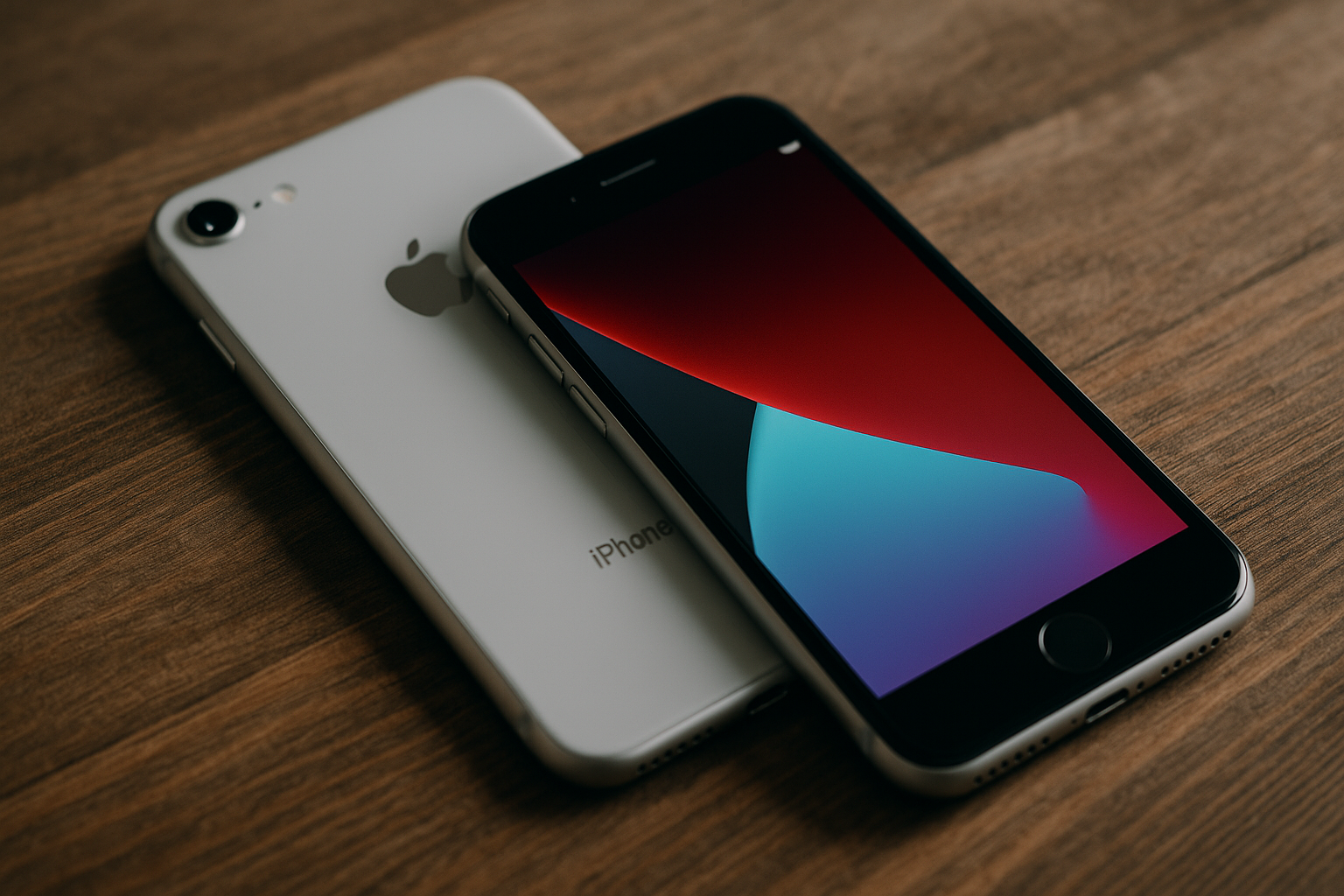
Important details about the iPhone 7 Plus you should know
Introduction to the iPhone 7 Plus
The iPhone 7 Plus is still a popular choice thanks to its dual-camera system and powerful performance. The device has a 5.5-inch screen and is water-resistant. Read more about the iPhone.
The iPhone 7 Plus, released by Apple in September 2016, marks a significant milestone in the evolution of smartphones. This device distinguishes itself with its advanced features and refined design, specifically designed for both casual users and technology enthusiasts. With a combination of powerful performance, improved cameras, and a robust finish, the iPhone 7 Plus has left a lasting impression on the world of mobile technology.
One of the most striking features of the iPhone 7 Plus is the 5.5-inch Retina HD display. This display offers vibrant colors, improved brightness, and a wide color gamut for an immersive visual experience. Unlike its predecessors, the iPhone 7 Plus introduces a redesigned solid-state home button, which replaces the traditional physical button with a pressure-sensitive alternative that provides haptic feedback. This change increases the durability and responsiveness of the device.
The device is powered by the A10 Fusion chip, which at the time was considered one of the most advanced mobile processors. This chip not only provides fast performance but also better energy efficiency. This makes multitasking easy and the device has a longer battery life, even with intensive use.
The iPhone 7 Plus also introduces a dual 12-megapixel rear camera, a first for Apple. By combining a wide-angle lens and a telephoto lens, users can experience optical zoom up to 2x and digital zoom up to 10x. In addition, the portrait mode with advanced depth-of-field effects makes this device very suitable for photography. With the absence of the traditional 3.5 mm headphone jack, Apple emphasizes a future in which wireless use is central.
The groundbreaking features of the iPhone 7 Plus demonstrate Apple's continued commitment to innovation and design, with an eye for both style and functionality.
Design and build quality
The iPhone 7 Plus is distinguished by its sleek and minimalist design, which remains the core of Apple's aesthetic approach. The device has an aluminum unibody casing, which not only feels smooth but also offers a premium look. With its rounded corners and seamless transitions between glass and metal, the device exudes simplicity and refinement.
An important detail in this design is the absence of the traditional 3.5mm headphone jack. Apple has opted for a cleaner design and the use of the Lightning port to connect audio devices. This elicits mixed reactions, but it also provides room for improved water resistance. The iPhone 7 Plus has an IP67 certification, which means it is resistant to dust and short submersions in water up to one meter deep for a maximum of 30 minutes.
The device feels sturdy without being bulky, despite its larger 5.5-inch screen size. The physical home button has been replaced by a solid-state button with haptic feedback, making it less vulnerable to wear and tear. In addition, the button is intuitively designed to accurately register touches via the built-in Taptic Engine.
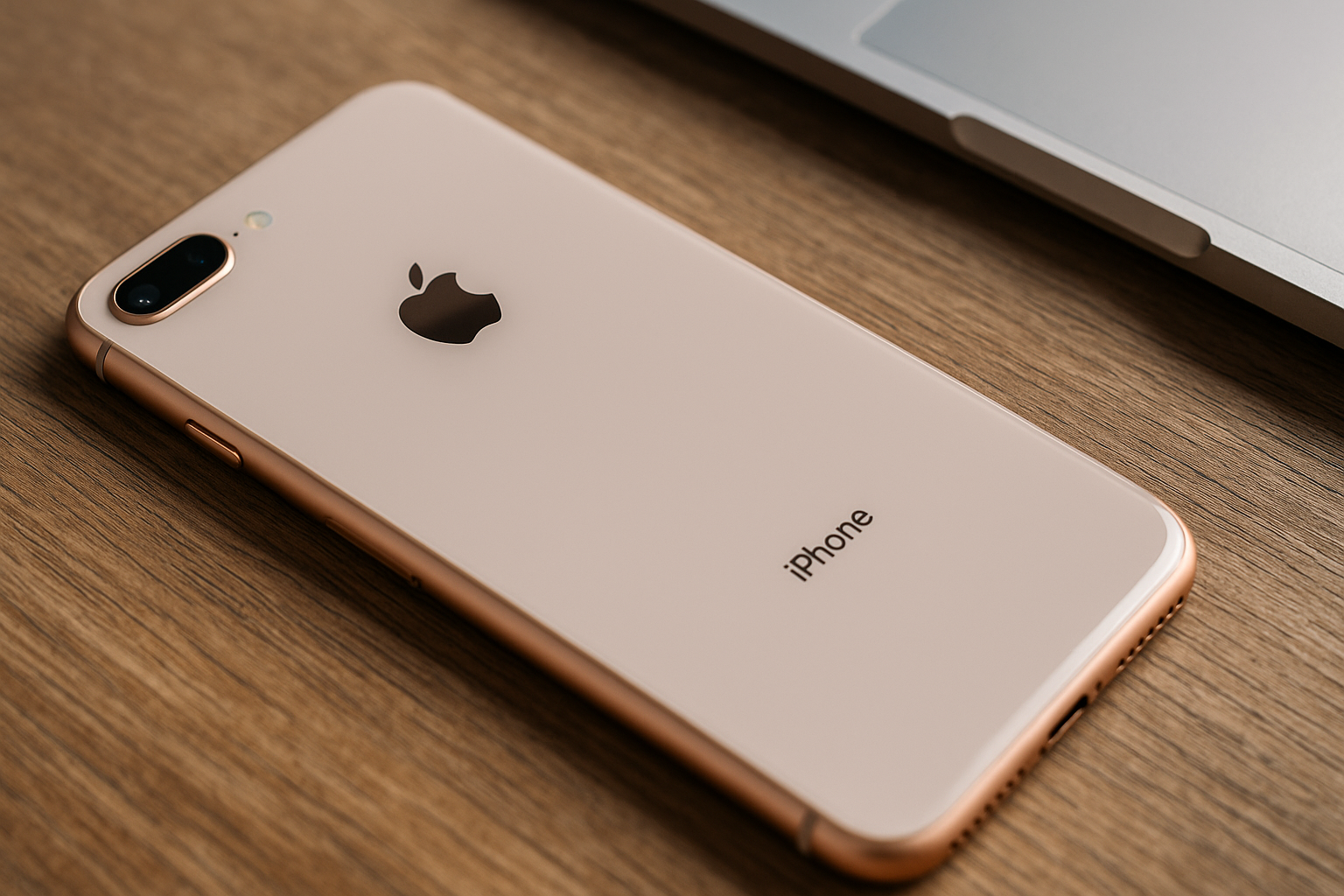
Apple has made the device available in various color options, including Jet Black, which has a striking polished finish. However, the use of this glossy material makes it susceptible to scratches, requiring careful use. In addition to Jet Black, there are also matte color options such as black, gold, silver, and rose gold, which are more resistant to fingerprints and wear.
In short, the design and build quality of the iPhone 7 Plus reflect Apple's ability to seamlessly combine technology and style.
The power of the A10 Fusion processor
The iPhone 7 Plus is powered by the A10 Fusion processor, a groundbreaking chip that takes performance to a new level. This processor features a quad-core architecture, designed to deliver both power and efficiency. Two performance cores are optimized for heavy tasks such as playing graphically intensive games or video editing, while the other two efficiency cores are focused on everyday basic tasks and energy efficiency.
Thanks to this innovative setup, the iPhone 7 Plus can seamlessly switch between power-intensive applications and less demanding processes. This results in a smooth user experience without excessively draining the battery. Apple claims that the A10 Fusion is up to 40 percent faster than the A9 chip used in the previous generation, and up to 50 percent more energy efficient.
A major advantage of the A10 Fusion processor is its support for advanced graphical performance. This is especially noticeable when playing high-resolution games and augmented reality applications. The combination of powerful graphics capabilities and efficiency ensures that the iPhone 7 Plus performs exceptionally well in both entertainment and productivity.
In addition, the processor plays a crucial role in the improved image processing of the dual-camera setup. It optimizes features such as portrait mode and low-light photography by processing complex image data at high speed and precision.
With the A10 Fusion, Apple sets a standard that not only delivers performance, but also raises energy management and ease of use to a higher level. This processor emphasizes the pursuit of a balance between power and efficiency, essential for the versatility of the iPhone 7 Plus.
Differences between the iPhone 7 and the 7 Plus
Although both the iPhone 7 and the iPhone 7 Plus are part of the same generation of Apple smartphones, there are some important differences that distinguish these models from each other. These variations play a role in the use, functionality, and overall choice for consumers.
1. Screen size
The iPhone 7 Plus has a larger 5.5-inch screen compared to the 4.7-inch screen of the standard iPhone 7. This larger display is ideal for users who watch multimedia content, such as videos, photos, or games. Both have a Retina HD display, but with the Plus version, the larger screen offers more space for details and multitasking.
2. Dual camera versus single camera
One of the most striking differences is the camera configuration. The iPhone 7 is equipped with a single 12 MP camera, while the iPhone 7 Plus has a dual-lens setup. This dual camera consists of a wide-angle lens and a telephoto lens, adding extra features such as 2x optical zoom and Portrait mode. This makes the iPhone 7 Plus more attractive to photography enthusiasts.
3. Battery life
The iPhone 7 Plus offers longer battery life than the iPhone 7. The larger casing of the Plus version provides space for a larger battery, resulting in more usage time. Apple claims that this can provide up to an hour of extra working time during normal use.
4. RAM memory
The iPhone 7 Plus has 3 GB of RAM, while the iPhone 7 only has 2 GB of RAM. The higher RAM in the Plus version ensures improved performance for heavy tasks such as multitasking and gaming.
5. Size and weight
The physical differences are also noticeable. The iPhone 7 Plus is larger and heavier due to its larger screen and battery. This can affect portability, but at the same time it offers a more powerful user experience for those who can handle a larger device.
These points help consumers choose a model that suits their needs.
Improved dual cameras and photography performance
The iPhone 7 Plus introduces an advanced camera system specifically designed to take the photography experience to the next level. The addition of the dual camera on the back offers versatility and precision, appealing to both professional photographers and casual users. The camera system includes a 12 MP wide-angle lens and a 12 MP telephoto lens, which together offer a range of new possibilities for photography.
A striking feature that distinguishes the dual camera system is Portrait mode. Using the telephoto lens and advanced software, this mode can create a depth-of-field effect, often referred to as the bokeh effect. This creates beautiful photos where the subject remains sharp and the background is skillfully blurred.
The optical zoom function is another feature of the dual camera. Users can zoom up to 2x optical and 10x digital without noticeable loss of image quality. This makes it easy to capture distant subjects in detail. In addition, optical image stabilization and an f/1.8 aperture improve low-light capabilities, resulting in brighter and sharper shots in challenging conditions.
Apple has also paid attention to videos. The iPhone 7 Plus supports 4K video recording with smooth details and a wide range of editing options. Slow-motion videos can be recorded in 1080p or 720p, giving users creative ways to capture movement.
With refinements in both hardware and software, the iPhone 7 Plus delivers significant advancements in photography. Thanks to these improvements, the camera remains a key selling point of the device.
Water resistance: what does it mean in practice?
The iPhone 7 Plus introduces water resistance for the first time in the iPhone series, with an official IP67 certification. This means that the device is dust and water resistant according to international standards. Specifically, this means that the smartphone is resistant to dust particles and can be submerged in up to one meter deep fresh water for up to 30 minutes. However, many users wonder what this means in practice and under what circumstances the water resistance is reliable.
What exactly does IP67 mean?
The IP67 rating is a standard that provides insight into the degree of protection against dust and water. The first digit, 6, stands for complete protection against dust, while the second digit, 7, specifies that the device is resistant to water ingress under certain conditions. Importantly, this classification is tested under controlled laboratory conditions, which often differs from the situations in which the phone is used daily.
Practical limitations and points of attention
Although the iPhone 7 Plus offers a degree of water resistance, there are situations where damage is still possible. Using the smartphone in salt water, chlorinated swimming pools, or other liquids such as coffee or soft drinks is not recommended. Prolonged exposure to moisture or sudden temperature changes can also damage the device's seal.
In addition, Apple warns that water or moisture damage is not covered by the warranty. So it is important to be careful, even if the phone is theoretically water resistant. Here are some tips:
- Avoid submersion in liquids other than fresh water.
- Let the phone dry completely after contact with water.
- Do not use accessories or cables while the device is damp.
With responsible use, water resistance can be a useful feature, but users should remain aware of its limitations.
Battery performance and efficiency of the iPhone 7 Plus
The iPhone 7 Plus offers improved battery performance compared to previous iPhone generations. With its larger battery capacity, this device promises, under normal circumstances, a longer daily usage time. The battery capacity of approximately 2900 mAh supports the energy needs of the powerful A10 Fusion chip, the larger 5.5-inch Retina HD display, and other hardware components.
Apple has optimized the energy efficiency of the iPhone 7 Plus by introducing the A10 Fusion chip. This chip works with a quad-core architecture and uses two high-performance cores for intensive tasks and two energy-efficient cores for lighter processes. This design minimizes unnecessary battery consumption, resulting in a noticeable improvement in usage time, such as longer talk and surf times.
The iPhone 7 Plus offers an average of 21 hours of talk time via 3G and up to 15 hours of internet use via Wi-Fi. When streaming videos, the device can deliver up to 14 hours of battery life, while playing music is possible for up to 60 hours. However, these figures may vary based on network usage, settings, and apps that are active.
As for charging, the iPhone 7 Plus supports fast charging via a higher capacity adapter, although this is not included with the device. A Lightning cable is used to efficiently charge the battery.
Users who run heavy applications daily, such as gaming or using GPS, will notice that the battery drains faster, although energy-saving features such as low-power mode are a valuable addition to extend battery life when needed. Overall, the iPhone 7 Plus is designed to offer a good balance between performance and battery efficiency.
Removing the 3.5mm headphone jack
With the introduction of the iPhone 7 Plus, Apple made a striking and controversial decision by removing the traditional 3.5mm headphone jack. This decision, praised by some and criticized by others, marked a significant shift in how users connect audio devices to their devices.
With this adjustment, Apple has opted for a focus on wireless connectivity and digital audio via the Lightning connector. This has led to a number of changes and challenges for users:
- Promoting wireless technology: The removal of the 3.5mm jack was partly intended to stimulate the adoption of wireless audio devices, such as AirPods. These devices use Bluetooth technology, reducing the need for physical connections.
- Use of adapters: Apple included a Lightning-to-3.5mm adapter with the iPhone 7 Plus to accommodate users who wanted to continue using their existing headphones. This provided a temporary solution but sometimes resulted in inconveniences, such as losing the adapter or limitations when charging while listening to music.
- Improved waterproofing: By omitting the 3.5mm port, Apple was able to create a more water and dust resistant design. This was beneficial for the durability of the device.
- Higher audio quality: The Lightning connector offers the possibility for digital audio transmission, which promises a potential improvement in sound quality for compatible accessories.
While the transition to this new standard symbolizes technological progress, it also brought criticism and adaptation problems. Some users saw it as a loss of convenience, while others saw it as a step forward towards wireless convenience and innovation.
The Retina HD display and viewing experience
The Retina HD display of the iPhone 7 Plus offers a remarkable visual experience, where colors and details stand out with unprecedented clarity. With a redesigned look and a wide color spectrum, this display elevates the viewing experience to a higher level. The 5.5-inch screen has a resolution of 1920 x 1080 pixels and a pixel density of 401 pixels per inch, resulting in sharp and vibrant images.
One of the most striking features of the Retina HD display is the support for wider colors. Thanks to the P3 color rendering, users can expect more intense and true-to-life colors than with standard RGB displays. This is especially noticeable when viewing photos and videos, where realism is essential. The technology also ensures better color accuracy under various lighting conditions.
The screen has a maximum brightness of 625 nits, meaning that it can display clear images even in bright sunlight. In addition, the built-in dual-domain pixel technology minimizes color change at different viewing angles, ensuring clear images, regardless of the user's position. The True Tone technology, which appeared on later models, is missing here, but this does not detract from the overall quality of the screen.
There are also improvements in the anti-reflective coating, which significantly reduces distracting reflections. Thanks to the use of strong Ion-X glass technology, the display is also more resistant to scratches and accidents. Thanks to the Retina HD screen, the iPhone 7 Plus positions itself as an excellent choice for those who want a premium viewing experience on a smartphone.
Available storage options and prices
The iPhone 7 Plus was launched with multiple storage options to meet the diverse needs of users. Apple made important changes to the storage capacity with this model, making the device better suited for intensive use, such as storing large files, downloading apps, and creating high-definition videos.
The available storage options are 32 GB, 128 GB, and 256 GB. The introduction of these higher capacities meets the demand of users who are increasingly storing more multimedia. The basic model with 32 GB is suitable for users with average storage needs, such as storing photos, videos, and documents, along with a moderate collection of apps. The 128 GB variant offers significantly more space for users who make more intensive use of apps, games, and media files. The 256 GB variant is ideal for users with high storage needs, such as those who store large amounts of 4K videos or professional photo files.
The prices of the iPhone 7 Plus vary depending on the chosen storage capacity. At the introduction in the Netherlands, the basic model (32 GB) was usually available from around €909. The 128 GB version had a price of approximately €1019, while the 256 GB variant had the highest price and was around €1129. Although these prices may be lower today due to the introduction of newer models, they offer an indication of the value of these storage options at the time of launch.
It is important to note that the chosen storage option is not expandable, as the iPhone 7 Plus does not support microSD cards. Therefore, it is important to make a well-considered choice when purchasing.
The role of iOS on the iPhone 7 Plus
The iPhone 7 Plus is powered by iOS, Apple's operating system known for its user-friendly interface and seamless integration with the hardware. iOS plays a crucial role in delivering optimal performance, security features, and access to an extensive ecosystem of apps. The iPhone 7 Plus comes standard with iOS 10, but users can upgrade to later versions to benefit from new features and security updates.
One of the most striking features of iOS is its smooth operation. The operating system is optimized for the A10 Fusion chip in the iPhone 7 Plus, resulting in fast response times and reduced energy consumption. This synergy between hardware and software allows users to efficiently open apps, without delays or glitches. In addition, the advanced power saving mode plays a role in maximizing battery life, which is especially important during intensive use.
iOS strongly focuses on security and privacy. The iPhone 7 Plus features features such as Touch ID, encryption, and regular software updates to protect personal data. In addition, the App Store is strictly controlled by Apple, giving users access to safe and reliable applications. The built-in security features of iOS also prevent malicious software or unwanted access to the device.
With iOS, users can benefit from a wide range of applications and features, such as iMessage, FaceTime, and Siri. These native apps are specially designed to work more efficiently on iOS devices. In addition, users can synchronize files between multiple devices via iCloud, which provides extra convenience. This ecosystem enhances the use of the iPhone 7 Plus and stimulates effectiveness in daily activities.
Accessories and compatibility
The iPhone 7 Plus offers improved compatibility with a wide range of accessories thanks to its redesigned look and technologies. Particularly striking is the absence of a 3.5mm headphone jack, which has made room for new innovations. For audio, the Lightning port is now used, so users must use headphones with a Lightning connector or use the included Lightning-to-3.5mm adapter.
The switch to wireless audio is highly recommended, as the iPhone 7 Plus is optimized for use with accessories such as Apple's own AirPods. These wireless earbuds connect via Bluetooth and offer seamless integration with Siri and other iOS features.
In addition, the device supports a wide range of Lightning-based accessories, including charging docks, cables, and external microphones. Other compatible accessories include portable battery packs and cases specifically designed for the larger size of the iPhone 7 Plus. Apple also offers its own designed cases, such as the Silicone Case and the Leather Case, which fit perfectly with the phone and offer extra protection without compromising style.
Important compatibility points:
- Works with existing Lightning accessories.
- Requires adapter for traditional headphones.
- Suitable for wireless earbuds such as AirPods.
- Support for various third-party accessories via Bluetooth.
When choosing accessories, users should take into account the larger screen and the dual camera setup, so that these components remain unimpeded. Thanks to the wide support, the iPhone 7 Plus remains versatile and user-friendly, with options that suit both professional users and daily use.
Comparison with modern iPhones: is the 7 Plus still relevant?
Since the launch of the iPhone 7 Plus in 2016, the iPhone line has made enormous technological strides. To get a good idea of the relevance of the iPhone 7 Plus compared to modern models, such as the iPhone 14 or 15 Pro, various aspects must be mapped. Below, important factors are discussed, such as performance, camera capabilities, battery life, and software support.
Performance
The iPhone 7 Plus is equipped with the A10 Fusion chip, which was groundbreaking at the time. However, modern models run on much more powerful chips, such as the A16 or A17 Bionic, which deliver significantly better performance in multitasking, graphically intensive apps, and gaming. The A10 Fusion still performs decently for everyday tasks, but modern processors offer faster loading and smoother performance, especially with resource-intensive applications.
Camera quality
The iPhone 7 Plus introduced a dual-camera system with a 12 MP wide-angle and telephoto lens, including the popular portrait mode. While this still provides reasonably good photos, the cameras of modern iPhones far surpass in terms of resolution, night mode, optical zoom, and AI-powered image processing. Features such as Deep Fusion and ProRAW are missing on the 7 Plus, making it less attractive to mobile photography enthusiasts.
Battery and energy management
The battery of the iPhone 7 Plus is not designed to compete with the more efficient batteries of modern iPhones. Newer models use improved energy-efficient chips and larger batteries that can last for more than a day of intensive use. The 7 Plus offers average battery life, but cannot match the efficiency of current flagships.
Software support
The iPhone 7 Plus still supports iOS updates, but this may only be temporary, as Apple eventually excludes older devices from new releases. Modern models enjoy long-term support and benefit from the latest iOS features, such as Live Activities and extensive privacy options.
For users who do not have intensive performance standards, the 7 Plus remains usable. However, it is undeniable that modern iPhones offer better hardware and software optimizations.
Tips for buying a used iPhone 7 Plus
Purchasing a used iPhone 7 Plus can be a smart choice, provided that certain points are carefully considered. A well-informed purchase can avoid unforeseen problems and ensure that the device can last a long time. Below are some essential tips to keep in mind when buying a second-hand iPhone 7 Plus.
Check the physical condition of the device
- Screen: Examine the screen for scratches, cracks, or defects such as dead pixels or discoloration.
- Housing: Look at the corners and back of the device for dents, cracks, or other damage.
- Buttons and ports: Test the functionality of the home button, volume buttons, and check the Lightning port for wear or clogging.
Verify the battery condition
The performance of an older iPhone is strongly influenced by the health of the battery. Check the "Battery condition" via the device's settings if possible. A battery with less than 80% maximum capacity may need to be replaced.
Ask about the origin of the device
- Check if the seller can provide proof of ownership, such as a receipt or invoice.
- Check the IMEI number on website(s) such as the Apple check page to see if the device is registered as stolen.
Software and functions
- Check if the iPhone is not blocked by an active iCloud account. Ask the seller to completely reset the device to factory settings.
- Test essential functions such as the microphone, speaker, cameras, and Touch ID sensor.
Buy from reliable sources
Consider buying from reputable refurbished device providers. These providers often offer warranties and have thoroughly checked the device. If you buy from a private seller, make sure you pay cash and inspect the device personally.
Thorough research and testing of the device help make a well-considered decision and avoid potential pitfalls. In this way, a used iPhone 7 Plus is still an excellent choice.
My judgment: is the iPhone 7 Plus still a good choice?
The iPhone 7 Plus, launched in 2016, has often been praised for its robust build quality, dual-camera functionality, and long software support. Although technology has evolved rapidly in recent years, this device still offers some features that may be relevant in 2023, depending on the user's needs.
A key feature of the iPhone 7 Plus is the 5.5-inch Retina HD display. With a resolution of 1920 x 1080 pixels and high color accuracy, the screen offers acceptable performance for multimedia and daily use. Although it does not use OLED technology like newer models, it can still meet visual expectations for basic tasks.
The A10 Fusion chipset, which was impressively powerful at the time, is less competitive today compared to modern processors. However, for users with light needs, such as checking emails, surfing the web, or using simple apps, the chip may be sufficient. Heavier tasks, such as advanced mobile games and video editing, show the limitations of the device.
One of the most striking features of the iPhone 7 Plus is the dual 12 MP rear camera. The portrait mode with bokeh effects was a first for the iPhone series. Although the camera cannot compete with the high quality and versatility of current models, it still provides reasonable performance for basic photography in good lighting conditions.
Regarding battery life, it should be noted that, depending on use and battery health, the device lasts a full day. However, a reduced battery capacity in older devices can be a disadvantage for some users.
Finally, software also plays a crucial role. The iPhone 7 Plus runs on an older version of iOS and may not receive any further major updates, which can lead to security problems or compatibility limitations. This is an important aspect to consider when purchasing.