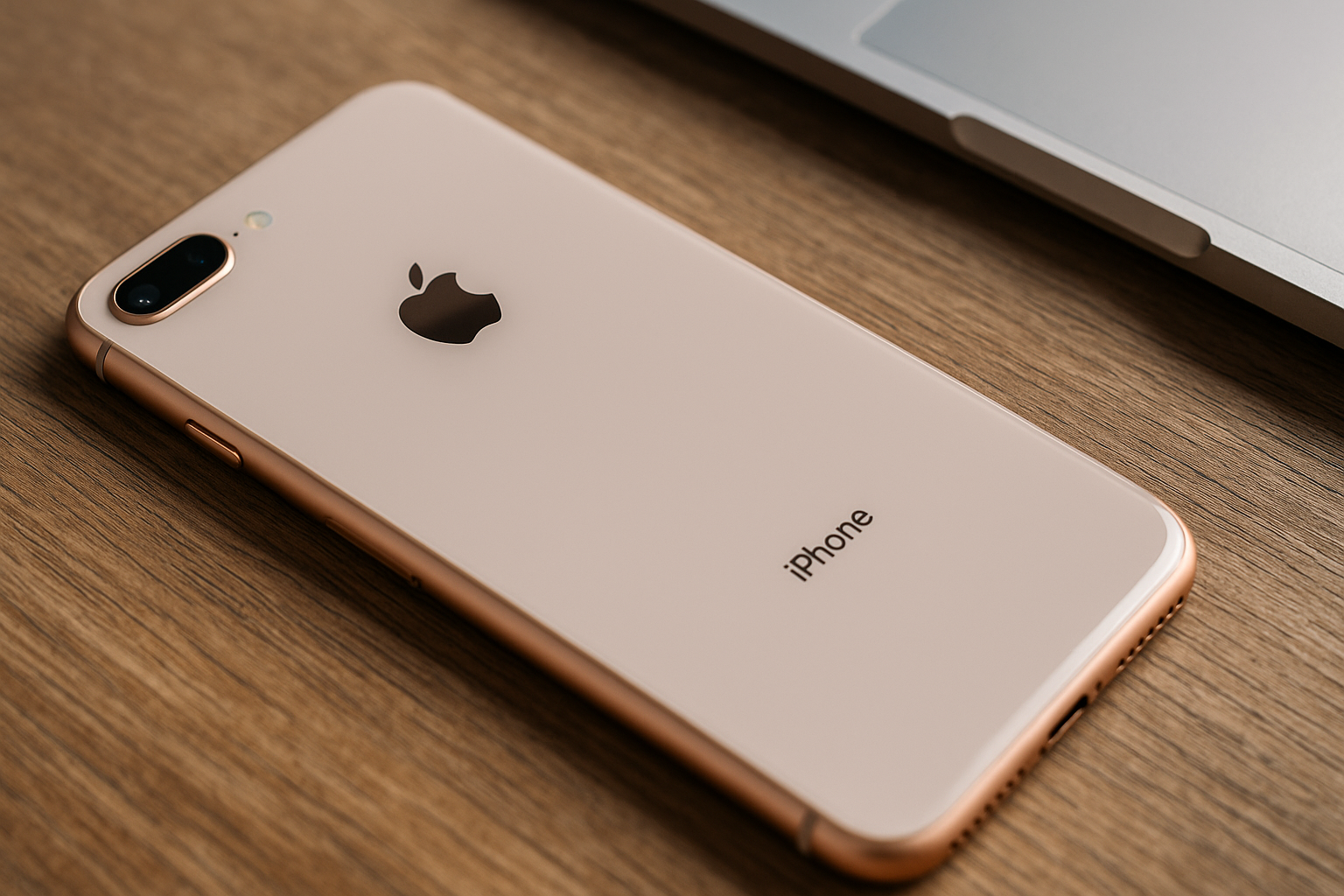
The Ultimate Guide to the iPhone 8: All Specifications Revealed
Introduction: Why the iPhone 8 is Still Relevant
The iPhone 8 offers excellent performance with a powerful A11 Bionic chip and a 4.7-inch Retina display. The device is equipped with wireless charging and an improved camera. Discover all the iPhone specifications at this link.
Although the iPhone 8 was launched in 2017, this model still holds a strong position in the smartphone market. This continued relevance can be attributed to several factors, such as the timeless design choices, reliable performance, and continued support from Apple. The device offers an ideal balance between price and quality, making it an attractive option for both new and experienced users.
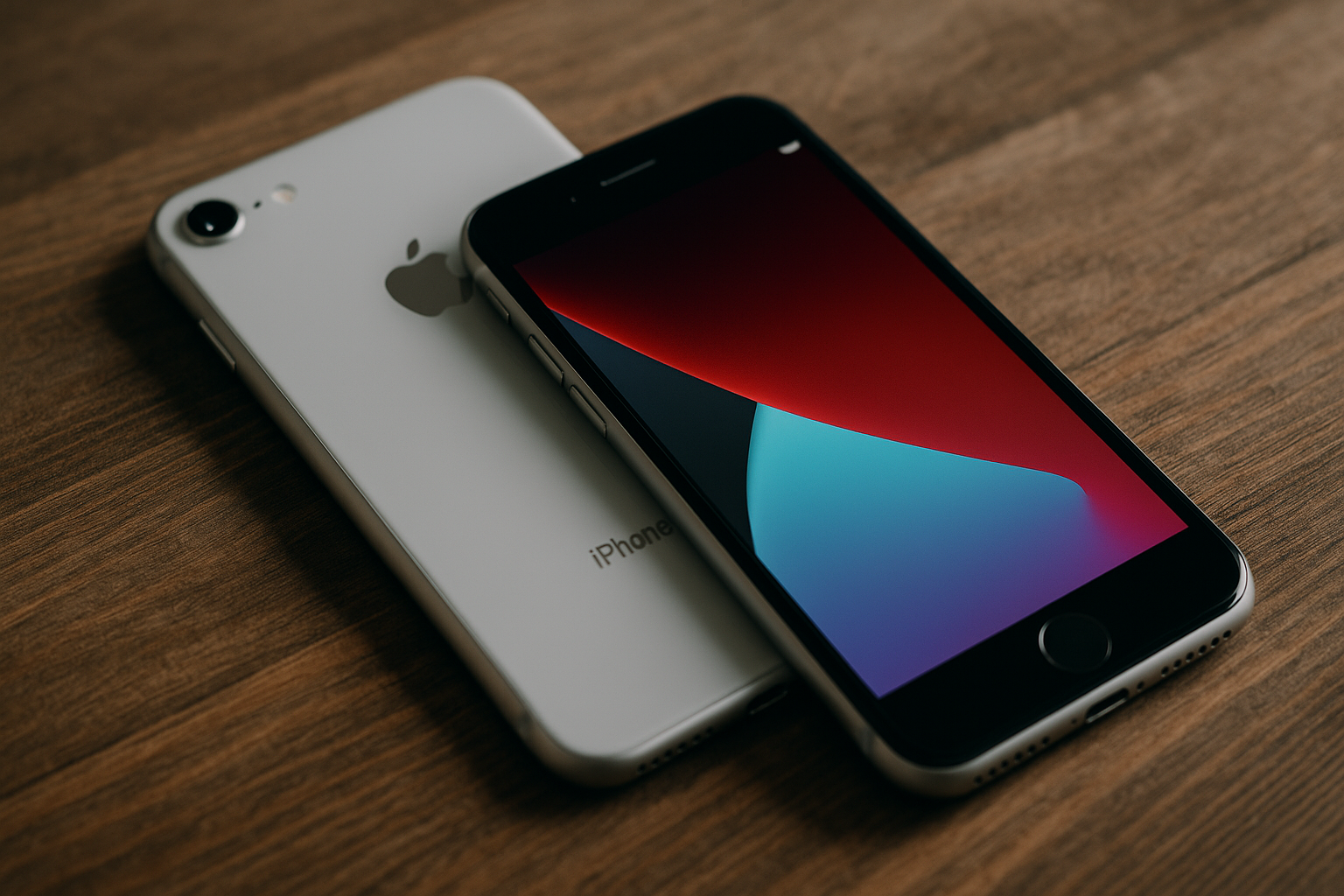
One of the main reasons why the iPhone 8 is still popular is its classic design with the familiar Home button. For users who do not find the transition to the full-screen operation of newer models pleasant, the iPhone 8 offers a user-friendly interface. This makes the device accessible, especially for people who value simplicity of use. In addition, the compact size of the iPhone 8 fits perfectly in an era where smartphones are becoming increasingly larger.
In terms of performance, the A11 Bionic chip still offers impressive speed and energy efficiency. This chip supports demanding applications and ensures that the device runs smoothly, even with the latest iOS updates. Apple has proven that it values long-term support, allowing iPhone 8 users to benefit from recent software improvements – a rarity for older devices.
In addition, the build quality and cameras of the iPhone 8 are remarkably durable, making it a suitable choice for everyday photography and videography. The water and dust resistant design (IP67) adds an extra layer of reliability. With wireless charging as an early, but practical feature, the iPhone 8 meets modern standards without requiring expensive accessories.
This mix of quality, user-friendliness and affordability ensures that the iPhone 8 makes a lasting impression.
Design and Build Quality: Classic yet Refined
The iPhone 8 immediately leaves a lasting impression with its refined design, which offers a perfect blend of classic and modern. The device retains the recognizable elements that distinguish the iPhone line, such as the rounded corners and symmetrical edges, but at the same time introduces subtle improvements that contribute to a luxurious look.
Top-Quality Materials
Apple has opted for a glass back, a first since the iPhone 4, which is not only aesthetically appealing but also functional. This design enables wireless charging, something that is popular with users looking for convenience. The glass is reinforced with a strong aircraft-grade aluminum frame, making the device both durable and lightweight.
Color Choices
The color options – silver, space gray and gold – are carefully selected to appeal to a wide audience. Each color scheme features a premium finish and meticulous attention to detail, such as color matching between the glass and the metal bezel.
Comfort and Functionality
The device fits comfortably in the hand thanks to its compact size and rounded edges. The buttons and the Touch ID sensor are strategically placed for intuitive use. The absence of sharp corners ensures an ergonomic experience, even with prolonged use.
“This is not just a smartphone; it's a carefully designed statement of technology and style.”
Weather Resistance
The iPhone 8 offers protection against dust and water with an IP67 certification. This means that the device can withstand short-term immersion and daily influences such as raindrops without compromising the design. This makes the iPhone 8 suitable for various scenarios without compromising aesthetics.
With a timeless design and high-quality materials, the iPhone 8 offers an elegant device that seamlessly combines functionality and style.
Display: Retina Display and Color Splendor
The iPhone 8's Retina display is carefully designed to provide an impressive viewing experience. The screen has a resolution of 1334 x 750 pixels at a pixel density of 326 pixels per inch (ppi). This results in sharp images and smooth detailing that makes text and graphic elements remarkably clear. Support for True Tone technology ensures that the color temperature automatically adjusts to the ambient lighting, so images always have a natural look.
In addition, the display comes alive thanks to the wide color spectrum (P3), which means that more nuances and shades are visible. This is particularly noticeable when viewing photos and videos, where colors appear vibrant and realistic. The combination of high contrast and accurate color reproduction makes the Retina display excellent for editing photos or streaming movies.
The screen offers a maximum brightness of 625 nits, making it also easy to read in bright sunlight. Furthermore, the built-in oleophobic coating minimizes fingerprints, so the screen stays clean longer. The iPhone 8 can accurately recognize multi-touch gestures, thanks to improved sensitivity sensors.
With support for HDR10 and Dolby Vision, users can enjoy a high-quality viewing experience with compatible multimedia. This makes the Retina display a perfect balance between technology, user-friendliness and visual brilliance.
Performance: The Power of the A11 Bionic Chip
The iPhone 8 introduces an impressive step forward in performance thanks to the A11 Bionic chip, one of the most powerful processors Apple has developed to date. This six-core CPU, designed with an advanced 64-bit architecture, combines efficiency with unprecedented speed, making both everyday tasks and intensive applications exceptionally smooth.
The A11 Bionic chip contains two high-performance cores that are up to 25% faster than the previous generation. This means that operations such as multi-tasking, file processing and gaming cause less waiting time. In addition, the four energy-efficient cores contain an improvement of up to 70% in efficiency, which means that the battery lasts longer, even with intensive use.
Another important innovation is the Apple-designed tri-core GPU. This graphics processor offers 30% better performance than its predecessor, leading to smoother visual effects, improved augmented reality experiences and more responsive games. For users who enjoy AR apps and high-end graphics applications, the A11 Bionic chip opens up new possibilities for interactive and immersive use.
The chip is equipped with a dedicated neural engine, developed for machine learning tasks. This enables the iPhone 8 to analyze and process data in real-time, which is visible in features such as facial recognition and advanced photo editing. In addition, the A11 Bionic works seamlessly with iOS to make user experiences more intuitive.
Thanks to the power of the A11 Bionic chip, the iPhone 8 sets a new standard for speed, efficiency and innovation that meets even the highest user expectations.
Camera: Photo and Video Quality in Detail
The iPhone 8 is equipped with a 12-megapixel camera, which is optimized for both photography and video recording. This camera uses an improved sensor that provides brighter images and more detail, even in low-light situations. The available f/1.8 aperture makes it possible to let in more light, resulting in sharper and more vibrant photos. In addition, optical image stabilization is an essential component, minimizing movement and allowing users to take sharp images, even when photographing fast-moving objects.
In terms of video quality, the iPhone 8 supports 4K video recording at a speed of up to 60 frames per second. This high resolution is combined with smooth movements and offers professional quality that is suitable for both casual users and content creators. Slow-motion videos are supported in 1080p at 240 frames per second, making every shot exceptionally detailed and impressive. This makes the iPhone 8 a powerful tool for creative expression in the field of videography.
Another striking feature is the automatic HDR mode. This technology optimizes contrast and enhances colors, giving photos a vibrant and natural look. In addition, the True Tone flash is equipped with four LEDs that accurately adjust the lighting, resulting in consistent and balanced lighting in various lighting conditions.
For selfies and video calls, the 7-megapixel FaceTime HD camera is a reliable choice. With features such as Retina Flash and wider color registration, the front camera also delivers excellent results.
Battery Life and Charging: How Does the iPhone 8 Perform in Everyday Situations?
The iPhone 8 is equipped with a lithium-ion battery designed to provide a good balance between performance and efficiency. Apple claims that the battery capacity is sufficient to get through an average day of use without problems. With features such as a more efficient A11 Bionic chip and optimized software, the device helps minimize energy consumption, even during intensive tasks such as video streaming or gaming.
Battery Life in Daily Use
Under normal use, the iPhone 8 can typically last up to 12 hours on a single charge. Activities such as calling, browsing via Wi-Fi and using light apps have a relatively low impact on battery consumption. Heavier tasks – for example, prolonged use of GPS or playing videos – can drain the battery faster. Users who continuously use mobile data will notice that the battery drains slightly faster than with Wi-Fi.
Charging Options and Speed
The iPhone 8 supports both fast charging and wireless charging, offering flexibility in daily charging situations. With a suitable 20W adapter, the battery can be charged to 50% in about 30 minutes. This is especially useful for people with a busy lifestyle. For wireless charging, the iPhone 8 uses the Qi standard, guaranteeing compatibility with a wide range of wireless charging stations. However, wireless charging is slightly slower than wired charging.
Useful Energy Management Features
The device is equipped with built-in energy management features, such as Low Power Mode. This option automatically disables non-essential functions to reduce battery consumption when the battery level becomes too low. In addition, extensive battery statistics are available in iOS, allowing users to gain insight into which apps consume the most energy and how they can adjust their usage patterns.
Software: iOS Support and Updates
The iPhone 8 comes with iOS, Apple's flagship operating system known for its simplicity, security and user-friendly interface. At its launch in 2017, the device was equipped with iOS 11, and since then it has received consistent software updates. This demonstrates Apple's commitment to continuing to support older devices with new features and improvements.
An important feature of the iPhone 8 is that it remains compatible with the latest iOS versions. The device benefits from long-term software support, giving users access to new features, security patches and performance improvements. This means that the iPhone 8 still meets the demands of modern smartphone use today.
Apple's iOS updates not only provide improvements in ease of use, but also continuously provide protection against security risks. This makes the iPhone 8 a reliable choice for both personal and professional applications. Users can benefit from functionalities such as improved privacy settings, integration with other Apple products via iCloud and access to the App Store with a wide range of applications.
For iPhone 8 owners, it is essential to update the software regularly to make optimal use of the device. The update process is simple and accessible via the 'Settings' app. This keeps performance and compatibility at the right level, even after years of use.
Furthermore, iOS is designed with future-proof use in mind. For users, this means that they can utilize features such as augmented reality (AR) and machine learning-based technologies, as far as the iPhone 8 hardware supports this. Thanks to Apple's extensive support, the iPhone 8 remains relevant in a rapidly changing technological landscape.
Storage Capacity and Price Options: What Suits Your Needs?
The iPhone 8 is offered in various storage variants and price options, giving users the choice to select a model that meets their specific needs and budget. It is important to consider how much storage space you actually need, depending on your use of apps, photos, videos and other files.
Available Storage Options
The most common storage configurations for the iPhone 8 are:
- 64 GB: Ideal for users who mainly use cloud storage (such as iCloud or Google Drive) and are less dependent on local storage. This option is suitable for people who download a limited number of apps and only occasionally save photos or videos.
- 256 GB: Suitable for intensive users who keep many apps, large video games and extensive media collections. This large capacity offers enough space for high-resolution photos, 4K videos and heavy files without quickly running out of storage.
With these choices, Apple offers flexibility for different user types.
Price Differences
The price varies depending on the chosen storage capacity. The 64GB version is generally cheaper, making it attractive to budget-conscious buyers. The 256GB version has a higher price, but justifies this by offering significantly more storage space for those who need it. Prices can be further influenced by factors such as second-hand markets, refurbished models and promotions through providers.
Which Option is Suitable?
When making a choice, it is essential to think about your current and future needs. Users who frequently take photos, record videos or use heavy apps may prefer more storage space. For people who mainly use streaming services and rely on cloud solutions, the smallest storage variant may be sufficient.
With a carefully considered choice, the optimal balance between storage and price can be achieved.
Extra Features: Water Resistance, Wireless Charging and More
The iPhone 8 offers users a range of extra features that contribute to both the convenience and durability of the device. One of the most striking features is the water and dust resistance, certified with an IP67 rating. This means that the device is completely protected against dust and can be immersed in water up to one meter deep for up to 30 minutes. This makes the device reliable for daily use, even in challenging conditions such as rain or accidentally spilling liquids.
Another innovative addition is the support for wireless charging. Thanks to the glass back, the iPhone 8 can be used with Qi-certified wireless chargers. This eliminates the need for a traditional cable and offers users extra flexibility when charging. There are numerous compatible accessories available, making the transition to wireless charging easy.
In addition, the device is equipped with stereo speakers that offer improved sound quality with deeper bass and a higher maximum volume compared to previous models. This makes listening to music, watching videos and making hands-free calls more pleasant and immersive.
Other noteworthy features include the improved Touch ID sensor for faster and more secure unlocking, as well as support for augmented reality (AR) applications thanks to the A11 Bionic chip. The device thus offers users new ways to interact with digital environments, such as AR games and apps.
This combination of versatility and technological innovations highlights why the iPhone 8 is still a popular choice among users who value modern design and advanced features.
Comparison with Other Models: How Does the iPhone 8 Compare?
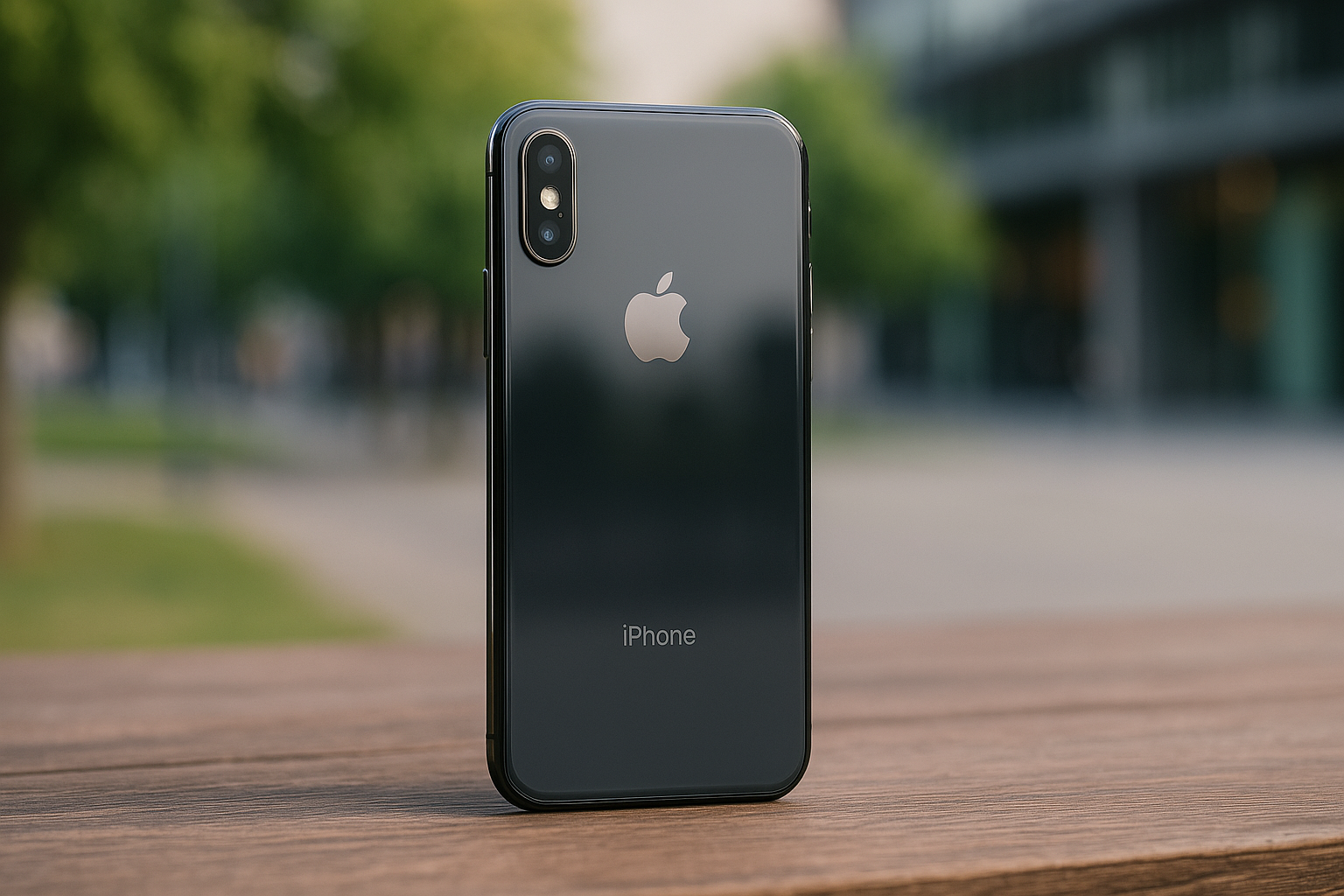
The iPhone 8 occupies an interesting position within the Apple smartphone lineup and can be seen both as an evolution of its predecessor, the iPhone 7, and as a striking counterpart to more modern models such as the iPhone X. To better understand the strengths and weaknesses of the iPhone 8, comparisons with other iPhone models are essential.
Design and Build Quality
Compared to the iPhone 7, the iPhone 8 offers a premium design thanks to the introduction of a glass back, which is a clear improvement over the all-aluminum design of its predecessor. This glass design supports wireless charging, a feature not present in the iPhone 7. However, compared to the iPhone X, a bezel-less screen experience is lacking; the iPhone 8 retains the characteristic wide bezels and the physical home button with Touch ID.
Screen and Image Quality
The iPhone 8 features a 4.7-inch Retina HD display, which remains faithful to the traditional LCD panel with True Tone technology. Although the color reproduction and brightness are impressive, the device does not stand out against the Super Retina OLED screens of the iPhone X, which offer much more contrast and deeper blacks. However, for users who value bright and natural colors without switching to OLED, the iPhone 8 remains a strong choice.
Performance
The iPhone 8 is equipped with the A11 Bionic chip, the same powerful processor that also powers the iPhone X. This provides virtually identical performance in speed and multitasking compared to its more expensive counterpart. This makes the iPhone 8 an attractive option for users who do not want to use the advanced Face ID technology, but still need a powerful device.
Camera
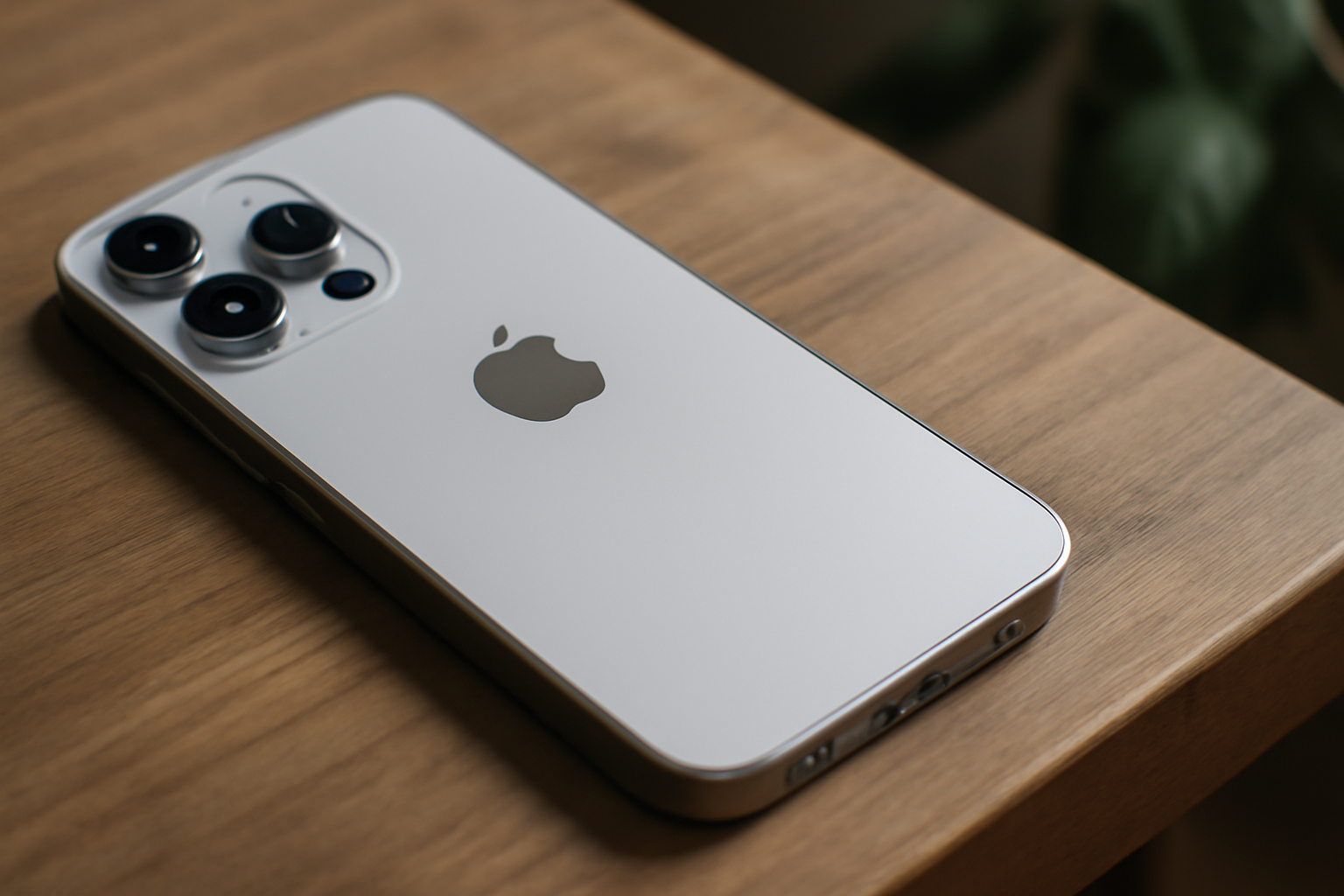
Although the iPhone 8 offers an excellent 12 MP camera, it lacks the dual lenses found on the iPhone 8 Plus and iPhone X. These dual lenses increase the possibilities for portrait photography and optical zoom. However, for standard photography, the iPhone 8 camera remains competitive thanks to improved image processing and support for 4K video recording.
Price-Quality Ratio
The pricing of the iPhone 8 positions the device as an affordable option compared to the premium iPhone X. Users who value functionality over innovation get a smartphone with powerful hardware and practical features with the iPhone 8.
Is the iPhone 8 the Right Choice for You? A Conclusion
The iPhone 8 offers a range of features that may appeal to different types of users, depending on their needs and expectations. With a premium glass and aluminum design, the device exudes a classic Apple aesthetic, while the smaller size makes it a good choice for those looking for a handy smartphone. For many, the physical home button with Touch ID remains a reliable and user-friendly option, especially for those who find the transition to Face ID or other biometric systems less attractive.
In terms of performance, the iPhone 8 has the powerful A11 Bionic chip, which still makes it capable of daily tasks and light to moderate multitasking, even a few years after its introduction. Although the software does not run on the latest technology, the device supports iOS updates for a longer period, giving users access to recent features and security. This demonstrates the sustainable support that Apple offers to older devices.
The device also scores well in terms of photography. The 12-MP camera takes sharp shots with vibrant colors, good enough for casual photography. Functionalities such as optical image stabilization and 4K video recording add versatility. However, the camera is less competitive compared to more modern smartphones that offer multiple lenses and more advanced features.
The addition of wireless charging and water resistance keeps the iPhone 8 relevant with some modern technologies. However, the limitations of the battery capacity and the lack of a bezel-less display can be a stumbling block for users who expect a more futuristic experience. However, for those who value an affordable entry into the Apple ecosystem, the iPhone 8 remains an interesting choice.
Key Features:
Premium build quality.
Strong performance thanks to the A11 Bionic chip.
Support for iOS updates.
Compact size.
Possible limitations:
Outdated design compared to modern devices.
Moderate battery life during intensive use.