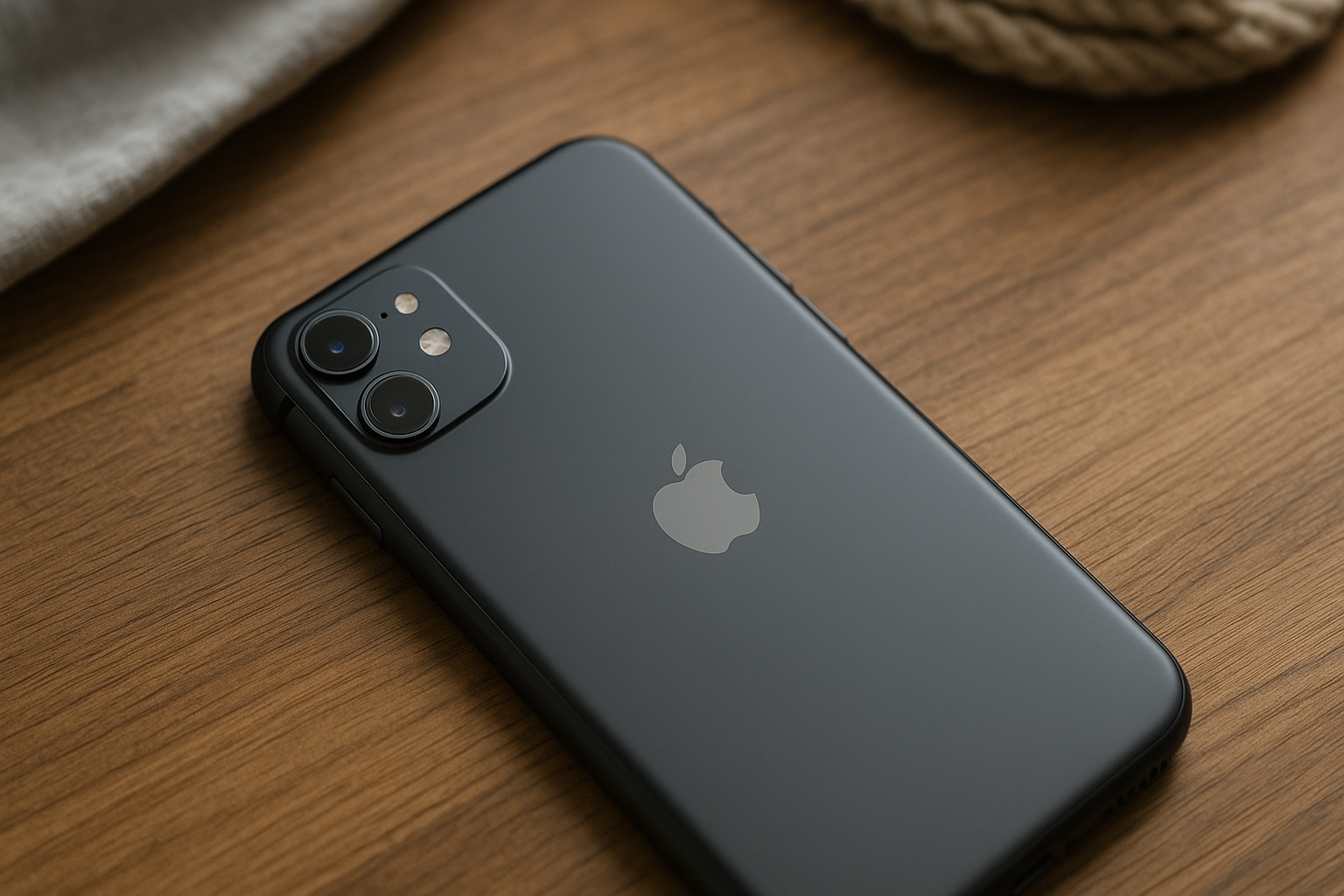
The iPhone 7: Everything You Need to Know About This Iconic Model
Introduction: Why the iPhone 7 Remains Popular
The iPhone 7 introduces water resistance and an improved camera for even better performance. Read all about this model on iPhones.Launched in September 2016, the iPhone 7 remains a popular device to this day, even in an era of constant technological advancement. This Apple model marked a significant evolution in design and functionality, introducing several striking features that set it apart from its predecessors. Although it has since been succeeded by more advanced iPhones, it retains a loyal user base due to its combination of reliability, performance, and timeless aesthetics.
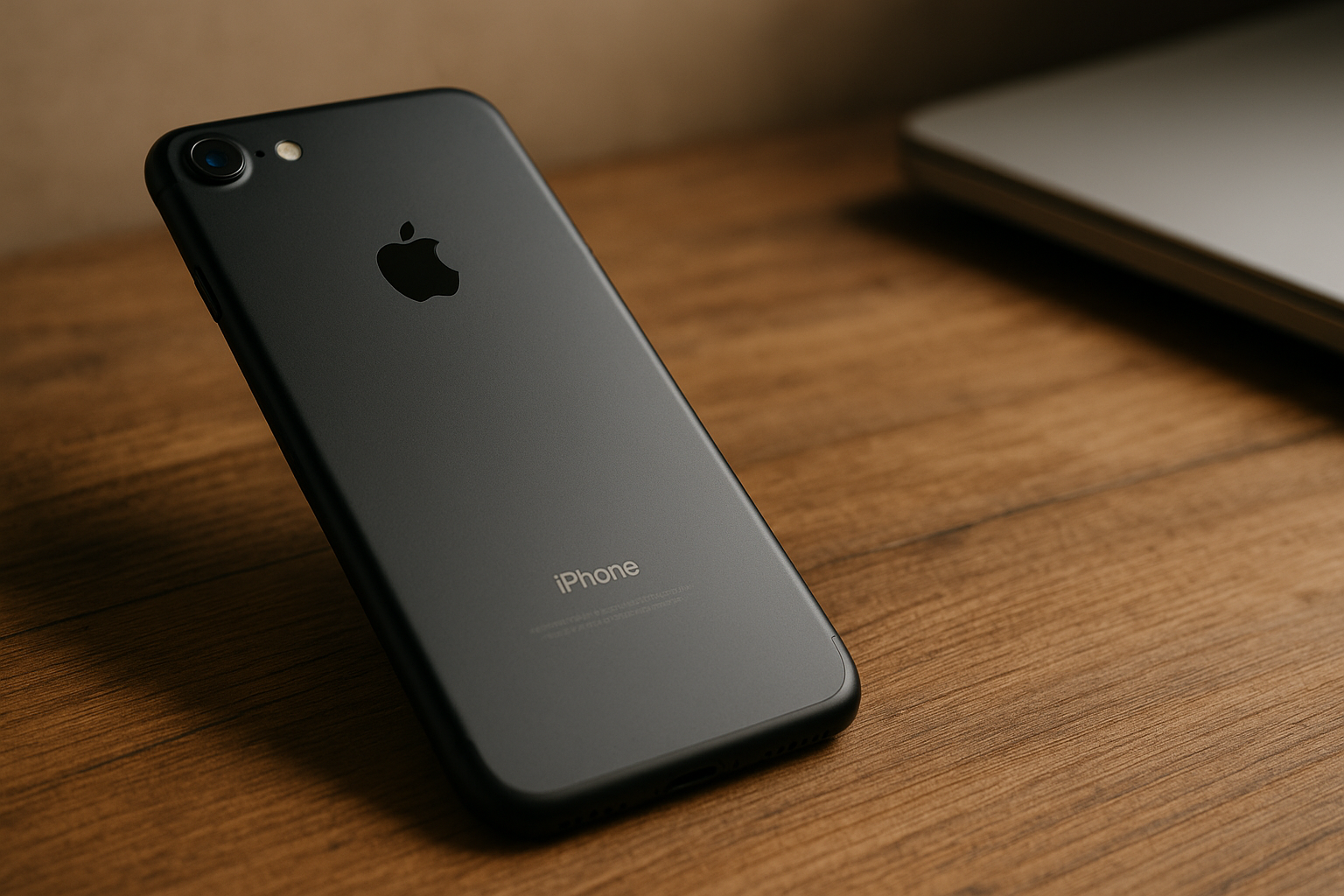
One of the main reasons why the iPhone 7 remains popular is its build quality. The aluminum casing and refined design give the device a premium look, while also being robust enough for daily use. The introduction of colors such as black and jet black appealed to a wide audience, and this model was the first to be officially declared water and dust resistant according to IP67 certification.
In addition, the iPhone 7 stands out due to its performance-oriented hardware. It was equipped with the powerful A10 Fusion chip, which allows for efficient multitasking and extends battery life. This makes this device easily capable of seamlessly supporting daily apps and functions, even years after its release. It was also the first iPhone model without a traditional headphone jack, which was a revolutionary step towards wireless technology.
Finally, the price plays an important role in the continued popularity of the iPhone 7. For consumers looking for a budget-friendly iPhone without making too many compromises on quality, this model remains an attractive choice. This makes it an excellent entry-level model, especially for those who want to get acquainted with the Apple ecosystem.
Design and Build Quality: A Sleek and Durable Design
The iPhone 7 marks a significant step in the design and build quality of Apple's iconic smartphone series. With its emphasis on clean lines, minimalist elements, and improved durability, it clearly distinguishes itself from previous generations. The device features a fully aluminum casing, which is not only aesthetically appealing but also contributes to a solid feel in the hand. The smooth finish and carefully polished edges provide a premium look that Apple users are accustomed to.
One of the most striking design choices is the absence of a traditional 3.5 mm headphone jack. This decision has led to mixed reactions, but it provides more space for internal components and encourages the development of wireless audio equipment. At the same time, wired users are supported with the included Lightning-to-jack adapter. With this change, Apple sets the stage for a future that is increasingly focused on wireless technology.
The Home button also underwent a transformation. In the iPhone 7, the physically pressable button was replaced by a solid-state button with a haptic feedback system, provided by Apple’s own Taptic Engine. This panel offers an intuitive and accurate user experience. In addition, this technology eliminates moving parts, which significantly reduces the chance of wear and tear.
Another important feature of the iPhone 7 is the IP67 certification. This means that the device is dust and water resistant, which was introduced for the first time in iPhones. This allows users to worry less about spills or accidental exposure to water. The refinement and durability of the materials enhance the overall quality of life of the device, while the design manages to maintain a balance between aesthetics and functional usability.
Screen Technology: Retina HD Display Explained
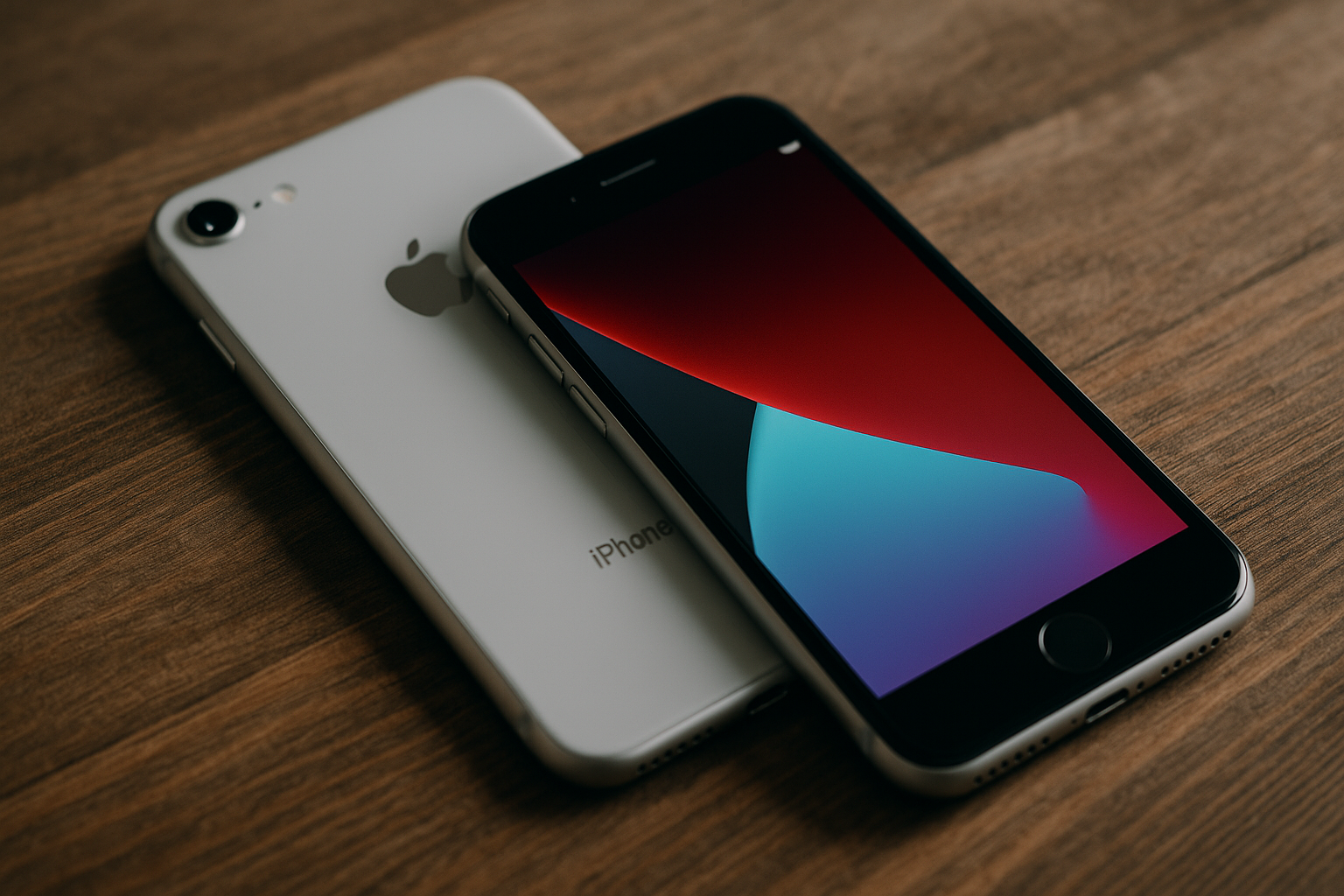
The iPhone 7's Retina HD display marks a significant step forward in screen technology and visual performance. This screen combines advanced innovations to provide users with a sharp, colorful, and lifelike viewing experience. The resolution of 1334 x 750 pixels at a density of 326 pixels per inch ensures images that are clear and detailed, allowing text, photos, and videos to come into their own effortlessly.
The iPhone 7 uses a wider color spectrum (P3), which means the display can reproduce a wider range of colors. Users experience richer, more realistic shades, especially visible in photos and videos taken with the device's cameras. In addition, support for True Tone technology ensures dynamic adjustment of the white balance based on ambient light. This results in a natural display that is less strenuous on the eyes, regardless of the lighting conditions.
The Retina HD display also includes an improved brightness level, making the screen up to 25% brighter than its predecessors. This makes it easier to view the screen in direct sunlight or brightly lit environments. At the same time, the contrast level remains impressive, thanks to a ratio of 1400:1, which guarantees deep black and pure white.
The display is also protected by a layer of oleophobic coating, which effectively minimizes fingerprints and smudges. This ensures that the visual integrity of the screen is maintained, even with daily use. With these technological advances, the Retina HD display distinguishes itself as an integral part of the overall iPhone 7 experience.
Camera Equipment: The New Standard in Smartphone Photography
The iPhone 7 introduced significant improvements in the field of smartphone photography, thereby revising industry standards. Apple equipped the iPhone 7 with a 12-megapixel main camera that raised both sharpness and color reproduction to a higher level. Thanks to optical image stabilization, taking photos in low-light conditions became much easier, with less chance of blur due to shaky hands.
A striking feature of the camera was the wide ƒ/1.8 aperture. This allowed for more light to enter, which offered significant advantages, especially in night photography and indoor photography. In addition, Apple improved the LED flash with a 4-LED True Tone Flash, which produces more dynamic and natural light, even when shooting in complete darkness.
The improvements were not limited to still images. The iPhone 7 offered the possibility to film in 4K resolution at 30 frames per second, which led to razor-sharp video quality. For slow-motion fans, there was support for video recording at 120 or 240 frames per second in 1080p or 720p respectively.
At the front, Apple introduced an improved 7-megapixel FaceTime HD camera. With support for wider color registration and automatic image stabilization, selfies became sharper and more detailed. In addition, the higher resolution also improved video calls, giving users a clearer and more lifelike experience.
Finally, the software integration testified to the power of the device. Thanks to advanced image processing, users could effortlessly benefit from functions such as automatic HDR and live photos. All this made the iPhone 7 a reliable companion for both casual and serious photographers, regardless of the circumstances.
Performance and Hardware: The Power of the A10 Fusion Chip
The iPhone 7 is equipped with the A10 Fusion chip, which represented a major breakthrough in mobile technology at the time of its introduction. Apple developed the chip specifically to deliver improved performance while significantly reducing energy consumption. This combination ensured a flawless user experience and longer battery life, an essential feature for both daily users and anyone who relies on heavy applications on their mobile device.
The A10 Fusion has an innovative four-core architecture. Two powerful cores are optimized for intensive tasks such as playing graphically intensive games, editing videos, and running complex business apps. The other two cores are energy-efficient and designed to efficiently manage low-load tasks such as emailing or surfing the web. This dual system seamlessly switches between cores, depending on usage, without the user noticing.
With this advanced chip, the iPhone 7 delivers performance that is up to 40% faster than its predecessor, the iPhone 6s. GPU performance is also leading, resulting in a brilliant display of graphical elements and high frame rates in apps and games. In addition, the A10 Fusion supports advanced machine learning algorithms, which laid the foundation for features such as facial recognition and apps that use artificial intelligence.
The hardware is also optimized for efficiency, with better heat dissipation and more stable performance. This balance between speed and power management has shown that the iPhone 7 flawlessly combines innovation and functionality, which was far ahead of its time.
Software and Updates: The Evolution of iOS on the iPhone 7
The introduction of the iPhone 7 in 2016 marked a significant milestone for Apple in terms of both hardware and software. At launch, the iPhone 7 ran on iOS 10, an operating system that brought several new features, such as improvements to Siri, a redesigned Lock Screen, and the introduction of the HomeKit app. This software laid a solid foundation for long-term support from Apple.
The life cycle of the iPhone 7 was characterized by multiple iOS updates, each adding new functionalities and further optimizing performance. The transition to iOS 11 brought a more streamlined Control Center and improvements to multitasking. This version also introduced augmented reality functionality, allowing users to experience AR apps without additional hardware.
With iOS 12, the emphasis was on performance improvements, especially for older devices such as the iPhone 7. This update also brought Screen Time, which allowed users to better monitor their phone and app usage, as well as an improved notification system. iOS 13 added a dark mode to the system, as well as improvements to privacy features, such as Sign in with Apple.
Although the iPhone 7 likely reached the end of its software support with iOS 15, the model remains impressive due to years of compatibility. Apple's commitment to multi-year support ensured that users had access to security updates and new features long after the phone's introduction. For a relatively old smartphone, the iPhone 7 remains relevant in user experience and functionality.
Battery Life and Efficiency: How Does This Model Perform in 2023?
The iPhone 7's battery life was a significant improvement compared to its predecessors at its launch in 2016. Thanks to the introduction of the energy-efficient A10 Fusion chip and software optimizations, the device offered a battery life that met the expectations of many users at the time. However, in 2023, it is important to evaluate how this efficiency holds up compared to modern smartphones.
The original iPhone 7 battery has a capacity of 1960 mAh. While this was sufficient for average use at the time, this capacity pales in comparison to the batteries of recent models in 2023, which often have more than 4000 mAh. The difference is particularly noticeable in tasks that require a lot of energy, such as longer sessions of video streaming, gaming, or navigation apps. Users report that the battery can now only offer a fraction of its original lifespan in most cases, especially if the battery has not been replaced since purchase.
iOS updates also play a crucial role in battery efficiency. Although Apple usually introduces optimizations with new iOS versions, older devices are often more heavily burdened by new features. This can lead to increased power consumption on the iPhone 7. Many models are now running on iOS 15 or 16, the latest compatible versions, but this software can cause the device to need to be charged more often.
Despite these limitations, some users choose to replace the battery. After replacement, many devices can show significant improvements in battery performance. For those who still use the device in 2023, sparingly using multitasking and an optimized battery setting remain essential to maximize lifespan.
Water Resistance: The Introduction of IP67 Certification
With the launch of the iPhone 7, Apple integrated water and dust resistance into its popular smartphone series for the first time. The device received official IP67 certification, which was a significant achievement for users who want to better protect their device against everyday accidents and exposure to moisture. This certification reflects stringent international standards that determine how well a device withstands dust and water.
The IP67 rating offers protection against dust penetration and short-term immersion in water, according to the specifications. The number “6” stands for complete protection against the penetration of dust particles, while the number “7” indicates that the device can be immersed in water up to 1 meter deep for a maximum of 30 minutes without damage. This offers reassuring security for users in situations such as rain, spills of liquids, or even accidentally dropping the phone in water.
Although the IP67 certification offers impressive capabilities, Apple emphasizes that their water resistance technology is not a permanent state. User documentation explains that wear and tear and normal damage can reduce the protective properties over time. In addition, water damage and moisture damage are not covered by Apple's standard warranty, an important point for users to keep in mind.
Practical advantages include protection during outdoor activities, minimizing risks in unforeseen circumstances, and peace of mind for daily users. This technological prospect paved the way for future iPhone models to offer even better and more robust resistance to external factors. The introduction of IP67 marked a significant step in the evolution of smartphone design and durability.
Storage Options and Capacity: Which Variant Suits You?
The iPhone 7 offers various storage capacities to meet diverse user needs. Instead of the traditional 16 GB option, Apple introduced higher entry-level models with the iPhone 7, giving consumers more flexibility in their choice. The available variants are 32 GB, 128 GB, and 256 GB, each tailored to specific needs and usage patterns.
The choice of the right storage capacity is closely related to how the user will use their iPhone. For those who mainly use the iPhone for basic functions, such as calling, texting, and surfing the internet, the 32 GB variant may be sufficient. This option is suitable for light users who do not store an abundance of apps, photos, or videos.
The 128 GB model, on the other hand, is ideal for those who use their phone more intensively, for example for taking high-resolution photos, regular streaming, or downloading extensive apps and games. This option provides a balance between storage space and price, making it a popular choice among users.
Multimedia enthusiasts, such as people who record many videos in 4K or want to take an extensive music and film library with them, are best advised to choose the 256 GB variant. It offers sufficient capacity for large files and ensures that there is rarely a lack of space, even with prolonged use.
When selecting the storage option, it is important to consider that the iPhone 7 does not offer expandable storage via microSD cards. This means that the initial choice is crucial for the future user experience.
Accessories and Compatibility: Farewell to the Headphone Jack
With the introduction of the iPhone 7, Apple took a bold step by removing the traditional 3.5mm headphone jack. This decision marked a significant shift in how users connect headphones and accessories to their device. Instead of the familiar jack, Apple introduced the Lightning port as a replacement, encouraging users to explore new access methods.
New Standards and Included Accessories
To facilitate the transition, Apple launched the iPhone 7 with a pair of EarPods that connect via the Lightning port. In addition, Apple provided each box with a Lightning-to-3.5mm adapter, which kept traditional headphones compatible. This addition temporarily gave consumers the option to continue using their existing audio accessories without the need for immediate investment in new equipment.
Focus on Wireless Listening
The removal of the headphone jack was also a clear move to encourage wireless technology. In the same period, Apple introduced the first generation AirPods, a completely wireless solution that seamlessly integrated with the iPhone 7. Bluetooth headphones thus gained a prominent place in Apple's ecosystem, while users were encouraged to embrace wireless listening as the new norm.
Advantages and Challenges
Removing the 3.5mm jack offered advantages such as improved water resistance and the ability to design thinner devices. However, this decision also drew criticism. Users complained about the dependence on adapters and the limitation of simultaneously charging and listening via the Lightning port. For some consumers, adapting to these changes was a bumpy road.
Although this choice was controversial at the time, it reflects Apple's commitment to advancing technology and setting new industry standards.
Nostalgia and Impact: Why the iPhone 7 Remains an Iconic Model
The iPhone 7, released in September 2016, marked a turning point for the world of smartphones. This model is often praised for its influential choices and the legacy it has left behind. Even years after its release, it evokes a sense of nostalgia among enthusiasts and tech experts alike, partly due to the innovations and controversies it introduced at the time.
One of the most discussed changes was the farewell to the 3.5mm headphone jack. With this, Apple delivered a bold message: wireless technology would be the future. This decision was initially met with skepticism, but ultimately paved the way for devices such as AirPods and other wireless accessories. It not only demonstrates a forward-thinking vision, but also illustrates the iPhone 7's influence on industry standards.
The design of the iPhone 7 has also contributed to its iconic status. The introduction of the new 'Jet Black' color came with a glossy and sleek finish, giving the device a premium look. In addition, the iPhone 7 offered improved water resistance – an innovation that was rare in the market at the time. Such features increased the reliability and durability of the device, leading to widespread acceptance among consumers.
With the renewed A10 Fusion chip, the iPhone 7 delivered exceptional performance for its time. This processor provided better energy efficiency and higher speeds, giving users a more consistent and smoother experience. Moreover, the camera experience was a big step forward. Thanks to optical image stabilization and improved sensors, the model offered superior photo quality, which gained popularity among smartphone photographers.
Finally, the iPhone 7 embodies the beginning of Apple's transformation towards streamlined technology and minimalist designs. It is not just a device, but a product that has set trends, redefined functionality, and inspired people everywhere to push technological boundaries. This lasting impact ensures that the iPhone 7 retains a special place in the history of the iPhone series.
Tips for Purchasing in 2023: Second-hand or Refurbished iPhone 7
When choosing between a second-hand or refurbished iPhone 7 in 2023, it is important to weigh several factors. Both options offer advantages, but they differ in terms of reliability, warranty, and price. By taking the right information into account, a conscious choice can be made when purchasing.
Consider Refurbished if Reliability is Important
A refurbished iPhone 7 is thoroughly checked and cleaned by professional sellers and often comes with a warranty. This makes it a safer choice for buyers who value peace of mind and the certainty of a well-functioning device. Refurbished models are usually supplied with a new battery and, where necessary, replaced parts, such as the screen. This significantly extends the life of the phone. In addition, the packaging is usually complete, including chargers and accessories.
Second-hand: Budget-friendly, but with Risks
A second-hand iPhone 7 can be significantly cheaper, but it entails more uncertainty. Unlike refurbished devices, second-hand devices are often sold as they are, without warranties or professional checks. The risk of hidden defects exists, such as a deteriorated battery, damaged buttons, or cosmetic damage. When purchasing a second-hand model, it is wise to inspect the device thoroughly and, if possible, test it before the transaction is completed.
Pay Attention to Crucial Aspects
For both refurbished and second-hand purchases, it is advisable to pay attention to a few important points:
- Check the storage capacity: Make sure the capacity is sufficient for daily use.
- Ask about battery performance: Inquire specifically about the condition of the battery.
- Check technical specs: Ensure that the phone is compatible with the current iOS version.
Good preparation and a critical eye help avoid disappointments and ensure a purchase that meets expectations.