Free shipping from 300,-
Guaranteed 15 days not satisfied, money-back guarantee
Ordered before 12 AM, Shipped today
25951 reviews

Remarkt News

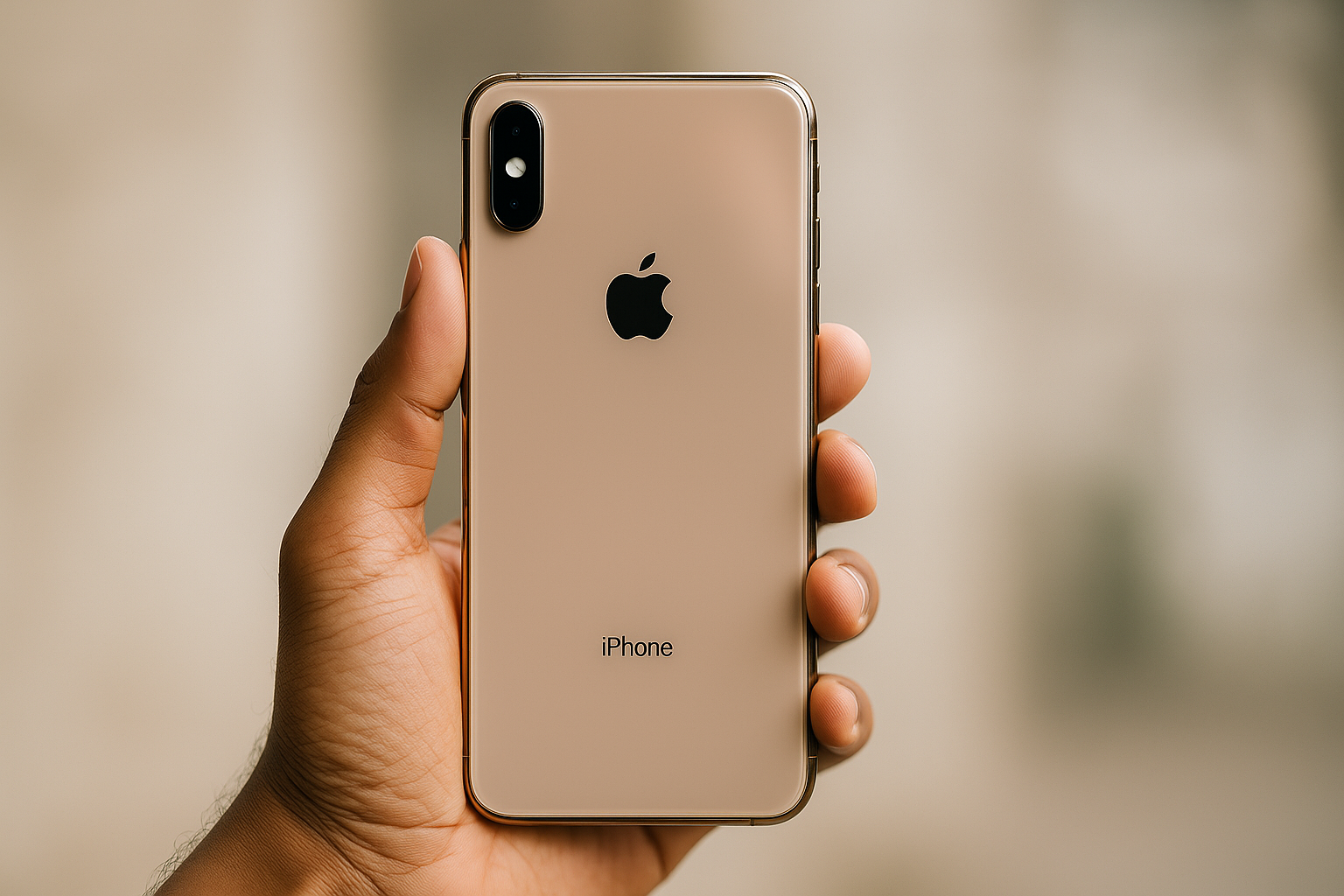
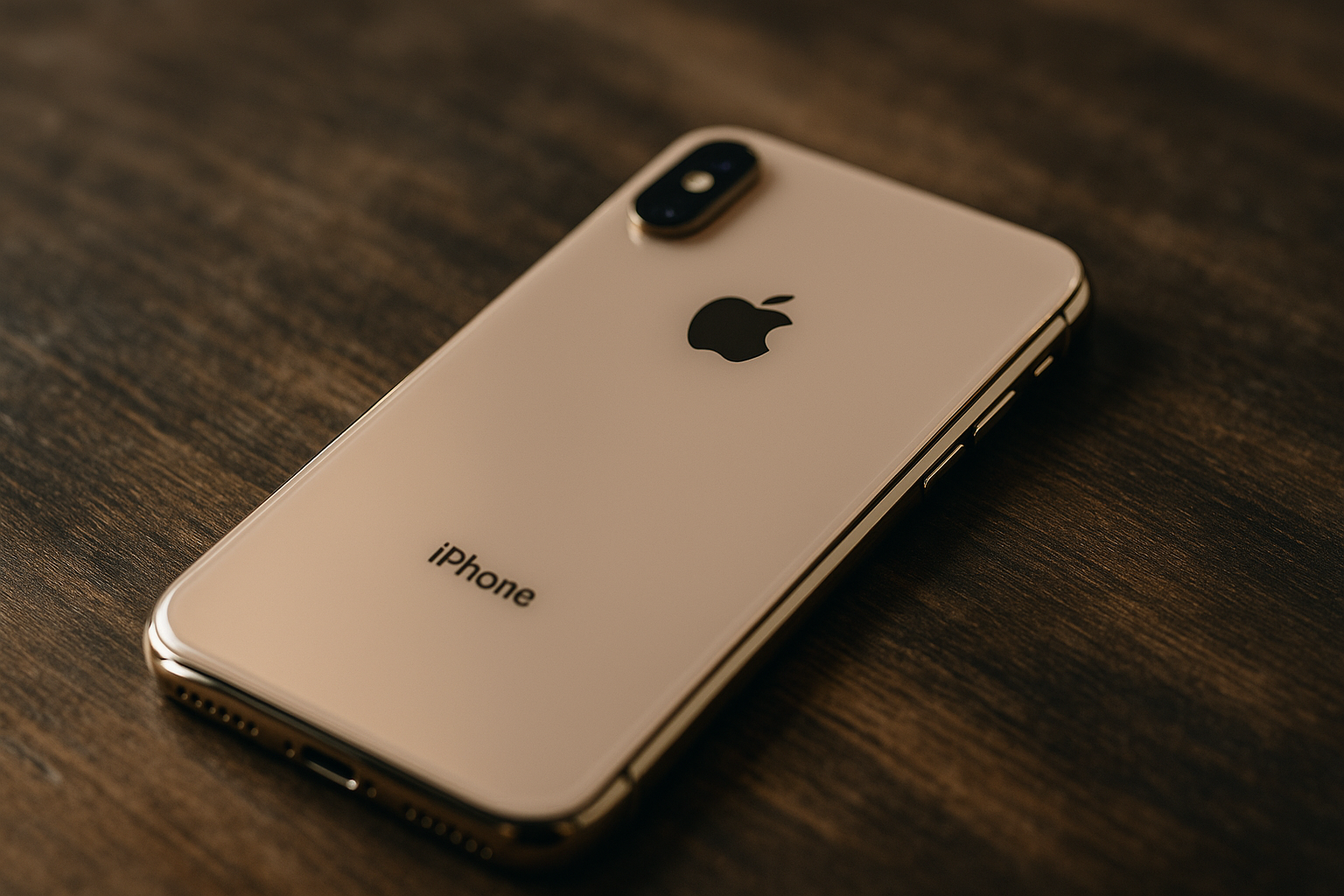
Discover the iPhone 12 Pro - All specs.

The iPhone 12: Everything you need to know for your next upgrade

Introduction: Why choose the iPhone 12?

The iPhone 12 offers a perfect balance of power, design, and technology, with improved cameras and an OLED display. Everything you need to know about this device can be found here. Read all the details about the iPhone on this page.

The iPhone 12 represents a significant step forward in technology and design, making it an attractive choice for smartphone users who strive for innovation and reliability. The device is designed with a sleek, modern design that is both practical and stylish, and offers improvements on several fronts that meet the needs of the modern user.

The iPhone 12 impresses with its more powerful A14 Bionic chip, which not only delivers faster processing, but also works more energy-efficiently compared to previous generations. Examples of applications include smoother multitasking, faster app launches, and an improved gaming experience, which is especially important for users who use their smartphone intensively.

Another significant advantage is the introduction of Super Retina XDR displays on all models of the iPhone 12 series. This provides more vibrant colors, sharper details, and a better viewing experience, whether watching videos, editing photos, or reading text. The Ceramic Shield on the front also offers four times better drop resistance, making the device more durable than previous models.

In terms of connectivity, the iPhone 12 supports 5G networks, enabling super-fast download speeds and making buffer-free streaming a reality. The compatibility range with advanced network capabilities makes it future-proof for users who want to stay in touch with the latest technological trends.

In addition, Apple demonstrates its commitment to the environment through more compact packaging and a reduced CO2 footprint, which will certainly appeal to environmentally conscious users. This mix of performance, design, and environmental awareness highlights why the iPhone 12 is a striking choice for the consumer.

Design and build quality: A new standard

The iPhone 12 sets a new standard in design and build quality within the smartphone market. With its flat edges, inspired by the iconic design of the iPhone 4 and 5, the device offers a modern and sleek look. The frame is made of aerospace-grade aluminum, which offers a balance between robustness and light weight. The front of the iPhone 12 is protected by the revolutionary Ceramic Shield, a material that, according to Apple, is four times more resistant to drops than traditional glass.

A striking improvement is the introduction of a Super Retina XDR display, which perfectly complements the flat edges and offers an almost bezel-less viewing experience. The OLED screen delivers vibrant colors, deep blacks, and high brightness, guaranteeing an impressive visual display. The device is as functional as it is beautiful, with IP68 water and dust resistance that protects against unforeseen circumstances, such as spills or rain showers.

The compact, yet robust form factor of the iPhone 12 goes hand in hand with sustainability. Apple has used 100% recycled rare earth metal for the magnets in the housing, as part of its commitment to environmentally friendly production. The device is available in five striking color variants, including blue, green and the classic Product(RED), allowing users to emphasize both style and personal preference.

Innovation, functionality, and aesthetics come together to create a smartphone that not only meets today's expectations, but also exceeds them.

Screen technology: Super Retina XDR explained

The iPhone 12 introduces Super Retina XDR technology, a major step forward in screen quality and technology. This advanced OLED display delivers impressive brightness, accurate colors, and impressive contrast ratios. The screen offers a resolution of 2532 x 1170 pixels on the 6.1-inch display, which means a pixel density of 460 ppi. This guarantees sharp details and a lifelike viewing experience.

Features of Super Retina XDR

  • OLED technology: Unlike traditional LCD screens, Super Retina XDR uses OLED. This results in deeper blacks because individual pixels can be completely switched off when they do not need to emit light. This achieves an infinite contrast ratio.
  • Brightness and HDR: The screen achieves a typical maximum brightness of 625 nits and peaks at 1200 nits with HDR content. This makes it perfect for viewing HDR10 and Dolby Vision content, where both the darkest and brightest details remain clear.
  • Wide color spectrum: With support for the P3 color gamut, the display offers true-to-life, vibrant colors that are ideal for photography and video.
  • True Tone technology: Thanks to a sensor-based system, the screen adjusts the color temperature based on the ambient light. This reduces eye strain and provides a consistent viewing experience.

Protection and durability

In addition to the impressive visual performance, the Super Retina XDR features the Ceramic Shield. This technology offers four times better drop protection compared to previous models, without affecting the visual properties of the screen. This makes the iPhone 12 not only attractive, but also reliable.

The Super Retina XDR demonstrates Apple's commitment to combining both aesthetics and performance. It is a display that meets the expectations of both professional users and casual viewers, thanks to a combination of innovation and technology.

Camera capabilities: Twice the creativity

With the introduction of the iPhone 12, Apple once again offers groundbreaking technology that elevates creativity to a higher level. The dual camera setup on the back includes a 12 MP wide-angle and an ultra-wide-angle camera, allowing the user to capture impressive images. This configuration opens up a world of creative possibilities for both photography and videography.

The wide-angle camera features a larger ƒ/1.6 aperture, allowing 27% more light to be captured compared to the previous generation. This results in sharper, brighter shots, even in low light. The images remain detailed and realistic, regardless of the conditions. The ultra-wide-angle camera, with a 120-degree field of view, gives users the opportunity to take breathtaking panoramas and group photos without compromising image quality.

For nighttime adventures, Night mode is now available on both lenses. This allows users to take bright and vibrant photos, even in dark environments. In addition, Deep Fusion technology adds extra detail by combining multiple images into a perfectly optimized photo. This makes each shot not only sharper, but also richer in texture and color.

The video capabilities are equally impressive. With Dolby Vision HDR, the user can make film-quality recordings, complete with vibrant colors and an excellent dynamic range. These images can be edited directly on the iPhone itself, which offers unique flexibility.

With the iPhone 12, creative freedom is easily accessible. The combination of advanced photography and video technology ensures that users can share their stories in a whole new way. Additional capabilities enhance individual expression and provide room for experimentation.

Performance and speed: Powered by the A14 Bionic chip

The iPhone 12 is powered by the impressive A14 Bionic chip, a technological masterpiece developed by Apple. It is the first chip in the smartphone world to be built on a 5-nanometer process, resulting in unparalleled speed and efficiency. This advanced architecture makes it possible to integrate more transistors, resulting in better performance without consuming extra energy.

With the A14 Bionic chip, the iPhone 12 not only delivers higher CPU and GPU speeds, but also significantly improves machine learning capabilities. The 16-core Neural Engine enables complex calculations, such as image and speech recognition, at unprecedented speeds. This means that apps respond faster, multitasking runs smoother, and augmented reality applications are displayed more realistically.

The chip effortlessly supports demanding games and graphically intensive applications. Thanks to the integrated 4-core GPU, images are displayed more smoothly, and colors appear more vibrant. This is especially noticeable with 3D games or when editing photos and videos, where every pixel remains razor-sharp.

Another important advantage of the A14 Bionic is its energy efficiency. Even with the increased performance, this chip contributes to a longer battery life, which is essential for intensive users. The chip is also prepared for future-proof technology such as 5G, making downloads and streaming even faster.

This performance marks a significant step forward, benefiting both professionals and everyday users. In short, the A14 Bionic chip raises the bar for what a smartphone experience can offer.

5G support: Ready for the future

The iPhone 12 introduces 5G support, a major step forward in connectivity. With this technology, Apple offers users access to blazing-fast download speeds, improved network quality, and minimal lag. This makes the iPhone 12 particularly suitable for intensive applications such as high-definition streaming, online gaming, and video conferencing.

With support for both sub-6GHz and mmWave 5G, the iPhone 12 is designed to work worldwide on various 5G networks. Apple has also collaborated with providers to deliver optimized performance, depending on the network coverage in your region. This means that users can get the most out of their subscription, regardless of where they are.

The iPhone 12 uses an innovative “Smart Data Mode”. This feature ensures that the device only switches to 5G when it is really necessary, such as with heavy data applications. During less intensive tasks, the phone automatically switches back to 4G LTE to save battery power. This smart data management offers a better balance between speed and energy efficiency.

With the growing rollout of 5G networks worldwide, the iPhone 12 is a forward-looking choice. Consumers considering an upgrade today will not only see improvements in their current network experience, but are also prepared for further technological developments. The combination of powerful hardware and advanced software ensures that 5G usage runs smoothly. For users, this is a step into a new era of mobile connectivity, where speed and reliability go hand in hand.

Battery life and charging speed: What can you expect?

The iPhone 12 offers optimized performance in terms of battery management, thanks to the A14 Bionic chip and improved energy efficiency. Apple promises a battery life comparable to that of its predecessor, the iPhone 11. In normal use, the user can expect a battery life of up to 17 hours for playing videos, 11 hours while streaming video, and up to 65 hours when playing audio. Users who focus on more intensive tasks, such as prolonged gaming or the use of AR applications, will, however, notice that the battery drains faster.

In terms of charging, the iPhone 12 supports fast charging via the Lightning port, provided a USB-C to Lightning cable and a 20W or higher adapter are used. This allows the phone to be charged up to 50% in approximately 30 minutes. For wireless charging, the iPhone 12 uses Apple's renewed MagSafe technology. This enables – in addition to standard Qi charging – a wireless charging capacity of up to 15W, which is faster than previous iPhone models.

It is important to mention that the iPhone 12 no longer includes a charger or earphones in the box to reduce e-waste. Users should purchase these separately, unless they already have a compatible adapter. This makes it essential to choose the right accessories to get the most out of the charging speed.

For daily use, the iPhone 12 offers a solid mix of performance and battery optimization, although intensive users may need to charge more frequently, depending on their needs and usage habits.

iOS and software features: Seamless user experience

The iPhone 12 is powered by iOS, known for its intuitive interface and robust ecosystem. This software not only offers users speed and stability, but also continuity between devices. One of the highlights of iOS is the seamless integration with other Apple products, such as the Mac, iPad, and Apple Watch. This allows users to effortlessly switch between tasks, such as making calls, sending messages, and even transferring files via AirDrop.

With iOS 14, which comes pre-installed on the iPhone 12 but can also be upgraded to later versions, a number of important features have been introduced. Widgets on the home screen offer more personalization options, while the App Library helps to keep the home screen tidy. In addition, Picture-in-Picture allows users to watch videos or make FaceTime calls while using other apps. These features strongly contribute to an efficient user experience.

Another important part of iOS is security. All data is encrypted by default, and features such as Face ID and Private Relay guarantee privacy. In addition, the App Store ecosystem ensures that all applications are thoroughly checked, with minimal chance of malware or security problems. This gives users extra confidence in how their information is protected.

Siri also plays a central role in the iOS experience. With voice-controlled commands, users can send messages, start navigation, and even manage smart devices in their home. In addition, software updates have improved Siri's accuracy and speed, making this virtual assistant even more handy. The combination of these aspects highlights why Apple's iOS software architecture is suitable for a wide range of user needs.

Storage options and prices: Which version suits you?

When choosing an iPhone 12, storage space is an important factor that influences both functionality and price. The iPhone 12 comes in three different storage options: 64 GB, 128 GB, and 256 GB. Each option is designed to meet specific needs, depending on how the phone is used.

Available storage options

  • 64 GB: This is the entry-level option and ideal for users who mainly use streaming services such as Spotify and Netflix, and only want to store a limited amount of photos, videos, and apps locally. This is often chosen by people who use their phone less intensively.

  • 128 GB: For many, this is the golden mean. With twice as much storage as the 64 GB variant, it offers enough space for an extensive photo collection, apps, documents, and some large games. It is suitable for regular users who want to use their phone in a versatile way.

  • 256 GB: This is the choice for those who need maximum storage space. Ideal for users who take a lot of photos and videos in high resolution, regularly download large apps, or use their iPhone for professional work. It also prevents the need to regularly free up storage.

Price overview

The prices for the iPhone 12 vary depending on the chosen storage option. The 64 GB variant has the lowest entry-level price, while the 128 GB option asks for a small surcharge that is often considered justified by the extra storage. The 256 GB variant is the most expensive, but offers the necessary capacity for those who prioritize storage.

By carefully weighing the storage needs, one can make a smart choice for an iPhone 12 that perfectly fits personal needs and budget.

Important comparisons: iPhone 12 vs previous models

The iPhone 12 introduces a range of improvements that distinguish it from previous models such as the iPhone 11, iPhone XS, and iPhone XR. These differences are noticeable in terms of design, performance, screen technology, and camera functionality. Here is an overview of the most important comparisons.

Design and build quality

  • Material choice: The iPhone 12 uses a Ceramic Shield glass, which, according to Apple, is four times more resistant to drops compared to the iPhone 11. The aluminum housing is combined with a flatter edge design, similar to the iPhone 5, instead of the rounder corners of previous models.
  • Weight and thickness: The device is thinner and lighter than the iPhone 11, which provides a more refined and comfortable feel in the hand.
  • Water resistance: The iPhone 12 offers an IP68 rating, but can now be submerged to a depth of 6 meters, a significant improvement over 2 meters with the iPhone 11.

Screen technology

  • OLED screen: Unlike the iPhone 11, which uses a Liquid Retina LCD screen, the iPhone 12 is equipped with a Super Retina XDR OLED screen. This results in better color reproduction, deeper black, and higher brightness.
  • Resolution: The resolution of 2532 x 1170 pixels surpasses the 1792 x 828 pixels of the iPhone 11. This leads to a much higher pixel density and a sharper display.

Performance and battery

  • Chipset: The iPhone 12 contains the A14 Bionic, the first smartphone chip based on a 5nm architecture. This offers up to 50% faster CPU and GPU performance compared to the A13 Bionic in the iPhone 11.
  • Power management: Despite the performance improvements, the iPhone 12 offers a comparable battery life to the iPhone 11 thanks to improved efficiency.

Camera

  • New night mode: Both cameras of the iPhone 12 now support night mode, while this was only available on the main camera with the iPhone 11.
  • Smart HDR 3: This improves the quality of photos in challenging lighting conditions compared to Smart HDR 2 on the iPhone 11.

In addition to these improvements, the iPhone 12 introduces support for 5G, which is missing from older models. This progress is significant for users who want future-proof technology.

Sustainability and accessories: MagSafe and environmentally friendly choices

The iPhone 12 not only brings technological progress, but also places a strong emphasis on sustainability and innovative accessories. Apple's MagSafe technology plays a central role here, along with the conscious efforts to reduce the environmental impact. These aspects make the iPhone 12 not only attractive as a technology product, but also as a responsible choice for the future.

MagSafe is designed for ease of use and flexibility. The magnetic system ensures that chargers and accessories easily snap into place, improving the overall user experience. From wireless chargers to cases and card couplings, MagSafe accessories offer a wide range of options. This innovation also reduces wear and tear on charging ports, contributing to the long-term durability of the iPhone 12. Consumers are therefore encouraged to purchase new devices less often, which ultimately reduces the impact on the environment.

Apple is taking major steps towards environmentally friendly production. The iPhone 12 is equipped with a housing made of 100% recycled aluminum, which reduces the ecological footprint. In addition, Apple does not use harmful substances such as brominated flame retardants and PVC in production. The decision to no longer include a charger and EarPods as standard reduces the amount of electronic waste significantly and allows for smaller packaging, reducing the need for transport.

Conscious consumers also have more and more choice in sustainable third-party accessories. Consider chargers and cases made from biodegradable or recycled materials. And although MagSafe is specifically aimed at Apple products, it also encourages other manufacturers to develop more advanced and sustainable solutions.

With the combination of technology, ease of use, and responsibility, the iPhone 12 makes a clear step towards a more sustainable era.

Tips for choosing your perfect configuration

Selecting the right iPhone 12 configuration requires attention to detail, so that the phone meets all your personal and functional needs. Here are some important factors to consider when making your choice:

1. Storage capacity

The iPhone 12 is offered in various storage options, including 64 GB, 128 GB, and 256 GB. For users who mainly use the phone for basic functions such as calling, texting, and using social media, 64 GB may be sufficient. For those who regularly store photos, videos, or large apps, a larger storage capacity such as 128 GB or 256 GB is recommended. An overestimation can lead to unnecessary costs, while an underestimation can cause frustrations.

2. Color choice

The iPhone 12 is available in a wide range of colors, including black, white, red, green, and blue. Consider here not only your personal taste, but also how well a certain color matches accessories or camouflages scratches and stains. For a more timeless look, classic colors such as black and white remain popular.

3. Screen size and handiness

Although the standard iPhone 12 offers a 6.1-inch screen, users can also opt for the smaller iPhone 12 Mini (5.4 inches) as a more compact option. This size may be attractive to those looking for a phone that is easy to operate with one hand. Alternatively, the iPhone 12 offers a balance between screen size and portability, suitable for a more versatile user experience.

4. Compatibility with accessories

Check if your current accessories, such as chargers, cases, and wireless earbuds, are compatible with the iPhone 12. This can prevent unexpected extra expenses. For fans of MagSafe accessories, this model is an excellent upgrade due to the precise magnetic alignment.

Understanding these aspects can help in making a well-considered decision that suits both your lifestyle and budget.

A look ahead: How the iPhone 12 holds up in 2023 and beyond

The iPhone 12, released in October 2020, remains a relevant choice for many users in 2023. Technological trends are developing rapidly, but this generation of Apple's iconic smartphone manages to keep up surprisingly well. With its timeless design, powerful hardware, and long-term software support, the iPhone 12 continues to perform at a level that is competitive with many newer models.

Performance and iOS support

The A14 Bionic chip, which powers the iPhone 12, remains reliable and fast in daily use. Although newer models such as the iPhone 14 and 15 have more advanced chips, the performance level of the A14 for tasks such as gaming, multitasking, and video processing is still impressive.

Apple's reputation for long-term software support also plays a major role in the lifespan of the iPhone 12. The device is compatible with iOS 17, and future updates will likely support the device until at least 2025. This means users will continue to have access to the latest security features, optimizations, and new features.

Design and durability

The flat design of the iPhone 12, combined with a Ceramic Shield front and aluminum frame, remains both modern and durable. While some newer models make minor design changes, the visual appeal of this model is still relevant. In addition, the water and dust resistance (IP68) is a feature that offers users confidence, even in challenging circumstances.

Capabilities and limitations

While the iPhone 12 does not offer a ProMotion display or a telephoto lens, other features such as the Super Retina XDR display and improved night mode of the camera are robust enough to still be relevant in 2023. However, users should take into account a battery life that, depending on usage patterns, may lag slightly behind newer models.

The iPhone 12 proves its value in 2023 by offering a solid balance between performance, features, and design, even in a market full of innovations.

Conclusion: Is the iPhone 12 your ideal upgrade?

The iPhone 12 brings a range of improvements and new features that will appeal to both current iPhone users and switchers. With the introduction of the Super Retina XDR display, Apple delivers a sharp and vibrant viewing experience, ideal for streaming videos and playing graphically intensive games. In addition, the strong Ceramic Shield offers better drop protection, which is a great advantage for those who use their device intensively.

Support for 5G is one of the most striking additions. This upgrade provides faster downloads, smooth video streaming, and better network quality in busy areas. It is especially relevant for users who are in urban areas where 5G networks are already well rolled out or for those who want to make their new phone future-proof. However, for those who do not have access to 5G, this may be less crucial.

In terms of performance, the iPhone 12 takes a clear step forward thanks to the A14 Bionic chip. This chip guarantees faster multitasking, improved gaming performance, and more efficient energy consumption. Speaking of photography, the improved dual camera setup with Night Mode makes it possible to take impressive, detailed photos even in low light. This is an attractive point for mobile photography enthusiasts.

Finally, MagSafe plays an important role in ease of use. This magnetic accessory function makes charging easier and introduces a new range of accessories, from cases to wireless chargers. However, for those who already have an extensive collection of chargers, the purchase of extra MagSafe accessories can be an additional cost.

Whether the iPhone 12 is the perfect upgrade depends on individual requirements. Those who value speed, future-proofing, and photography will experience this model as a strong choice.
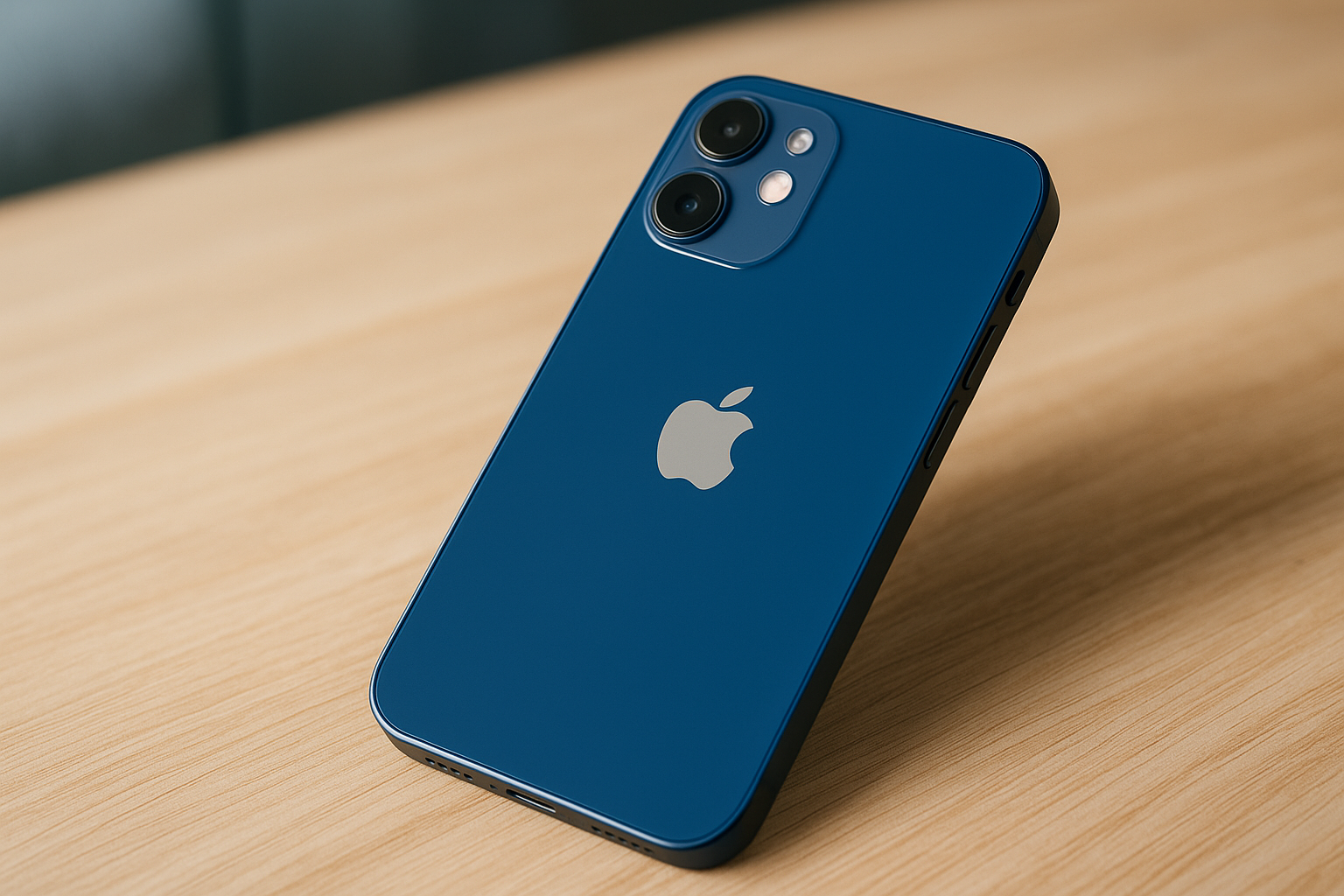
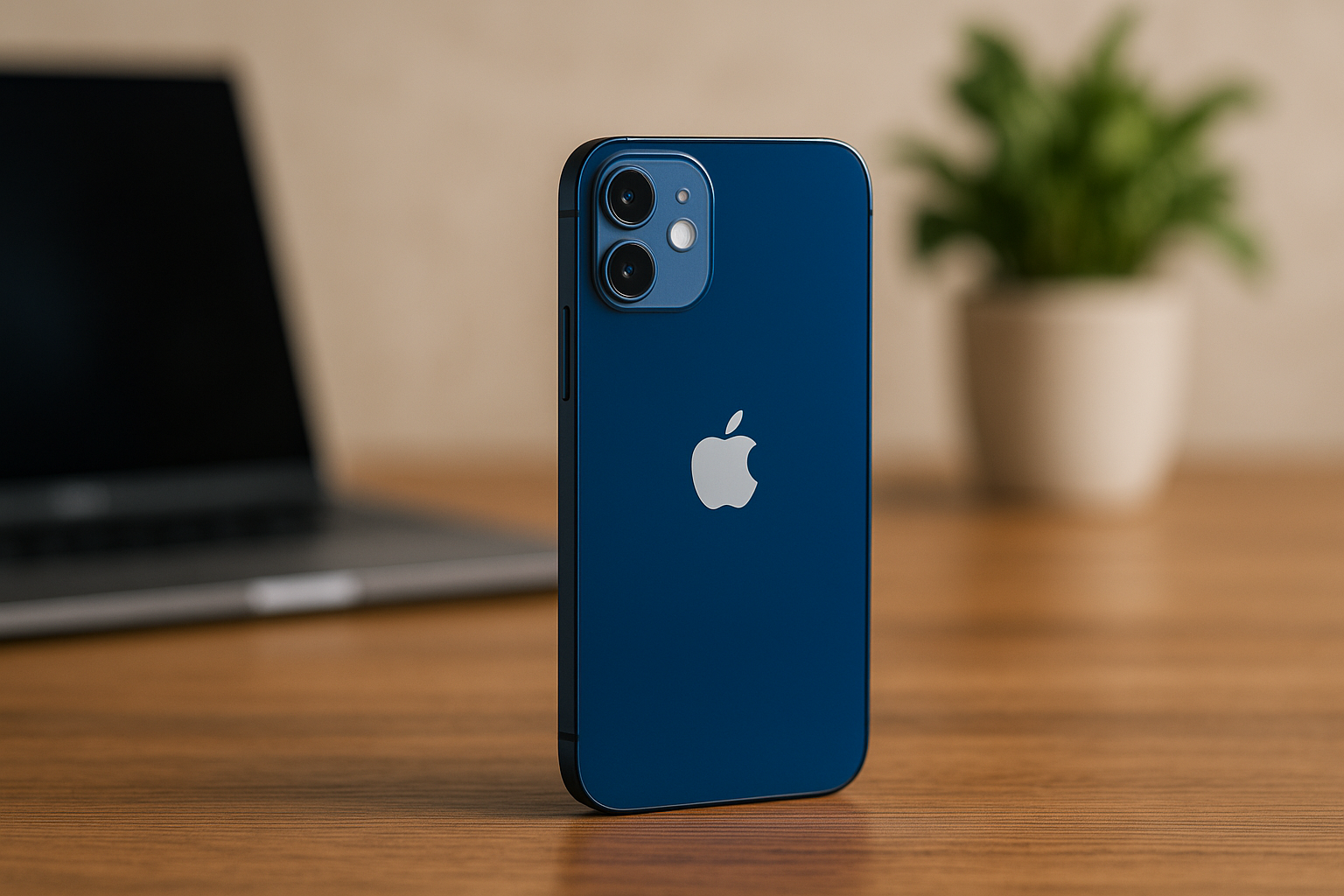
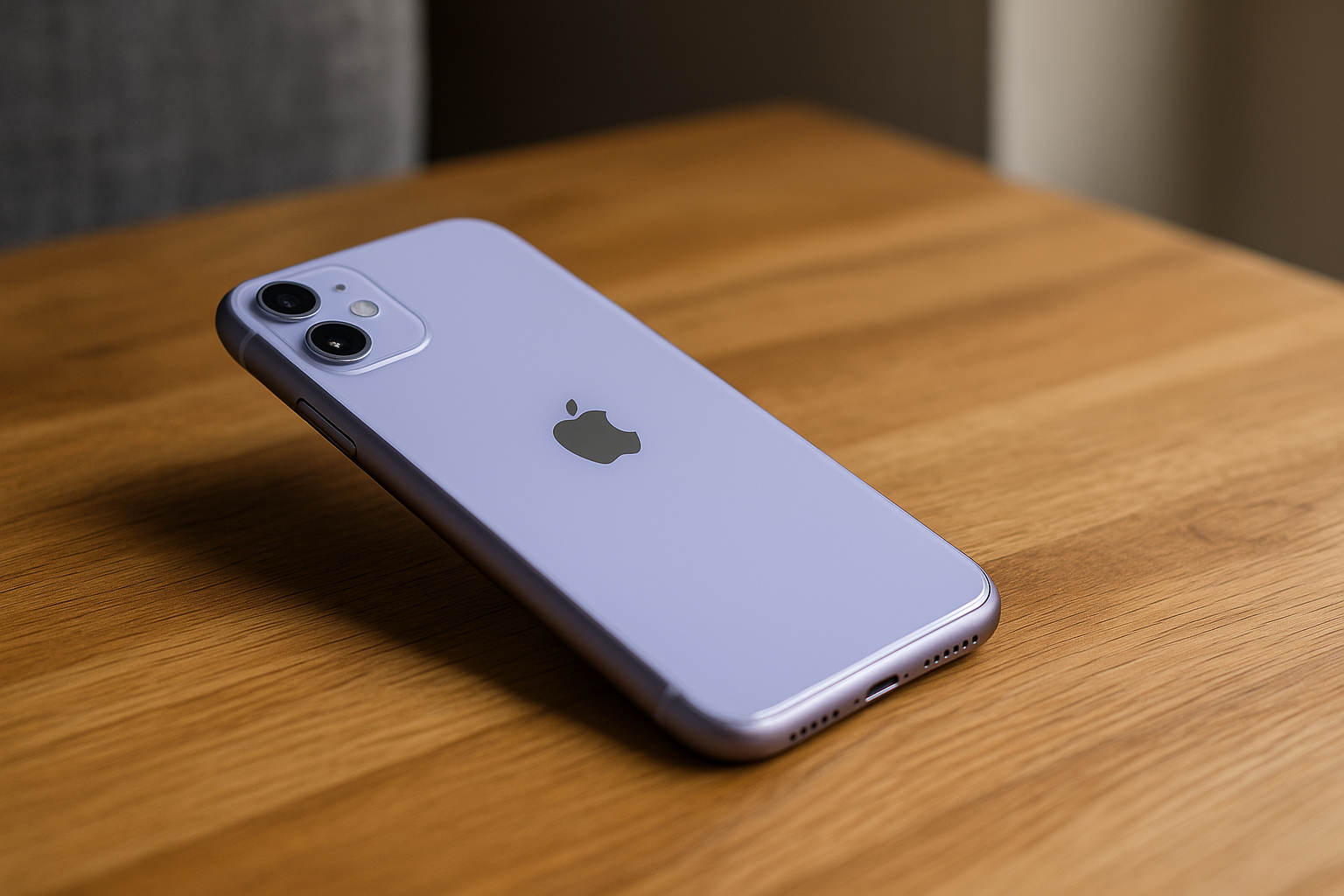
The iPhone 12 - Everything in a row.

The iPhone 12 mini: Compact and Powerful in Your Hand

Introduction: Why the iPhone 12 mini is Unique

The iPhone 12 mini is small in size but big on performance, featuring a powerful A14 Bionic chip and a stunning screen. It's the perfect choice for those who want to combine compact size with powerful performance. Discover more about the iPhone on this page.

The iPhone 12 mini has positioned itself as a unique choice in the world of smartphones. With its compact size and powerful performance, this device breaks with the trend of ever-larger screens, making it an attractive option for users who appreciate functionality and portability. What makes this smartphone unique goes beyond its size. It offers innovative technology packaged in a device that fits comfortably in the hand.

One of the distinguishing features of the iPhone 12 mini is its durable design. Apple has used Ceramic Shield, a material that provides four times better drop protection compared to previous models. In addition, the housing combines aerospace-grade aluminum with a robust matte finish, offering both elegance and sturdiness.

Technically, the iPhone 12 mini impresses with the powerful A14 Bionic chip. This processor is not only energy-efficient but also fast at performing intensive tasks such as gaming and video editing. It's the same chip used in larger iPhone models, making the performance comparable despite the smaller size.

The device also supports 5G connectivity, allowing users to benefit from exceptionally fast downloads and an improved online experience. In addition, the Super Retina XDR display offers a visually rich experience with vibrant colors and deep blacks, perfect for multimedia.

With features such as MagSafe technology and a dual-camera system, equipped with advanced night mode, the iPhone 12 mini combines advanced capabilities with a user-friendly interface. It is a device that offers uncompromising functionality without compromising portability.

Design and Size: Small but Impressive

The iPhone 12 mini immediately stands out with its elegant and compact design, which offers a perfect balance between size and functionality. With a screen size of 5.4 inches, the device is considerably smaller than most modern smartphones, without compromising performance or ease of use. These compact dimensions make the device extremely suitable for users who want a phone that literally fits in the palm of their hand, while still being able to benefit from top technology.

The design of the iPhone 12 mini is inspired by the sleeker shapes of earlier iPhone models, with flat aluminum edges and a ceramic shield on the front. This ceramic shield significantly increases the durability of the screen, making it four times more resistant to drops. At the same time, the combination of glass and metal provides a premium look, while the device remains light and easy to handle. The space saving is particularly valuable without sacrificing aesthetics and sturdiness.

Despite its small size, the iPhone 12 mini offers an edge-to-edge Super Retina XDR display. This ensures vibrant colors, deep blacks and excellent brightness, ideal for viewing photos, videos or playing games. The device weighs only 135 grams, making it effortless to carry in a pocket or bag.

In addition, Apple remains true to environmentally friendly designs. The iPhone 12 mini uses recycled materials in both the frame and the packaging box. This not only highlights attention to detail, but also a commitment to sustainability.

Screen Quality: Super Retina XDR Display in a Compact Format

The iPhone 12 mini impresses with its Super Retina XDR display, a technology that delivers stunning brightness and sharp detail. With a diagonal of just 5.4 inches, the screen offers an optimal balance between portability and visual performance. Despite its small size, the display delivers a resolution of 2340 x 1080 pixels, allowing users to enjoy sharp images and smooth colors.

The OLED screen of the iPhone 12 mini is distinguished by its deep contrast and excellent color accuracy. Black tones are fully displayed, thanks to the OLED's ability to turn off individual pixels, resulting in an exceptional viewing experience. In addition, the screen supports HDR10 and Dolby Vision technology, ensuring realistic images with a high dynamic range.

With a peak brightness of 1200 nits, the screen performs excellently, even in bright sunlight. This makes the iPhone 12 mini ideal for both indoor and outdoor use, whether it's watching videos, editing photos or simply reading text. The display is also equipped with Ceramic Shield glass, which is four times more resistant to damage from drops compared to previous generations.

True Tone technology also plays a major role in improving viewing comfort. This feature automatically adjusts the white balance of the screen to the ambient light, making prolonged use more pleasant for the eyes. Thanks to the support of P3 color rendering, everything on the screen remains vibrant and realistic.

The iPhone 12 mini offers a visual experience that is not inferior to larger models, all packed in a handy and stylish design.

Performance and Speed: The Power of the A14 Bionic Chip

The iPhone 12 mini is equipped with the powerful A14 Bionic chip, the fastest processor Apple has ever developed up to the time of its introduction. This chip, built on a 5-nanometer architecture, sets a new standard for mobile performance and energy efficiency. Thanks to the increased density of transistors, the A14 Bionic delivers not only blazing-fast processing power, but also improved battery performance.

With a six-core CPU and a four-core GPU, the A14 Bionic offers unparalleled speed, ideal for both intensive tasks such as video editing and for everyday applications. Users notice this, for example, when switching smoothly between apps, playing graphically demanding games smoothly, or processing advanced photo effects in the Camera app. Everything runs with unprecedented smoothness and precision.

The Neural Engine in the A14 Bionic chip has 16 cores, making artificial intelligence processes even more efficient. Everyday functions, such as facial recognition with Face ID or optimizing photos, are therefore not only faster, but also more accurate. In addition, this advanced technology plays a crucial role in features such as real-time translation and AR applications.

The A14 Bionic chip's focus on energy efficiency ensures that the iPhone 12 mini is as powerful as it is economical. This translates to better performance without negatively affecting battery life, even with intensive use. Thanks to the optimizations in iOS, the hardware and software work harmoniously together, resulting in a seamless user experience that is unmatched.

Camera Features: Professional Photography in Pocket Size

The iPhone 12 mini proves that greatness doesn't depend on size, especially when it comes to photography. With its advanced camera system, this compact device elevates mobile photography to a professional level. The dual-camera setup includes a 12 MP ultra-wide and wide-angle lens, designed to capture impressive images even in the most challenging lighting conditions.

The ultra-wide-angle lens with a 120-degree field of view makes it possible to easily photograph wide landscapes, architecture, and group photos. In contrast, the wide-angle lens has an impressive aperture of f/1.6, which captures more light for bright and detailed shots, even in low light. Apple's Night mode, available on both lenses, ensures that night-time images are optimized while retaining natural colors and details.

For video enthusiasts, the iPhone 12 mini offers 4K Dolby Vision HDR recordings, a technique that until recently was only used in professional recording studios. Thanks to Smart HDR 3, photos and videos are optimized by making clever adjustments, such as balancing light and shadow and accentuating the finest details. In addition, Deep Fusion, a technology for average lighting conditions, allows users to capture textures and colors with unparalleled precision.

The front camera, also a powerful 12 MP TrueDepth lens, supports features such as portrait mode, slow-motion video, and 4K recordings. This makes the iPhone 12 mini an excellent companion for selfies and video conferencing. With all these features packed into a sleek, handy housing, the iPhone 12 mini offers a photographic experience that is both stunning and versatile.

Battery Life: How Practical is the iPhone 12 mini in Daily Life?

The battery life of the iPhone 12 mini is a topic that raises questions for many users, especially given the compact dimensions of the device. With a smaller housing, a smaller battery is also expected, which can affect performance during a busy day. Apple claims that the iPhone 12 mini can play up to 15 hours of video on a full charge, but how does that translate to the daily use of average users?

In typical situations, the iPhone 12 mini performs reasonably well for its size. For users who mainly use their smartphone for light tasks, such as sending messages, checking emails, and browsing social media, the battery proves to be sufficient. This is partly due to the energy-efficient A14 Bionic chip and the efficient iOS software. However, the device can quickly encounter limitations for users who make more intensive use of their smartphone, such as streaming online videos, gaming, or video recording.

Another point to consider is 5G connectivity. The iPhone 12 mini is fully compatible with 5G networks, which is a clear step forward in terms of technology. However, the continuous use of 5G can have a noticeable impact on battery life, especially when a strong signal is not constantly available. In such scenarios, it is useful that Apple offers an option to automatically switch between 4G and 5G to save energy.

For those considering the iPhone 12 mini, it might be useful to keep a power bank or a fast charger handy, especially if the day is filled with intensive use. All in all, the battery life offers a balanced experience, although it cannot match the larger models in the iPhone 12 series.

iOS Experience: A Large Ecosystem in a Small Phone

With the iPhone 12 mini, the power of the iOS ecosystem is condensed into a compact and handy form. Despite its smaller size, the device offers the same robust software experience as its larger counterparts. iOS is known for its intuitive interface, sleek designs, and seamless optimization, and that is no different here. The iPhone 12 mini runs on iOS 14, which introduces features such as redesigned widgets on the home screen, the App Library, and precise privacy settings.

The iOS ecosystem offers deep integration between Apple devices. Users of an iPad, Mac, or Apple Watch will find that features such as Handoff, AirDrop, and Continuity work seamlessly together. This ecosystem maximizes productivity and convenience, such as instantly taking over phone calls on a Mac or easily switching between devices while using apps such as Safari or Notes. The iPhone 12 mini emphasizes that users do not have to compromise on this integration, despite the smaller hardware.

In addition, the App Store has an endless supply of optimized apps, all precisely tailored to the hardware. Thanks to the A14 Bionic chip, even demanding apps perform smoothly, while iOS software updates are supported for years, guaranteeing durability.

With advanced features such as Face ID, smart notifications, and in-depth privacy controls, iOS remains a benchmark in the industry. The iPhone 12 mini therefore offers an excellent experience, in which the design may be small, but the ambitions are large. This is proof that users do not have to compromise between portability and completeness of the ecosystem.

Comparison with other iPhones and Competitors

The iPhone 12 mini distinguishes itself through its compact size, making it immediately stand out within the iPhone range. Compared to, for example, the iPhone 12 and 12 Pro, the 12 mini offers virtually the same powerful performance, thanks to the A14 Bionic chip used in all models of the 12 series. This makes it just as fast and future-proof as its larger counterparts, while the lighter weight and smaller 5.4-inch screen offer a unique choice for users who prefer a more handy phone. However, the battery life is slightly shorter than that of the larger models, which is a compromise made for the compact design.

Within the market of more compact smartphones, the iPhone 12 mini is in direct competition with devices such as the Google Pixel 5 and Samsung Galaxy S22. The Pixel 5 offers a comparable screen size, but uses a less powerful processor, which can be noticeable with heavy applications such as games or video editing. The Galaxy S22 combines a compact design with a high refresh rate of the screen, but lacks the seamless ecosystem that attracts iOS users.

The unique selling point of the iPhone 12 mini remains the balance between performance, camera functionalities and portability. The dual camera setup with night mode, photographic styles and 4K HDR video is impressive, especially given the small housing. Compared to other compact phones, Apple's software integration offers an unparalleled user experience. For iPhone users looking for a device with all the modern features without the size of larger iPhones, the 12 mini offers an attractive option.

Sustainability and Environmental Friendliness: A Smaller Footprint

The iPhone 12 mini plays an important role in Apple's pursuit of sustainability and a lower environmental impact. The design of this device is largely aimed at reducing the ecological footprint, without compromising performance or user experience. This is reflected in both the choice of materials and production processes.

The device uses 100% recycled rare earth metal in key components such as the Taptic Engine and magnets. In addition, the solder composition of the motherboard contains only recycled tin. Aluminum, one of the primary materials in the housing, is also fully recycled, significantly reducing material consumption and mining impact.

With packaging, Apple has made a strong commitment to plastic reduction. The iPhone 12 mini box is designed with 100% fiber-based materials, sourced from responsibly managed forests and recycled sources. In addition, the standard delivery of chargers and earbuds has been omitted, making the box smaller and lighter. This results in more efficient shipments with less CO2 emissions.

Apple's focus is also on the energy efficiency of the device. The A14 Bionic chip, designed with a 5nm process, offers top performance while minimizing energy consumption. This means the battery lasts longer, and energy is indirectly saved by users.

Transparency is a core value, and Apple regularly publishes environmental information, including lifecycle analyses, to measure and further reduce the impact of their devices. The iPhone 12 mini reflects this commitment, and is therefore not only a technological innovation, but also a step towards a more sustainable future.

Price-Quality Ratio: Is the iPhone 12 mini Worth the Investment?

The iPhone 12 mini is often praised for its compact design and powerful performance, but how does it really measure up when it comes to the price-quality ratio? This device falls into a higher price range, which may cause some hesitation among potential buyers. However, the device offers a unique combination of powerful features within a relatively small housing, something that is rare in the smartphone market.

In terms of performance, the A14 Bionic chip of the iPhone 12 mini delivers blazing-fast processes, comparable to those of its larger siblings in the iPhone 12 series. It is able to run demanding apps and games smoothly and supports 5G connectivity. This makes the device future-proof in terms of network technology. It also has a Super Retina XDR display, which ensures vibrant colors and a sharp resolution. In this segment, the iPhone 12 mini distinguishes itself well.

The camera system is another area where the iPhone 12 mini justifies its price. With an advanced dual-camera setup and features such as Night mode and Deep Fusion, it delivers impressive photos, even in low light. This offers a clear added value compared to many other compact devices.

Battery life, however, can be seen as a weaker point. Due to the smaller size, the battery capacity is more limited, which can lead to more frequent charging with intensive use. This can be a point of attention for users who prioritize long battery life.

When the features are compared to the price, the iPhone 12 mini proves to be a high-quality but specific product. It offers many premium features at a considerable price, and is therefore mainly suitable for people who are looking for a powerful but compact smartphone without compromising on performance or design.

Conclusion: For Whom is the iPhone 12 mini the Perfect Match?

The iPhone 12 mini appeals to a specific target group who are looking for a powerful smartphone without compromising on portability. With its compact size of only 5.4 inches, the device is ideal for people who want a phone that is easy to operate with one hand and fits effortlessly in a pocket or small bag. This makes the device attractive to users who are often on the go and do not want to compromise on comfort.

In addition, the iPhone 12 mini is perfectly suited for lovers of high-quality technology in a smaller package. Thanks to the A14 Bionic chip, the mini offers the same performance as its larger brothers, such as the iPhone 12 and 12 Pro. This makes the device particularly interesting for users who want to perform demanding tasks, such as mobile gaming or photo and video editing, without having to carry a large device.

For photography enthusiasts looking for a compact device, the iPhone 12 mini offers an excellent dual-camera setup. With features such as Night mode and 4K HDR video recordings, it is a powerhouse in a handy size. This makes the device ideal for people who often take photos but don't want to carry a separate camera.

People who value sustainability will also appreciate Apple's environmentally friendly approach. The use of recycled materials and the more compact packaging contribute to a lower ecological footprint, which can be important for conscious consumers.

With a wide range of color options, the device also suits users who value style and personalization, while the price appeals to people who want top quality without the high price tag of Pro models.

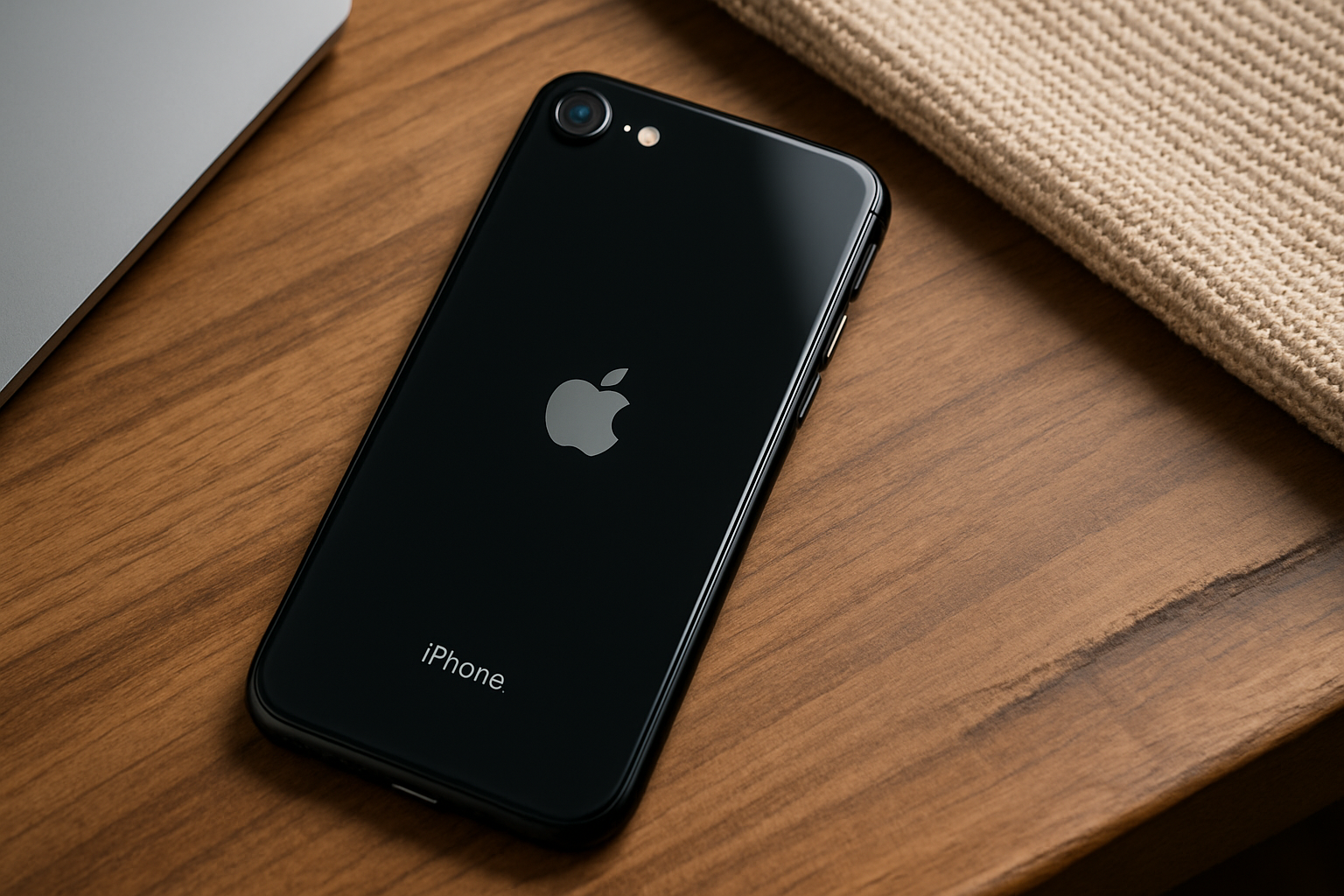
The iPhone 12 mini - Compact and powerful.

The iPhone SE (2nd generation): Everything You Need to Know

Introduction to the iPhone SE (2nd generation)

The iPhone SE (2nd generation) offers powerful performance in a compact size. This device is ideal for anyone wanting an affordable iPhone with top technology. Discover all the facts and details about the iPhone on this page.

The iPhone SE (2nd generation), introduced in April 2020, marks a striking balance between modern technology and classic, familiar design ethics. With this smartphone, Apple has created an option aimed at users who want the latest performance, but in a compact size and at an affordable price. Designed with attention to both functionality and accessibility, the 2nd generation iPhone SE has much to offer in terms of hardware, software, and user experience.

With a 4.7-inch Retina HD display, the device is visually similar to the iPhone 8, but it's what's inside that really stands out. The phone contains Apple’s powerful A13 Bionic chip, the same processor as in the high-end iPhone 11 models. This chip not only offers a fast response and smooth performance but also enables advanced features such as machine learning. This results in improvements in photography, apps, and general system use.

The iPhone SE (2nd generation) also has an improved camera system: a single 12 MP rear camera with support for Portrait mode, Smart HDR, and 4K video recording. On the front is a 7 MP selfie camera compatible with portrait features. In addition, the phone benefits from the newer iOS versions, ensuring long-term software support.

In terms of security and privacy, the device uses Touch ID, integrated into the classic home button. This not only retains user-friendly functionality but also offers an alternative for users who find Face ID less appealing. In addition, the design is water and dust resistant thanks to IP67 certification, ensuring extra durability in everyday situations.

Design and build quality: Classic meets modern

The iPhone SE (2nd generation) brings a unique harmony between classic design and modern functionality. The device has an appearance strongly reminiscent of the iPhone 8, with its aluminum frame and a back made of sturdy glass. This combination of materials not only offers durability but also gives the device a premium look. The compact size is a breath of fresh air for users who prefer a small and handy phone, especially in a market dominated by large screens.

With a screen size of 4.7 inches, the SE distinguishes itself from other models in the iPhone range. The Retina HD display provides sharp, vibrant colors and an excellent viewing experience, despite the smaller size. The physical home button with Touch ID is a nostalgic element that users of older iPhones will appreciate. At the same time, this classic design offers familiar and intuitive navigation.

Apple has paid a lot of attention to build quality. The IP67 rating ensures that the device is resistant to dust and water, meaning it can withstand immersion up to 1 meter deep for 30 minutes without problems. The glass used is the same hardened material as on the back of the more expensive models, contributing to the overall strength of the phone.

Despite the classic form factor, modern elements have been incorporated, such as wireless charging and support for long-term software updates, with which Apple has achieved an admirable balance between tradition and innovation. The design therefore appeals to both loyal fans of classic iPhones and new users.

Display: What can you expect from the screen?

The iPhone SE (2nd generation) comes with a 4.7-inch Retina HD display, which uses LCD technology. With a resolution of 1334 x 750 pixels and a pixel density of 326 ppi, the screen offers sharp details and vibrant color reproduction. This size makes the device compact and handy, but still large enough for a pleasant viewing experience.

Apple has equipped the display with True Tone technology, which automatically adjusts the white balance to the ambient light. This results in natural colors and better reproduction, regardless of where or under what lighting conditions the device is used. In addition, the screen supports the wide P3 color gamut, which ensures richer and more accurate color shades.

An important feature is the support for Haptic Touch, which functions as a shorter and more efficient way to perform actions, such as opening menus or interacting with apps. This replaces the previous 3D Touch functionality that was available in older models.

The contrast of 1400:1 delivers deep blacks, although it cannot match the OLED screens of more expensive iPhones. Nevertheless, the screen brightness of up to 625 nits is more than sufficient for use in bright sunlight. For users who want to watch movies or view photos, the screen offers an excellent balance between price and performance.

While it doesn't have ProMotion technology or support a high refresh rate, the Retina HD display performs extremely well for daily use and offers reliable image quality.

Performance and processor: The power of the A13 Bionic chip

The iPhone SE (2nd generation) is equipped with the powerful A13 Bionic chip, the same processor found in the iPhone 11 series. This 7nm chip offers impressive performance that is noticeable in both daily tasks and intensive applications. Thanks to the fast CPU and GPU, the smartphone can effortlessly run heavy apps, support complex graphical displays, and multitask without any hesitation.

The A13 Bionic includes a 6-core CPU, consisting of two high-performance cores and four energy-efficient cores. This structure allows the chip to deliver high performance while managing power consumption efficiently. In addition, the 4-core GPU is ideal for mobile games, augmented reality (AR) applications, and smooth visual effects.

Artificial intelligence and machine learning

One of the striking features of the A13 Bionic is the integrated 8-core Neural Engine. This component performs up to 1 trillion operations per second, which is essential for applications such as speech recognition, image processing, and personalized suggestions. Machine learning therefore plays a crucial role in functions such as the improved portrait mode, smart Siri responses, and accurate motion detection.

Energy efficiency

Despite its powerful operation, the A13 Bionic is remarkably energy-efficient. This leads to improved battery life, even with intensive use, while heat production is effectively limited. This means the phone remains usable for a long time without frequent charging.

Benefits in daily use

Because of this processor, the user experiences not only higher speed but also a longer lifespan of the device. Apps open faster, software updates are supported for years, and graphically demanding functions work flawlessly.

The A13 Bionic chip makes the iPhone SE (2nd generation) a powerful and future-proof choice for technology users with high expectations.

Cameras: Taking photos on a budget-friendly iPhone

The iPhone SE (2nd generation) offers a powerful camera experience without compromising affordability. This iPhone is equipped with a 12 MP wide-angle lens on the back, capable of taking sharp and detailed photos, even in challenging lighting conditions. Thanks to the A13 Bionic chip, the same processor as in the iPhone 11, image processing is taken to a higher level, with support for features such as Smart HDR and improved portrait modes.

The portrait mode on the iPhone SE gives a professional-looking effect to photos by blurring the background, the so-called bokeh effect. Users can also adjust the degree of blur with the depth control function. Although the iPhone SE only has one lens, the software ensures that portrait photos of both people and objects look impressive thanks to advanced machine learning.

Another striking feature is 4K video recording, which makes it possible to capture razor-sharp videos with a resolution of up to 60 frames per second. For users who want more control, the ability to film in 24 or 30 frames per second offers options for various creative projects. Slow-motion videos with 1080p resolution are also available, a nice extra for capturing special moments.

On the front, the iPhone SE has a 7 MP camera with support for portrait mode and QuickTake videos. This makes it easy to take high-quality selfies and videos with natural colors and detail. All in all, the iPhone SE's camera proves that consumers don't need expensive devices to experience high-quality photography.

Battery life: How does it perform in daily use?

The battery life of the iPhone SE (2nd generation) is an essential factor for users who rely on their smartphone for everyday tasks. Apple has equipped the iPhone SE with a lithium-ion battery whose performance is comparable to the iPhone 8. Although the device does not house a large battery, Apple claims that the optimized power management of the A13 Bionic chip makes a significant contribution to overall efficiency.

In daily use, such as browsing the internet, streaming videos, or performing light tasks, the battery can last an average workday. For intensive users, it may be necessary to charge the smartphone before the end of the day. Apple promises up to 13 hours of video playback and up to 8 hours of streaming, depending on usage. In practice, these figures can vary due to background activities, brightness settings, and the type of network connection.

The device supports fast charging, which means that users with an 18W or more powerful adapter can charge their battery to 50% in about 30 minutes. Wireless charging via the Qi standard is also available, offering extra flexibility. However, the rapid decrease in battery life with heavy apps, such as games or video recordings, could be a point of improvement.

For those switching from older iPhone models, battery consumption may feel like a step forward. Notably, the compact form factor imposes some limitations on the battery capacity, but this is partly offset by efficient hardware and software. Despite this, it remains advisable for users with high demands to take a power bank with them.

Software and updates: iOS functionalities on the iPhone SE

The iPhone SE (2nd generation) runs on iOS, the operating system developed by Apple that is known for its user-friendly interface and regular updates. The compact smartphone benefits from the same software advantages as the high-end iPhones, meaning users have access to advanced functionalities without the higher price of premium models.

Support for iOS updates

Apple is known for providing long-term software support for its devices. Thanks to the powerful A13 Bionic chip, the same processor as in the iPhone 11 series, the iPhone SE is fully compatible with the latest iOS versions. This means that the device will receive updates for years to come, including security patches and new functionalities. This makes it a future-proof choice for users looking for an affordable iPhone.

Main iOS functionalities

The iPhone SE supports a wide range of iOS functionalities, including:

  • Dark Mode: Less strain on the eyes and more efficient battery use.
  • FaceTime HD calls: For high-quality video calls with other Apple users.
  • Widget support: Customize the home screen with widgets that show important information at a glance.
  • Apple Pay: Make quick and secure payments using the built-in Touch ID sensor.
  • Privacy features: Such as “Sign in with Apple” and improved control over app tracking.

Integration with the Apple ecosystem

Like other iPhones, the iPhone SE seamlessly integrates with Apple services such as iCloud, Apple Music, and Apple Arcade. With features like Continuity, users can connect their iPhone SE to other Apple devices, such as a MacBook or iPad, for example Handoff or answering calls.

Thanks to its software support, the iPhone SE offers a premium experience, even in a smaller and more affordable form factor.

Storage options and pricing: Which configurations are available?

The iPhone SE (2nd generation) offers various storage options that cater to a variety of needs. With these choices, Apple targets both users who need minimal storage space and those who want to store a large amount of data locally. All models are developed with the familiar focus on performance and durability, while remaining attractive to different budgets.

Available storage options

Apple launched the iPhone SE (2nd generation) with three storage capacities:

  • 64 GB: Ideal for users who primarily use their device for basic purposes such as streaming content, sending messages, and light photo use. This option is often the most cost-effective.
  • 128 GB: A balanced choice for casual users who need more space for apps, photos, and videos, without worrying about storage filling up quickly.
  • 256 GB: Perfect for intensive users, such as photographers or video editors, or for those who want to keep an extensive personal library without relying on cloud storage.

Pricing

The pricing of the iPhone SE (2nd generation) varies depending on the chosen storage capacity. The base model with 64 GB is positioned as the most affordable option within Apple's range, while the 256 GB option targets those who demand premium storage capacity. Between these options, the 128 GB variant offers a versatile middle ground. The price of each model reflects the value of the added storage, allowing users to choose based on their specific requirements and budget.

With this variation in storage and price, Apple has made the iPhone SE (2nd generation) accessible to a wide audience, without compromising functionality.

Comparison with other iPhones: Where does the SE fit in the lineup?

The iPhone SE (2nd generation) offers a unique position within the iPhone lineup. With this model, Apple targets users who are looking for an affordable and powerful option, without compromising on the core performance of an iPhone. Compared to other models, such as the premium iPhone 12 and 13 series, the SE has some striking differences, but also strong similarities.

Design and size

The iPhone SE retains the classic design of the iPhone 8, including the 4.7-inch Retina HD display and the iconic home button with Touch ID. This makes it a compact and user-friendly alternative compared to the larger and bezel-less screens of the iPhone 12 or 13. For customers who value a traditional design, the iPhone SE is an attractive choice.

Performance

Thanks to the A13 Bionic chip – the same processor as in the iPhone 11 – the iPhone SE offers impressive performance for its price range. Although newer iPhones, such as the iPhone 13 with the A15 chip, offer better efficiency and more power, the SE remains surprisingly fast and well-suited for demanding apps and games. This makes it a valuable alternative for those who don't need premium specifications.

Camera

Where higher-segment iPhones have multiple lenses and advanced features, such as night mode and LiDAR scanners, the iPhone SE has a single 12 MP camera. Although less versatile, this camera still offers excellent image quality, especially for a device in this price range.

Price

The iPhone SE is one of the most affordable options in Apple's range. It targets price-conscious users who still want reliability and high-performance.

With all this, the iPhone SE positions itself as an accessible and practical choice between the budget-friendly and premium models from Apple.

Advantages and disadvantages of the iPhone SE (2nd generation)

Advantages

  • Powerful performance The iPhone SE (2nd generation) is equipped with the same A13 Bionic chip as the iPhone 11 and 11 Pro. This means that the phone delivers fast performance suitable for both everyday tasks and demanding apps and games.

  • Compact and lightweight design With its 4.7-inch Retina HD screen, this iPhone offers a compact size that is ideal for users who are not fans of larger devices. The lightweight design contributes to ease of use and portability.

  • Affordable price Compared to other iPhones, the SE (2nd generation) offers premium features at a much lower price, making it an attractive option for those looking for a budget-friendly high-performance smartphone.

  • Support for iOS updates Thanks to the powerful processor and Apple's long-term support for updates, the device remains compatible with the latest versions of iOS for years to come. This significantly extends the life of the iPhone.

  • Touch ID sensor The traditional Touch ID sensor, built into the home button, offers a fast and familiar way to unlock the phone, which can be particularly attractive to users who find Face ID less pleasant.

Disadvantages

  • Outdated design Although the design is recognizable, compared to the more modern devices, it looks a lot less sleek. The thick screen bezels and physical home button are reminiscent of iPhones from a few years ago.

  • Limited battery life The battery performance of the iPhone SE 2nd generation is not a strong point. Intensive use causes the battery to drain quickly, which can be a disadvantage for some users.

  • Single camera Although the single 12MP camera delivers solid photos, the flexibility of multiple lenses, such as ultra-wide angle and telephoto, found on newer and more expensive iPhones, is missing.

  • No 5G support This model only offers 4G LTE connectivity, which can be a limitation compared to newer iPhones that support 5G for faster mobile data.

  • No facial recognition While Touch ID can be an advantage for certain users, the advanced Face ID feature, which many users consider modern and convenient, is missing.

Who is the iPhone SE suitable for?

The iPhone SE (2nd generation) is designed for a wide range of users, where price, performance, and functionality are carefully balanced. This smartphone targets audiences who value the essence of an iPhone without necessarily investing in premium models such as the iPhone Pro series.

Target groups who benefit from the iPhone SE:

  • Users with a limited budget For those looking for a new iPhone without paying the higher prices of flagship models, the iPhone SE offers excellent performance for a lower price. It is an ideal choice for consumers who want an affordable device that does not compromise on quality.

  • Users who prefer compactness With a 4.7-inch Retina HD screen, this model is particularly suitable for people who prefer a smaller device that fits comfortably in the hand and easily fits in a pocket. This makes the SE attractive to lovers of handy smartphones.

  • Home button enthusiasts The physical home button with Touch ID is a big plus for users who are familiar with older iPhone models and don't want to switch to Face ID or a full-screen design. It retains a sense of recognition and ease of use.

  • Business users or students The iPhone SE is an excellent choice for people who need a reliable and powerful phone for daily activities such as reading emails, video calling, and multitasking, thanks to the A13 Bionic chip that guarantees high performance.

  • Users who value long-term support Apple is known for its long-term software support, and the iPhone SE (2nd generation) also benefits from this. Users who want to keep their device for several years can count on regular iOS updates and security patches.

The iPhone SE offers a combination of modern features and traditional characteristics. This makes it appealing to both new users and experienced iPhone owners.

Conclusion: Is the iPhone SE (2nd generation) the right choice for you?

The iPhone SE (2nd generation) offers a unique mix of modern performance and familiar functionalities, making it an attractive choice among the current range of smartphones. Thanks to the A13 Bionic chip, the same processor used in the iPhone 11 series, this device offers excellent performance for its price range. Apps load quickly, gaming experiences are smooth, and the overall user experience is fluid. For someone who doesn't need the latest gadgets, but does value speed and responsiveness, this device can be a logical choice.

The design is classic and based on the iPhone 8, including the beloved physical Home button and Touch ID. Although the 4.7-inch screen size is on the small side by modern standards, this makes the device compact and easy to operate with one hand. This can be attractive to users who find larger smartphones cumbersome. However, those who need a larger screen for media or multitasking may find the size limiting.

Regarding the camera: the single 12 MP rear camera delivers decent results in good light and offers some of Apple’s improvements in photography, such as portrait mode. Despite not being able to keep up with high-end flagships, the camera's performance is more than sufficient for everyday shots and social media. Night photography, however, leaves something to be desired due to the lack of a dedicated night mode.

Another important aspect is the price. The iPhone SE (2nd generation) is one of the most affordable devices in the iPhone lineup and offers an excellent price-performance ratio. In addition, it supports iOS updates for several years, meaning you can enjoy new features and security updates for a long time.

For users looking for a modern device with good performance without a premium price tag, the iPhone SE (2nd generation) is a solid option.

iPhone SE (2nd generation) - Facts and details.

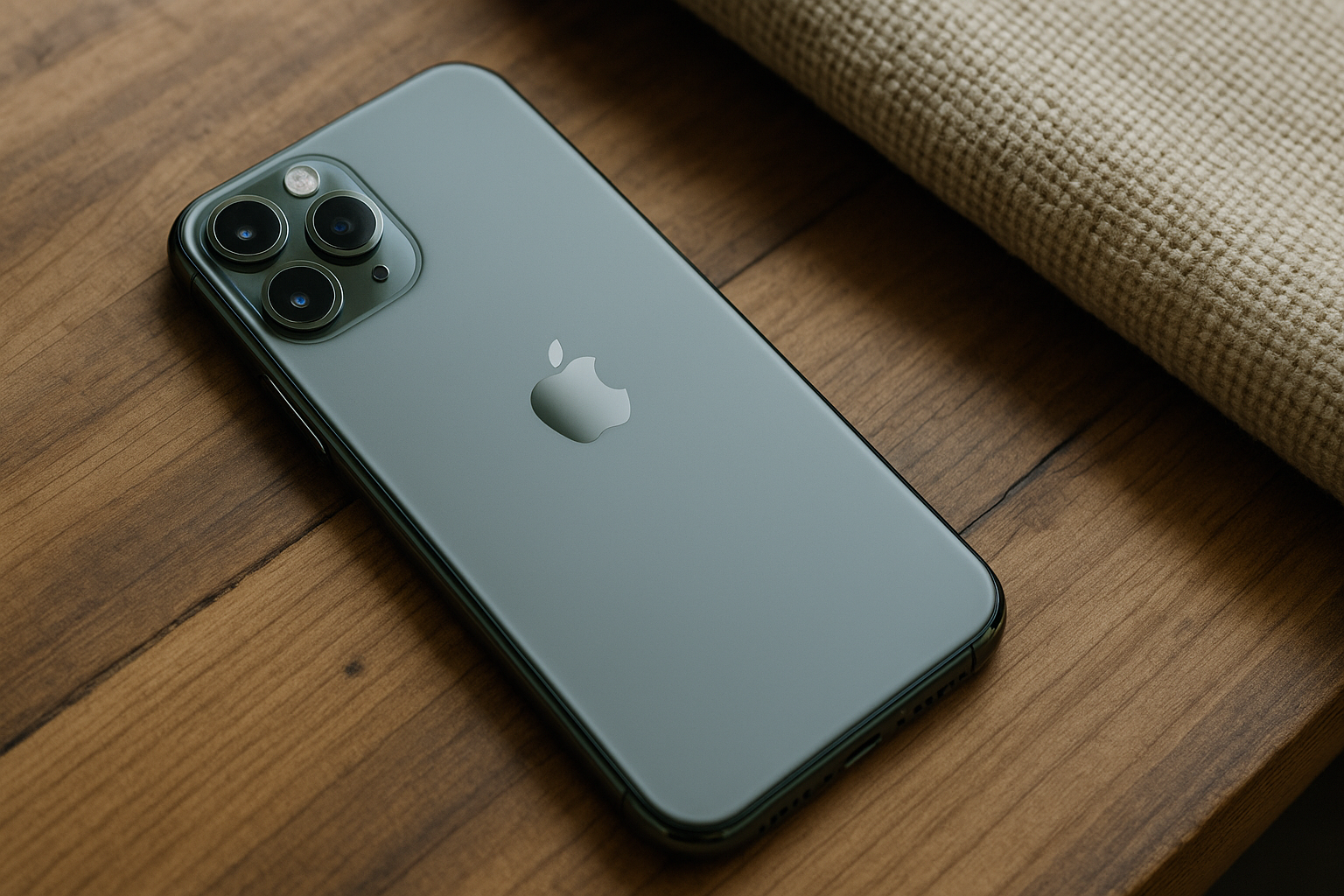
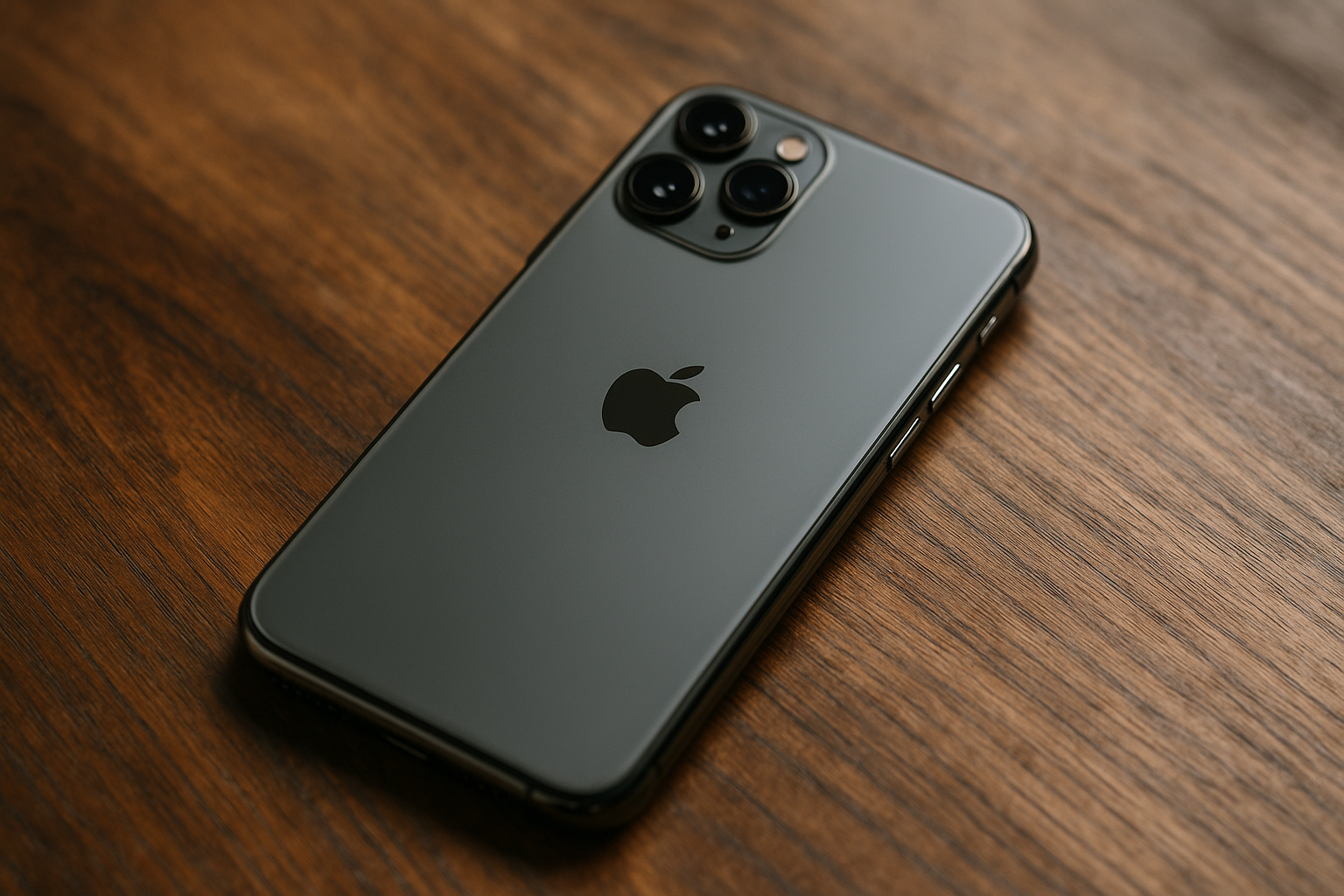
Discover the Key Details of the iPhone 11 Pro

Introduction: Why the iPhone 11 Pro is Still Relevant

The iPhone 11 Pro Max combines immense power with a breathtaking screen and an advanced camera. This device is designed for the true technology enthusiast. Read all about what makes the iPhone 11 Pro Max unique on this page.

The iPhone 11 Pro, launched in September 2019, remains relevant to this day due to a combination of advanced technology, durability, and constant software support. Although newer models such as the iPhone 13 and 14 are now available, the iPhone 11 Pro still offers a solid experience that appeals to users. Its relevance lies not only in its technical specifications but also in the way it meets the needs of a wide range of users, including both technology enthusiasts and more casual users.

One of the main reasons for its continued popularity is the Super Retina XDR display. With a resolution of 2436 x 1125 pixels and OLED technology, the screen delivers stunning color reproduction and deep blacks that are still considered leading even after several generations. This makes the device ideally suited for tasks such as viewing media, photo editing, and gaming. Furthermore, the compact 5.8-inch size ensures users experience a comfortable balance between screen size and portability.

The iPhone 11 Pro also offers excellent performance thanks to the A13 Bionic chip. This processor was praised at its introduction for its speed and energy efficiency and remains powerful enough to handle demanding apps and multitasking. This makes the device not only future-proof but also attractive to people looking for a more affordable alternative to newer models.

In addition, the camera setup is a central factor in its continued relevance. With a triple-camera system – a wide-angle, ultra-wide-angle, and telephoto lens – the device offers versatility and high-quality image quality. Night mode, which was introduced with this generation, makes it possible to take remarkably detailed photos in low-light situations, a feature that still impresses users.

Furthermore, Apple's longer software support contributes to the relevance of the iPhone 11 Pro. The device continues to receive iOS updates, giving users access to the latest features, security updates, and performance improvements. This keeps the device modern and secure, even years after its original release.

Finally, the overall build quality plays a crucial role. The iPhone 11 Pro has a stainless steel frame and a matte glass finish. These materials not only provide a premium look but also increase durability compared to many competitors in the same price segment.

Design and Build Quality: A Luxurious and Durable Design

The iPhone 11 Pro is generally praised for its exceptional balance between aesthetics and functionality. The design is refined and minimalist, immediately evoking a feeling of luxury and exclusivity. With a surgical-grade stainless steel casing and a matte glass back, the device not only offers a premium look but also feels solid and durable in the hand.

The glass surface, made of double ion-exchange glass, is designed to offer scratch and drop resistance. This makes the iPhone 11 Pro significantly more durable compared to its predecessors. Apple has carefully integrated the matte finish, not only to reduce fingerprints but also to create a subtle and refined visual effect.

Key design features:

  • Dimensions: Available in three compact sizes, making it easy to hold and portable.
  • Colors: Available in unique finishes, such as Midnight Green, Gold, Space Gray, and Silver, tailored to different styles.
  • Form factor: The bezel-less design and rounded corners provide a modern, seamless visual and physical experience.

Water and Dust Resistance

With an IP68 rating, the iPhone 11 Pro can function underwater to a maximum depth of four meters for 30 minutes. This high-quality protection offers greater peace of mind for daily use and in unforeseen circumstances.

Durability and Environment

Apple has paid particular attention to sustainability with the iPhone 11 Pro. The use of recyclable materials and environmentally friendly production highlight Apple's commitment to reducing its environmental footprint. This makes the device not only a technological marvel but also a conscious choice for consumers.

With a focus on refined craftsmanship, robustness, and environmentally friendly properties, the iPhone 11 Pro offers a design that is both visually impressive and functionally superior.

Screen Technology: Super Retina XDR Excellence

The iPhone 11 Pro introduces an impressive improvement in screen technology with the Super Retina XDR display, setting new standards in brightness, contrast, and color reproduction. This advanced OLED panel offers users a visually rich experience with an emphasis on precision and detail.

The resolution of the 5.8-inch screen is 2436 x 1125 pixels, resulting in a pixel density of 458 ppi. This ensures exceptionally sharp images, ideal for viewing photos, videos, and graphically intensive content. Thanks to the high contrast ratio of 2,000,000:1, dark shades are displayed deeper, while bright colors appear more vibrant. This makes the Super Retina XDR display exceptionally suitable for HDR content, with support for HDR10 and Dolby Vision.

The screen reaches a peak brightness of up to 1200 nits during HDR playback, making it perfect for use in bright sunlight or other challenging lighting conditions. For daily use, it offers a typical brightness of 800 nits, which is significantly higher than its predecessors. In addition, True Tone technology reduces eye strain by adjusting the screen temperature to the ambient light.

The improved energy efficiency of the Super Retina XDR display ensures that it consumes less power, despite its high performance. This contributes to the longer battery life of the iPhone 11 Pro. As additional protection, Apple uses a modernized layer of scratch-resistant glass, which guarantees durability without compromising brightness.

With these groundbreaking innovations, the Super Retina XDR display offers not only a visually appealing experience but also a functional and practical added value for daily use.

Cameras: The Power of the Triple Lens

The iPhone 11 Pro introduces a triple-camera system that takes photography to a new level. This innovative technology combines an ultra-wide-angle, wide-angle, and telephoto lens to offer users ultimate flexibility in capturing images. Each lens is specifically designed to deliver exceptional performance in a variety of situations, making creative possibilities virtually limitless.

Ultra-Wide Angle Lens

The ultra-wide-angle lens offers a 120-degree field of view, which is ideal for capturing expansive landscapes, architecture, and group photos. Thanks to the f/2.4 aperture and an advanced lens construction, the image quality remains consistently sharp, even in the corners of the frame. This makes it easier to create visually impressive images without distortion.

Wide-Angle Lens

The wide-angle lens, with an f/1.8 aperture, performs exceptionally well in low light. It uses optical image stabilization and an improved 12-megapixel sensor to ensure vibrant colors and sharp details. This is the most versatile lens for everyday photography, as it is suitable for both portraits and urban environments.

Telephoto Lens

With an f/2.0 aperture and a 2x optical zoom function, the telephoto lens offers an unparalleled ability to zoom in without loss of quality. Particularly suitable for portraits and close-up photography, this lens emphasizes subtle details and creates a natural bokeh effect. The addition of image stabilization ensures that even zoomed-in photos are razor-sharp and stable.

The collaboration between the lenses is further enhanced by advanced software, such as Night mode and Deep Fusion. These features optimize images under various lighting conditions and combine multiple shots to provide unparalleled clarity. The result is a camera system that is not only versatile but also focused on maximum ease of use.

Performance and Processing Power: A13 Bionic Explained

The iPhone 11 Pro is powered by the A13 Bionic chip, a breakthrough in mobile technology. This processor is specifically designed to offer both power and efficiency, and forms the core of the device's exceptional performance. The chip is built with a 7-nanometer process, which not only optimizes computing power but also minimizes energy consumption. This allows users to enjoy the iPhone longer without sacrificing speed.

The A13 Bionic consists of a 6-core CPU with two high-performance cores and four energy-efficient cores. The high-performance cores provide up to 20% faster performance compared to the previous generation, while the energy-efficient cores consume up to 40% less power. Thanks to this setup, multitasking is performed smoothly and intensive tasks, such as video games or video editing, are easy to handle without glitches.

For graphics rendering, the chip is equipped with a 4-core GPU. This GPU provides a powerful platform for graphic applications, from smooth animations in apps to realistic effects in mobile games. Compared to its predecessor, the graphics processing is 20% faster yet more energy-efficient.

In addition, the Neural Engine, with 8 cores, plays an essential role in machine learning tasks. It supports up to 1 trillion operations per second, which is essential for features such as photography, AR applications, and Face ID. The A13 Bionic elevates the user experience to a higher level by seamlessly combining performance and intelligence.

Battery Performance: Can It Last All Day?

The iPhone 11 Pro introduces significant improvements in battery performance, setting it apart from its predecessors. Apple claims that this model lasts up to four hours longer than the iPhone XS, which represents a significant upgrade for users who make intensive use of their device throughout the day.

A remarkable improvement is due to the more efficient A13 Bionic chip, which not only delivers powerful performance but is also optimized to minimize energy consumption. Combined with a larger battery size, the iPhone 11 Pro supports various daily activities, such as streaming, photography, browsing, and multitasking, without users constantly needing a charger at hand.

Charging Options

The iPhone 11 Pro comes with an 18W fast charger in the box, a welcome addition for those who want a faster charging process. With this adapter, the device can be charged to 50% in about 30 minutes. It also supports wireless charging via the Qi standard, offering flexibility for users who prefer a more minimalist approach to charging.

Use in practice

Although the exact battery life varies depending on usage, independent tests show that the device is excellent for long days. For video streaming, the iPhone 11 Pro achieves impressive results, while games and augmented reality apps also run smoothly without a noticeable impact on battery life. This makes the device suitable for both business professionals and consumers who are on the go a lot.

Compared to Competitors

Compared to other high-end smartphones on the market, such as the Samsung Galaxy S10 and Huawei P30 Pro, the iPhone 11 Pro holds its own firmly. Especially in terms of energy management during heavy tasks, such as video editing and 4K recordings, it excels thanks to the optimized interplay between hardware and software.

iOS functionalities: What iOS 16 Brings to the iPhone 11 Pro

iOS 16 introduces a range of improvements and new functionalities specifically designed to enhance the user experience on the iPhone 11 Pro. Although the iPhone 11 Pro's hardware dates back to 2019, the latest iOS update ensures that the device remains relevant and powerful. Apple focuses not only on better performance but also on personalized and intuitive interactions.

Redesigned Lock Screen

One of the most striking additions in iOS 16 is the completely redesigned lock screen. Users can now add widgets for quick access to information, such as weather updates, calendar appointments, or battery status. Apple also offers new fonts, colors, and backgrounds to further personalize the customization.

Improved Focus Mode

The iPhone 11 Pro also benefits from the expanded Focus features in iOS 16. Users can now link specific settings to the lock screen, so that the appearance of the device changes depending on the chosen mode. This ensures a more seamless integration between work and private time.

Live Text and Visual Look Up Improvements

With iOS 16, the iPhone 11 Pro can detect and make text in videos interactive, an extension of the Live Text feature. In addition, Visual Look Up can now also "cut out" objects from photos and share them directly in messaging apps, for example. These features show how advanced AI support offers an older iPhone new possibilities.

iMessage and Mail Upgrades

Messaging apps receive significant updates in iOS 16. Users can now edit or even retract sent iMessages, a long-awaited feature. The Mail app also has improved search capabilities and new tools such as scheduling emails, which increases productivity on the iPhone 11 Pro.

Security and Privacy Upgrades

With features such as "Safety Check", privacy is a key focus in iOS 16. This option is designed for users who want quick access to retract shared data, for example in emergency situations.

The iPhone 11 Pro with iOS 16 shows how Apple provides users with timeless software innovations, even on older devices.

Storage Options and Colors: Which One Suits You?

The iPhone 11 Pro offers users a range of customizable options when it comes to storage capacity and color, allowing the device to fully meet personal preferences and needs. These choices play a crucial role in both functionality and style, so that everyone can find the perfect match.

Storage Capacity

With the iPhone 11 Pro, users can choose from three storage options designed to meet various needs:

  • 64 GB: Suitable for users who primarily use cloud storage services such as iCloud or Google Drive and are less dependent on local storage.
  • 256 GB: An ideal middle ground for those who store more photos, videos, and apps without worrying about running out of space.
  • 512 GB: Solution for professionals or digital creatives who need to store large files such as 4K videos, presentations, or graphically intensive content.

With this variety, users can base their choice on both their daily needs and future use. Those who shoot a lot of videos or download apps will benefit from the larger storage options.

Color Options

In addition to storage, the iPhone 11 Pro comes in four elegant colors, which are both modern and timeless:

  • Space Gray: A classic and professional option that offers a versatile look.
  • Silver: For those who prefer a refined, light, and elegant finish.
  • Gold: A chic and luxurious option that makes a statement.
  • Midnight Green: A unique and striking color that was introduced specifically for this model.

The colors are designed with attention to aesthetics and finish, including a matte texture that reduces fingerprints and gives a premium feel. This means there is not only a choice in functionality, but also in style, to suit every personality.

Security and Privacy: Facial Recognition and Encrypted Data

The iPhone 11 Pro introduces advanced technologies in the field of security and privacy, essential aspects for modern users. Apple has once again set the bar high by combining innovative solutions with user-friendliness and reliability. Below, two important areas are explained in detail: facial recognition and encrypted data.

Facial Recognition with Face ID

With Face ID, authentication becomes not only safer but also simpler. Face ID uses a TrueDepth camera to create a detailed 3D scan of the face. This system works with precision, eliminating the inconvenience of passwords or PIN code entry.

  • It even works in the dark using infrared technology.
  • Face ID can recognize subtle changes in facial features, including the use of glasses, hats, or accessories.
  • Thanks to the Secure Enclave system, facial data remains exclusively on the device and is never stored in the cloud or shared with third parties.

Encrypted Data

The protection of personal data is a key focus of the iPhone 11 Pro. All data on the device, including messages, photos, and notes, is encrypted end-to-end by default. This means that only the owner of the device has access to the content.

  • iMessage and FaceTime communicate completely encrypted, so conversations remain private.
  • Local data is protected by hardware encryption, integrated into the A13 Bionic chip.
  • Protected access to apps and payments via Apple Pay is combined with applications such as Face ID, making transactions not only fast but also extremely secure.

These technologies reflect Apple's commitment to privacy and security, without compromising ease of use.

Comparison with Newer Models: Is an Upgrade Necessary?

When evaluating the iPhone 11 Pro compared to newer models, such as the iPhone 12, 13, or 14 series, some specific differences stand out. These differences play a crucial role in determining whether an upgrade is necessary, depending on the user's personal needs and preferences.

Design and Display

The iPhone 11 Pro features a Super Retina XDR OLED screen with HDR support and a maximum brightness of 1200 nits. This remains impressive for daily users, but newer models, such as the iPhone 13 Pro and later, introduce ProMotion technology with a 120Hz refresh rate. This ensures smoother animations and a better user experience, especially when gaming and scrolling.

Visually, the iPhone 11 Pro strongly adheres to the classic design. However, the iPhone 12 and newer models have a more modern design with flat edges and a ceramic shield on the front that is four times more resistant to drops, which makes a remarkable difference in durability.

Cameras

The iPhone 11 Pro's triple-camera setup remains powerful with its night mode and ultrawide lens. However, models such as the iPhone 13 Pro have improved sensors, photographic styles, and significantly improved low-light performance. Cinematic Mode, introduced from the iPhone 13 series, offers additional creative possibilities for video recording, which is missing from the iPhone 11 Pro.

Performance and Battery

The A13 Bionic chip in the iPhone 11 Pro still performs well in daily tasks and gaming applications, but the A15 and A16 Bionic chips in later models deliver a significant boost in speed and energy efficiency. These improvements translate into heavier performance and longer battery life, an aspect that is important for intensive users.

Connectivity and Other Features

Newer models support 5G connectivity, while the iPhone 11 Pro is limited to 4G LTE. For users who benefit from faster download and upload speeds, this can be a decisive factor. Furthermore, later models bring innovations such as MagSafe, usable for accessories and wireless charging, which are missing from the iPhone 11 Pro.

By carefully weighing these aspects, it can be determined which features and improvements are essential.

Prices and Availability in 2023

In 2023, the iPhone 11 Pro remains an attractive choice for consumers looking for premium features at a relatively lower price than the latest models. Although Apple no longer sells this model directly through its official website, the device is still widely available through other channels, such as reputable retailers, second-hand marketplaces, and certified refurbished sales outlets.

Price Level in 2023

Prices for the iPhone 11 Pro vary depending on storage capacity, condition (new or refurbished), and seller. Below is an overview of the average price ranges:

  • New: Copies that are completely new and unused cost on average between €600 and €850, depending on storage options such as 64 GB, 256 GB, or 512 GB.
  • Refurbished: For those who are price-conscious, the refurbished market offers a viable alternative. These devices are often available from €450 and can go up to €700, depending on the condition and warranty conditions.
  • Second-hand: Private sales offer the lowest prices, ranging from €350 to €550. However, account must be taken here for risks such as lack of warranty or signs of wear.

Availability

Availability depends heavily on the desired color variant and storage capacity. Popular colors such as Space Gray and Midnight Green often have a faster turnover at retailers. In addition, many online platforms focus their offer on the most common storage options, such as 64 GB and 256 GB, while the 512 GB variant has become rarer.

With certified refurbished providers, buyers benefit from extra security, such as a 1- or 2-year warranty and detailed quality checks. This makes refurbished devices a popular option among consumers who seek a balance between price and reliability.

Reliable sellers such as Bol.com, Coolblue, and Amazon remain important players in the market, while local stores and specialized refurbished sites offer additional alternatives.

Optimizing Your iPhone 11 Pro: Tips and Tricks

The iPhone 11 Pro offers advanced features and tools that enable a seamless and efficient user experience. By optimally utilizing the capabilities of this device, one can increase productivity and improve daily use. Here are some practical tips and tricks:

Battery Management and Extending Lifespan

  • Turn on dark mode: The iPhone 11 Pro's OLED Super Retina XDR display consumes less energy in dark mode. This can be activated via Settings > Display and Brightness.
  • Optimize charging: Enable the "Optimized Battery Charging" function under Settings > Battery > Battery Health. This prevents excessive charging and maintains battery health.
  • Minimize background activity: Close apps you are not actively using and disable background app refresh for less important apps.

Optimizing Camera Use

  • Try Night mode: When taking photos in dark situations, the iPhone 11 Pro automatically turns on Night mode. For a better shot, keep the device still and use a tripod if necessary.
  • Use the 4K video recording function: Go to Settings > Camera > Video Recording and choose 4K at 60 frames per second for the best video quality.
  • Experiment with the ultra-wide-angle lens: The ultra-wide-angle lens is ideal for landscape photography or taking creative shots with a dynamic perspective.

Improving Performance and Speed

  • Restart regularly: Restarting the device helps to free up temporary memory and improve performance.
  • Manage storage: Check your storage space via Settings > General > iPhone Storage and remove unused apps, files, and images.

Don't Forget Useful Features

  • Make Face ID faster: Make sure the TrueDepth camera is clean for faster facial recognition.
  • Quick access with Control Center: Customize the Control Center by adding your most used tools via Settings > Control Center, such as the flashlight or screen recording.
  • Use Siri Shortcuts: Automate daily tasks with Siri shortcuts via the "Shortcuts" app.

By applying these tips wisely, the daily use of the iPhone 11 Pro becomes simpler and more efficient.

Conclusion: Is the iPhone 11 Pro Still Worth It in 2023?

The iPhone 11 Pro, introduced in 2019, was a groundbreaking device at the time with its impressive performance and premium features. Four years later, the device remains relevant, but there are some factors that need to be considered before purchasing this smartphone in 2023.

Performance and Chipset

The A13 Bionic chipset proved powerful enough to run both demanding apps and games seamlessly when it was launched. Although this chipset still functions solidly in 2023, it is starting to lag behind in terms of AI capabilities and energy efficiency compared to the newer A16 and A17 chips found in recent models. However, for everyday use such as browsing, social media, and video streaming, the iPhone 11 Pro still performs well.

Camera

The triple-lens camera setup remains a strong point for this device. In particular, the improved night mode and the addition of an ultra-wide-angle lens provide excellent photography, even in 2023. For professional use or for users who expect the latest innovations such as 48-MP sensors or better optical zoom, the camera may feel outdated.

Screen and Design

The 5.8-inch Super Retina XDR screen offers sharp images and excellent brightness, especially for an OLED screen from that time. The design, with matte glass and a stainless steel frame, still feels luxurious. However, the larger screen bezels and the lack of ProMotion (120 Hz) can detract from the viewing experience for users who are accustomed to the latest screen technologies.

Battery and Software

The iPhone 11 Pro's battery life is average but can be insufficient with intensive use. In 2023, the device still receives iOS updates, which provides improved performance and security. However, the software may cease to be fully supported in the shorter term as Apple shifts its focus to more recent models.

Cost and Value

The price tag of a second-hand or refurbished model is significantly lower than with the latest iPhones, which can make the device attractive for budget-conscious consumers. However, for those looking for the latest technology or long-term support, a newer generation iPhone may be a better investment.

In short, the choice for the iPhone 11 Pro in 2023 strongly depends on individual needs, priorities, and budgetary considerations.

What makes the iPhone 11 Pro Max unique? All info.

Discover the Key Details of the iPhone 11 Pro

Introduction: Why the iPhone 11 Pro is Still Relevant

The iPhone 11 Pro boasts an impressive triple-camera system and a sharp OLED display. The device offers top-quality performance and battery life. Discover all the important details of the iPhone on this page.

Launched in September 2019, the iPhone 11 Pro remains relevant today due to a combination of advanced technology, durability, and consistent software support. While newer models like the iPhone 13 and 14 are now available, the iPhone 11 Pro still provides a solid experience that appeals to users. Its relevance lies not only in its technical specifications but also in how it caters to the needs of a wide range of users, including both tech enthusiasts and everyday users.

One of the main reasons for its continued popularity is the Super Retina XDR display. With a resolution of 2436 x 1125 pixels and OLED technology, the screen delivers stunning color reproduction and deep blacks that are still considered leading-edge even after several generations. This makes the device ideally suited for tasks such as watching media, photo editing, and gaming. Furthermore, the compact 5.8-inch size ensures users experience a comfortable balance between screen size and portability.

The iPhone 11 Pro also offers excellent performance thanks to the A13 Bionic chip. This processor was praised upon its introduction for its speed and energy efficiency and remains powerful enough to handle demanding apps and multitasking. This makes the device not only future-proof but also attractive to people looking for a more affordable alternative to newer models.

In addition, the camera setup is a central factor in its lasting relevance. With a triple-camera system – a wide-angle, ultra-wide-angle, and telephoto lens – the device offers versatility and high-quality image quality. Night mode, introduced with this generation, makes it possible to take remarkably detailed photos in low-light situations, a feature that still impresses users.

Furthermore, Apple's extended software support contributes to the relevance of the iPhone 11 Pro. The device continues to receive iOS updates, giving users access to the latest features, security updates, and performance improvements. This keeps the device modern and secure, even years after its original release.

Finally, the overall build quality plays a crucial role. The iPhone 11 Pro features a stainless steel frame and a matte glass finish. These materials not only provide a premium look but also enhance durability compared to many competitors within the same price segment.

Design and Build Quality: A Luxurious and Durable Design

The iPhone 11 Pro is widely praised for its exceptional balance between aesthetics and functionality. The design is refined and minimalist, immediately evoking a feeling of luxury and exclusivity. With a surgical-grade stainless steel housing and a matte glass back, the device not only offers a premium look but also feels solid and durable in the hand.

The glass surface, made of double ion-exchange glass, is designed to offer scratch and drop resistance. This makes the iPhone 11 Pro considerably more durable compared to its predecessors. Apple has carefully integrated the matte finish, not only to reduce fingerprints but also to create a subtle and refined visual effect.

Key design features:

  • Dimensions: Available in three compact sizes, making it easy to hold and portable.
  • Colors: Available in unique finishes, such as Midnight Green, Gold, Space Gray, and Silver, to suit various styles.
  • Form factor: The bezel-less design and rounded corners provide a modern, seamless visual and physical experience.

Water and Dust Resistance

With an IP68 rating, the iPhone 11 Pro can function underwater at a maximum depth of four meters for 30 minutes. This high-quality protection provides greater peace of mind for everyday use and in unforeseen circumstances.

Sustainability and Environment

Apple has paid particular attention to sustainability with the iPhone 11 Pro. The use of recyclable materials and environmentally friendly production highlight Apple's commitment to reducing its environmental footprint. This makes the device not only a technological marvel but also a conscious choice for consumers.

With a focus on refined craftsmanship, robustness, and environmentally friendly features, the iPhone 11 Pro offers a design that is both visually impressive and functionally superior.

Screen Technology: Super Retina XDR Excellence

The iPhone 11 Pro introduces an impressive improvement in screen technology with the Super Retina XDR display, setting new standards in brightness, contrast, and color reproduction. This advanced OLED panel provides users with a visually rich experience with an emphasis on precision and detail.

The resolution of the 5.8-inch screen is 2436 x 1125 pixels, resulting in a pixel density of 458 ppi. This ensures exceptionally sharp images, ideal for viewing photos, videos, and graphically intensive content. Thanks to the high contrast ratio of 2,000,000:1, dark shades are rendered deeper, while bright colors appear more vibrant. This makes the Super Retina XDR display exceptionally suitable for HDR content, with support for HDR10 and Dolby Vision.

The screen reaches a peak brightness of up to 1200 nits during HDR playback, making it perfect for use in bright sunlight or other challenging lighting conditions. For everyday use, it offers a typical brightness of 800 nits, which is significantly higher than its predecessors. In addition, True Tone technology reduces eye strain by adjusting the screen temperature to the ambient light.

The improved energy efficiency of the Super Retina XDR display ensures that it consumes less power, despite its high performance. This contributes to the longer battery life of the iPhone 11 Pro. For added protection, Apple uses a modernized layer of scratch-resistant glass, which guarantees durability without compromising brightness.

With these groundbreaking innovations, the Super Retina XDR display not only offers a visually appealing experience but also a functional and practical added value for everyday use.

Cameras: The Power of the Triple Lens

The iPhone 11 Pro introduces a triple-camera system that takes photography to a new level. This innovative technology combines an ultra-wide-angle, wide-angle, and telephoto lens to give users ultimate flexibility in capturing images. Each lens is specifically designed to deliver exceptional performance in diverse situations, making creative possibilities virtually unlimited.

Ultra-Wide Lens

The ultra-wide-angle lens offers a 120-degree field of view, ideal for capturing expansive landscapes, architecture, and group photos. Thanks to the f/2.4 aperture and an advanced lens construction, image quality remains consistently sharp, even in the corners of the frame. This makes it easier to create visually impressive images without distortion.

Wide-Angle Lens

The wide-angle lens, with an f/1.8 aperture, performs exceptionally well in low light. It uses optical image stabilization and an improved 12-megapixel sensor to ensure vibrant colors and sharp details. This is the most versatile lens for everyday photography, as it is suitable for both portraits and urban environments.

Telephoto Lens

With an f/2.0 aperture and a 2x optical zoom function, the telephoto lens offers an unparalleled ability to zoom in without loss of quality. Especially suitable for portraits and close-up photography, this lens emphasizes subtle details and creates a natural bokeh effect. The addition of image stabilization ensures that even zoomed-in photos are razor-sharp and stable.

The collaboration between the lenses is further enhanced by advanced software, such as Night mode and Deep Fusion. These features optimize images under various lighting conditions and combine multiple shots to provide unparalleled clarity. The result is a camera system that is not only versatile but also focused on maximum user-friendliness.

Performance and Processing Power: A13 Bionic Explained

The iPhone 11 Pro is powered by the A13 Bionic chip, a breakthrough in mobile technology. This processor is specifically designed to offer both power and efficiency, and forms the core of the device's exceptional performance. The chip is built with a 7-nanometer process, which not only optimizes computing power but also minimizes energy consumption. This allows users to enjoy the iPhone for longer without sacrificing speed.

The A13 Bionic consists of a 6-core CPU with two high-performance cores and four energy-efficient cores. The high-performance cores deliver up to 20% faster performance compared to the previous generation, while the energy-efficient cores consume up to 40% less power. Thanks to this setup, multitasking is performed smoothly and intensive tasks, such as video games or video editing, are easily handled without any hiccups.

For graphics rendering, the chip is equipped with a 4-core GPU. This GPU provides a powerful platform for graphic applications, from smooth animations in apps to realistic effects in mobile games. Compared to its predecessor, the graphics processing is 20% faster yet more energy-efficient.

In addition, the Neural Engine, with 8 cores, plays an essential role in machine learning tasks. It supports up to 1 trillion operations per second, which is essential for functions such as photography, AR applications, and Face ID. The A13 Bionic elevates the user experience to a higher level by seamlessly combining performance and intelligence.

Battery Performance: Can It Last All Day?

The iPhone 11 Pro introduces significant improvements in battery performance, which sets the device apart from its predecessors. Apple claims that this model lasts up to four hours longer than the iPhone XS, which represents a significant upgrade for users who make intensive use of their device throughout the day.

A notable improvement is due to the more efficient A13 Bionic chip, which not only delivers powerful performance but is also optimized to minimize power consumption. In combination with a larger battery size, the iPhone 11 Pro supports various daily activities, such as streaming, photography, browsing, and multitasking, without users constantly needing a charger at hand.

Charging Options

The iPhone 11 Pro comes with an 18W fast charger in the box, a welcome addition for those who want a faster charging process. With this adapter, the device can be charged up to 50% in about 30 minutes. In addition, it also supports wireless charging via the Qi standard, which offers flexibility for users who prefer a more minimalist approach to charging.

Real-world Use

Although the exact battery life varies depending on usage, independent tests show that the device is excellent for long days. For video streaming, the iPhone 11 Pro achieves impressive results, while games and augmented reality apps also run smoothly without a noticeable impact on battery life. This makes the device suitable for both business professionals and consumers who are on the go a lot.

Compared to Competitors

Compared to other high-end smartphones on the market, such as the Samsung Galaxy S10 and Huawei P30 Pro, the iPhone 11 Pro holds its own firmly. Especially in terms of power management during heavy tasks, such as video editing and 4K recording, it excels thanks to the optimized interplay between hardware and software.

iOS Functionality: What iOS 16 Brings to the iPhone 11 Pro

iOS 16 introduces a range of improvements and new features specifically designed to enhance the user experience on the iPhone 11 Pro. Although the iPhone 11 Pro hardware dates back to 2019, the latest iOS update ensures that the device remains relevant and powerful. Apple focuses not only on better performance but also on personalized and intuitive interactions.

Redesigned Lock Screen

One of the most striking additions in iOS 16 is the completely redesigned lock screen. Users can now add widgets for quick access to information such as weather updates, calendar appointments, or battery status. In addition, Apple offers new fonts, colors, and backgrounds to further personalize the customization.

Improved Focus Mode

The iPhone 11 Pro also benefits from the expanded Focus features in iOS 16. Users can now link specific settings to the lock screen so that the appearance of the device changes depending on the selected mode. This ensures a more seamless integration between work and private time.

Live Text and Visual Look Up Improvements

With iOS 16, the iPhone 11 Pro can detect and make text in videos interactive, an extension of the Live Text function. In addition, Visual Look Up can now also ‘cut out’ objects from photos and directly share them in messaging apps, for example. These features show how advanced AI support gives an older iPhone new capabilities.

iMessage and Mail Upgrades

Messaging apps get significant updates in iOS 16. Users can now edit or even retract sent iMessages, a long-awaited feature. The Mail app also has improved search capabilities and new tools such as scheduling emails, which increases productivity on the iPhone 11 Pro.

Security and Privacy Upgrades

With features such as ‘Safety Check’, privacy is a major focus in iOS 16. This option is designed for users who want to quickly revoke access to shared data, for example in emergency situations.

The iPhone 11 Pro with iOS 16 shows how Apple provides users with timeless software innovations, even on older devices.

Storage Options and Colors: Which One Suits You?

The iPhone 11 Pro offers users a range of customizable options when it comes to storage capacity and color, allowing the device to fully meet personal preferences and needs. These choices play a crucial role in both functionality and style, so everyone can find the perfect match.

Storage Capacity

With the iPhone 11 Pro, users can choose from three storage options designed to meet various needs:

  • 64 GB: Suitable for users who primarily use cloud storage services such as iCloud or Google Drive and are less dependent on local storage.
  • 256 GB: An ideal middle ground for those who store more photos, videos, and apps without worrying about running out of space.
  • 512 GB: Solution for professionals or digital creatives who need to store large files such as 4K videos, presentations, or graphically intensive content.

With this variety, users can base their choice on both their daily needs and future use. Those who film a lot of videos or download apps will benefit from the larger storage options.

Color Options

In addition to storage, the iPhone 11 Pro comes in four elegant color versions, which are both modern and timeless:

  • Space Gray: A classic and professional option that offers a versatile look.
  • Silver: For those who like a refined, light, and elegant finish.
  • Gold: A chic and luxurious option that makes a statement.
  • Midnight Green: A unique and striking color that was specially introduced for this model.

The colors are designed with attention to aesthetics and finish, including a matte texture that reduces fingerprints and gives a premium feel. This means there is not only a choice in functionality but also in style, to suit every personality.

Security and Privacy: Facial Recognition and Encrypted Data

The iPhone 11 Pro introduces advanced technologies in the field of security and privacy, essential aspects for modern users. Apple has once again set the bar high by combining innovative solutions with user-friendliness and reliability. Below, two important areas are explained in detail: facial recognition and encrypted data.

Facial Recognition with Face ID

With Face ID, authentication becomes not only safer but also easier. Face ID uses a TrueDepth camera to create a detailed 3D scan of the face. This system works with precision, avoiding the inconvenience of passwords or PIN code entry.

  • It even works in the dark using infrared technology.
  • Face ID can recognize subtle changes in facial features, including the use of glasses, hats, or accessories.
  • Thanks to the Secure Enclave system, facial data remains solely on the device and is never stored in the cloud or shared with third parties.

Encrypted Data

The protection of personal data is a spearhead of the iPhone 11 Pro. All data on the device, including messages, photos, and notes, is encrypted end-to-end by default. This means that only the owner of the device has access to the content.

  • iMessage and FaceTime communicate fully encrypted, so conversations remain private.
  • Local data is protected by hardware encryption, integrated into the A13 Bionic chip.
  • Protected access to apps and payments via Apple Pay is combined with applications such as Face ID, making transactions not only fast but also extremely secure.

These technologies reflect Apple's commitment to privacy and security, without compromising ease of use.

Comparison with New Models: Is an Upgrade Necessary?

When assessing the iPhone 11 Pro compared to newer models, such as the iPhone 12, 13, or 14 series, some specific differences stand out. These differences play a crucial role in determining whether an upgrade is necessary, depending on the user's personal needs and preferences.

Design and Display

The iPhone 11 Pro features a Super Retina XDR OLED screen with HDR support and a maximum brightness of 1200 nits. This remains impressive for everyday users, but newer models, such as the iPhone 13 Pro and later, introduce ProMotion technology with a refresh rate of 120 Hz. This provides smoother animations and a better user experience, especially when gaming and scrolling.

Visually, the iPhone 11 Pro strongly adheres to the classic design. However, the iPhone 12 and newer models have a more modern design with flat edges and a ceramic shield on the front that is four times more resistant to falls, which makes a remarkable difference in durability.

Cameras

The iPhone 11 Pro's triple-camera setup remains powerful with its night mode and ultra-wide lens. However, models such as the iPhone 13 Pro have improved sensors, photographic styles, and significantly improved low-light performance. Cinematic Mode, introduced from the iPhone 13 series, offers additional creative possibilities for video recording, which is missing from the iPhone 11 Pro's offering.

Performance and Battery

The A13 Bionic chip in the iPhone 11 Pro still performs well in daily tasks and gaming applications, but the A15 and A16 Bionic chips in later models deliver a significant boost in speed and energy efficiency. These improvements translate to heavier performance and longer battery life, an aspect that is important for intensive users.

Connectivity and Other Features

Newer models support 5G connectivity, while the iPhone 11 Pro is limited to 4G LTE. For users who benefit from faster download and upload speeds, this can be a deciding factor. In addition, later models bring innovations such as MagSafe, useful for accessories and wireless charging, which are missing from the iPhone 11 Pro.

By carefully weighing these aspects, it can be determined which features and improvements are essential.

Prices and Availability in 2023

In 2023, the iPhone 11 Pro remains an attractive choice for consumers looking for premium features at a relatively lower price than the latest models. Although Apple no longer sells this model directly through their official website, the device is still widely available through other channels, such as reputable retailers, second-hand marketplaces, and certified refurbished sales outlets.

Price Level in 2023

Prices for the iPhone 11 Pro vary depending on storage capacity, condition (new or refurbished), and seller. Below is an overview of the average price ranges:

  • New: Copies that are completely new and unused cost on average between €600 and €850, depending on storage options such as 64 GB, 256 GB, or 512 GB.
  • Refurbished: For those who are price-conscious, the refurbished market offers a viable alternative. These devices are often available from €450 and can go up to €700, depending on the condition and warranty conditions.
  • Second-hand: Private sales offer the lowest prices, ranging from €350 to €550. However, risks such as a lack of warranty or signs of wear must be taken into account here.

Availability

Availability depends heavily on the desired color variant and storage capacity. Popular colors such as Space Gray and Midnight Green often have a faster turnover with retailers. In addition, many online platforms focus their offerings on the most common storage options, such as 64 GB and 256 GB, while the 512 GB variant has become rarer.

With certified refurbished providers, buyers benefit from extra security, such as a 1- or 2-year warranty and detailed quality checks. This makes refurbished devices a popular option among consumers who seek a balance between price and reliability.

Reliable sellers such as Bol.com, Coolblue, and Amazon remain major players in the market, while local stores and specialized refurbished sites offer additional alternatives.

Optimizing Your iPhone 11 Pro: Tips and Tricks

The iPhone 11 Pro offers advanced features and tools that enable a seamless and efficient user experience. By making the most of this device's capabilities, one can increase productivity and improve daily use. Here are some practical tips and tricks:

Battery Management and Extending Lifespan

  • Enable dark mode: The iPhone 11 Pro's OLED Super Retina XDR display consumes less energy in dark mode. This can be activated via Settings > Display and Brightness.
  • Optimize charging: Enable the “Optimized Battery Charging” function under Settings > Battery > Battery Health. This prevents excessive charging and maintains battery health.
  • Minimize background activity: Close apps you are not actively using and disable background app refresh for less important apps.

Optimizing Camera Use

  • Try Night mode: When taking photos in dark situations, the iPhone 11 Pro automatically enables Night mode. For a better shot, keep the device still and use a tripod if necessary.
  • Use the 4K video recording function: Go to Settings > Camera > Video Recording and choose 4K at 60 frames per second for the best video quality.
  • Experiment with the ultra-wide-angle lens: The ultra-wide-angle lens is ideal for landscape photography or taking creative shots with a dynamic perspective.

Improving Performance and Speed

  • Restart regularly: Restarting the device helps to free up temporary memory and improve performance.
  • Manage storage: Check your storage space via Settings > General > iPhone Storage and delete unused apps, files, and images.

Don't Forget Handy Features

  • Make Face ID faster: Ensure the TrueDepth camera is clean for faster facial recognition.
  • Quick access with Control Center: Customize the Control Center by adding your most frequently used tools via Settings > Control Center, such as the flashlight or screen recording.
  • Use Siri Shortcuts: Automate daily tasks with Siri shortcuts via the “Shortcuts” app.

By applying these tips wisely, the daily use of the iPhone 11 Pro will become easier and more efficient.

Conclusion: Is the iPhone 11 Pro Still Worth It in 2023?

The iPhone 11 Pro, introduced in 2019, was a groundbreaking device at the time with its impressive performance and premium features. Four years later, the device remains relevant, but there are some factors that need to be considered before purchasing this smartphone in 2023.

Performance and Chipset

The A13 Bionic chipset proved powerful enough to run both demanding apps and games seamlessly when it was launched. Although this chipset still functions solidly in 2023, it is starting to lag behind in terms of AI capabilities and energy efficiency compared to the newer A16 and A17 chips found in recent models. For everyday use such as browsing, social media, and video streaming, however, the iPhone 11 Pro still performs well.

Camera

The three-lens camera setup remains a strong point for this device. In particular, the improved night mode and the addition of an ultra-wide-angle lens ensure excellent photography, even in 2023. For professional use or for users who expect the latest innovations such as 48-MP sensors or better optical zoom, the camera may feel outdated.

Screen and Design

The 5.8-inch Super Retina XDR screen offers sharp images and excellent brightness, especially for an OLED screen from that time. The design, with matte glass and a stainless steel frame, still feels luxurious. However, the larger screen bezels and the lack of ProMotion (120 Hz) can detract from the viewing experience for users accustomed to the latest screen technologies.

Battery and Software

The battery life of the iPhone 11 Pro is average, but can be lacking with intensive use. In 2023, the device still receives iOS updates, which ensures improved performance and security. However, the software may cease to be fully supported in the shorter term as Apple shifts its focus to more recent models.

Cost and Value

The price tag of a second-hand or refurbished model is considerably lower than that of the latest iPhones, which can make the device attractive to budget-conscious buyers. However, for those looking for the latest technology or long-term support, a newer generation iPhone may be a better investment.

In short, the choice for the iPhone 11 Pro in 2023 strongly depends on individual needs, priorities, and budgetary considerations.

Important details of the iPhone 11 Pro.

The Ultimate Guide to the iPhone 11: Complete Information

Introduction: Why the iPhone 11?

The iPhone 11 offers great performance and an excellent camera. Discover all the specifications and features this smartphone has to offer. Learn more about the iPhone on this page.

The iPhone 11, released in September 2019, marks a significant moment in Apple's technological development. The device combines high-performance with a relatively accessible price level compared to the premium models of the same generation. For those looking for a reliable smartphone that offers both style and functionality, the iPhone 11 is an attractive choice.

What sets the iPhone 11 apart are the improvements in photography. With the dual-camera system, consisting of a 12 MP wide-angle and ultra-wide-angle lens, users can take exceptional quality photos in a variety of lighting conditions. Furthermore, Night mode introduces bright and detailed shots in low light. This makes taking professional photos more accessible for everyday users.

In addition to photography, the iPhone 11 offers excellent performance thanks to the A13 Bionic chip. This powerful processor not only brings speed and efficiency, but also advanced capabilities for gaming and augmented reality applications. With this model, Apple raises the bar for the performance consumers can expect from smartphones in the same price range.

In terms of ease of use, the 6.1-inch Liquid Retina LCD screen provides an optimal viewing experience with true-to-life colors and a brightness that is comfortable in all lighting conditions. The construction of the device is also more robust, with an aluminum housing and stronger glass, which ensures more durability in daily use.

Besides technical features, battery life plays a key role. The iPhone 11's battery lasts longer than its predecessor's, which is a valuable feature for users who want to stay mobile and productive.

Design and Build Quality: A Modern Classic

The iPhone 11 is a testament to Apple's ability to combine timeless designs with modern technology. This smartphone features an aerospace-grade aluminum frame, encased in precisely formed glass that is not only durable but also visually impressive. The symmetrical design exudes simplicity, while the ease of use and ergonomics are clearly designed with the user in mind.

What immediately stands out about the iPhone 11 is the perfect balance between minimalism and functionality. The back consists of one seamless piece of glass, with the camera setup subtly placed in a square frame. This creates an aesthetically consistent look, while also being practical, given the improved protection of the camera lenses. Apple has opted for chemically strengthened glass, which provides more resistance to scratches and damage.

The iPhone 11 is available in six vibrant colors, including purple, green and the traditional black and white. These colors are not superficially applied, but are integrated into the glass, making them less likely to fade. In combination with the matte texture of the aluminum edges, the device feels premium without losing its grip.

Thanks to its IP68 certification, the iPhone 11 is not only beautiful, but also resistant to water and dust. The device can survive up to 30 minutes at a depth of 2 meters, which is a clear improvement over previous models. This makes the phone suitable for daily use, even under harsh conditions.

All in all, the iPhone 11's build quality combines modern precision with a timeless design, resulting in a device that is both elegant and functional.

The Super Retina Display: Bright Images and Vivid Colors

The Super Retina display is one of the most impressive features of the iPhone 11. This advanced display uses OLED technology to produce images with unparalleled precision. With a resolution that is exceptionally sharp, the screen provides a detailed and immersive viewing experience. Each pixel is individually illuminated, leading to a sharp contrast ratio and deeper blacks. Images therefore look more realistic and dynamic.

Colors that come to life

With support for Wide Color (P3) and True Tone technology, the screen offers a true revolution in color reproduction. The color palette includes millions of nuances, resulting in rich, accurate shades that appear natural. True Tone dynamically adjusts the color temperature based on ambient light, ensuring a consistent viewing experience, regardless of the conditions. This makes the colors not only vivid, but also comfortable for the eyes.

Incredible Brightness and HDR Support

The Super Retina display offers a maximum brightness of 800 nits, making content easily visible even in bright sunlight. For HDR10 and Dolby Vision content, the screen goes even further, with peak brightness up to 1200 nits, making highlights sparkling and details deep and rich. This makes the screen ideal for viewing high-quality videos and movies.

Why the screen is unique

The Super Retina display distinguishes itself through its precision in image quality. Not only videos and photos, but even text and UI elements benefit from the exceptional clarity. This makes the screen not only a visual pleasure but also functional for daily use, from reading articles to viewing graphically intensive content.

Performance and Speed: Powered by the A13 Bionic Chip

The iPhone 11 is equipped with the powerful A13 Bionic chip, designed by Apple. This chip is known for its unparalleled performance and energy efficiency, giving users a smooth and responsive experience. Whether it's heavy gaming applications, editing videos or multitasking with multiple apps, the A13 Bionic makes these activities effortless and without hesitation.

The advanced 7nm architecture of the A13 Bionic chip ensures that both the CPU and GPU work exceptionally fast. With a 6-core CPU, consisting of two powerful performance cores and four energy-efficient efficiency cores, the chip offers a balance between speed and battery saving. This means that the iPhone 11 can handle both complex tasks and function for a long time without constantly charging.

In addition, the quad-core GPU of the A13 Bionic delivers impressive graphics performance. This makes the iPhone 11 ideal for playing graphically intensive games and using augmented reality applications. Furthermore, the 8-core Neural Engine optimizes machine learning tasks such as facial recognition, image processing and speech recognition. These features make the device smarter and more intuitive to use.

What makes the A13 Bionic chip unique is not only speed, but also thermal management. The chip minimizes heat generation, making longer usage sessions comfortable. Thanks to integration with iOS, the hardware works seamlessly with the software, which refines and optimizes the user experience.

With the A13 Bionic, the iPhone 11 remains a powerhouse in its category and delivers consistent performance that meets modern demands.

Cameras: From Night Mode to Ultra-Wide Lens

The iPhone 11 introduces an impressive camera system that is both user-friendly and technologically advanced. Equipped with a dual 12 MP camera, this device offers many possibilities to capture unique moments with precision. The addition of Night mode is a major leap forward. This mode makes it easy to take sharp, clear photos in low-light situations without the need for a flash. Technologies such as advanced image processing and automatic noise reduction ensure that details are well preserved.

There is also the ultra-wide-angle lens, which allows users to capture more of a scene. With a viewing angle of 120 degrees, landscapes, group photos and architectural shots become more dynamic and immersive. The lens also allows photographers to experiment with perspectives and create creative compositions. Switching between the standard wide-angle lens and the ultra-wide-angle lens is seamless and provides visual continuity that enhances the user experience.

Video recording is another strong point of the iPhone 11. Both cameras have the ability to film in 4K resolution at 60 frames per second, resulting in exceptionally smooth and sharp images. Features such as extended dynamic range (HDR) and improved video stabilization further elevate the quality to a higher level.

Finally, the renewed selfie camera, equipped with TrueDepth technology, also offers Night mode and the option to make slow-motion videos, or “slofies”. These innovations emphasize that the iPhone 11 has an all-encompassing camera system that appeals to both professionals and hobbyists.

Battery Life and Efficiency: Longer Usage Time, Less Charging

The iPhone 11 distinguishes itself through a remarkable improvement in battery performance, which is specifically designed to provide users with a longer usage time and less frequent charging. With a battery that lasts up to 1 hour longer than that of the iPhone XR, Apple has made significant efforts in the area of energy management and efficiency. This improvement is due to a combination of hardware and software optimizations.

The A13 Bionic chip, the heart of the iPhone 11, plays a crucial role in battery efficiency. This chip is not only incredibly fast, but also exceptionally energy-efficient. The design uses smaller transistors and advanced power consumption techniques, resulting in less energy being consumed during heavy tasks, such as gaming or video editing. Furthermore, the Intelligent Power Management system ensures that energy is allocated purposefully, depending on the activity the user is performing.

The Liquid Retina LCD screen also contributes to lower energy consumption. Thanks to a cleverly designed backlight and improved brightness control, the screen only uses the power that is actually needed, without compromising image quality.

Users mainly notice that they are less dependent on chargers, even with intensive use. Daily video streaming, using apps or navigating via GPS is processed more efficiently. In addition, the iPhone 11 supports fast charging technology, allowing a nearly empty battery to be charged to 50% in just 30 minutes (with a separately available 18-watt charger).

Key benefits:

  • Up to 17 hours of video playback on a single charge.
  • Improved energy efficiency thanks to the A13 Bionic chip.
  • Support for wireless and fast charging.

With this battery performance, the iPhone 11 offers a reliable and user-friendly experience, designed for the modern demanding user.

Software and Updates: iOS at its Best

The iPhone 11 is powered by iOS, Apple's mobile operating system known for its stability, ease of use and regular updates. With each new iOS, software updates bring not only new features, but also performance and security improvements, ensuring users always have access to the latest Apple technology.

Always up-to-date

Apple has a reputation for long-term software support, something that makes the iPhone 11 particularly attractive. The iPhone 11 originally launched with iOS 13, but is compatible with multiple subsequent updates, including the latest versions of iOS. This means users benefit from the latest features such as improved privacy tools, widgets on the home screen and updates that optimize overall speed.

Innovative features

With iOS, software updates provide access to various innovative features. For example, the introduction of "Dark Mode", which reduces battery drain and makes the screen more pleasant for the eyes in low-light situations. Apps such as FaceTime and iMessage continue to receive updates to make communication seamless and interactive. Integration with other Apple products such as the Apple Watch or Mac is also streamlined via iOS.

Security and privacy

Apple prioritizes data protection and iOS regularly rolls out security patches. Features such as “Sign in with Apple” and app tracking transparency enable users to maintain control over their personal information. This makes the iPhone 11 a solid choice for those who value security.

Thanks to iOS and frequent updates, the iPhone 11 remains not only relevant, but also efficient and reliable, even years after launch.

Storage Capacity and Expansion Options: What Suits You?

When choosing an iPhone 11, storage capacity plays a crucial role, as it directly affects how well the device suits your personal use. Apple offers the iPhone 11 in three storage variants: 64 GB, 128 GB and 256 GB. Each of these options is designed to cater to different needs, ranging from occasional users to people who use their device intensively for apps, media and files.

Available storage options

  • 64 GB: This is an ideal choice for users who primarily use their smartphone for basic tasks, such as calling, chatting, emailing and occasionally taking photos. It is suitable for people who store most of their data in the cloud via services such as iCloud or Google Drive.

  • 128 GB: This mid-range option offers enough space for users with a moderate media collection, including videos, apps and a growing number of photos. It is an excellent balance between price and functionality.

  • 256 GB: This option is aimed at heavy users who take many high-resolution photos and videos, use large apps or install multiple games. It is ideal for content creators or business professionals who consider their phone a mobile workplace.

No expandable storage

It is important to know that Apple traditionally does not offer microSD card slots in its iPhones, and this also applies to the iPhone 11. Users should therefore think carefully in advance about which option best suits them, as future storage upgrades are not possible.

Although the storage is fixed, Apple compensates for this by seamless integration with iCloud. This allows users to store files, photos and other data securely in the cloud to free up local memory. Choosing the right storage capacity therefore comes down to estimating current and future storage needs.

Color and Accessory Availability: Personalizing Your iPhone 11

The iPhone 11 has a wide range of colors and accessories that allow users to fully customize their device to their style and preferences. This model is available in six attractive colors: purple, green, yellow, white, black and (PRODUCT)RED. Each color is carefully chosen to offer a stylish and modern look, while maintaining the durable design of the device. Whether you choose a bold color or a more subdued tone, there is an option to suit every personal taste.

To further personalize your iPhone 11, Apple offers an extensive selection of accessories. Silicone cases, leather cases and clear cases are some of the most popular options. These cases not only offer protection against scratches and damage, but also add an aesthetic element that matches the chosen color of the phone.

For extra functionality, there are also accessories such as wireless charging pads, EarPods and AirPods, and the Apple Watch which synchronizes seamlessly with the iPhone 11. Users can also opt for tempered glass screen protectors that protect the screen from drops and scratches without compromising clarity or touch sensitivity.

The variety of colors and accessories allows users to create a unique combination that is both functional and stylish. This makes the iPhone 11 not only a powerful device but also a fashion item that fits the individual identity of the user.

Price-Quality Ratio: Is the iPhone 11 Worth Your Money?

When assessing the price-quality ratio of the iPhone 11, various factors play a role in determining whether this device justifies its price. The iPhone 11, released in 2019, still offers an interesting combination of performance, features and durability. Apple has positioned this model as a more affordable option compared to the concurrently launched Pro models. But how well does it perform in relation to the cost?

Hardware and performance

With the powerful A13 Bionic chip, the iPhone 11 distinguishes itself in its price range. This processor offers excellent performance for daily tasks, complex apps and even demanding games. Compared to competing devices in a comparable price segment, the device maintains an edge thanks to its efficiency and speed. The battery life is impressive; users can often get through a full day without intermediate charging. This contributes to the feeling of getting your money's worth.

Screen and cameras

Although Apple has opted to use a Liquid Retina LCD screen instead of an OLED screen, the iPhone 11 still offers a pleasant viewing experience with bright colors and a high resolution. The dual camera setup with a wide-angle and ultra-wide lens makes the device attractive to photography enthusiasts. Night mode and 4K video recordings are features that are normally found in higher price ranges. This increases the attractiveness of the device without having to dig deep into your pockets.

Durability and software support

Apple's continuous software support is a major advantage. The iPhone 11 receives regular updates, meaning users benefit from new features and security patches, even years after purchase. In addition, the high-quality build quality makes the device resistant to daily use, making it a durable choice in the long term.

In short, although there are cheaper options on the market, the iPhone 11 offers a solid mix of performance, features and reliability, making it a strong contender within its price category.

Comparison with other iPhone models: How does the iPhone 11 score?

The iPhone 11 is often seen as a balance between performance and affordability within the Apple smartphone family. To get a better picture of how this phone differs from other iPhone models, it is important to compare aspects such as cameras, performance, battery life and display.

Cameras: Dual-lens vs. Advanced options

The iPhone 11 is equipped with a dual-lens camera system, consisting of a 12 MP wide-angle and ultra-wide-angle lens. This configuration offers a significant improvement over the iPhone XR, which only has one lens. Compared to the iPhone 11 Pro models, however, the iPhone 11 lacks a telephoto lens, meaning users have to settle for digital zoom instead of optical zoom. Nevertheless, the ultra-wide-angle lens provides impressive landscape photos and group photos, something that was not available with older models such as the iPhone 8.

Performance: A13 Bionic chip

Like the iPhone 11 Pro and 11 Pro Max, the iPhone 11 features the powerful A13 Bionic chip. This makes the performance almost identical to that of the high-end models. Compared to the A12 Bionic chip of the iPhone XS and XR, the A13 offers higher speed and energy efficiency. This is particularly noticeable with demanding tasks such as gaming and video editing.

Battery life: Improvement in daily practice

The iPhone 11 scores better on battery life than older models such as the iPhone XR, which was already known for its long usage time. Although battery performance is not quite at the same level as the iPhone 11 Pro Max, users can usually count on a full day of use without charging, even with intensive use.

Display: LCD vs. OLED

The iPhone 11 uses a Liquid Retina LCD screen, which offers sharp colors and high brightness. This is a step up from the screen of the iPhone 8, but lacks the deep blacks and contrast that OLED panels, such as those in the iPhone 11 Pro series, can produce. However, for users who value cost savings more than perfect image quality, the iPhone 11 screen is more than sufficient.

Cost-effectiveness: A strong consideration

Although the iPhone 11 lacks some premium features of the Pro models, the price-quality ratio holds up. For those upgrading from older models such as the iPhone 7 or 8, the device offers significant upgrades and meets most modern needs without the higher price of the Pro series.

Conclusion: All in all – is the iPhone 11 worth it?

The iPhone 11 combines a range of powerful features with Apple's characteristic simplicity, making it a compelling option for users looking for a reliable smartphone. With a 6.1-inch Liquid Retina HD display, it offers sharp colors and an excellent viewing experience, although it does not have an OLED screen like more expensive models. This still makes it more than suitable for everyday applications, such as streaming videos, gaming, and social media.

The iPhone 11's dual-camera setup, consisting of a wide-angle and ultra-wide lens, enables users to take creative photos. Night mode is an impressive feature that delivers excellent results even in low light. In addition, the ability to capture 4K videos is a big plus, especially for content creators. Although the camera isn't the best on the market, it offers enough versatility for most users.

In terms of performance, the A13 Bionic chip takes center stage, making the iPhone 11 exceptionally fast. Apps run smoothly, multitasking is handled efficiently, and even heavy games are executed without delay. Moreover, this chip is energy-efficient, contributing to longer battery life. Users can typically get through a whole day without charging, even with intensive use.

The build quality and design of the iPhone 11 are solid. Despite the design being somewhat outdated due to the thicker bezels, the aluminum and glass housing still feels premium. Water and dust resistance (IP68) provides extra peace of mind, especially for users with an active lifestyle.

Finally, price plays a big role. Compared to newer iPhones, the iPhone 11 offers an excellent price-quality ratio, without sacrificing too much in terms of performance and features.

The iPhone 11 - Complete Information.

Discover the iPhone XS Max: Specifications and Features

Introduction to the iPhone XS Max

The iPhone XS Max boasts a large 6.5-inch Super Retina OLED display for an impressive viewing experience. With the A12 Bionic chip and an advanced dual-camera system, it delivers powerful performance. Discover more about the iPhone.

The iPhone XS Max marks a significant moment in the evolution of smartphones. With its introduction, Apple designed a device that not only performs impressively but also offers a luxurious look and feel. This model, launched in September 2018, is designed to provide users with an unparalleled combination of technology and design.

One of the most striking features of the iPhone XS Max is its large 6.5-inch Super Retina OLED screen. This screen offers a resolution of 2688 x 1242 pixels and a pixel density of 458 ppi, ensuring exceptional brightness and vibrant colors. Thanks to HDR10 and Dolby Vision support, videos and photos are displayed with incredible detail. The screen also features Apple's True Tone technology, which ensures optimal color reproduction in various lighting conditions.

The device is powered by the powerful A12 Bionic chip, the industry's first chip to use a 7-nanometer process. This chip contains a Neural Engine that makes it possible to perform complex AI tasks quickly and efficiently. This makes everyday tasks, such as multitasking or running apps, smoother than ever before.

The iPhone XS Max has a design consisting of surgical-grade stainless steel and glass, offering both style and durability. The device is IP68 certified, meaning it is dustproof and professionally water-resistant to a depth of two meters for up to 30 minutes.

With the introduction of the iPhone XS Max, features like Face ID have been improved, allowing users faster and more secure access to their device. This smartphone was praised for its impressive performance and advanced camera options. As a result, this model is ideal for demanding users looking for the best technology has to offer.

Design and Build Quality: Grand and Luxurious

The iPhone XS Max reflects an unparalleled combination of elegance and durability, thanks to a refined design that is both functional and luxurious. Every detail is carefully designed to ensure ease of use and style. The device features a high-end finish using surgical-grade stainless steel and the most durable glass ever used in a smartphone. This not only exudes sophistication but also provides superior protection against everyday scratches and damage.

With dimensions of 157.5 x 77.4 x 7.7 millimeters and a weight of 208 grams, the iPhone XS Max has an imposing yet elegant shape. The large 6.5-inch OLED screen seamlessly blends into the thin, curved edges, creating an immersive viewing experience. The color options – gold, silver, and space gray – enhance the luxurious look of the device, allowing users to choose a model that suits their personal style.

Thanks to its water- and dust-resistant design, with an IP68 rating, the iPhone XS Max offers impressive protection against external elements. The device can remain underwater for up to 30 minutes at a depth of 2 meters, which is ideal for unexpected accidents. The precise placement of physical buttons and the elimination of a physical home button makes use more intuitive and modern, while Face ID seamlessly integrates with the design.

In short, the iPhone XS Max offers an aesthetically pleasing and robust design that surpasses the expectations of both design enthusiasts and technology users.

Screen Technology: Super Retina OLED Display in Detail

The iPhone XS Max features an impressive Super Retina OLED display that elevates the visual experience. The screen, measuring 6.5 inches diagonally, offers a resolution of 2688 x 1242 pixels with a pixel density of 458 ppi (pixels per inch). This results in razor-sharp images and beautiful color reproduction, which is particularly noticeable when viewing photos, videos, and graphically intensive apps.

OLED technology offers several key advantages over traditional LCD screens:

  • Perfect blacks: Each pixel has its own light source, meaning black pixels can be completely turned off. This results in deeper blacks and higher contrast.
  • Wide color gamut: The screen supports the P3 color space, which displays a wider and more vibrant color spectrum. This makes colors more accurate and realistic, ideal for creative professionals.
  • HDR support: Thanks to HDR10 and Dolby Vision, users can enjoy more dynamic luminance and unprecedented color contrast in supported content, such as streaming services and videos.

True Tone technology is also integrated into the display. This feature automatically adjusts the white balance of the screen based on the ambient light, creating a more natural viewing experience. In addition, there is a maximum brightness of 625 nits, meaning the screen remains easily readable even in bright sunlight.

Using the anti-reflective layer minimizes distracting glare, while the oleophobic coating ensures that fingerprints and smudges are less visible. This makes the screen not only visually impressive but also practical and user-friendly for daily use. Through its advanced technologies, the Super Retina OLED display of the iPhone XS Max clearly distinguishes itself as one of the best on the market.

Performance and Processor: Powerful A12 Bionic Chip

The iPhone XS Max is powered by the A12 Bionic chip, a technological marvel that takes performance to a new level. This chip, developed by Apple, is the industry's first with a 7-nanometer architecture, making it extremely efficient and powerful. With an advanced hexa-core structure, the A12 Bionic combines two high-performance cores and four energy-efficient cores, resulting in a seamless balance between power and battery saving.

The Neural Engine, an integral part of the A12 Bionic, can perform up to five trillion operations per second. This makes it ideal for applications such as augmented reality, machine learning, and facial recognition with Face ID. This performance level ensures that complex tasks, such as image processing and speech recognition, run faster and smoother than ever before.

Thanks to the four-core GPU, the iPhone XS Max also delivers excellent graphics performance. Users benefit from more realistic visual effects in demanding games and applications. The GPU also supports Metal 2, Apple's graphics technology, which gives developers the ability to create extremely detailed and advanced apps.

The A12 Bionic is not only about speed but also about energy efficiency. This processor works together with the iOS system for intelligent power management, optimizing battery life without compromising performance.

With this advanced chip, the iPhone XS Max can effortlessly switch between multitasking, high-end gaming, and productivity applications, meeting the needs of even the most demanding users.

Cameras and Photography: Innovation in Image Technology

The iPhone XS Max is known for its advanced camera system that takes innovation to a new level. With a dual 12-megapixel camera on the back, the device offers professional photo quality that appeals to both beginners and experienced photographers. The primary wide-angle lens has an aperture of ƒ/1.8, while the telephoto lens offers an aperture of ƒ/2.4. This configuration ensures optimal low-light performance and an impressive depth-of-field effect.

Thanks to Smart HDR technology, the camera captures more detail in highlights and shadows. This is achieved by combining multiple frames into one detailed image. Users benefit from an improved dynamic range, giving photos more balance and realistic colors. In portrait photography, it is possible to adjust the depth of field, even after taking a photo, increasing creative control.

For video recording, the iPhone XS Max offers a resolution of up to 4K at 60 frames per second. This is enhanced by optical image stabilization in both lenses, ensuring smooth and stable footage. During filming, users can also benefit from stereo recording, leading to richer and deeper audio quality.

The 7-megapixel TrueDepth camera on the front takes selfie photography and Face ID performance to a higher level. This camera supports Portrait mode, Smart HDR, and 1080p video recording. With these technologies, the device elevates not only image quality but also user experience to an innovative standard.

Battery Life and Charging Options: How Long Does the iPhone XS Max Last?

The iPhone XS Max is designed with a focus on performance and efficiency, and this certainly applies to the battery as well. With a battery capacity of 3,174 mAh, this device offers a usage duration that is more than sufficient for the average user. According to Apple, the iPhone XS Max lasts about an hour and a half longer than the iPhone X, making it a powerful choice for those looking for more endurance. Users can expect up to 25 hours of talk time, 15 hours of internet surfing, and up to 65 hours of audio playback.

In terms of charging options, the iPhone XS Max supports fast charging, allowing the battery to be charged up to 50% in just 30 minutes with an 18W adapter or higher. Unfortunately, this fast charger is not included as standard, but the device is compatible with adapters that support USB-C to Lightning. For those who prefer wireless charging, the device is equipped with Qi compatibility. This allows the iPhone XS Max to be easily charged via a wide range of wireless charging mats.

The power management of the A12 Bionic chip also plays an important role in optimizing battery life. The chip efficiently distributes energy across various tasks, meaning users can enjoy the device's powerful performance for longer without having to worry about a dead battery. For intensive users who rely on their device throughout the day, the combination of battery performance and charging options offers a flexible solution.

Storage Options and Memory Capacity: Something for Everyone

The iPhone XS Max offers users a wide range of storage options to meet various needs and preferences. With three available storage capacities – 64 GB, 256 GB, and 512 GB – there is a suitable choice for every type of user. This variation ensures that both the casual user and the professional user have enough space to store photos, videos, apps, and documents.

For users who primarily use their smartphone for basic activities such as social networking and streaming media, the 64 GB variant is a practical option. This is often sufficient for everyday use without worrying about storage problems. However, for those who manage extensive media libraries or regularly take high-quality photos and videos, the 256 GB option offers significantly more space.

The 512 GB variant is ideal for users who need maximum storage capacity, such as content creators, professional photographers, or business users. With this option, one can save large video files, demanding applications, and extensive offline files without hesitation.

iCloud integration ensures that users can easily purchase additional cloud storage and that synchronization between devices runs smoothly. This offers flexibility for anyone who wants to expand their internal storage capacity without immediately choosing a model with a larger capacity.

With these diverse storage options, Apple takes into account the diversity of usage scenarios, so that the iPhone XS Max perfectly suits both casual users and demanding professionals.

Software and iOS Features: The Power of iOS

The iPhone XS Max uses iOS, the operating system that is seamlessly integrated with the hardware. This ensures a smooth and intuitive user experience. iOS offers regular updates that ensure extra security, new features, and improved performance.

Important iOS Features

iOS offers a wide range of features designed to make everyday tasks easier and more efficient. Some of the key features include:

  • Face ID support: Thanks to advanced facial recognition technology, Face ID provides fast and secure access to the device and can be used for verification in apps such as Apple Pay.
  • Siri integration: The built-in voice assistant helps users with tasks such as sending messages, scheduling reminders, or getting directions, all with voice commands.
  • Continuity between devices: Users can easily transfer files, calls, and activities between Apple devices, such as a Mac or iPad, thanks to iCloud.
  • Privacy protection: iOS offers powerful privacy features such as app-specific permission settings and stronger control over data sharing.

Unique Software Enhancements

The iPhone XS Max also supports other exclusive iOS capabilities:

  1. Photo editing tools: With the Photos app, every user can effortlessly perform edits, including adjustments to lighting and applying filters.
  2. AR applications: Thanks to the A12 Bionic chip in combination with iOS, the iPhone XS Max offers an impressive Augmented Reality experience through apps and games.
  3. Fast and smart notifications: Notifications are now grouped, making it easier to manage important information and minimize distractions.

The innovations in iOS contribute to a seamless balance between ease of use and advanced technology, making the iPhone XS Max powerful and future-proof.

Security and Face ID: Super-fast Security

The iPhone XS Max introduces an advanced approach to security, with Face ID playing a central role. Using the TrueDepth camera, the user's face is accurately scanned, measuring an extensive range of points to create a unique facial mapping. This technique guarantees that only the rightful owner has access to the device.

The security of Face ID is based on the Secure Enclave, a dedicated security chip in the A12 Bionic processor. All facial information is stored locally and never shared externally, ensuring a high level of privacy. In addition, Face ID continues to learn and adapt to minor changes in the user's appearance, such as wearing glasses or growing a beard.

Benefits of Face ID on the iPhone XS Max:

  • Fast unlocking: The device unlocks almost instantly with a single glance.
  • High accuracy: The chance of an incorrect match is approximately 1 in 1,000,000.
  • User-friendly: No more PIN codes or fingerprints needed; just looking is enough.
  • Secure shopping: Face ID can be used for authorization in Apple Pay transactions and third-party apps.

The TrueDepth camera works reliably, even in various lighting conditions, including complete darkness. Thanks to infrared technology, Face ID performs consistently and accurately, regardless of the situation.

The integration of Face ID not only enhances the security of the iPhone XS Max but also makes interacting with the device more intuitive. It combines leading technology with a seamless user experience, effortlessly combining security and convenience.

Comparison with Other iPhone Models

The iPhone XS Max distinguishes itself in several ways from other iPhone models, both older and newer. To better understand the differences and similarities, it is essential to compare the key specifications and features of the iPhone XS Max with other models.

Screen and Design

  • iPhone XS Max vs. iPhone X: The iPhone XS Max offers a larger 6.5-inch Super Retina OLED display compared to the 5.8-inch screen of the iPhone X. Both models have an edgeless design and a glass back, but the XS Max offers more screen real estate without losing overall resolution quality.
  • iPhone XS Max vs. iPhone XR: Although the XR has a larger screen than the older iPhone X, it uses a Liquid Retina LCD screen with a lower resolution. The XS Max surpasses this with its Super Retina OLED technology, resulting in more vibrant colors and deeper blacks.

Performance and Processor

The iPhone XS Max is powered by the A12 Bionic chip, just like the iPhone XS and XR. This gives it comparable speed and energy efficiency. Compared to older models, such as the iPhone 8 and iPhone 7, the A12 Bionic delivers a noticeable performance improvement and supports more advanced features, such as improved AR capabilities and optimized machine learning.

Camera

In terms of camera features, the XS Max distinguishes itself with an advanced dual-camera system on the back, including a wide-angle lens and a telephoto lens. Models like the iPhone XR only have one lens, resulting in less versatile portrait photos. Compared to newer iPhone models, such as the iPhone 11 Pro, however, the XS Max lacks the addition of a third ultra-wide lens.

Battery and Storage Options

The battery life of the iPhone XS Max is considerably better than that of earlier models such as the iPhone X. With storage variants up to 512 GB, it offers more space than models like the iPhone 8, which supports a maximum of 256 GB. At the same time, newer models, such as the iPhone 13 Pro Max, offer improved battery performance and more extensive storage capacity.

By evaluating these specific features, it becomes clear that the iPhone XS Max was a top model in its time, but has since been surpassed in some areas by later models.

Availability and Price: Is the iPhone XS Max Worth It?

The iPhone XS Max, launched in September 2018, is no longer available in official Apple stores. However, it remains available through other channels such as reputable online stores, second-hand platforms, and refurbishers. This wide accessibility still makes the device attractive to consumers looking for a high-end smartphone without paying the price of the latest models.

As for the price, it varies depending on the condition and storage capacity of the device. New or unused models are extremely rare and are often sold at premium prices, sometimes around €800 or higher. Refurbished devices are a popular alternative, with prices starting around €400 to €600, depending on the storage option (64 GB, 256 GB, or 512 GB). For those looking for an even lower entry cost, the second-hand market offers additional options, often with prices starting at €300, but the condition may vary, as may the warranty.

The price-quality ratio strongly depends on the intended use. For users who value a large OLED screen, powerful performance thanks to the A12 Bionic chip, and excellent camera features, the iPhone XS Max remains an attractive choice. However, the lack of 5G support and some modern features found in newer models can be a limiting factor. For many, it is an advantageous option to benefit from premium Apple technology without paying top dollar.

Tip: Always check the warranty conditions and battery status when purchasing a refurbished or second-hand iPhone XS Max.

Final Verdict: Who is the iPhone XS Max Suitable For?

The iPhone XS Max is designed for those looking for a powerful and versatile smartphone with a premium look and top performance. This device targets users who have high demands on design, speed, and functionality. Due to its unique combination of features and technological innovations, the iPhone XS Max appeals to various target groups.

Suitable for:

  • Multimedia enthusiasts: With its 6.5-inch Super Retina OLED screen, the iPhone XS Max offers an unparalleled viewing experience. The vibrant colors, deep contrasts, and HDR support make the device perfect for watching movies, TV series, and playing graphically intensive games.

  • Professionals and entrepreneurs: The powerful A12 Bionic chip ensures seamless multitasking and lightning-fast performance, which is ideal for users who depend on their smartphone for work applications. In addition, the option for dual-SIM offers extra flexibility for business trips or separating work and private life.

  • Photography enthusiasts: The dual 12 MP cameras with advanced features such as Smart HDR and improved depth control make the device extremely suitable for those who like to capture professional photos. Selfies also get a boost thanks to the TrueDepth camera on the front.

  • Gadget enthusiasts: For those who value the latest technology, the iPhone XS Max is an attractive choice. Face ID, wireless charging, and IP68 water resistance are among the innovative features this group can enjoy.

Less suitable if:

For users looking for a compact device or an affordable option, the iPhone XS Max may be less ideal. The larger dimensions make it less suitable for those who prefer a compact smartphone, and the premium price makes the device mainly attractive to people who are willing to invest in the best technology.

Discover the iPhone XS Max - Specifications.

Everything about the iPhone XS: Your Ultimate Guide for 2023

Introduction: Why the iPhone XS is still relevant in 2023

The iPhone XS features a stunning Super Retina OLED display and the powerful A12 Bionic chip. With advanced Face ID and an improved camera system, this device offers innovation on all fronts. Read more about the iPhone.

Although the iPhone XS was originally launched in 2018, this device remains a remarkable choice for many in 2023. Thanks to the combination of premium hardware, consistent software updates, and timeless functionality, the device has retained its relevance in a world of continuous technological advancement.

Strong hardware that still performs

The iPhone XS features a powerful A12 Bionic chip which, although a few generations old, still performs well in daily use. This chip offers excellent speed and efficiency, ensuring seamless multitasking and support for modern apps. The Super Retina display with OLED technology delivers deep contrasts, vibrant colors, and a resolution that can still compete with newer models.

Long-term support for iOS updates

Apple is known for its long-term software support, and the iPhone XS is no exception. In 2023, the device still runs smoothly on the latest versions of iOS, meaning users have access to the latest features, security updates, and performance improvements. This guarantees future-proof use of the device.

Practical and stylish design

The design of the iPhone XS is a prime example of minimalist and elegant aesthetics. With its stainless steel frame and glass back, it retains a modern look while also supporting wireless charging. The compact size makes the device practical to use, a feature that is now rare in a time when smartphones are becoming increasingly larger.

Affordable option for premium performance

Compared to the latest iPhone models, the iPhone XS has now become an affordable alternative. This makes the device attractive to people who want high-quality specifications without the high cost of recent releases. The second-hand market often offers smartphones in excellent condition, making a good balance between price and quality possible.

The combination of these factors shows that the iPhone XS in 2023 not only remains relevant but is also a smart choice for a wide range of user needs.

Design and Build Quality: A Timeless Masterpiece

The iPhone XS is a prime example of refined design and premium build quality, designed to excel both functionally and aesthetically. Every detail of the device reflects the care with which Apple combines technology and design. The use of high-quality materials, such as surgical-grade stainless steel and durable glass, elevates the presentation to a higher level and offers users a device that is both durable and elegant.

The edges of the iPhone XS are precisely finished with stainless steel, available in polished colors such as silver, space gray, and gold. This not only gives the device a luxurious look but also makes it resistant to daily use. The Super Retina OLED display, which connects almost seamlessly to the curved edges, contributes to the feeling of a smooth and timeless design. The slim, symmetrical shape ensures that the device feels comfortable in the hand and is suitable for prolonged use.

Apple has also ensured robust water and dust resistance with an IP68 rating. This means that the iPhone XS is resistant to submersion in water up to 2 meters deep for up to 30 minutes. This makes the device resistant to accidents, such as spills or rain, and highlights the commitment to a user-friendly and sustainable experience.

In addition, the glass construction is not only based on aesthetics but also functional. The glass on the front and back is strengthened by a precision manufacturing process that makes it more tolerant to scratches and cracks. It also supports wireless charging, allowing users to benefit from more flexibility when charging. In short, every aspect of the design and build quality reflects innovation and attention to detail.

Display: Super Retina OLED Screen in Detail

The iPhone XS is equipped with an impressive Super Retina OLED screen, one of Apple's most advanced displays to date. With a screen size of 5.8 inches and a resolution of 2436 x 1125 pixels, this display offers a pixel density of 458 ppi. This ensures exceptional sharpness, resulting in text, images, and videos being displayed with stunning clarity.

The OLED panel offers deep blacks and an incredible contrast ratio of 1,000,000:1. This makes colors more vibrant and images look more realistic, even in dark scenes. In addition, the display supports HDR10 and Dolby Vision, making watching movies and series on streaming platforms such as Netflix and Apple TV+ a rich and immersive experience.

A striking feature is True Tone technology, which adjusts the color temperature of the screen to the ambient light. This ensures a more natural display and reduces eye strain during prolonged use. In addition, the screen has a brightness of up to 625 nits, making it clearly visible even in direct sunlight.

The Super Retina OLED screen also features a wide color gamut (P3) and accurate color calibration, which is essential for photographers, graphic designers, and other creative professionals who depend on a precise representation. The oleophobic coating ensures that fingerprints are less visible, contributing to a cleaner screen during daily use.

With minimal bezels and a rounded finish, the screen looks modern and elegant. All this makes the Super Retina OLED screen not only a technical feat but also a visual pleasure for the user.

Performance: A12 Bionic chip and Optimized Software

The iPhone XS is equipped with the A12 Bionic chip, one of Apple's most advanced processors ever. This chip, designed with a 7-nanometer architecture, not only offers higher speed but also more efficient power consumption. The result is unparalleled smooth performance, even with demanding applications. Thanks to the six-core CPU, consisting of two performance cores and four efficiency cores, the iPhone XS can seamlessly switch between heavy tasks and daily activities.

The A12 Bionic also includes a four-core GPU, specially designed by Apple. This makes the iPhone an excellent choice for graphically intensive applications, such as gaming and augmented reality (AR). The chip also offers advanced support for machine learning, made possible by the Neural Engine, which is capable of five trillion operations per second. This technology enables innovative features such as real-time object recognition and improved photography algorithms.

In addition to the hardware, the software plays a crucial role in harnessing this power. iOS, Apple's operating system, is optimized to work seamlessly with the A12 Bionic chip. Users benefit from faster app launch times, smooth navigation, and improved multitasking. Features such as Face ID and Siri work accurately and incredibly fast thanks to the chip's AI functionalities.

In short, the combination of the A12 Bionic chip and optimized software elevates the performance of the iPhone XS to a professional level, ideal for users who want to get the most out of their smartphone.

Camera: Professional Photography in Your Pocket

The iPhone XS proves that a smartphone camera is not just a handy extra, but a powerhouse that makes professional photography accessible. With this model, Apple sets the tone by combining advanced technology with user-friendly software, resulting in stunning photos and videos.

Dual 12-Megapixel Cameras

The iPhone XS is equipped with a dual-camera system, consisting of two 12-megapixel lenses: a wide-angle lens with an aperture of f/1.8 and a telephoto lens with an aperture of f/2.4. This combination offers users both optical image stabilization and 2x optical zoom, which is particularly useful for both close-ups and landscape photography.

Smart HDR Technology

With the introduction of Smart HDR, Apple brings more detail and dynamism to every shot. This technology uses advanced algorithms to combine multiple frames, resulting in better exposure, sharper details, and an improved color spectrum. This applies not only to photos in bright daylight but also in scenes with strong backlighting or shadows.

Portrait Mode and Depth Control

The portrait mode of the iPhone XS has made a big leap thanks to the addition of Depth Control. This allows users to manually adjust the depth of field of their photos, both before and after taking the shot. This creates a professional bokeh effect, where the background is beautifully blurred, while the subject remains sharp.

4K Video Recordings

For videographers, the iPhone XS offers the ability to record 4K videos at up to 60 frames per second. Together with improved image stabilization and stereo sound recording, the video quality is not only smoother but also richer in detail and sound experience.

With these advanced features, the iPhone XS becomes an indispensable tool for anyone who wants to easily create great photography.

Battery Life and Charging Options: Everything You Need to Know

The battery performance of a smartphone is one of the most important factors for users, and the iPhone XS does not disappoint. The iPhone XS is equipped with a lithium-ion battery designed to provide optimal performance and a long lifespan. For daily use, the battery offers sufficient capacity to get you through a typical day, depending on how intensively the device is used.

Battery Life

  • Talk time: Up to 20 hours on a full charge, ideal for long phone calls without worrying about charging.
  • Internet use: Up to 12 hours via a Wi-Fi connection, which is handy for browsing or social media.
  • Video playback: Approximately 14 hours non-stop, perfect for binge-watching sessions on the go.
  • Audio playback: Up to 60 hours, making the iPhone XS suitable for music lovers.

These figures may vary depending on the settings, usage, and network conditions. The iPhone XS is also equipped with energy-saving features such as optimized battery charging, which minimizes wear and tear.

Charging Options

Apple offers several ways to charge the iPhone XS, guaranteeing flexibility:

  1. Wired charging: With the included Lightning-to-USB cable, the phone can be easily charged via a standard adapter.
  2. Fast charging: Support for fast charging delivers approximately 50% battery in just 30 minutes with an 18W or more powerful adapter.
  3. Wireless charging: Compatible with Qi charging pads, offering convenience without cables.

The iPhone XS automatically detects and optimizes charging cycles, reducing overheating and wear and tear. Users can also invest in various accessories from Apple or third parties to improve their charging experience. Thanks to the combination of wired and wireless options, the iPhone XS offers a well-balanced experience for various needs.

iOS Updates: Does the iPhone XS Keep Up with the Times?

The iPhone XS, launched in 2018, currently runs on iOS 17, the latest version of Apple's operating system. Apple is known for giving older devices years of updates, and the iPhone XS benefits from this. This long-term support means not only access to new features but also regular security patches. This is crucial, as cyber threats are becoming increasingly sophisticated.

Functionalities of iOS 17 on the iPhone XS

Although the iPhone XS does not fully utilize all the new features of iOS 17, the device remains surprisingly capable. Features such as improved autocorrect and personalization options for the lock screen work flawlessly. However, hardware limitations mean that advanced features, such as the extensive machine learning applications or live transcripts, function less efficiently. Nevertheless, the overall experience remains smooth and user-friendly.

Duration of future updates

An important aspect that users should consider in 2023 is how long the iPhone XS will still be supported. Based on previous models, such as the iPhone 6s, it is likely that the XS will enjoy several more years of updates. This makes the device a solid choice for users for whom the latest technology is not the highest priority.

“The ability of the iPhone XS to stay up-to-date with software updates reflects Apple's commitment to sustainability and user-friendliness.”

Important considerations

When considering the future-proofness of the iPhone XS, users should take their personal use into account. For heavy users or tech enthusiasts who use demanding applications, limitations in speed and functionality may become noticeable. However, for daily use, such as browsing, messaging, and taking photos, the iPhone XS still performs convincingly.

Storage Capacity and User Experience

The iPhone XS offers multiple options in terms of storage capacity, allowing users to choose one that suits their personal needs. With three available variants—64 GB, 256 GB, and 512 GB—there is sufficient flexibility to meet both light users and those who store many apps, media, and documents. The 64 GB variant is ideal for users who mainly use cloud storage and are less dependent on internal storage. For more intensive users, such as content creators or people who store many films and photos, the 512 GB option offers more than enough space.

Apple has ensured that the user experience of the iPhone XS seamlessly connects to the powerful hardware. This is made possible by the integration of iOS, which is specially optimized. With faster read and write speeds thanks to the efficient flash memory, apps can be launched quickly and files can be transferred without delay. In addition, iCloud support ensures that users have easy access to their data, even with limited internal storage.

To optimally utilize storage capacity, the operating system offers functionalities such as automatic storage management. This automatically moves rarely used files to the cloud, without users noticing that space is being freed up. This contributes to a clear structure on the device. Transitions between apps remain smooth and consistent, partly thanks to the A12 Bionic chipset, which ensures powerful performance.

This combination of storage options and optimized ease of use positions the iPhone XS as a future-proof and reliable device, suitable for various types of users.

Comparison with Newer Models: Where Does the iPhone XS Stand?

When the iPhone XS is compared to newer models such as the iPhone 13, 14, and 15, the technological advances become clearly visible. Although the iPhone XS represented a revolution in mobile technology at the time, the latest generations continue to constantly push boundaries in terms of performance, features, and user-friendliness.

Performance and processor

The iPhone XS is equipped with the A12 Bionic chip, an impressive innovator in 2018. This still makes it capable in daily use, such as apps, browsing, and multimedia. However, newer models such as the iPhone 14 and iPhone 15 are powered by significantly faster A15 or even A16 Bionic chips, which offer not only better speed but also higher efficiency and improved power management. This performance upgrade is particularly noticeable with demanding tasks, such as 4K video editing or advanced games.

Cameras and photographic capabilities

The dual camera of the iPhone XS has excellent image quality and offers support for features such as portrait mode and Smart HDR. However, newer models such as the iPhone 14 Pro bring drastic improvements, including a triple-camera system with higher-resolution sensors, night mode, and cinematic video functions. These upgrades result in significantly better low-light performance and professional photo-level detail.

Battery life and efficiency

Although the battery of the iPhone XS is sufficient for normal daily use, newer models continue to improve this area. Apple strongly focuses on energy saving, with larger battery capacities and the introduction of technology such as ProMotion screens, which significantly extend lifespan during intensive use.

Design and durability

The iPhone XS, with its glass and stainless steel housing, retains its premium feel, but lacks some modern features such as the Ceramic Shield of newer models, which better protects the screens from damage. In addition, newer models also often have smaller screen bezels and improved screen brightness.

This comparison shows that although the iPhone XS remains solid, it demonstrably lags behind in terms of innovation introduced by Apple in recent years.

Price and Availability in 2023

The iPhone XS, despite being a 2018 model, is still a popular choice in the market for second-hand and refurbished smartphones in 2023. Apple no longer sells the device through official channels, as newer models such as the iPhone 14 and iPhone 15 are the main focus. This means that the iPhone XS is only available through:

  • Second-hand marketplaces such as Marktplaats and eBay.
  • Refurbished providers who sell carefully checked and possibly renovated copies.
  • Stores with remaining stock from previous production cycles.

Price indication

The price of an iPhone XS varies greatly, depending on the condition and storage model:

  • 64 GB model: Prices usually range from €250 to €350 for a well-maintained used device.
  • 256 GB model: Expect a slightly higher price, around €350 to €450, especially if the device is in excellent condition.
  • Refurbished iPhones: Refurbished versions of the iPhone XS typically cost between €350 and €500, depending on the warranty conditions and certifications of the seller.

Availability

The availability of the iPhone XS largely depends on the source. In Europe, there is strong demand for refurbished devices, as consumers find sustainability increasingly important. Sellers such as Renewd, Swappie, and bol.com often offer a wide range of models with extra warranties. Second-hand marketplaces, however, offer less predictable stock and require attention to the reliability of the seller.

Note: Supply may vary and market prices are subject to trends. Increasing demand for cheaper alternatives to new iPhones can influence pricing throughout the year.

The iPhone XS remains an attractive option in 2023 thanks to the solid hardware, elegant design, and continued software support from Apple for iOS updates.

Main Advantages and Disadvantages of the iPhone XS

The iPhone XS is designed to provide a premium experience, but as with any device, there are both advantages and disadvantages associated with its use. It is crucial to objectively evaluate these aspects to make an informed decision.

Advantages

  • OLED super Retina Display: The 5.8-inch screen offers rich colors, deep blacks, and excellent brightness, ideal for multimedia and photography.
  • Fast performance thanks to the A12 Bionic chip: The iPhone XS is equipped with a powerful processor, resulting in smooth multitasking and impressive speed with demanding apps and games.
  • Excellent Cameras: The dual 12 MP cameras with optical image stabilization offer better depth and sharpness, especially in low light. The Smart HDR function adds extra details to photos.
  • IP68 water resistance: Suitable for 30 minutes underwater up to 2 meters deep, ideal for unexpected accidents or adventurous scenarios.
  • Premium Design: The stainless steel frame and glass back contribute to a luxurious look.
  • Face ID: A secure and efficient way to unlock the device, made possible by the TrueDepth camera.
  • Wireless Charging: Support for Qi-certified chargers increases ease of use.

Disadvantages

  • High Price: The premium price tag is a threshold for many users, especially compared to competitors with similar specifications.
  • Battery life: Although the battery is sufficient for average daily use, it lags behind some modern standards.
  • No 5G support: In 2023, where 5G is becoming increasingly important, the absence of this functionality is noticeable.
  • Limited Dual SIM option: The eSIM function offers flexibility, but some users still prefer traditional dual SIM cards.
  • Vulnerability of Glass: Although the design is aesthetically appealing, the glass back makes the device more susceptible to damage when dropped.
  • No headphone jack: The lack of a 3.5mm jack requires users to use adapters or wireless earphones.

This balance of advantages and disadvantages highlights the strengths of the iPhone XS, while the limitations are considered by potential buyers.

How the iPhone XS Can Be the Right Choice in 2023

The iPhone XS, originally released in 2018, has proven itself to be a durable smartphone that can still be a viable choice in 2023. This is due to the combination of advanced technology, a timeless design, and the ability to meet the standard of modern mobile needs. Although newer models are available, the iPhone XS still offers specific advantages that make it attractive, especially for certain user groups.

Important Specifications that Remain Relevant

  • Super Retina HDR Display: The 5.8-inch OLED screen offers rich colors, deep blacks, and impressive brightness. This makes the device ideal for users who value high-quality image quality when viewing photos, videos, and other media.
  • A12 Bionic chip: While this is no longer Apple's latest processor, the A12 Bionic chip still offers powerful performance for everyday tasks, such as multitasking, gaming, and video streaming. In addition, the chip supports more efficient battery use.
  • Long Software Support: Apple is known for its long-term support for iOS updates, which is a crucial factor. The iPhone XS can still run on the latest iOS versions in 2023, which significantly extends lifespan and security.

Who is the iPhone XS Suitable For?

  1. Budget-conscious Users: The iPhone XS is an excellent choice for people who want the premium Apple experience without the higher price of the latest models.
  2. Fans of Compact Smartphones: With its handy size and lightweight design, the iPhone XS fits perfectly into the lifestyle of users who do not like large devices.
  3. Environmentally Conscious Consumers: By choosing a refurbished or second-hand model, one can contribute to sustainability and reduce electronic waste.

The iPhone XS thus offers a valuable balance between performance, durability, and affordability—aspects that are still relevant in 2023.

Tips for Buying a Second-Hand iPhone XS

Purchasing a second-hand iPhone XS can be a smart choice to benefit from premium features at a reduced price. However, it is important to be well-prepared and remain alert to certain aspects during the purchasing process. Here are some important tips to consider:

Check the source of purchase

  • Reliable sellers: Buy from reputable retailers or platforms with warranty options, such as Swappie or ReBuy, whenever possible. For purchases from private sellers, it can be useful to check reviews or ratings.
  • Request proof of origin: Make sure the phone was legally obtained and ask for the original invoice or receipt.

Inspect the physical condition

  • Check for damage: Look for scratches, cracks in the screen, or a bent casing. This can indicate previous falls.
  • Inspect the buttons: Test the operation of the on/off button, volume buttons, and the mute switch.
  • Check the ports and speakers: Check if the Lightning port and speakers are free of dust or damage.

Test the functionality

  • Battery percentage: Ask about the battery health via the iOS settings. A battery with less than 80% capacity may need to be replaced.
  • Face ID and touchscreen: Check if Face ID works correctly and if the screen responds sufficiently to touches.
  • Camera and microphone: Test both the front and rear camera, as well as the microphone by recording a short video message.

Check for software problems

  • Check the iCloud account: Make sure the phone is logged out of the previous owner's iCloud account. This avoids an ‘Activation Lock’.
  • Ensure the correct version: Check if the iPhone is compatible with the latest iOS versions for future updates.

Ask about accessories

  • Original charger: Verify that an original charger and cable are included.
  • Box and other accessories: Ask if the original packaging or extras, such as cases, are present.

With these tips, buying a second-hand iPhone XS can be not only an affordable but also a safe investment.

Conclusion: Is the iPhone XS Worth Your Investment in 2023?

The iPhone XS, released in 2018, remains an interesting option for certain users, but one must consider the balance between features, performance, and price compared to more modern models. The device still offers sufficient power and functionalities to be relevant in 2023, although there are some important factors that influence the investment.

What still makes the iPhone XS attractive?

  • Premium design: The stainless steel casing and glass back give the iPhone XS a luxurious look. The edge-to-edge OLED screen with True Tone technology delivers sharp images and vibrant colors.
  • Performance: Powered by Apple's A12 Bionic chip, the device continues to perform well with everyday tasks and even more demanding applications. iOS support ensures that core updates such as security patches and new features are available.
  • Cameras: The dual cameras, with features like Smart HDR and portrait mode, still provide quality photos that compete with some modern mid-range smartphones.
  • Price drop: Second-hand or refurbished models are now available at attractive prices, making it a budget-friendly choice for many users.

Where the iPhone XS may fall short

  • Battery performance: After five years, the battery capacity may be limited, depending on use and wear and tear. A replacement is often necessary to maintain optimal performance.
  • Connectivity: Support for 5G is missing, while many of the latest models have made the switch to faster mobile internet.
  • Future updates: Although the iPhone XS still receives iOS updates, it is expected that support will cease within a few years, depending on Apple's software policy.

For users with average needs and a limited budget, the iPhone XS can remain a smart choice, provided the limitations are considered. On the other hand, newer models such as the iPhone 13 or 14 offer more future-proof features, which may make them more attractive for those looking for a longer lifespan and advanced technology.

Everything about the iPhone XS - Your guide.

The Ultimate Guide: iPhone XR Specs and Features

Introduction to the iPhone XR

The iPhone XR boasts a vibrant Liquid Retina display and powerful performance thanks to the A12 Bionic chip. With its versatile camera and striking colors, it's a popular choice. Learn more about the iPhone.

Launched in September 2018, the iPhone XR marks a significant moment in the history of Apple’s smartphone development. As a more affordable option within the same generation as the high-end iPhone XS and iPhone XS Max, the iPhone XR offers premium features in a user-friendly and accessible design. The device targets consumers seeking a balance between advanced technology and affordability without compromising on performance and quality.

The iPhone XR is equipped with a 6.1-inch Liquid Retina HD display, which uses LCD technology instead of OLED. Despite this difference, the screen delivers vibrant colors, True Tone technology for optimal clarity, and a wide color spectrum, resulting in sharp and natural visual content. This makes it an excellent choice for users who value visual quality, whether for daily use or multimedia experiences.

Under the hood is the powerful A12 Bionic chip with a next-generation Neural Engine, designed for excellent performance and efficiency. This ensures that the iPhone XR effortlessly handles demanding applications, augmented reality experiences, and advanced photography capabilities. Furthermore, the device supports Face ID, Apple’s facial recognition technology, providing a high level of security combined with ease of use.

What’s also unique about the iPhone XR is its colorful casing. The device is available in a range of six striking colors, including blue, yellow, coral, and red, accentuating personal preference and style. This gives a contemporary twist to the premium design that characterizes Apple. This combination of elegance and vibrancy appeals to a wide audience.

The iPhone XR also focuses on durability thanks to a glass construction combined with an aluminum frame using the same aerospace-grade standard. The device is splash, water, and dust resistant (IP67 rating), making it suitable for daily use in various conditions. This results in a device robust enough for active lifestyles.

With its attractive pricing and extensive features, the iPhone XR blurs the line between high-end technology and everyday accessibility. It offers an experience that perfectly reflects the core values of Apple’s innovation.

Design and Build Quality

The iPhone XR is characterized by a carefully designed balance between aesthetics, functionality, and durability. The device features a robust aerospace-grade aluminum rim that seamlessly transitions into the glass on the front and back. This combination of materials not only provides a premium look but also offers extra sturdiness and a light grip in the hand.

The glass back supports wireless charging with the Qi standard, a feature that adds convenience without sacrificing style. Apple opted for a Liquid Retina display that covers the entire front. This edge-to-edge screen significantly reduces the bezels and provides a more immersive viewing experience. With a resolution of 1792 x 828 pixels, the device offers sharp and vibrant colors, even without using an OLED panel.

The iPhone XR is available in an extensive range of colors, including white, black, blue, yellow, coral, and the striking (PRODUCT)RED. This versatility gives users the opportunity to choose a device that matches their personal style. The finish feels smooth yet firm, giving the device a premium look that can withstand daily use.

With an IP67 certification, the iPhone XR is dust and water-resistant. The device can be submerged in up to one meter of water for up to 30 minutes. This makes it suitable for various circumstances without compromising its lifespan or performance. With a design that prioritizes both functionality and elegance, the build quality of the iPhone XR reflects the craftsmanship and attention to detail typical of Apple products.

Screen Specifications: Liquid Retina Experience

The iPhone XR features an advanced 6.1-inch Liquid Retina display, using Apple's LCD technology. This edge-to-edge screen offers a resolution of 1792 x 828 pixels at a pixel density of 326 ppi, resulting in sharper and more vibrant images. Due to the precisely tuned color calibration, the screen provides a true-to-life representation, ideal for viewing photos, videos, and other visual content.

Thanks to the wide color gamut (P3), colors are displayed intensely and accurately, while True Tone technology provides dynamic adjustments. True Tone uses an advanced six-channel ambient light sensor to automatically adjust the screen's color temperature to the ambient light. This results in a more natural-looking image and reduces eye strain, even with prolonged use.

Another notable feature of the Liquid Retina display is the support for ‘Tap to Wake’. This easily activates the screen with a tap, providing an intuitive user experience. The display also uses advanced backlight technology to ensure consistently lit corners, without visible variations in brightness.

The contrast ratio of 1,400:1 improves the display of dark and light areas, while the screen offers a maximum brightness of 625 nits for optimal visibility in various lighting conditions. Furthermore, the screen supports Haptic Touch, making quick actions and interactions easily accessible.

With the combination of technological innovations and an elegant design, the Liquid Retina display sets a new standard for LCD screens in smartphones.

Performance and Hardware: The Power of the A12 Bionic Chip

The iPhone XR is equipped with the powerful A12 Bionic chip, belonging to Apple’s pioneering line of mobile processors. This chip, built with 7-nanometer technology, offers a significant improvement in both performance and energy efficiency compared to its predecessors. With its 6-core CPU, 4-core GPU, and 8-core Neural Engine, the A12 Bionic delivers a future-proof user experience that perfectly meets modern demands.

The A12 Bionic's CPU consists of two powerful performance cores and four efficiency cores. This combination makes it possible to effortlessly run intensive processes, such as heavy apps and multitasking, while maintaining lower energy consumption. For tasks such as web browsing, chatting, or streaming music, the efficiency cores are activated, extending battery life.

The GPU, developed by Apple, takes mobile graphics performance to a new level. Users benefit from smooth frame rates and visual details in games and augmented reality applications. From casual mobile gaming to graphically intensive apps, the A12 Bionic chip ensures a seamless experience without lag.

In addition, the 8-core Neural Engine plays a crucial role. It uses deep learning and artificial intelligence to perform countless tasks in real time. This includes advanced facial recognition with Face ID, impressive portrait photos with background blur, or AR applications that realistically respond to the environment. The speed and precision with which this engine performs calculations not only improve existing functions but also enable new technologies.

The A12 Bionic chip shows how power and efficiency can go hand in hand. By finding a balance between top performance and economical use, Apple has laid a solid foundation for the iPhone XR with this chip.

Cameras: Key Features and Photo Quality

The iPhone XR offers a high-quality camera experience thanks to advanced technology and smart software integrations. With a single 12 MP wide-angle camera on the rear, the device captures images with impressive sharpness and color reproduction. The f/1.8 aperture ensures better low-light performance, while optical image stabilization helps reduce motion blur. This makes the camera suitable for both daily use and creative photography.

Portrait mode is one of the prominent features. It uses smart algorithms to artistically blur the background and focus sharply on the subject. Although only one lens is present, the iPhone XR successfully simulates the effects of professional portrait photography. The function is enhanced by the Pixel Perfect engine, which refines details and tonal values.

Video recording excels with 4K resolution at up to 60 frames per second. Features such as stereo recording capabilities and extended dynamic range options improve the quality and layering of videos. Slow-motion options offer up to 240 frames per second in 1080p, ideal for capturing dynamic scenes.

The front camera has a resolution of 7 MP and supports TrueDepth technology. This technology powers cutting-edge features such as Face ID and Portrait Lighting. Smart HDR ensures an improved balance between dark and light areas in photos, even under challenging lighting conditions. The iPhone XR therefore excels in capturing realistic colors and impressive details.

This combination of hardware and software ensures that users have creative control, while the intuitive camera settings remain accessible to both beginners and advanced users.

iOS Functionality and Software Updates

The iPhone XR is designed to work seamlessly with the latest iOS versions, guaranteeing an optimal user experience. Upon introduction, the device came with iOS 12, but thanks to Apple’s long-term support for software updates, the iPhone XR continues to offer access to new iOS versions, including security patches and new functionalities. This keeps the device relevant in a rapidly changing technological landscape.

One of the main advantages of iOS on the iPhone XR is the user-friendly interface, which performs consistently thanks to the A12 Bionic chip. This combination ensures that the phone smoothly multitasks, opens apps quickly, and handles heavy applications without lag. iOS regularly brings system improvements, such as more efficient battery performance and improved privacy settings, further enhancing the overall experience.

The iPhone XR supports various hallmark iOS features designed to simplify daily use. This includes Face ID, which enables safe and fast unlocking, and haptic touch for sensitive control options. In addition, Siri, Apple’s personal assistant, offers a wide range of voice-controlled functions, including managing calls, messages, and smart devices.

Apple also prioritizes accessibility through software. Features such as VoiceOver, Magnifier, and Screen Prediction make the device more user-friendly for people with disabilities. In addition, frequent iOS updates ensure that these features continue to evolve and improve.

Apple's focus on regular updates also means that the latest security technologies, such as advanced encryption and protection against malware, are standard on the iPhone XR. Even years after release, the device thus maintains a high degree of functionality and security.

Battery Life and Charging: How Long Does the iPhone XR Last?

The iPhone XR is known for its impressive battery life, an aspect often highlighted in Apple devices. This phone is equipped with a powerful lithium-ion battery that lasts a whole day with normal use. According to Apple, the iPhone XR offers up to 16 hours of talk time, 15 hours of video playback, and 65 hours of audio playback, depending on usage and user settings.

To further optimize this performance, the device uses energy-efficient components, such as the A12 Bionic chip. This chip not only provides powerful performance but also minimizes energy consumption during daily tasks. Thanks to this combination, the iPhone XR is one of the most reliable smartphones when it comes to battery life.

When it's time to charge, the iPhone XR supports fast charging via a USB-C-to-Lightning cable in combination with an 18W (or more powerful) adapter. Within just 30 minutes, the battery can be charged up to 50%, which is ideal for users who are short on time. In addition, wireless charging is available thanks to Qi technology, allowing you to easily place the phone on a compatible wireless charger.

Although the included 5W adapter is standard, it is recommended to invest in a more powerful charger for faster results. The device also applies advanced battery management options, such as optimized charging via iOS, which reduces battery wear and extends its lifespan.

This combination of excellent battery life and flexible charging options makes the iPhone XR attractive, especially for users who rely on long-lasting performance without constant interruptions.

Storage Options and Color Options

The iPhone XR offers users a range of storage and color options, ensuring the device not only fits technical needs but also personal style preferences. This versatility allows the iPhone XR to adapt to the unique wishes of a broad audience.

Storage Options

Apple has equipped the iPhone XR with three storage capacities, namely:

  • 64 GB: Suitable for users who primarily use cloud storage or do not need a large amount of space for apps, photos, and videos.
  • 128 GB: Ideal for those seeking a balance between storage space and cost-effectiveness. With this option, there is enough space for personal files without the need for constant backups.
  • 256 GB: Recommended for users with intensive storage needs, such as storing 4K videos, large music collections, or extensive photo archives.

For all storage capacities, the iPhone XR does not offer the possibility of expandable storage via a microSD card. Users will therefore have to carefully match their choice to their personal usage patterns.

Color Options

The iPhone XR distinguishes itself from other iPhone models by the vibrant range of available colors, contributing to its unique appearance. The following colors are available:

  • Black: A timeless and elegant choice.
  • White: Sleek and minimalist, perfect for a classic look.
  • Red (PRODUCT)RED: A striking color that also contributes to a good cause, as part of the proceeds is donated to HIV/AIDS programs.
  • Blue: A unique and fresh option for users looking for a distinctive shade.
  • Yellow: Ideal for those who prefer a cheerful, playful color.
  • Coral: A soft and modern mix of pink and orange.

With this wide choice of styles and storage options, the iPhone XR offers a flexible solution that caters to various tastes and needs.

Connectivity: Which Networks and Features are Supported?

The iPhone XR offers versatile connectivity options, designed to provide users with a seamless and reliable experience. This smartphone supports a wide range of networks and communication functions, making it suitable for both everyday use and more demanding connectivity needs.

Supported Network Types

The iPhone XR supports 4G LTE Advanced, which provides faster downloads and improved network stability compared to previous generations. This technology allows users to smoothly stream, browse, and download files without noticeable delays. Support for typical GSM, CDMA, HSPA, EVDO, and LTE frequencies makes the iPhone XR compatible with almost all major networks worldwide, which is especially useful for frequent travelers.

Wi-Fi and Bluetooth

The phone features Wi-Fi 802.11ac with MIMO technology, guaranteeing high wireless speeds and a stable connection, even during intensive network activities. It also supports Bluetooth 5.0, which is not only faster than previous versions but also offers a greater range. This makes it ideal for connecting with accessories such as wireless headphones, smartwatches, or other devices.

Dual SIM Functionality

A notable feature of the iPhone XR is the Dual SIM functionality. This is made possible by a combination of a nano-SIM and eSIM. Dual SIM allows users to use two phone numbers simultaneously, for example for work and private use, or while traveling to different countries.

NFC and Location-Based Services

The iPhone XR supports Near Field Communication (NFC) with reader functionality, which is essential for services such as Apple Pay. In addition, GPS, GLONASS, Galileo, and QZSS are integrated, making location determination accurate and reliable, ideal for navigation and location services.

With these extensive connectivity options, the iPhone XR offers a future-proof and versatile experience.

Face ID and Security Features

The iPhone XR is equipped with Face ID, one of the most advanced facial recognition technologies available in a smartphone. This system uses a TrueDepth camera located in the notch of the screen. It works with a combination of infrared radiation, a dot projector, and an infrared camera to create a detailed, three-dimensional map of the user's face. This technology is designed to work with precision, even in low light or when accessories, such as glasses or a hat, are worn.

Face ID not only acts as a locking mechanism but is also used for secure authentication when completing payments via Apple Pay and opening apps that require an extra layer of security. By using Secure Enclave, a separate chip within the device, facial information is stored in a highly secure and encrypted manner. Importantly, this information is never shared or stored on Apple servers or iCloud, ensuring the user's privacy.

Additional security features of the iPhone XR include automatic software updates that ensure the device remains protected against the latest threats. In addition, iOS offers extensive features such as two-factor authentication, minimal access to personal data for apps, and a transparent permission policy.

In addition to Face ID, the iPhone XR also has a lock option that can be easily activated by pressing the volume button and side button simultaneously. This function prevents Face ID from functioning immediately, which is extra useful in emergencies. Security and user-friendliness come together on the iPhone XR with uncompromising quality.

Water and Dust Resistance

The iPhone XR is designed with durability and daily usage needs in mind. One of the notable features of the device is its water and dust resistance. With an IP67 certification according to IEC standard 60529, the iPhone XR offers more reliable use in challenging circumstances without compromising performance and functionality.

This IP67 rating means that the device is completely protected against dust particles and is resistant to water to a certain extent. The iPhone XR can be submerged in fresh water without problems for up to 30 minutes at a depth of up to 1 meter. This is ideal for cases where spills, light rain, or a sudden fall into a puddle of water occur. However, the device does not guarantee protection against prolonged exposure to water or submersion in other liquids such as seawater or chemicals.

In addition to the technical capabilities, it remains important to be careful with liquids. Although the water and dust resistance offers protection, this is not permanent. The effectiveness can decrease over time, especially due to wear and tear, impact, or incorrect handling. Apple also warns that damage caused by liquids is not covered by the standard warranty.

For optimal maintenance of water resistance, it is recommended to always thoroughly dry the charging port and speakers before charging the device or using it with accessories. These small precautions can significantly improve the lifespan and performance of the iPhone XR.

Comparison with Other iPhone Models

The iPhone XR is often positioned as a price-friendly alternative within the iPhone range, without making too many compromises in terms of performance. When comparing it with other models, such as the iPhone XS and iPhone 8, some important differences and similarities stand out.

Screen and Design

  • The iPhone XR is equipped with a 6.1-inch Liquid Retina LCD screen, which offers slightly less deep blacks and lower contrast compared to the OLED screens of the iPhone XS. Nevertheless, the XR's screen delivers vibrant colors and excellent brightness.
  • Thanks to the aluminum casing and glass back, the design strongly resembles that of the iPhone XS, albeit with a slightly wider screen bezel. The iPhone 8, on the other hand, has a smaller 4.7-inch screen and retains the traditional Touch ID home button.

Camera

  • The iPhone XR has a single 12 MP camera on the rear, while the iPhone XS offers a more advanced dual-camera system, enabling features such as optical zoom. Compared to the iPhone 8, the XR performs better in low light and features Smart HDR for improved detail in photos.
  • All three models support 4K video recording, but the iPhone XR's camera uses software and machine learning to make portrait mode available, despite the absence of a second lens.

Performance

  • Under the hood, the iPhone XR and iPhone XS share the same powerful A12 Bionic chip, resulting in a smooth experience with demanding tasks and games. The iPhone 8, on the other hand, is equipped with the older A11 Bionic chip, which is less energy-efficient and performs slightly less powerfully.
  • The iPhone XR's battery is a strong point; it offers longer usage than both the iPhone XS and iPhone 8, partly thanks to the efficiency of the LCD screen and the device's optimizations.

Color Options

  • A unique advantage of the iPhone XR is the wide variety of colors, including blue, yellow, coral, red, black, and white. This contrasts with the more subdued colors of the iPhone XS (gold, silver, space gray) and the limited options of the iPhone 8.

The iPhone XR distinguishes itself as a balance between price, performance, and modern features, making it particularly attractive to a wide audience.

Advantages and Disadvantages of the iPhone XR

The iPhone XR is a popular choice among Apple smartphones, but like any device, it offers both advantages and disadvantages. These aspects are important to consider when making a purchase decision.

Advantages of the iPhone XR

  • Liquid Retina screen: The 6.1-inch LCD screen with True Tone technology offers vibrant colors and an excellent viewing experience, even in bright daylight.
  • Powerful A12 Bionic chip: The processor ensures smooth performance, fast responsiveness, and support for demanding apps and games.
  • Long battery life: Users can enjoy impressive battery life, making the iPhone XR attractive to those who are on the go for a long time.
  • Face ID integration: The advanced facial recognition technology offers both convenience and security for unlocking and using the phone.
  • Excellent camera quality: The 12 MP rear camera supports Portrait mode, Smart HDR, and 4K video recording, guaranteeing sharp and vibrant images.
  • Durable design: The device is water and dust resistant (IP67 certification), making it resistant to unforeseen accidents.

Disadvantages of the iPhone XR

  • Screen quality: Although the Liquid Retina screen is of high quality, it lacks the sharpness and brightness of OLED screens used in more expensive iPhone models.
  • Single camera lens: Unlike models with dual or triple cameras, the iPhone XR offers less versatility in photography, such as zooming without quality loss.
  • No 5G support: The iPhone XR only supports 4G LTE, which may be a limitation now that 5G is becoming the standard.
  • Size: While a larger screen is an advantage for many, the size may be inconvenient for users who prefer more compact smartphones.
  • Cost: Despite being a more affordable model within the iPhone range, it remains expensive compared to mid-range devices from other brands.

Considerations

The balance between strong performance and some limitations can influence the final choice. It is important for users to determine which features are most relevant to them.

Who is the iPhone XR Suitable For?

The iPhone XR is a versatile device that appeals to a wide range of users. Thanks to its elegant design, powerful performance, and more affordable price compared to other Apple models, this smartphone offers an ideal balance between quality and affordability. The iPhone XR is particularly suitable for people looking for a high-quality smartphone without the price tag of the premium iPhones.

User Groups for Whom the iPhone XR is a Good Choice:

  • Beginner iPhone users: Users who want to try Apple products without investing in the most expensive models find the iPhone XR an accessible option. The device offers an excellent user experience with iOS, Apple's intuitive interface.
  • Photography enthusiasts: Although the XR only has a single rear camera, it delivers impressive results thanks to features such as Smart HDR and portrait mode. It is a good choice for people who appreciate casual photography without the need for professional camera settings.
  • Users who are satisfied with one day of battery life: With a battery that lasts longer than many older iPhone models, the iPhone XR is ideal for people who want long-lasting smartphone use without having to charge constantly.
  • Budget-conscious users: The iPhone XR offers many of the same features as the premium models, such as Face ID, without a high price tag.

With a 6.1-inch display, the device is perfect for those seeking a balance between compact and large. The Liquid Retina display ensures sharp images, which is attractive for media consumers who watch movies and series or want to game on the go.

With its robustness, IP67 water resistance, and choice of vibrant colors, the iPhone XR also suits users who value personality and durability in their smartphone. For a wide audience, from young to old, the iPhone XR is a user-friendly and reliable device.

Conclusion and Price-Quality Ratio

The iPhone XR offers a strong balance between functionality, performance, and price, especially considering the segment in which the smartphone operates. With a 6.1-inch Liquid Retina HD screen, the device distinguishes itself through clear color reproduction and consistent visual performance. Although it does not have an OLED display, Apple compensates for this with True Tone technology and a resolution of 1792 x 828 pixels, resulting in an extensive viewing experience for its price range.

The A12 Bionic chip, powered by Neural Engine, offers speed and efficiency that are excellent for everyday usage scenarios such as multitasking, gaming, and augmented reality applications. Users benefit from a combination of power and optimization typical of Apple products, although this model is now a few generations behind newer iPhones. Nevertheless, this processor remains more than sufficient for a wide range of users.

The camera doesn't disappoint with the iPhone XR. The device comes with a single 12 MP rear camera and features such as Smart HDR and Portrait mode. Although the lack of a telephoto or ultra-wide-angle lens presents some limitations, the smartphone produces impressive photos under various lighting conditions. The 7 MP front camera, equipped with Face ID functionality, provides both practical security and decent selfies.

Battery life, a key selling point, is above average in its price range. Thanks to the energy efficiency of the A12 chip and iOS, a full charge can easily last a full day. Support for fast charging and wireless charging adds extra convenience.

With its introductory price, the iPhone XR was already lower than other Apple flagships, positioning the model as a more affordable alternative. In the current market, where the device is often available at reduced prices, the price-quality ratio remains attractive. For both users looking for upgrades from older models and those who don't want to spend a top budget, the iPhone XR offers a convincing package with long-term software support.

iPhone XR - Specifications and Features

Why the iPhone X is a Revolution in Innovation

Introduction: Why the iPhone X is a Milestone

The iPhone X brought innovation with its bezel-less OLED display and Face ID technology. The device is powerful, stylish, and has an excellent camera. Discover more about the iPhone.

The introduction of the iPhone X in 2017 marked a crucial moment in the history of smartphone innovation. With this model, Apple opted for a drastic change of course, resulting in technology and design that set the standard for future devices. Instead of sticking to an evolutionary update of previous models, the iPhone X brought a radical redesign that surprised both users and critics.

One of the most striking features of the iPhone X is the edge-to-edge Super Retina OLED screen, which eliminated the traditional design with bezels and a physical home button. This new screen not only provided an intense visual experience but also forced a reconsideration of interaction with the interface. The introduction of gesture control replaced the traditional home button and offered users an intuitive and modern way to navigate the device.

In addition, the iPhone X meant the introduction of Face ID, a revolutionary biometric verification system that replaced the earlier Touch ID. This system, which uses a TrueDepth camera and advanced 3D sensor technology, set new standards for security and personalization. At the same time, it offered a glimpse into the possibilities of augmented reality applications on smartphones.

The design of the iPhone X, with its stainless steel edge and glass back, emphasized luxury and durability. This was reinforced by wireless charging, a feature that was implemented by Apple after years of reluctance. With this, the device set a trend that is now ubiquitous in the industry.

With these groundbreaking introductions, the iPhone X proved that technological progress is not limited to incremental improvements. The model symbolized more of a paradigm shift that fundamentally changed the way people perceive, use, and interact with smartphones.

The evolution of the iPhone to the X

Since its introduction in 2007, the iPhone has undergone a remarkable transformation, both in design and functionality. What began as a groundbreaking device with a multitouch screen has grown into a versatile smartphone that has had a significant impact on the technology industry and the daily lives of users worldwide.

The first steps: iPhone to iPhone 3GS

The original iPhone revolutionized the industry by replacing physical keyboards with a full touchscreen. The introduction of the App Store with the iPhone 3G in 2008 was a milestone that changed the way software was distributed. The iPhone 3GS then added speed and improved performance, solidifying its position as a market leader.

Refinement and functionality: iPhone 4 to 6 Plus

The iPhone 4 marked a significant step in design, with the introduction of the Retina display and a glass casing. This device also introduced FaceTime, making video calls more easily accessible. Later models, such as the iPhone 5, implemented larger screens and faster processors, while the iPhone 6 and 6 Plus responded to the demand for larger devices and mobile payment options with Apple Pay.

Innovation in hardware and software: iPhone 7 to 8 Plus

The iPhone 7 broke traditions by removing the headphone jack and focusing on waterproofing and stereo sound. The iPhone 8 brought wireless charging to the series, along with advanced camera optimizations and a more robust glass design. Each model introduced subtle but meaningful improvements in speed, battery life, and photography.

The prelude to a new era: iPhone X

The iPhone X was designed to be more than just an upgrade; it was a clear shift in Apple's vision. With the introduction of the bezel-less OLED screen, Face ID, and a redesigned home button-less design, it ushered in a new generation for the iPhone series. This model was a culmination of years of development and a harbinger of the direction in which mobile technology is moving.

The design: Bezel-less screen and premium build quality

The iPhone X marks a significant milestone in smartphone design. The most striking feature is the bezel-less, 5.8-inch Super Retina HD OLED screen, which occupies almost the entire front of the device. Apple has completely removed the physical home button, paving the way for a more immersive viewing experience. This edge-to-edge design is not only impressive but also functional by providing more screen space in a compact size.

The screen has been developed with striking precision, with True Tone technology and HDR support ensuring that colors are accurately and vividly displayed. The 1,000,000:1 contrast and perfect black levels are possible thanks to OLED technology, a first for Apple on the iPhone. This innovation takes the visual experience to a new level and establishes the iPhone X as a pioneer in display technology.

In terms of build quality, the iPhone X is a paragon of craftsmanship. The combination of surgical stainless steel and scratch-resistant glass creates a luxurious look, while the device also feels robust. This high-quality material use allows for wireless charging, a feature that perfectly complements the sleek design. The glass is reinforced for extra durability and tested under harsh conditions.

Apple has also realized almost invisible transitions between the edges and the screen, which creates a seamless aesthetic. The water and dust resistance of the iPhone X (IP67 certification) underlines that functionality and design go hand in hand. This balance between innovation and craftsmanship makes it a design that effortlessly withstands the test of time.

Face ID: The future of biometric security

The introduction of Face ID on the iPhone X marked a crucial turning point in the development of biometric security. This technology uses a complex system of sensors, an infrared camera, and a so-called "dot projector" to create a detailed 3D map of the user's face. This makes Face ID offer an exceptionally high level of accuracy and security that largely surpasses other biometric methods such as fingerprint scanners.

How does Face ID work?

Face ID works based on advanced technologies, including:

  • TrueDepth camera: This camera system projects more than 30,000 invisible dots onto the face to create a detailed depth analysis.
  • Infrared sensors: These detect the structure of the face, even in poor lighting conditions or complete darkness.
  • Neural Engine: The A11 Bionic chip analyzes the data locally, guaranteeing the speed and privacy of the verification process.

The combination of these elements ensures that Face ID is both safe and user-friendly, with a chance of only one in a million that another face can unlock the phone.

Security and Privacy

Apple emphasizes the importance of privacy when using Face ID. All facial data is stored locally in the iPhone's Secure Enclave and never shared with servers or third parties. In addition, changes in the face, such as wearing glasses or growing a beard, can be recognized without problems thanks to machine learning algorithms that adapt to the user.

A step forward in ease of use

Face ID has not only changed security but also the way users interact with their device. From unlocking the phone to authorizing payments via Apple Pay, every action is faster and more effortless. In addition, it completely replaces the fingerprint verification button, creating space for the new edge-to-edge screen.

Face ID therefore positions itself not only as a technological innovation but also as the standard for future biometric solutions.

Super Retina Display: Razor-sharp images and vivid colors

The iPhone X introduces a remarkable visual experience thanks to the innovative Super Retina Display, which directly influences how users interact with their device. With a screen size of 5.8 inches and using OLED technology, the Super Retina Display offers unparalleled brightness, contrast, and color reproduction. The resolution of 2436 by 1125 pixels, with a pixel density of 458 ppi, ensures razor-sharp images and an amazing level of detail. This makes texts, videos, and photos crystal clear and lifelike.

The OLED screen of the iPhone X is specially designed to take True Tone and HDR support to a higher level. With True Tone, the screen dynamically adjusts to the ambient light using an advanced six-channel light sensor. This results in a more natural viewing experience, regardless of the lighting conditions. With HDR (High Dynamic Range), users can enjoy more vivid colors and deeper color dynamics, perfect for streaming content that supports Dolby Vision and HDR10.

Another remarkable aspect is the contrast ratio of 1,000,000:1, which ensures intensely deep black tones and bright white tones. This technology offers higher image quality compared to traditional LCD screens. In addition, the Super Retina Display supports a wide color spectrum, which is precisely calibrated for a true-to-life representation.

The built-in energy-saving technologies ensure that the performance of the screen is optimized without negatively affecting the battery life. It is a display that combines aesthetics and functionality and offers users an unparalleled viewing experience.

The power of the A11 Bionic chip: Performance redefined

The A11 Bionic chip, introduced with the iPhone X, represents a milestone in mobile processor technology. This six-core processor is designed not only to deliver faster performance but also to handle energy consumption more efficiently. The A11 seamlessly combines power and intelligence, allowing multitasking and demanding tasks to be performed effortlessly.

With two high-performance cores that are up to 25% faster than their predecessors and four high-efficiency cores that perform up to 70% more efficiently, the A11 offers unprecedented flexibility. Tasks such as augmented reality, machine learning, and 3D game rendering are processed effortlessly. In addition, the power of the integrated GPU, specially developed by Apple, enables impressive visual performance and smooth animations.

The Neural Engine section, a groundbreaking innovation of the A11, is optimized for tasks that require artificial intelligence. Think of facial recognition for Face ID, analyzing environments, and improving photos. Thanks to this specific focus, the Neural Engine can perform up to 600 billion operations per second, guaranteeing unparalleled speed and precision.

The A11 Bionic chip is also designed for the future. Innovations such as 10-nanometer production technology result in a smaller chip that generates more power and less heat. This makes the iPhone X not only suitable for the current generation of applications but also for future demands in mobile technology.

With the A11 Bionic chip, Apple not only redefines what a smartphone chip can achieve but also how users experience technology. By combining power, speed, and intelligence, this chip takes mobile technology to a whole new level.

Augmented Reality (AR): A new dimension of technology

Augmented Reality (AR) has transformed the technological world by seamlessly integrating digital elements into the physical environment of users. With the introduction of the iPhone X, Apple has taken a groundbreaking step in making AR technology accessible to a wider audience. The advanced camera system and the powerful A11 Bionic chip play a crucial role in this.

The iPhone X uses TrueDepth technology, an advanced camera system that not only enables facial recognition but also supports extremely accurate AR applications. By combining stereoscopic imaging and machine learning, AR applications can track objects in real-time, estimate depth, and place digital images with precision. This enables developers to design versatile AR experiences, ranging from educational tools to interactive gaming apps.

Apple's ARKit platform, which is fully optimized for the iPhone X hardware, provides developers with powerful tools to create AR applications with an unprecedented level of accuracy and intuition. This has led to the development of applications that allow users, for example, to virtually place furniture in their space or improve healthcare by visually designing medical models.

It is striking how AR is not limited to entertainment. In sectors such as retail, education, and architecture, this technology has radically changed the way complex information is presented and processed. With the iPhone X, Apple has not only refined AR but also popularized it, making the technology an integral part of daily life and professional innovation.

The impact of wireless charging

The introduction of wireless charging on the iPhone X marked a significant turning point in how devices are charged. This technology uses inductive energy transfer via the Qi standard, a globally recognized protocol. By integrating magnetic coils in both the charging station and the phone, energy is efficiently transferred without the need for physical cables. This process not only means convenience but also eliminates wear and tear on charging ports.

One of the main advantages of wireless charging is the ability to charge multiple devices simultaneously, provided the charging mat is compatible. This makes it particularly attractive for users with multiple accessories, such as AirPods and Apple Watches. In addition, the introduction of wireless charging reduces the dependence on various cable standards, simplifying daily use.

The adaptation to this technology has had a broader impact on the market. It has stimulated manufacturers to develop more charging stations and mats, increasing availability and accessibility worldwide. This has led to a growing acceptance of wireless charging points in public spaces such as cafes, airports, and offices.

However, there are some points to consider. The charging speed using wireless methods can be slower compared to traditional cables. This can be considered a disadvantage for some users. Nevertheless, the improved infrastructure around wireless charging shows that this technology is becoming increasingly robust and efficient, gradually reducing limitations.

Camera innovation: Portrait mode and TrueDepth technology

The iPhone X introduces groundbreaking improvements in the field of smartphone photography, with Portrait mode and TrueDepth technology taking center stage. These technologies take image capture to a whole new level, both for the standard camera and for the front camera.

Portrait mode offers users the ability to take professional photos with a prominent depth of field, keeping the subject sharp while the background softly blurs, an effect known as bokeh. This is achieved through advanced machine learning algorithms that can accurately distinguish between the subject and the background. The result is a dramatic and refined effect comparable to photos taken with high-end DSLR cameras.

The TrueDepth camera plays a crucial role in this innovation, specifically designed to support advanced features such as Face ID and Portrait mode with the front camera. This camera uses a network of sensors and infrared technology to create an extremely accurate 3D map of the user's face. In addition, TrueDepth enables Live Portrait Lighting, where users can apply dynamic lighting effects to further enhance their selfies.

The combination of hardware and software in the TrueDepth camera also makes it possible to offer a range of other useful features, such as improved augmented reality (AR) applications and extremely detailed Animoji. Through these technologies, Apple pioneers in delivering camera experiences that are both intuitive and technologically advanced, without compromising ease of use or performance.

With these innovations, the iPhone X not only sets a new standard for mobile photography, but the device also proves that technology and aesthetics can seamlessly merge.

How Apple with the iPhone X has influenced the competition

The introduction of the iPhone X in 2017 by Apple marked a turning point in the smartphone industry. This groundbreaking technology and bold design fundamentally changed the strategies of competitors. The innovative features of the iPhone X, such as Face ID and the bezel-less OLED screen, quickly became benchmarks that the rest of the market had to adapt to.

Apple's decision to remove the traditional home button and opt for swipe-based navigation resulted in a significant shift in design principles within the industry. Shortly after the launch, brands such as Samsung, Huawei, and Xiaomi began to embrace similar features. Smartphone manufacturers began experimenting with bezel-less screens and improving biometric unlocking technology, such as facial recognition and under-screen fingerprint scanners.

A direct impact was visible in the design of smartphones. The rise of thin bezels and the displacement of iconic physical buttons can be traced back to the influence of the iPhone X. The focus on adding advanced camera features, such as portrait mode and AI-based image processing, was also continued as an attempt to match Apple's dominance.

In addition, Apple's approach to premium pricing strategies, started with the iPhone X, has prompted competitors to experiment with higher price ranges as well. This set the stage for the growth of the ultra-premium smartphone market. Even manufacturers that mainly produced budget models felt the need to include high-end options in their portfolio.

With the introduction of the iPhone X, Apple has not only raised the innovative standard but has also guided consumer behavior. The emphasis on technology as a status symbol has been imitated by various brands, which has reshaped the dynamics in the entire industry.

The cultural and technological impact of the iPhone X

The introduction of the iPhone X in 2017 is often seen as a crucial moment in both technological innovation and cultural shifts. This device marked a significant milestone by discarding traditional design elements and embracing groundbreaking technologies that have permanently changed the mobile industry. The iPhone X has not only redefined the functionality of smartphones but has also become a cultural symbol of modernity and luxury.

Technological breakthroughs

The iPhone X introduced Face ID, a facial recognition technology that has since become the standard for biometric authentication. By eliminating the physical Home button, the use of bezel-less OLED screens became possible, resulting in a more immersive user experience. Moreover, the switch to the A11 Bionic chip marked a huge leap in artificial intelligence and machine learning, allowing complex processes to be performed in real-time.

In addition, the TrueDepth camera played a crucial role in the rise of augmented reality (AR) applications. These technologies have not only changed the way users interact with digital content but have also opened the door for new innovations in gaming, retail, and healthcare.

Cultural shifts

Culturally, the iPhone X has become a status symbol associated with innovation and exclusivity. The introductory price of over €1,000 marked a trend in which high-end smartphones are seen not purely as technology but also as luxury goods. This has led to a societal discussion about consumer behavior and the role of technology in daily life.

Furthermore, the popularity of Animojis and other visual features such as the edge-to-edge display have changed our digital communication behavior. People prefer more visual and interactive ways of expression, which has influenced the rise of a new, dynamic era of online communication.

As a result, the iPhone X has not only made technological progress but has also reshaped the way we see smartphones in our culture.

Criticism and challenges: Was the iPhone X worth the price?

When the iPhone X was launched in 2017, the announcement led to both praise and criticism. One of the most discussed aspects was the price, which exceeded the €1000 mark for the first time. This made it one of the most expensive consumer smartphones ever at that time. Many consumers and technology analysts wondered if the device could justify this high price tag.

The criticism mainly focused on whether the innovations the device offered, such as Face ID, the OLED screen, and the bezel-less design, were sufficient to explain the considerable financial investment. Although Face ID was a groundbreaking technology, there were initial concerns about the reliability, speed, and error rate of this facial recognition technology. Users reported problems unlocking in poorly lit environments or when facial hair or accessories such as glasses changed.

Beyond the technology, there were also functional considerations. The lack of a physical home button was a point of discussion, especially among traditional iPhone users who found the new gesture controls difficult to get used to. In addition, the delicate glass construction on both the front and back and the high repair costs after a fall incident were considered major drawbacks.

At the same time, criticism was leveled at the battery life, which some considered substandard given the price of the device. Although the design and technology defined modern standards, for some it did not provide sufficient practical value to justify the premium price, especially compared to competitors who offered comparable features at lower costs. This prompted potential customers to reflect on what "value" actually means in the world of high-end smartphones.

Conclusion: A revolution that changed the direction of innovation

With the introduction of the iPhone X in 2017, Apple set a new standard for what a smartphone can be. This model not only brought technical improvements but also fundamentally changed how users interact with technology. One of the most striking innovations was the disappearance of the physical home button, which led to a full-screen design. This design inspired countless other manufacturers to embrace similar minimalist designs, causing the industry as a whole to take a new direction.

Face ID, a breakthrough in facial recognition technology, placed a new emphasis on biometric security. This technology replaced the well-known Touch ID and showed that authentication can be seamless and intuitive. The use of complex depth sensors and AI-based algorithms showed how advances in hardware and software can create innovative possibilities together.

In the area of screens and performance, the iPhone X offered the following milestones:

  • A Super Retina OLED screen with deep blacks and vivid colors, offering users an immersive viewing experience.
  • The A11 Bionic chip, which introduced improved speed and advanced machine learning capabilities.

In addition, the iPhone X set a trend by providing stronger support for augmented reality (AR). This increased the potential for new interactions in gaming, retail, and other sectors.

The iPhone X proved that technological innovation goes beyond functional upgrades; it's about redefining what's possible. By raising the bar, this device not only changed consumer expectations but also forced competitors to reinvest and focus on innovation.