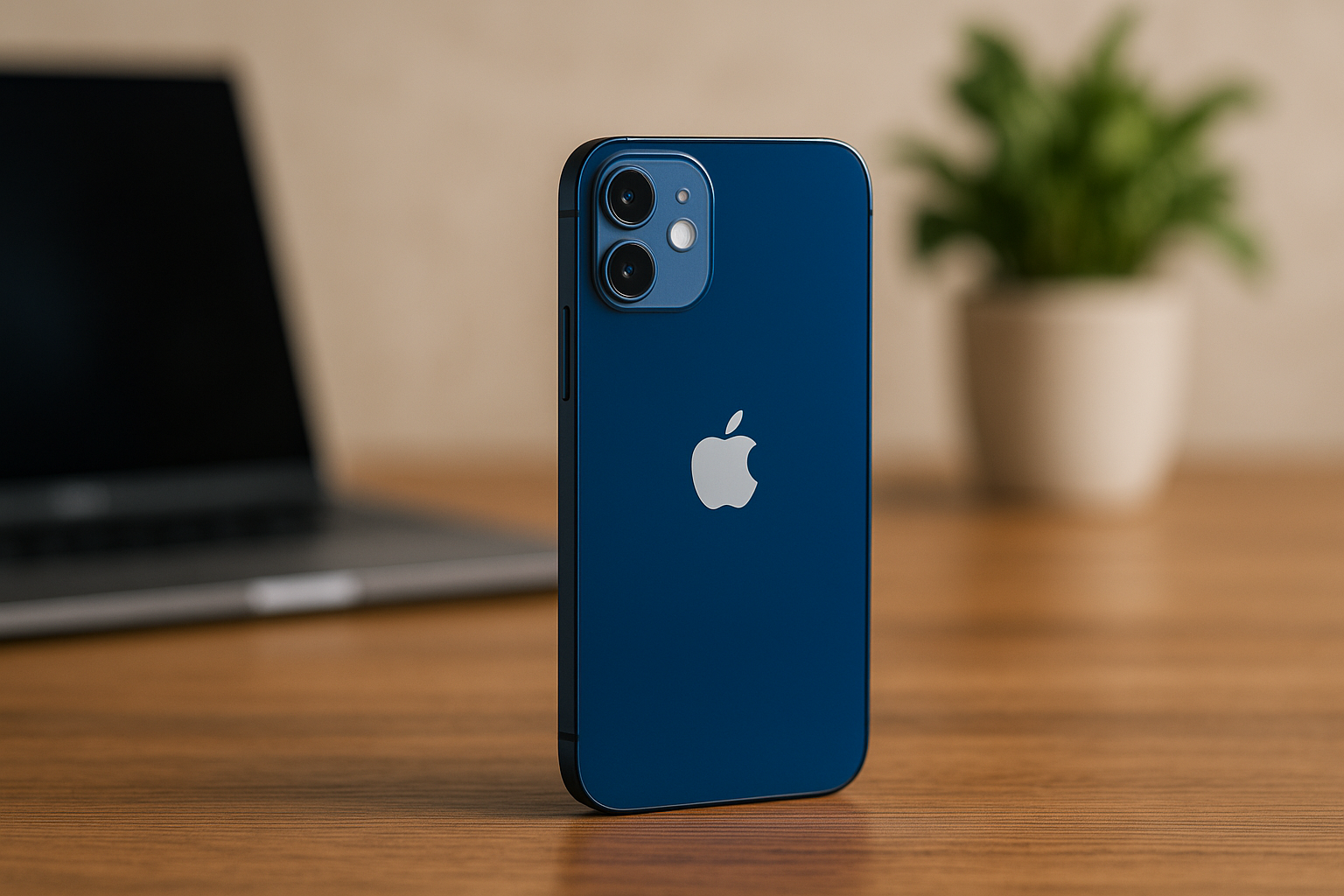
The iPhone SE (2nd generation): Everything You Need to Know
Introduction to the iPhone SE (2nd generation)
The iPhone SE (2nd generation) offers powerful performance in a compact size. This device is ideal for anyone wanting an affordable iPhone with top technology. Discover all the facts and details about the iPhone on this page.The iPhone SE (2nd generation), introduced in April 2020, marks a striking balance between modern technology and classic, familiar design ethics. With this smartphone, Apple has created an option aimed at users who want the latest performance, but in a compact size and at an affordable price. Designed with attention to both functionality and accessibility, the 2nd generation iPhone SE has much to offer in terms of hardware, software, and user experience.
With a 4.7-inch Retina HD display, the device is visually similar to the iPhone 8, but it's what's inside that really stands out. The phone contains Apple’s powerful A13 Bionic chip, the same processor as in the high-end iPhone 11 models. This chip not only offers a fast response and smooth performance but also enables advanced features such as machine learning. This results in improvements in photography, apps, and general system use.
The iPhone SE (2nd generation) also has an improved camera system: a single 12 MP rear camera with support for Portrait mode, Smart HDR, and 4K video recording. On the front is a 7 MP selfie camera compatible with portrait features. In addition, the phone benefits from the newer iOS versions, ensuring long-term software support.
In terms of security and privacy, the device uses Touch ID, integrated into the classic home button. This not only retains user-friendly functionality but also offers an alternative for users who find Face ID less appealing. In addition, the design is water and dust resistant thanks to IP67 certification, ensuring extra durability in everyday situations.
Design and build quality: Classic meets modern
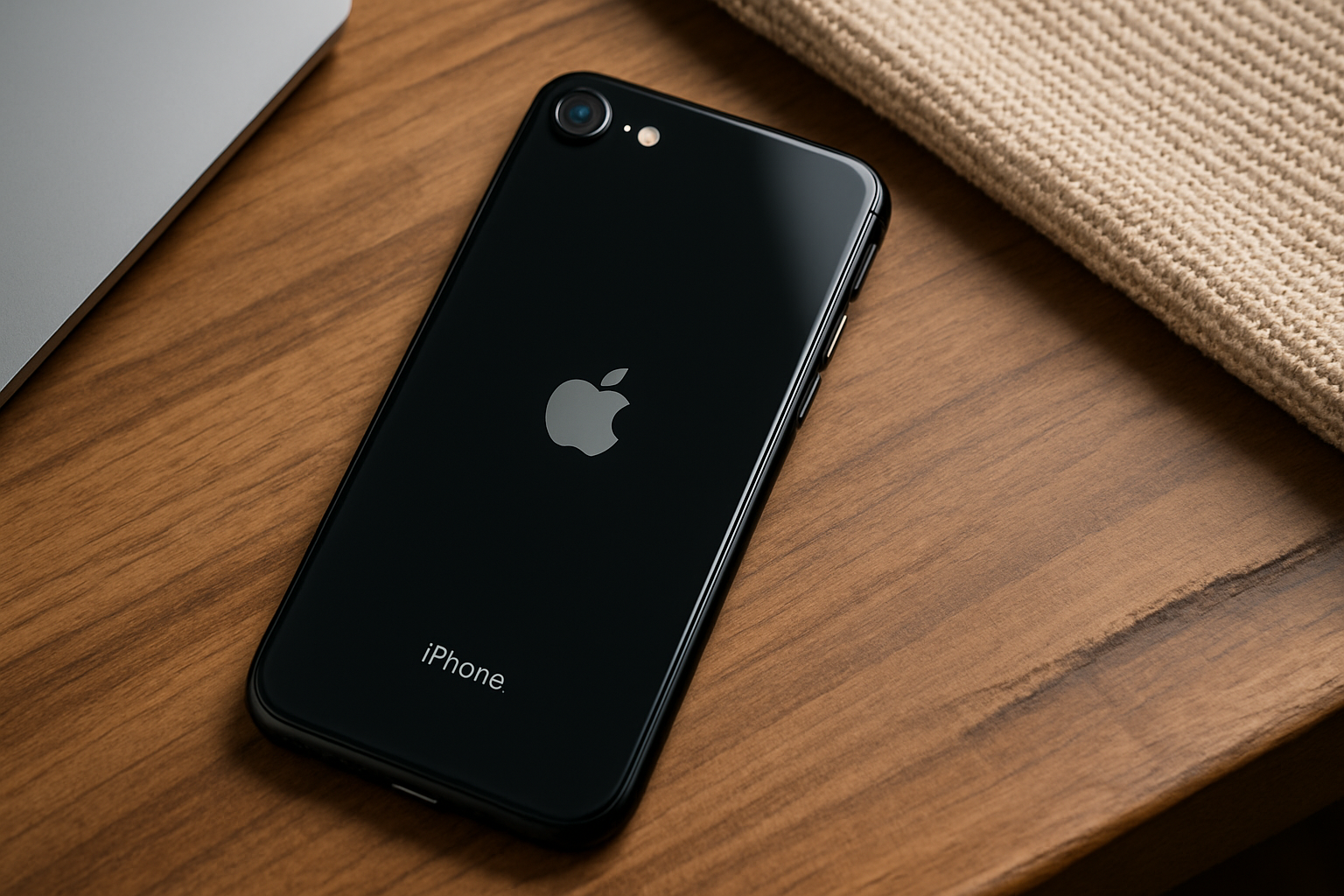
The iPhone SE (2nd generation) brings a unique harmony between classic design and modern functionality. The device has an appearance strongly reminiscent of the iPhone 8, with its aluminum frame and a back made of sturdy glass. This combination of materials not only offers durability but also gives the device a premium look. The compact size is a breath of fresh air for users who prefer a small and handy phone, especially in a market dominated by large screens.
With a screen size of 4.7 inches, the SE distinguishes itself from other models in the iPhone range. The Retina HD display provides sharp, vibrant colors and an excellent viewing experience, despite the smaller size. The physical home button with Touch ID is a nostalgic element that users of older iPhones will appreciate. At the same time, this classic design offers familiar and intuitive navigation.
Apple has paid a lot of attention to build quality. The IP67 rating ensures that the device is resistant to dust and water, meaning it can withstand immersion up to 1 meter deep for 30 minutes without problems. The glass used is the same hardened material as on the back of the more expensive models, contributing to the overall strength of the phone.
Despite the classic form factor, modern elements have been incorporated, such as wireless charging and support for long-term software updates, with which Apple has achieved an admirable balance between tradition and innovation. The design therefore appeals to both loyal fans of classic iPhones and new users.
Display: What can you expect from the screen?
The iPhone SE (2nd generation) comes with a 4.7-inch Retina HD display, which uses LCD technology. With a resolution of 1334 x 750 pixels and a pixel density of 326 ppi, the screen offers sharp details and vibrant color reproduction. This size makes the device compact and handy, but still large enough for a pleasant viewing experience.
Apple has equipped the display with True Tone technology, which automatically adjusts the white balance to the ambient light. This results in natural colors and better reproduction, regardless of where or under what lighting conditions the device is used. In addition, the screen supports the wide P3 color gamut, which ensures richer and more accurate color shades.
An important feature is the support for Haptic Touch, which functions as a shorter and more efficient way to perform actions, such as opening menus or interacting with apps. This replaces the previous 3D Touch functionality that was available in older models.
The contrast of 1400:1 delivers deep blacks, although it cannot match the OLED screens of more expensive iPhones. Nevertheless, the screen brightness of up to 625 nits is more than sufficient for use in bright sunlight. For users who want to watch movies or view photos, the screen offers an excellent balance between price and performance.
While it doesn't have ProMotion technology or support a high refresh rate, the Retina HD display performs extremely well for daily use and offers reliable image quality.
Performance and processor: The power of the A13 Bionic chip
The iPhone SE (2nd generation) is equipped with the powerful A13 Bionic chip, the same processor found in the iPhone 11 series. This 7nm chip offers impressive performance that is noticeable in both daily tasks and intensive applications. Thanks to the fast CPU and GPU, the smartphone can effortlessly run heavy apps, support complex graphical displays, and multitask without any hesitation.
The A13 Bionic includes a 6-core CPU, consisting of two high-performance cores and four energy-efficient cores. This structure allows the chip to deliver high performance while managing power consumption efficiently. In addition, the 4-core GPU is ideal for mobile games, augmented reality (AR) applications, and smooth visual effects.
Artificial intelligence and machine learning
One of the striking features of the A13 Bionic is the integrated 8-core Neural Engine. This component performs up to 1 trillion operations per second, which is essential for applications such as speech recognition, image processing, and personalized suggestions. Machine learning therefore plays a crucial role in functions such as the improved portrait mode, smart Siri responses, and accurate motion detection.
Energy efficiency
Despite its powerful operation, the A13 Bionic is remarkably energy-efficient. This leads to improved battery life, even with intensive use, while heat production is effectively limited. This means the phone remains usable for a long time without frequent charging.
Benefits in daily use
Because of this processor, the user experiences not only higher speed but also a longer lifespan of the device. Apps open faster, software updates are supported for years, and graphically demanding functions work flawlessly.
The A13 Bionic chip makes the iPhone SE (2nd generation) a powerful and future-proof choice for technology users with high expectations.
Cameras: Taking photos on a budget-friendly iPhone
The iPhone SE (2nd generation) offers a powerful camera experience without compromising affordability. This iPhone is equipped with a 12 MP wide-angle lens on the back, capable of taking sharp and detailed photos, even in challenging lighting conditions. Thanks to the A13 Bionic chip, the same processor as in the iPhone 11, image processing is taken to a higher level, with support for features such as Smart HDR and improved portrait modes.
The portrait mode on the iPhone SE gives a professional-looking effect to photos by blurring the background, the so-called bokeh effect. Users can also adjust the degree of blur with the depth control function. Although the iPhone SE only has one lens, the software ensures that portrait photos of both people and objects look impressive thanks to advanced machine learning.
Another striking feature is 4K video recording, which makes it possible to capture razor-sharp videos with a resolution of up to 60 frames per second. For users who want more control, the ability to film in 24 or 30 frames per second offers options for various creative projects. Slow-motion videos with 1080p resolution are also available, a nice extra for capturing special moments.
On the front, the iPhone SE has a 7 MP camera with support for portrait mode and QuickTake videos. This makes it easy to take high-quality selfies and videos with natural colors and detail. All in all, the iPhone SE's camera proves that consumers don't need expensive devices to experience high-quality photography.
Battery life: How does it perform in daily use?
The battery life of the iPhone SE (2nd generation) is an essential factor for users who rely on their smartphone for everyday tasks. Apple has equipped the iPhone SE with a lithium-ion battery whose performance is comparable to the iPhone 8. Although the device does not house a large battery, Apple claims that the optimized power management of the A13 Bionic chip makes a significant contribution to overall efficiency.
In daily use, such as browsing the internet, streaming videos, or performing light tasks, the battery can last an average workday. For intensive users, it may be necessary to charge the smartphone before the end of the day. Apple promises up to 13 hours of video playback and up to 8 hours of streaming, depending on usage. In practice, these figures can vary due to background activities, brightness settings, and the type of network connection.
The device supports fast charging, which means that users with an 18W or more powerful adapter can charge their battery to 50% in about 30 minutes. Wireless charging via the Qi standard is also available, offering extra flexibility. However, the rapid decrease in battery life with heavy apps, such as games or video recordings, could be a point of improvement.
For those switching from older iPhone models, battery consumption may feel like a step forward. Notably, the compact form factor imposes some limitations on the battery capacity, but this is partly offset by efficient hardware and software. Despite this, it remains advisable for users with high demands to take a power bank with them.
Software and updates: iOS functionalities on the iPhone SE
The iPhone SE (2nd generation) runs on iOS, the operating system developed by Apple that is known for its user-friendly interface and regular updates. The compact smartphone benefits from the same software advantages as the high-end iPhones, meaning users have access to advanced functionalities without the higher price of premium models.
Support for iOS updates
Apple is known for providing long-term software support for its devices. Thanks to the powerful A13 Bionic chip, the same processor as in the iPhone 11 series, the iPhone SE is fully compatible with the latest iOS versions. This means that the device will receive updates for years to come, including security patches and new functionalities. This makes it a future-proof choice for users looking for an affordable iPhone.
Main iOS functionalities
The iPhone SE supports a wide range of iOS functionalities, including:
- Dark Mode: Less strain on the eyes and more efficient battery use.
- FaceTime HD calls: For high-quality video calls with other Apple users.
- Widget support: Customize the home screen with widgets that show important information at a glance.
- Apple Pay: Make quick and secure payments using the built-in Touch ID sensor.
- Privacy features: Such as “Sign in with Apple” and improved control over app tracking.
Integration with the Apple ecosystem
Like other iPhones, the iPhone SE seamlessly integrates with Apple services such as iCloud, Apple Music, and Apple Arcade. With features like Continuity, users can connect their iPhone SE to other Apple devices, such as a MacBook or iPad, for example Handoff or answering calls.
Thanks to its software support, the iPhone SE offers a premium experience, even in a smaller and more affordable form factor.
Storage options and pricing: Which configurations are available?
The iPhone SE (2nd generation) offers various storage options that cater to a variety of needs. With these choices, Apple targets both users who need minimal storage space and those who want to store a large amount of data locally. All models are developed with the familiar focus on performance and durability, while remaining attractive to different budgets.
Available storage options
Apple launched the iPhone SE (2nd generation) with three storage capacities:
- 64 GB: Ideal for users who primarily use their device for basic purposes such as streaming content, sending messages, and light photo use. This option is often the most cost-effective.
- 128 GB: A balanced choice for casual users who need more space for apps, photos, and videos, without worrying about storage filling up quickly.
- 256 GB: Perfect for intensive users, such as photographers or video editors, or for those who want to keep an extensive personal library without relying on cloud storage.
Pricing
The pricing of the iPhone SE (2nd generation) varies depending on the chosen storage capacity. The base model with 64 GB is positioned as the most affordable option within Apple's range, while the 256 GB option targets those who demand premium storage capacity. Between these options, the 128 GB variant offers a versatile middle ground. The price of each model reflects the value of the added storage, allowing users to choose based on their specific requirements and budget.
With this variation in storage and price, Apple has made the iPhone SE (2nd generation) accessible to a wide audience, without compromising functionality.
Comparison with other iPhones: Where does the SE fit in the lineup?
The iPhone SE (2nd generation) offers a unique position within the iPhone lineup. With this model, Apple targets users who are looking for an affordable and powerful option, without compromising on the core performance of an iPhone. Compared to other models, such as the premium iPhone 12 and 13 series, the SE has some striking differences, but also strong similarities.
Design and size
The iPhone SE retains the classic design of the iPhone 8, including the 4.7-inch Retina HD display and the iconic home button with Touch ID. This makes it a compact and user-friendly alternative compared to the larger and bezel-less screens of the iPhone 12 or 13. For customers who value a traditional design, the iPhone SE is an attractive choice.
Performance
Thanks to the A13 Bionic chip – the same processor as in the iPhone 11 – the iPhone SE offers impressive performance for its price range. Although newer iPhones, such as the iPhone 13 with the A15 chip, offer better efficiency and more power, the SE remains surprisingly fast and well-suited for demanding apps and games. This makes it a valuable alternative for those who don't need premium specifications.
Camera
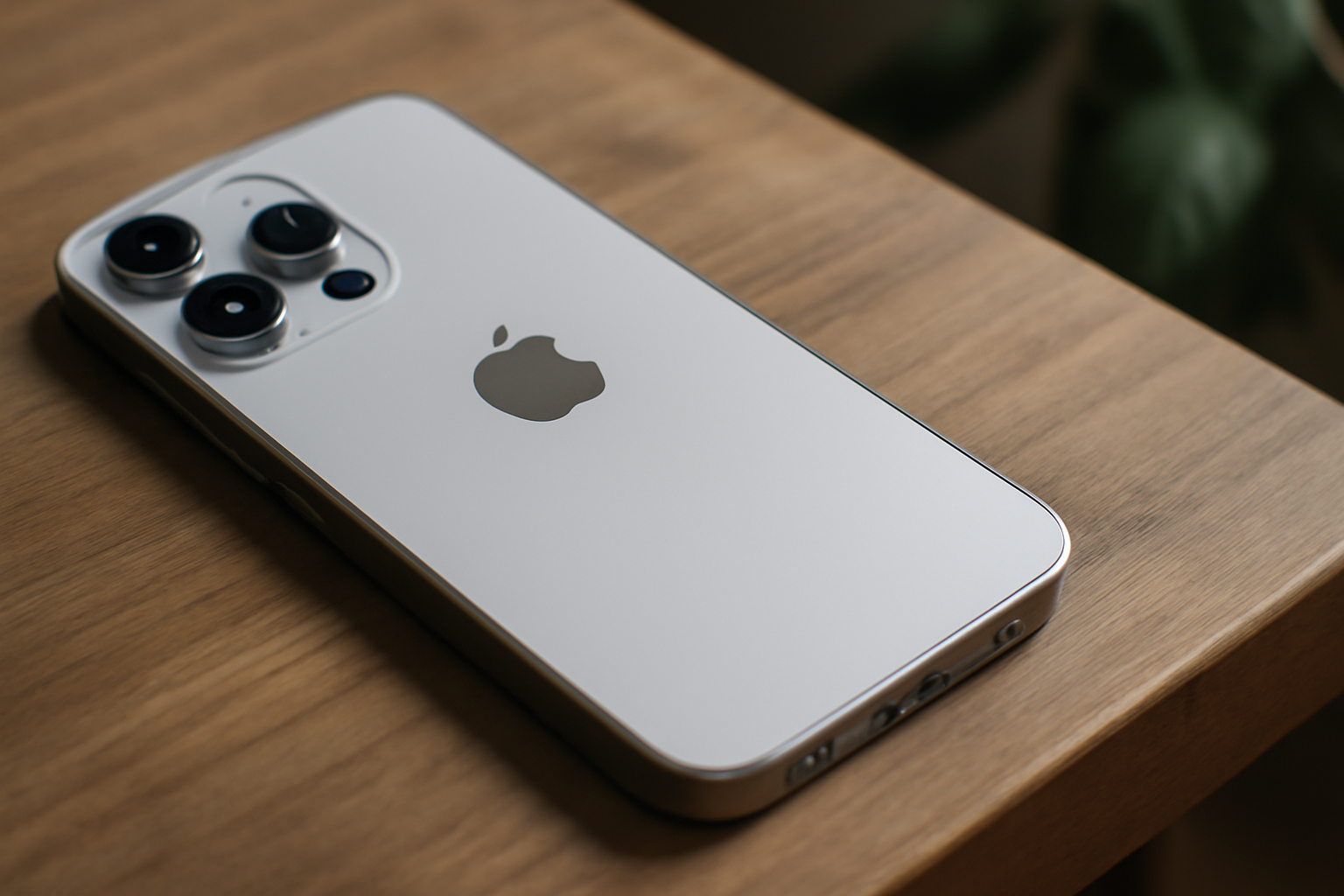
Where higher-segment iPhones have multiple lenses and advanced features, such as night mode and LiDAR scanners, the iPhone SE has a single 12 MP camera. Although less versatile, this camera still offers excellent image quality, especially for a device in this price range.
Price
The iPhone SE is one of the most affordable options in Apple's range. It targets price-conscious users who still want reliability and high-performance.
With all this, the iPhone SE positions itself as an accessible and practical choice between the budget-friendly and premium models from Apple.
Advantages and disadvantages of the iPhone SE (2nd generation)
Advantages
Powerful performance The iPhone SE (2nd generation) is equipped with the same A13 Bionic chip as the iPhone 11 and 11 Pro. This means that the phone delivers fast performance suitable for both everyday tasks and demanding apps and games.
Compact and lightweight design With its 4.7-inch Retina HD screen, this iPhone offers a compact size that is ideal for users who are not fans of larger devices. The lightweight design contributes to ease of use and portability.
Affordable price Compared to other iPhones, the SE (2nd generation) offers premium features at a much lower price, making it an attractive option for those looking for a budget-friendly high-performance smartphone.
Support for iOS updates Thanks to the powerful processor and Apple's long-term support for updates, the device remains compatible with the latest versions of iOS for years to come. This significantly extends the life of the iPhone.
Touch ID sensor The traditional Touch ID sensor, built into the home button, offers a fast and familiar way to unlock the phone, which can be particularly attractive to users who find Face ID less pleasant.
Disadvantages
Outdated design Although the design is recognizable, compared to the more modern devices, it looks a lot less sleek. The thick screen bezels and physical home button are reminiscent of iPhones from a few years ago.
Limited battery life The battery performance of the iPhone SE 2nd generation is not a strong point. Intensive use causes the battery to drain quickly, which can be a disadvantage for some users.
Single camera Although the single 12MP camera delivers solid photos, the flexibility of multiple lenses, such as ultra-wide angle and telephoto, found on newer and more expensive iPhones, is missing.
No 5G support This model only offers 4G LTE connectivity, which can be a limitation compared to newer iPhones that support 5G for faster mobile data.
No facial recognition While Touch ID can be an advantage for certain users, the advanced Face ID feature, which many users consider modern and convenient, is missing.
Who is the iPhone SE suitable for?
The iPhone SE (2nd generation) is designed for a wide range of users, where price, performance, and functionality are carefully balanced. This smartphone targets audiences who value the essence of an iPhone without necessarily investing in premium models such as the iPhone Pro series.
Target groups who benefit from the iPhone SE:
Users with a limited budget For those looking for a new iPhone without paying the higher prices of flagship models, the iPhone SE offers excellent performance for a lower price. It is an ideal choice for consumers who want an affordable device that does not compromise on quality.
Users who prefer compactness With a 4.7-inch Retina HD screen, this model is particularly suitable for people who prefer a smaller device that fits comfortably in the hand and easily fits in a pocket. This makes the SE attractive to lovers of handy smartphones.
Home button enthusiasts The physical home button with Touch ID is a big plus for users who are familiar with older iPhone models and don't want to switch to Face ID or a full-screen design. It retains a sense of recognition and ease of use.
Business users or students The iPhone SE is an excellent choice for people who need a reliable and powerful phone for daily activities such as reading emails, video calling, and multitasking, thanks to the A13 Bionic chip that guarantees high performance.
Users who value long-term support Apple is known for its long-term software support, and the iPhone SE (2nd generation) also benefits from this. Users who want to keep their device for several years can count on regular iOS updates and security patches.
The iPhone SE offers a combination of modern features and traditional characteristics. This makes it appealing to both new users and experienced iPhone owners.
Conclusion: Is the iPhone SE (2nd generation) the right choice for you?
The iPhone SE (2nd generation) offers a unique mix of modern performance and familiar functionalities, making it an attractive choice among the current range of smartphones. Thanks to the A13 Bionic chip, the same processor used in the iPhone 11 series, this device offers excellent performance for its price range. Apps load quickly, gaming experiences are smooth, and the overall user experience is fluid. For someone who doesn't need the latest gadgets, but does value speed and responsiveness, this device can be a logical choice.
The design is classic and based on the iPhone 8, including the beloved physical Home button and Touch ID. Although the 4.7-inch screen size is on the small side by modern standards, this makes the device compact and easy to operate with one hand. This can be attractive to users who find larger smartphones cumbersome. However, those who need a larger screen for media or multitasking may find the size limiting.
Regarding the camera: the single 12 MP rear camera delivers decent results in good light and offers some of Apple’s improvements in photography, such as portrait mode. Despite not being able to keep up with high-end flagships, the camera's performance is more than sufficient for everyday shots and social media. Night photography, however, leaves something to be desired due to the lack of a dedicated night mode.
Another important aspect is the price. The iPhone SE (2nd generation) is one of the most affordable devices in the iPhone lineup and offers an excellent price-performance ratio. In addition, it supports iOS updates for several years, meaning you can enjoy new features and security updates for a long time.
For users looking for a modern device with good performance without a premium price tag, the iPhone SE (2nd generation) is a solid option.