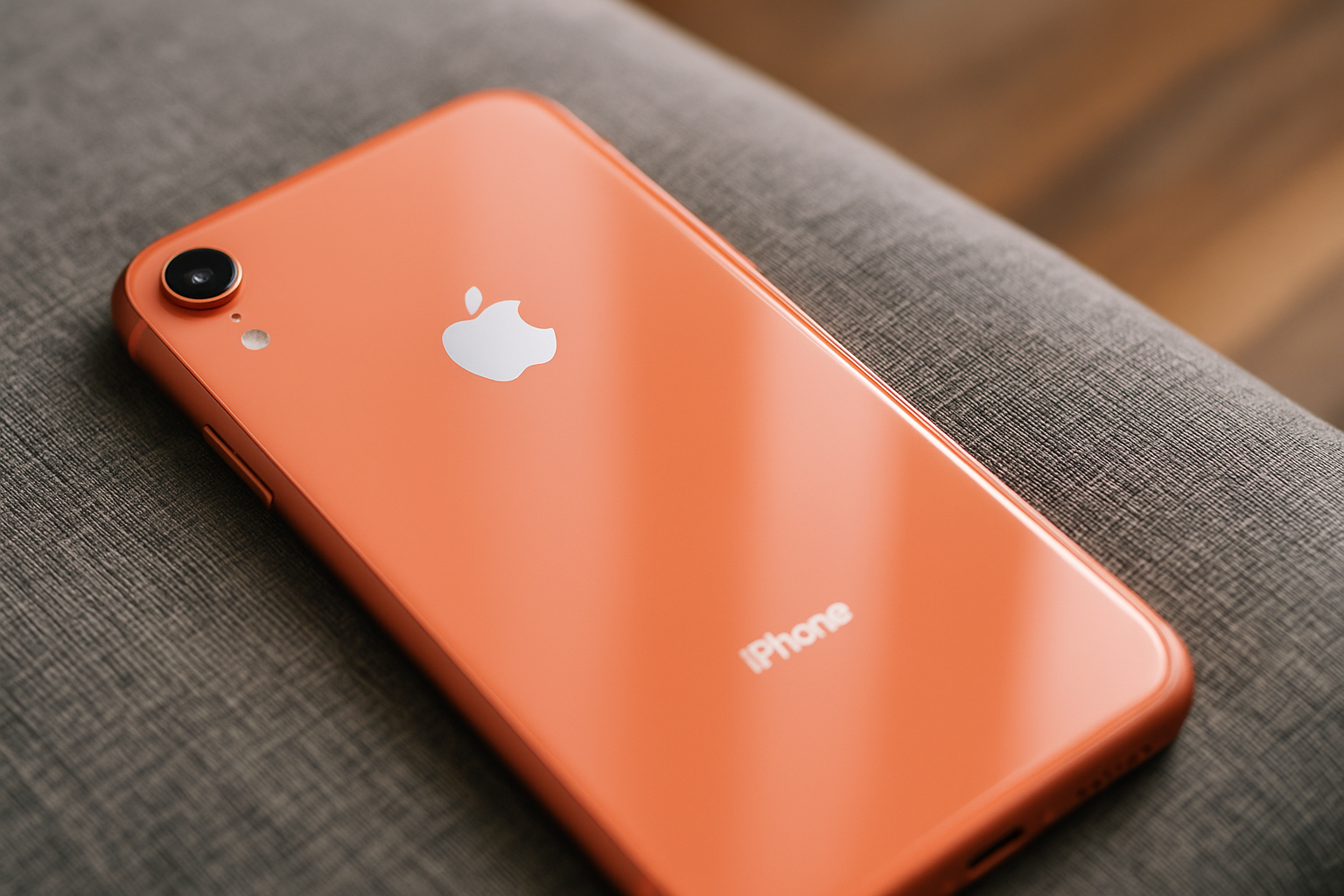
Why the iPhone X is a Revolution in Innovation
Introduction: Why the iPhone X is a Milestone
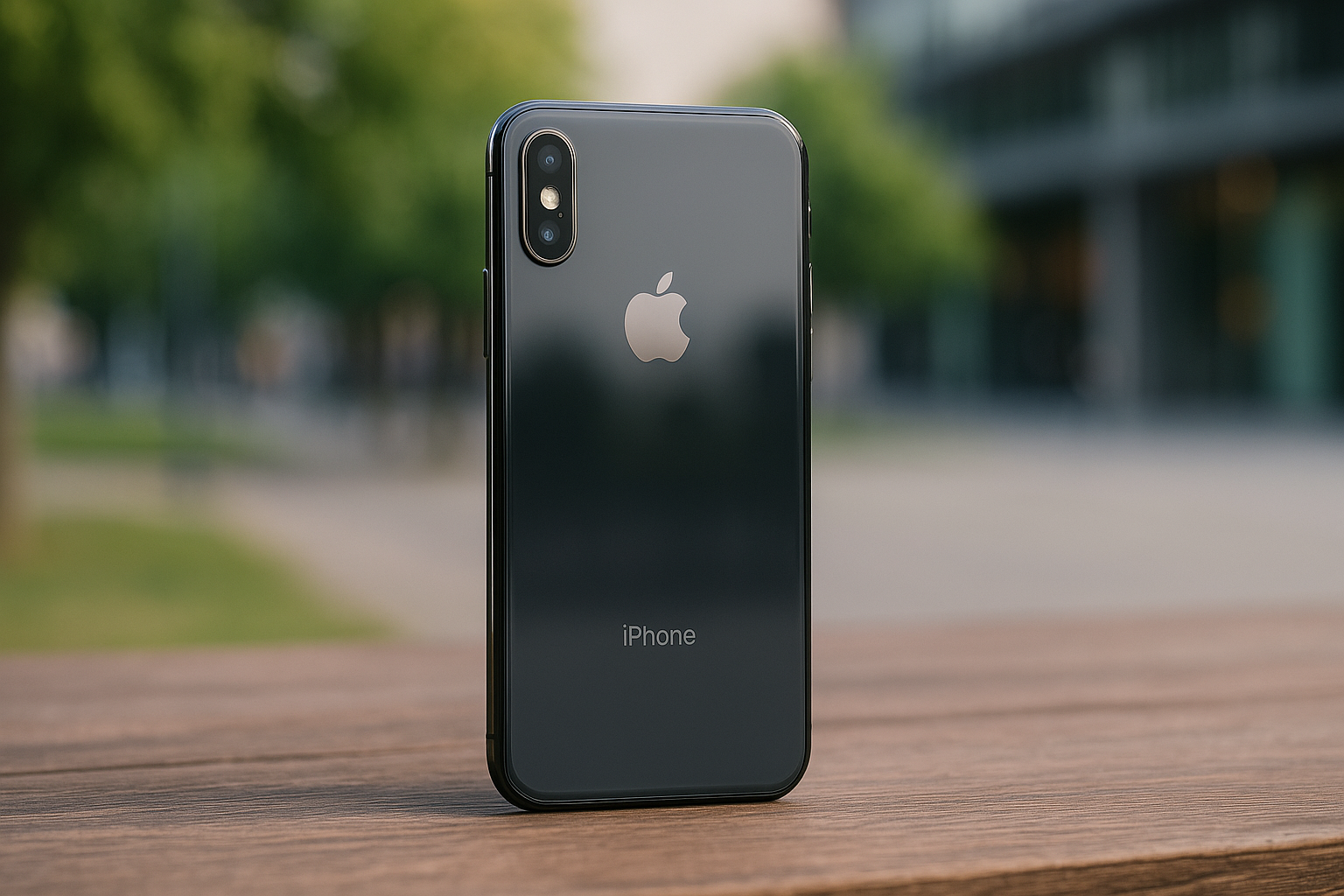
The iPhone X brought innovation with its bezel-less OLED display and Face ID technology. The device is powerful, stylish, and has an excellent camera. Discover more about the iPhone.
The introduction of the iPhone X in 2017 marked a crucial moment in the history of smartphone innovation. With this model, Apple opted for a drastic change of course, resulting in technology and design that set the standard for future devices. Instead of sticking to an evolutionary update of previous models, the iPhone X brought a radical redesign that surprised both users and critics.
One of the most striking features of the iPhone X is the edge-to-edge Super Retina OLED screen, which eliminated the traditional design with bezels and a physical home button. This new screen not only provided an intense visual experience but also forced a reconsideration of interaction with the interface. The introduction of gesture control replaced the traditional home button and offered users an intuitive and modern way to navigate the device.
In addition, the iPhone X meant the introduction of Face ID, a revolutionary biometric verification system that replaced the earlier Touch ID. This system, which uses a TrueDepth camera and advanced 3D sensor technology, set new standards for security and personalization. At the same time, it offered a glimpse into the possibilities of augmented reality applications on smartphones.
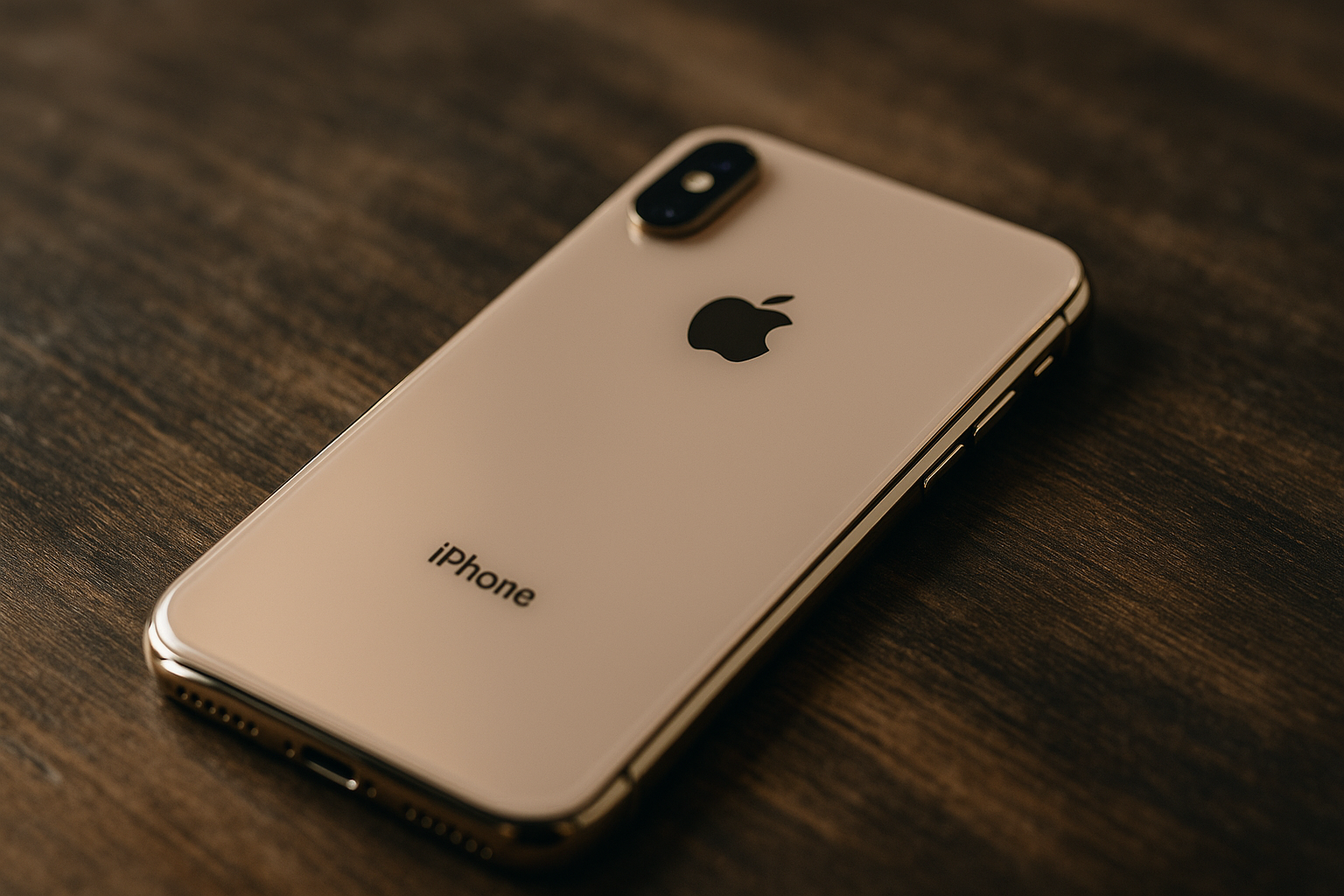
The design of the iPhone X, with its stainless steel edge and glass back, emphasized luxury and durability. This was reinforced by wireless charging, a feature that was implemented by Apple after years of reluctance. With this, the device set a trend that is now ubiquitous in the industry.
With these groundbreaking introductions, the iPhone X proved that technological progress is not limited to incremental improvements. The model symbolized more of a paradigm shift that fundamentally changed the way people perceive, use, and interact with smartphones.
The evolution of the iPhone to the X
Since its introduction in 2007, the iPhone has undergone a remarkable transformation, both in design and functionality. What began as a groundbreaking device with a multitouch screen has grown into a versatile smartphone that has had a significant impact on the technology industry and the daily lives of users worldwide.
The first steps: iPhone to iPhone 3GS
The original iPhone revolutionized the industry by replacing physical keyboards with a full touchscreen. The introduction of the App Store with the iPhone 3G in 2008 was a milestone that changed the way software was distributed. The iPhone 3GS then added speed and improved performance, solidifying its position as a market leader.
Refinement and functionality: iPhone 4 to 6 Plus
The iPhone 4 marked a significant step in design, with the introduction of the Retina display and a glass casing. This device also introduced FaceTime, making video calls more easily accessible. Later models, such as the iPhone 5, implemented larger screens and faster processors, while the iPhone 6 and 6 Plus responded to the demand for larger devices and mobile payment options with Apple Pay.
Innovation in hardware and software: iPhone 7 to 8 Plus
The iPhone 7 broke traditions by removing the headphone jack and focusing on waterproofing and stereo sound. The iPhone 8 brought wireless charging to the series, along with advanced camera optimizations and a more robust glass design. Each model introduced subtle but meaningful improvements in speed, battery life, and photography.
The prelude to a new era: iPhone X
The iPhone X was designed to be more than just an upgrade; it was a clear shift in Apple's vision. With the introduction of the bezel-less OLED screen, Face ID, and a redesigned home button-less design, it ushered in a new generation for the iPhone series. This model was a culmination of years of development and a harbinger of the direction in which mobile technology is moving.
The design: Bezel-less screen and premium build quality
The iPhone X marks a significant milestone in smartphone design. The most striking feature is the bezel-less, 5.8-inch Super Retina HD OLED screen, which occupies almost the entire front of the device. Apple has completely removed the physical home button, paving the way for a more immersive viewing experience. This edge-to-edge design is not only impressive but also functional by providing more screen space in a compact size.
The screen has been developed with striking precision, with True Tone technology and HDR support ensuring that colors are accurately and vividly displayed. The 1,000,000:1 contrast and perfect black levels are possible thanks to OLED technology, a first for Apple on the iPhone. This innovation takes the visual experience to a new level and establishes the iPhone X as a pioneer in display technology.
In terms of build quality, the iPhone X is a paragon of craftsmanship. The combination of surgical stainless steel and scratch-resistant glass creates a luxurious look, while the device also feels robust. This high-quality material use allows for wireless charging, a feature that perfectly complements the sleek design. The glass is reinforced for extra durability and tested under harsh conditions.
Apple has also realized almost invisible transitions between the edges and the screen, which creates a seamless aesthetic. The water and dust resistance of the iPhone X (IP67 certification) underlines that functionality and design go hand in hand. This balance between innovation and craftsmanship makes it a design that effortlessly withstands the test of time.
Face ID: The future of biometric security
The introduction of Face ID on the iPhone X marked a crucial turning point in the development of biometric security. This technology uses a complex system of sensors, an infrared camera, and a so-called "dot projector" to create a detailed 3D map of the user's face. This makes Face ID offer an exceptionally high level of accuracy and security that largely surpasses other biometric methods such as fingerprint scanners.
How does Face ID work?
Face ID works based on advanced technologies, including:
- TrueDepth camera: This camera system projects more than 30,000 invisible dots onto the face to create a detailed depth analysis.
- Infrared sensors: These detect the structure of the face, even in poor lighting conditions or complete darkness.
- Neural Engine: The A11 Bionic chip analyzes the data locally, guaranteeing the speed and privacy of the verification process.
The combination of these elements ensures that Face ID is both safe and user-friendly, with a chance of only one in a million that another face can unlock the phone.
Security and Privacy
Apple emphasizes the importance of privacy when using Face ID. All facial data is stored locally in the iPhone's Secure Enclave and never shared with servers or third parties. In addition, changes in the face, such as wearing glasses or growing a beard, can be recognized without problems thanks to machine learning algorithms that adapt to the user.
A step forward in ease of use
Face ID has not only changed security but also the way users interact with their device. From unlocking the phone to authorizing payments via Apple Pay, every action is faster and more effortless. In addition, it completely replaces the fingerprint verification button, creating space for the new edge-to-edge screen.
Face ID therefore positions itself not only as a technological innovation but also as the standard for future biometric solutions.
Super Retina Display: Razor-sharp images and vivid colors
The iPhone X introduces a remarkable visual experience thanks to the innovative Super Retina Display, which directly influences how users interact with their device. With a screen size of 5.8 inches and using OLED technology, the Super Retina Display offers unparalleled brightness, contrast, and color reproduction. The resolution of 2436 by 1125 pixels, with a pixel density of 458 ppi, ensures razor-sharp images and an amazing level of detail. This makes texts, videos, and photos crystal clear and lifelike.
The OLED screen of the iPhone X is specially designed to take True Tone and HDR support to a higher level. With True Tone, the screen dynamically adjusts to the ambient light using an advanced six-channel light sensor. This results in a more natural viewing experience, regardless of the lighting conditions. With HDR (High Dynamic Range), users can enjoy more vivid colors and deeper color dynamics, perfect for streaming content that supports Dolby Vision and HDR10.
Another remarkable aspect is the contrast ratio of 1,000,000:1, which ensures intensely deep black tones and bright white tones. This technology offers higher image quality compared to traditional LCD screens. In addition, the Super Retina Display supports a wide color spectrum, which is precisely calibrated for a true-to-life representation.
The built-in energy-saving technologies ensure that the performance of the screen is optimized without negatively affecting the battery life. It is a display that combines aesthetics and functionality and offers users an unparalleled viewing experience.
The power of the A11 Bionic chip: Performance redefined
The A11 Bionic chip, introduced with the iPhone X, represents a milestone in mobile processor technology. This six-core processor is designed not only to deliver faster performance but also to handle energy consumption more efficiently. The A11 seamlessly combines power and intelligence, allowing multitasking and demanding tasks to be performed effortlessly.
With two high-performance cores that are up to 25% faster than their predecessors and four high-efficiency cores that perform up to 70% more efficiently, the A11 offers unprecedented flexibility. Tasks such as augmented reality, machine learning, and 3D game rendering are processed effortlessly. In addition, the power of the integrated GPU, specially developed by Apple, enables impressive visual performance and smooth animations.
The Neural Engine section, a groundbreaking innovation of the A11, is optimized for tasks that require artificial intelligence. Think of facial recognition for Face ID, analyzing environments, and improving photos. Thanks to this specific focus, the Neural Engine can perform up to 600 billion operations per second, guaranteeing unparalleled speed and precision.
The A11 Bionic chip is also designed for the future. Innovations such as 10-nanometer production technology result in a smaller chip that generates more power and less heat. This makes the iPhone X not only suitable for the current generation of applications but also for future demands in mobile technology.
With the A11 Bionic chip, Apple not only redefines what a smartphone chip can achieve but also how users experience technology. By combining power, speed, and intelligence, this chip takes mobile technology to a whole new level.
Augmented Reality (AR): A new dimension of technology
Augmented Reality (AR) has transformed the technological world by seamlessly integrating digital elements into the physical environment of users. With the introduction of the iPhone X, Apple has taken a groundbreaking step in making AR technology accessible to a wider audience. The advanced camera system and the powerful A11 Bionic chip play a crucial role in this.
The iPhone X uses TrueDepth technology, an advanced camera system that not only enables facial recognition but also supports extremely accurate AR applications. By combining stereoscopic imaging and machine learning, AR applications can track objects in real-time, estimate depth, and place digital images with precision. This enables developers to design versatile AR experiences, ranging from educational tools to interactive gaming apps.
Apple's ARKit platform, which is fully optimized for the iPhone X hardware, provides developers with powerful tools to create AR applications with an unprecedented level of accuracy and intuition. This has led to the development of applications that allow users, for example, to virtually place furniture in their space or improve healthcare by visually designing medical models.
It is striking how AR is not limited to entertainment. In sectors such as retail, education, and architecture, this technology has radically changed the way complex information is presented and processed. With the iPhone X, Apple has not only refined AR but also popularized it, making the technology an integral part of daily life and professional innovation.
The impact of wireless charging
The introduction of wireless charging on the iPhone X marked a significant turning point in how devices are charged. This technology uses inductive energy transfer via the Qi standard, a globally recognized protocol. By integrating magnetic coils in both the charging station and the phone, energy is efficiently transferred without the need for physical cables. This process not only means convenience but also eliminates wear and tear on charging ports.
One of the main advantages of wireless charging is the ability to charge multiple devices simultaneously, provided the charging mat is compatible. This makes it particularly attractive for users with multiple accessories, such as AirPods and Apple Watches. In addition, the introduction of wireless charging reduces the dependence on various cable standards, simplifying daily use.
The adaptation to this technology has had a broader impact on the market. It has stimulated manufacturers to develop more charging stations and mats, increasing availability and accessibility worldwide. This has led to a growing acceptance of wireless charging points in public spaces such as cafes, airports, and offices.
However, there are some points to consider. The charging speed using wireless methods can be slower compared to traditional cables. This can be considered a disadvantage for some users. Nevertheless, the improved infrastructure around wireless charging shows that this technology is becoming increasingly robust and efficient, gradually reducing limitations.
Camera innovation: Portrait mode and TrueDepth technology
The iPhone X introduces groundbreaking improvements in the field of smartphone photography, with Portrait mode and TrueDepth technology taking center stage. These technologies take image capture to a whole new level, both for the standard camera and for the front camera.
Portrait mode offers users the ability to take professional photos with a prominent depth of field, keeping the subject sharp while the background softly blurs, an effect known as bokeh. This is achieved through advanced machine learning algorithms that can accurately distinguish between the subject and the background. The result is a dramatic and refined effect comparable to photos taken with high-end DSLR cameras.
The TrueDepth camera plays a crucial role in this innovation, specifically designed to support advanced features such as Face ID and Portrait mode with the front camera. This camera uses a network of sensors and infrared technology to create an extremely accurate 3D map of the user's face. In addition, TrueDepth enables Live Portrait Lighting, where users can apply dynamic lighting effects to further enhance their selfies.
The combination of hardware and software in the TrueDepth camera also makes it possible to offer a range of other useful features, such as improved augmented reality (AR) applications and extremely detailed Animoji. Through these technologies, Apple pioneers in delivering camera experiences that are both intuitive and technologically advanced, without compromising ease of use or performance.
With these innovations, the iPhone X not only sets a new standard for mobile photography, but the device also proves that technology and aesthetics can seamlessly merge.
How Apple with the iPhone X has influenced the competition
The introduction of the iPhone X in 2017 by Apple marked a turning point in the smartphone industry. This groundbreaking technology and bold design fundamentally changed the strategies of competitors. The innovative features of the iPhone X, such as Face ID and the bezel-less OLED screen, quickly became benchmarks that the rest of the market had to adapt to.
Apple's decision to remove the traditional home button and opt for swipe-based navigation resulted in a significant shift in design principles within the industry. Shortly after the launch, brands such as Samsung, Huawei, and Xiaomi began to embrace similar features. Smartphone manufacturers began experimenting with bezel-less screens and improving biometric unlocking technology, such as facial recognition and under-screen fingerprint scanners.
A direct impact was visible in the design of smartphones. The rise of thin bezels and the displacement of iconic physical buttons can be traced back to the influence of the iPhone X. The focus on adding advanced camera features, such as portrait mode and AI-based image processing, was also continued as an attempt to match Apple's dominance.
In addition, Apple's approach to premium pricing strategies, started with the iPhone X, has prompted competitors to experiment with higher price ranges as well. This set the stage for the growth of the ultra-premium smartphone market. Even manufacturers that mainly produced budget models felt the need to include high-end options in their portfolio.
With the introduction of the iPhone X, Apple has not only raised the innovative standard but has also guided consumer behavior. The emphasis on technology as a status symbol has been imitated by various brands, which has reshaped the dynamics in the entire industry.
The cultural and technological impact of the iPhone X
The introduction of the iPhone X in 2017 is often seen as a crucial moment in both technological innovation and cultural shifts. This device marked a significant milestone by discarding traditional design elements and embracing groundbreaking technologies that have permanently changed the mobile industry. The iPhone X has not only redefined the functionality of smartphones but has also become a cultural symbol of modernity and luxury.
Technological breakthroughs
The iPhone X introduced Face ID, a facial recognition technology that has since become the standard for biometric authentication. By eliminating the physical Home button, the use of bezel-less OLED screens became possible, resulting in a more immersive user experience. Moreover, the switch to the A11 Bionic chip marked a huge leap in artificial intelligence and machine learning, allowing complex processes to be performed in real-time.
In addition, the TrueDepth camera played a crucial role in the rise of augmented reality (AR) applications. These technologies have not only changed the way users interact with digital content but have also opened the door for new innovations in gaming, retail, and healthcare.
Cultural shifts
Culturally, the iPhone X has become a status symbol associated with innovation and exclusivity. The introductory price of over €1,000 marked a trend in which high-end smartphones are seen not purely as technology but also as luxury goods. This has led to a societal discussion about consumer behavior and the role of technology in daily life.
Furthermore, the popularity of Animojis and other visual features such as the edge-to-edge display have changed our digital communication behavior. People prefer more visual and interactive ways of expression, which has influenced the rise of a new, dynamic era of online communication.
As a result, the iPhone X has not only made technological progress but has also reshaped the way we see smartphones in our culture.
Criticism and challenges: Was the iPhone X worth the price?
When the iPhone X was launched in 2017, the announcement led to both praise and criticism. One of the most discussed aspects was the price, which exceeded the €1000 mark for the first time. This made it one of the most expensive consumer smartphones ever at that time. Many consumers and technology analysts wondered if the device could justify this high price tag.
The criticism mainly focused on whether the innovations the device offered, such as Face ID, the OLED screen, and the bezel-less design, were sufficient to explain the considerable financial investment. Although Face ID was a groundbreaking technology, there were initial concerns about the reliability, speed, and error rate of this facial recognition technology. Users reported problems unlocking in poorly lit environments or when facial hair or accessories such as glasses changed.
Beyond the technology, there were also functional considerations. The lack of a physical home button was a point of discussion, especially among traditional iPhone users who found the new gesture controls difficult to get used to. In addition, the delicate glass construction on both the front and back and the high repair costs after a fall incident were considered major drawbacks.
At the same time, criticism was leveled at the battery life, which some considered substandard given the price of the device. Although the design and technology defined modern standards, for some it did not provide sufficient practical value to justify the premium price, especially compared to competitors who offered comparable features at lower costs. This prompted potential customers to reflect on what "value" actually means in the world of high-end smartphones.
Conclusion: A revolution that changed the direction of innovation
With the introduction of the iPhone X in 2017, Apple set a new standard for what a smartphone can be. This model not only brought technical improvements but also fundamentally changed how users interact with technology. One of the most striking innovations was the disappearance of the physical home button, which led to a full-screen design. This design inspired countless other manufacturers to embrace similar minimalist designs, causing the industry as a whole to take a new direction.
Face ID, a breakthrough in facial recognition technology, placed a new emphasis on biometric security. This technology replaced the well-known Touch ID and showed that authentication can be seamless and intuitive. The use of complex depth sensors and AI-based algorithms showed how advances in hardware and software can create innovative possibilities together.
In the area of screens and performance, the iPhone X offered the following milestones:
- A Super Retina OLED screen with deep blacks and vivid colors, offering users an immersive viewing experience.
- The A11 Bionic chip, which introduced improved speed and advanced machine learning capabilities.
In addition, the iPhone X set a trend by providing stronger support for augmented reality (AR). This increased the potential for new interactions in gaming, retail, and other sectors.
The iPhone X proved that technological innovation goes beyond functional upgrades; it's about redefining what's possible. By raising the bar, this device not only changed consumer expectations but also forced competitors to reinvest and focus on innovation.