iPhone 13 Pro vs. 13 Pro Max: Understanding the Key Differences
Difference between iPhone 13 Pro and iPhone 13 Pro Max
Both the iPhone 13 Pro and iPhone 13 Pro Max offer top-tier performance and innovative features. However, the main difference lies in the screen size and battery life. While the iPhone 13 Pro provides impressive performance in a compact form factor, the iPhone 13 Pro Max offers a larger display and longer battery life, making it ideal for users who desire more screen real estate and extended usage time. Learn more about the distinctions between these two models and find the perfect iPhone for your needs in our selection of Apple products!Here’s an overview:
- Introduction: iPhone 13 Pro and 13 Pro Max
- Design Comparison: Aesthetics and Build
- Display Features: Size, Resolution, and Technology
- Camera Capabilities: Lenses, Sensors, and Photographic Styles
- Performance: A15 Bionic Chip and Efficiency
- Battery Life and Charging: Endurance on the Go
- Storage Options: Choosing the Right Capacity
- Price Points: Cost Implications of Each Model
- User Experience: Handling and Ergonomics
- Connectivity and 5G: Communication Differences
- Accessories and Compatibility: Cases and Add-Ons
- Environmental Impact: Materials and Energy Efficiency
- Final Verdict: Which iPhone is Right for You?
Introduction: iPhone 13 Pro and 13 Pro Max
The iPhone 13 Pro and iPhone 13 Pro Max represent Apple’s high-end smartphone offerings from their 2021 lineup. These devices have captivated users with state-of-the-art technology and cutting-edge features, epitomising the best of Apple’s technological advancements. Both models share many similar attributes, including the powerful A15 Bionic chip, 5G capability, and advanced triple-camera systems. They are distinguished by exceptional build quality, with a surgical-grade stainless steel frame and Ceramic Shield front cover that promises increased durability.
- Both the iPhone 13 Pro and 13 Pro Max come with impressive Super Retina XDR displays with ProMotion technology that offers adaptive refresh rates up to 120Hz.
- The Pro camera system on these phones has been substantially upgraded, with new sensors and lenses for all three rear cameras, equipped to perform in low light and offer styles in photographic profiles.
- These iPhones support Dolby Vision HDR recording and have a LiDAR scanner that aids in augmented reality (AR) applications and improves autofocus in low-light photography.
- With iOS 15 and beyond, these devices boast significant software advancements that leverage extensive computational photography and real-time video and audio adjustments for a rich user experience.
While identical in many respects, the differences between the iPhone 13 Pro and 13 Pro Max primarily lie in screen size, battery life, and handling characteristics. In the ensuing sections, we will delve deeper into the nuances that set these two powerhouse devices apart, helping users discern which model best fits their preferences and lifestyle without sacrificing the luxury and performance that is synonymous with Apple’s Pro series of iPhones.
Design Comparison: Aesthetics and Build
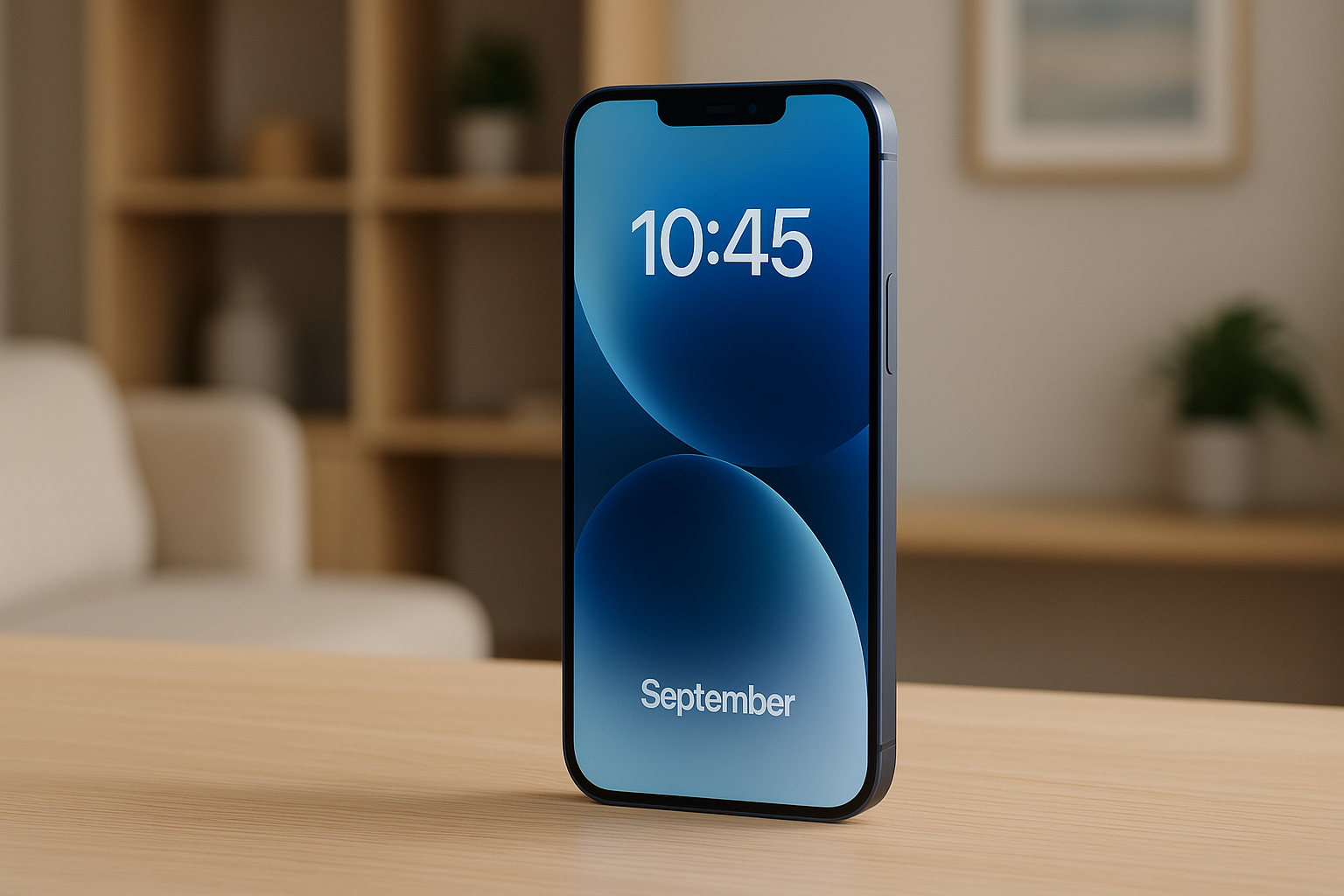
When evaluating the iPhone 13 Pro and 13 Pro Max, it’s evident that both devices uphold the high design standards synonymous with Apple products. They share the same flat-edge design that has become a hallmark of the newer iPhone generations, with a sophisticated matte glass back and a surgical-grade stainless steel frame.
Both models boast an IP68 rating for water and dust resistance, offering robustness in everyday use scenarios. The iPhone 13 Pro and Pro Max are available in identical colour options – Graphite, Gold, Silver, and Sierra Blue – thus providing consumers with a consistent aesthetic appeal across both sizes.
The main physical distinction between the two lies in their dimensions and weight. The iPhone 13 Pro, being the smaller of the two, offers a more compact form factor with dimensions of 146.7mm by 71.5mm. It also weighs less at 204 grams – a difference that could make it more comfortable for prolonged periods of one-handed use or for those who prefer a lighter device in their pocket.
Conversely, the iPhone 13 Pro Max has dimensions of 160.8mm by 78.1mm, necessitating a bigger pocket or handbag space. It tips the scales at 238 grams—a heftier option due to its increased size and accompanying larger display. Users seeking an expansive screen for multimedia consumption or gaming might find the extra weight a fair trade-off.
The screens on both devices feature Ceramic Shield, renowned for its durability and improved drop performance. The fronts share the same notch design, housing the improved TrueDepth camera and Face ID technology.
While the aesthetics between the two iPhones are similar, the choice of size affects both the usability and portability. For consumers, the decision comes down to individual preference for a more compact phone or a larger display, with the understanding that the build quality remains high irrespective of the choice.
Display Features: Size, Resolution, and Technology
When comparing the iPhone 13 Pro to the 13 Pro Max, the display features play a significant role for consumers. These models showcase the latest advancements in Apple’s smartphone display technology, yet they do come with a few key differences.
Size:
- The iPhone 13 Pro boasts a 6.1-inch display, providing ample screen space for daily use while maintaining a comfortable size for one-handed operation.
- The iPhone 13 Pro Max, on the other hand, steps up the viewing experience with a larger 6.7-inch screen. This extra real estate benefits users who frequently engage in activities that benefit from a larger display, such as gaming, watching videos, or multitasking.
Resolution:
- Despite the difference in size, both models feature Apple’s Super Retina XDR display technology, but their resolutions differ to maintain a high pixel density.
- The iPhone 13 Pro offers a resolution of 2532 x 1170 pixels, while the larger 13 Pro Max provides a slight bump to 2778 x 1284 pixels. However, both devices share an impressive 460 pixels per inch (PPI), ensuring crisp and clear visuals across the board.
Technology:
- Each model uses OLED technology, delivering deep blacks and vibrant colours across the spectrum. This results in incredible contrast ratios and true-to-life images.
- Both the iPhone 13 Pro and 13 Pro Max include ProMotion technology, with an adaptive refresh rate up to 120Hz. This feature makes for smoother scrolling and more responsive touch inputs, which is particularly noticeable when playing games or editing high-definition video content.
In terms of display characteristics, while the iPhone 13 Pro Max offers a larger and slightly higher resolution screen, both phones provide the same level of clarity and incorporate the same advanced technologies to enhance the visual experience.
Camera Capabilities: Lenses, Sensors, and Photographic Styles
When it comes to the iPhone 13 Pro and 13 Pro Max, both devices boast identical cutting-edge camera technologies. Despite the difference in their physical sizes, each houses a sophisticated triple-camera system consisting of a telephoto, wide, and ultra-wide lens.
- The telephoto lens offers 3x optical zoom, allowing users to capture distant subjects with clarity and detail without sacrificing image quality.
- The wide lens is equipped with an f/1.5 aperture, which enhances low-light photography by allowing more light to hit the sensor.
- The ultra-wide lens features a fast f/1.8 aperture and a new autofocus system, an upgrade designed to improve low-light shots and macro photography capabilities.
Both models incorporate sensor-shift optical image stabilization, a technology that stabilizes the sensor instead of the lens, yielding sharper images and smoother videos. Furthermore, the larger sensor size on these devices captures more light and detailed information for each shot, thus enhancing the overall image quality.
Photographic Styles are another common feature, enabling users to personalize their photos with preset preferences that adjust the tone and warmth to suit their tastes. These styles can be selected before taking a photo and will apply subtle, real-time edits that can still preserve skin tones naturally.
Night mode, Deep Fusion, and Smart HDR 4 are fully supported on both the iPhone 13 Pro and 13 Pro Max, ensuring that no matter the lighting conditions, the image processing is intelligent enough to produce the best possible results.
While both models share these impressive photographic capabilities, potential users should note that their individual imaging experience may vary slightly due to the difference in screen size, which could affect composing and viewing of photos on the device.
Performance: A15 Bionic Chip and Efficiency
One of the most impressive features shared by both the iPhone 13 Pro and the iPhone 13 Pro Max is the A15 Bionic chip. This powerhouse silicon is at the heart of the enhanced performance and efficiency evident in both models. It is Apple’s proprietary chip, designed to provide high-speed processing capabilities and efficient energy usage that extends battery life significantly.
With a new 6-core CPU and a 5-core GPU, the A15 Bionic chip is engineered to handle complex tasks and heavy workloads with ease. It also supports advanced machine learning with a 16-core Neural Engine capable of performing an astonishing 15.8 trillion operations per second. This processing power is not just theoretical - it translates into fast app launches, smooth gameplay, and excellent camera performance.
Here are several vital points about the A15 Bionic Chip:
It is built on a 5-nanometer process, which is a testament to the chip’s efficiency and the potential for battery life savings.
Despite both phones having the same chip, the battery life can differ due to the difference in size between the iPhone 13 Pro and Pro Max.
The A15 chip allows for new camera features like Photographic Styles and Cinematic mode, which utilises real-time machine learning to create depth-of-field effects.
Both the iPhone 13 Pro and 13 Pro Max come with iOS 15, allowing the A15 chip to be optimised for features like Live Text in photos and system-wide drag and drop.
Given that both models use the same chip, any performance differences arise not from processing power but from other factors such as battery size and display characteristics.
The efficiency of the A15 Bionic also means that despite their advanced capabilities, both the iPhone 13 Pro and the 13 Pro Max maintain excellent battery life, ensuring that users can enjoy sustained peak performance without constant charging.
Battery Life and Charging: Endurance on the Go
When it comes to mobile phones, battery life is a critical factor for users who rely on their devices throughout the day. The iPhone 13 Pro and iPhone 13 Pro Max both boast significant endurance owing to their efficient A15 Bionic chip and optimisations in iOS. However, there are distinctions in their battery capacities due to the difference in size.
The iPhone 13 Pro is equipped with a smaller battery compared to the 13 Pro Max. While Apple doesn’t officially disclose battery capacities, teardowns reveal that the 13 Pro Max has a battery that’s approximately 20% larger. As a result, the 13 Pro Max offers longer battery life—a critical advantage for power users and those frequently on the go.
For instance:
- The iPhone 13 Pro Max provides up to 28 hours of talk time, whereas the iPhone 13 Pro offers up to 23 hours.
- When it comes to internet use, the 13 Pro Max stands out with up to 25 hours, in contrast to the 13 Pro’s 20 hours.
Charging capabilities for both models are identical, supporting MagSafe and Qi wireless charging standards, in addition to fast charging with a 20W adapter or higher—achieving 50% charge in around 30 minutes.
Buyers should also note that neither model comes with a charger in the box—an initiative by Apple to reduce electronic waste. Consequently, users will need to consider purchasing a separate compatible charger if they do not already possess one.
The bottom line is, for users who prioritise longer battery life and spend extensive periods away from a charger, the iPhone 13 Pro Max is the more favorable option. Conversely, the iPhone 13 Pro balances performance and portability with a battery that still meets the needs of the average user.
Storage Options: Choosing the Right Capacity
When selecting between the iPhone 13 Pro and the iPhone 13 Pro Max, understanding the storage capacities available is crucial for potential buyers. Both models offer the same storage options: 128GB, 256GB, 512GB, and the sizable 1TB variant. Choosing the right capacity hinges on individual usage patterns and needs.
For casual users who rely on cloud services for most of their storage requirements, the 128GB version may suffice. This capacity is ample for those who stream music and videos online, take photos occasionally, and download a moderate number of apps.
In contrast, power users such as avid photographers, video creators, or those who prefer to keep an extensive library of media on their device should opt for higher storage variants. The 256GB or 512GB models are well-suited for users with significant storage demands, providing plenty of room for high-resolution photos, 4K videos, and extensive app collections.
The 1TB option is the ultimate choice for professionals or enthusiasts who push the boundaries of content creation with their smartphones. This capacious model can handle extensive video projects, large Raw photo libraries, and is ideal for those who regularly work on-the-go and can’t rely on constant cloud access.
It’s important to remember that the iPhone 13 Pro series does not support expandable storage via microSD cards. Thus, it’s advisable to select a capacity that will accommodate future needs as well, considering the lack of upgradability post-purchase. Evaluating current and anticipated storage requirements will ensure users invest in a model that aligns with their lifestyle and avoids the frustration of running out of space prematurely.
Price Points: Cost Implications of Each Model
When comparing the iPhone 13 Pro to the iPhone 13 Pro Max, potential buyers must consider the cost implications of each model. The two devices, while similar in many respects, differ in price due to variations in screen size and battery capacity.
iPhone 13 Pro
- The iPhone 13 Pro typically starts at a lower price point than the Pro Max option. This is primarily because of its smaller screen size and slightly less demanding battery specifications.
- The base model with the least amount of storage is the most affordable, while increasing the storage capacity will proportionally raise the price.
- Consumers can expect to pay more if they opt for additional features such as increased storage or a specific colour that might be labelled as exclusive or limited edition.
iPhone 13 Pro Max
- The starting price for the iPhone 13 Pro Max is higher, reflecting its larger display and bigger battery, which contribute to the device’s enhanced user experience.
- Just like the 13 Pro, adding more storage will increase the overall cost.
- Special editions or premium finishes will also attract a premium price tag.
Price is often a deciding factor for many users, and it’s worth noting that both models are on the higher end of the smartphone market. The exact cost difference can vary depending on the region, carrier deals, promotions, and tax considerations.
Furthermore, consumers should consider the long-term value retention of each device. Historically, iPhones hold their value well, and choosing between the 13 Pro and 13 Pro Max may also be influenced by resale value prospects.
Lastly, it’s important to weigh the cost against personal preferences and practicality. Is the larger screen and battery of the Pro Max worth the extra expense to the user? These decisions are highly individual and should be carefully thought out against the budgetary constraints and intended use of the device.
User Experience: Handling and Ergonomics
When comparing the iPhone 13 Pro and 13 Pro Max, handling and ergonomics play pivotal roles in user satisfaction and comfort. The iPhone 13 Pro, with its 6.1-inch display, offers a more compact form that’s ideal for one-handed use. Its smaller dimensions, measuring 146.7mm by 71.5mm by 7.65mm, and lighter weight of 204 grams, make it significantly easier to handle, especially over extended periods of use. Users who prefer to operate their phone single-handedly, or have smaller hands, may find the iPhone 13 Pro to suit their ergonomic needs better.
In contrast, the iPhone 13 Pro Max presents a larger 6.7-inch display, providing an expansive viewing experience for media consumption and gaming. This model’s larger size, at 160.8mm by 78.1mm by 7.65mm, and weight of 238 grams, demands more hand real estate. The added weight and dimensions can translate to a need for two-handed operation for many users. However, for those who prioritize display size over handling convenience, the 13 Pro Max offers a more immersive experience.
- The iPhone 13 Pro’s smaller size facilitates easy pocket-ability and less strain during extended use.
- The iPhone 13 Pro Max’s larger screen may be ideal for users engaging in productivity tasks, reading, or video streaming.
It’s important to consider the balance between screen size and comfort. While the iPhone 13 Pro Max delivers on display real estate, the 13 Pro focuses on ergonomic handling. Each model serves distinct user preferences, with the trade-offs centered around individual usage patterns and physical comfort.
Connectivity and 5G: Communication Differences
When evaluating the iPhone 13 Pro and 13 Pro Max, connectivity is a pivotal aspect, with both models showcasing compatibility with 5G networks. This advanced connectivity is a significant leap from previous generations, offering users faster download and upload speeds, lower latency, and improved network reliability. The experience of streaming, gaming, and video calls is enhanced, catering to the demands of the modern user.
However, despite the identical support for 5G, it’s crucial to note subtle differences that might impact user experience based on geographic location and carrier support. It is essential for consumers to verify with their local service providers whether the mmWave or sub-6GHz 5G bands are supported. The iPhone 13 Pro and 13 Pro Max are both equipped to handle these bands, but mmWave technology is currently limited to specific regions, primarily within the United States.
Dual SIM Capability: Both models continue to offer Dual SIM support, with a nano-SIM and eSIM, allowing for two different phone numbers on a single device. This is particularly beneficial for individuals who wish to separate personal and business lines or for travelers who need a local data plan.
Wi-Fi and Bluetooth: On the front of Wi-Fi, both devices feature Wi-Fi 6 compatibility for faster wireless networking. For Bluetooth connectivity, the iPhone 13 Pro and 13 Pro Max are equipped with the latest Bluetooth 5.0 technology, offering improved range and speed for connected devices.
When selecting between the iPhone 13 Pro and 13 Pro Max, it is essential that the differences in size and battery life are not the sole considerations. The user should contemplate their individual connectivity needs, recognise the technical specifications concerning 5G and network compatibility, and consider the potential benefits offered by Dual SIM support, Wi-Fi 6, and Bluetooth 5.0 technology.
Accessories and Compatibility: Cases and Add-Ons
When considering the iPhone 13 Pro and the iPhone 13 Pro Max, accessories and compatibility play a significant role in enhancing user experience. Cases and add-ons designed for these models are specific to their dimensions, accommodating the slight size differences between the two.
Cases: The iPhone 13 Pro and 13 Pro Max require different cases due to their distinctive screen sizes. The iPhone 13 Pro has a 6.1-inch display, while the 13 Pro Max boasts a larger 6.7-inch screen, necessitating cases that align with these dimensions. Consumers must ensure they purchase the correct case corresponding to their iPhone model to guarantee a proper fit.
Screen Protectors: Similarly, screen protectors are made to fit the precise measurements of each device. A protector for the 13 Pro will not fit the 13 Pro Max, and vice versa.
Camera Accessories: Both models feature advanced camera systems, but the larger size of the iPhone 13 Pro Max might influence the compatibility with certain third-party camera accessories like lenses or stabilisers. Users should verify compatibility before investing.
Battery Cases and Power Banks: Specific battery cases are designed for each model considering their size and battery capacity. Nonetheless, universal power banks remain compatible with both, as they connect via a cable.
Mounts and Stands: Car mounts, bike mounts, and stands often have adjustable grips to accommodate a range of sizes, which means they should work with both the iPhone 13 Pro and 13 Pro Max. However, it’s always advisable to check the size specifications for each mount.
Selecting the appropriate accessories ensures not only a better fit and protection but also an optimal user experience. It’s crucial for buyers to recognize the unique requirements of their device when shopping for add-ons.
Environmental Impact: Materials and Energy Efficiency
When evaluating the iPhone 13 Pro against the iPhone 13 Pro Max, it’s essential to consider their environmental impact. Both devices reflect Apple’s ongoing commitment to reducing their ecological footprint through the use of recycled materials and improved energy efficiency.
Recycled Materials: Apple has increasingly incorporated recycled materials into their iPhone designs. Both the iPhone 13 Pro and the 13 Pro Max feature a surgical-grade stainless steel frame, with Apple using recycled material to reduce the demand for new mining. The devices also include recycled gold, used in the plating of the main logic board and the wire in the front camera and rear cameras. Additionally, both models use 100% recycled rare earth elements in all magnets, including those used in MagSafe, contributing to a reduction in electronic waste.
Energy Efficiency: Energy efficiency has been a key focus in the development of the iPhone 13 Pro and Pro Max. Both models are equipped with the A15 Bionic chip, which not only provides powerful performance but also operates more efficiently than previous generations. This results in a longer battery life, despite the Pro Max’s larger battery capacity and screen size. Moreover, Apple reports that both models are free of many harmful substances, including mercury, beryllium, PVC, and phthalates, bolstering their commitment to minimizing environmental toxins.
As part of Apple’s efforts to reduce their carbon footprint, both models’ production processes are designed to be energy-efficient. Apple also emphasizes that both the iPhone 13 Pro and Pro Max meet the energy efficiency standards set by Energy Star. Furthermore, the packaging of both devices has been optimized to eliminate outer plastic wrap, reducing plastic waste and improving recyclability.
Ultimately, while the environmental impact of the iPhone 13 Pro and 13 Pro Max is not negligible, Apple’s initiatives towards using more recycled materials and enhancing energy efficiency contribute positively to reducing their overall environmental footprint.
Final Verdict: Which iPhone is Right for You?
When choosing between the iPhone 13 Pro and the 13 Pro Max, prospective buyers must carefully evaluate their personal needs and preferences.
Portability vs. Display Size: The iPhone 13 Pro offers greater ease of handling and portability due to its smaller form factor. Users who prioritise one-handed use or have limited pocket space may find the 13 Pro more suitable. On the other hand, the 13 Pro Max, with its larger display, is ideal for individuals who frequently consume media or engage in gaming on their device.
Battery Life Expectation: If battery longevity is a critical consideration, the 13 Pro Max outshines its smaller counterpart. Users who are often on the go without access to a charging point and who use their phone extensively throughout the day will benefit from the Pro Max’s extended battery performance.
Budget Considerations: Cost variation is also an essential factor. The iPhone 13 Pro Max comes at a premium, and buyers should ponder if the additional screen real estate and battery life validate the expenditure. Those on a stricter budget might lean towards the iPhone 13 Pro, which still delivers a high-end user experience.
Camera Usage and Performance: Both models offer identical camera systems and capabilities. Content creators and photography enthusiasts can expect outstanding performance from either device, thus making the camera a non-decisive factor in this comparison.
In conclusion, the choice between the iPhone 13 Pro and the 13 Pro Max is subjective and should be influenced by individual preferences concerning size, budget, and usage patterns. Consumers are encouraged to weigh these factors thoroughly to arrive at a decision that offers them the most value and satisfaction.