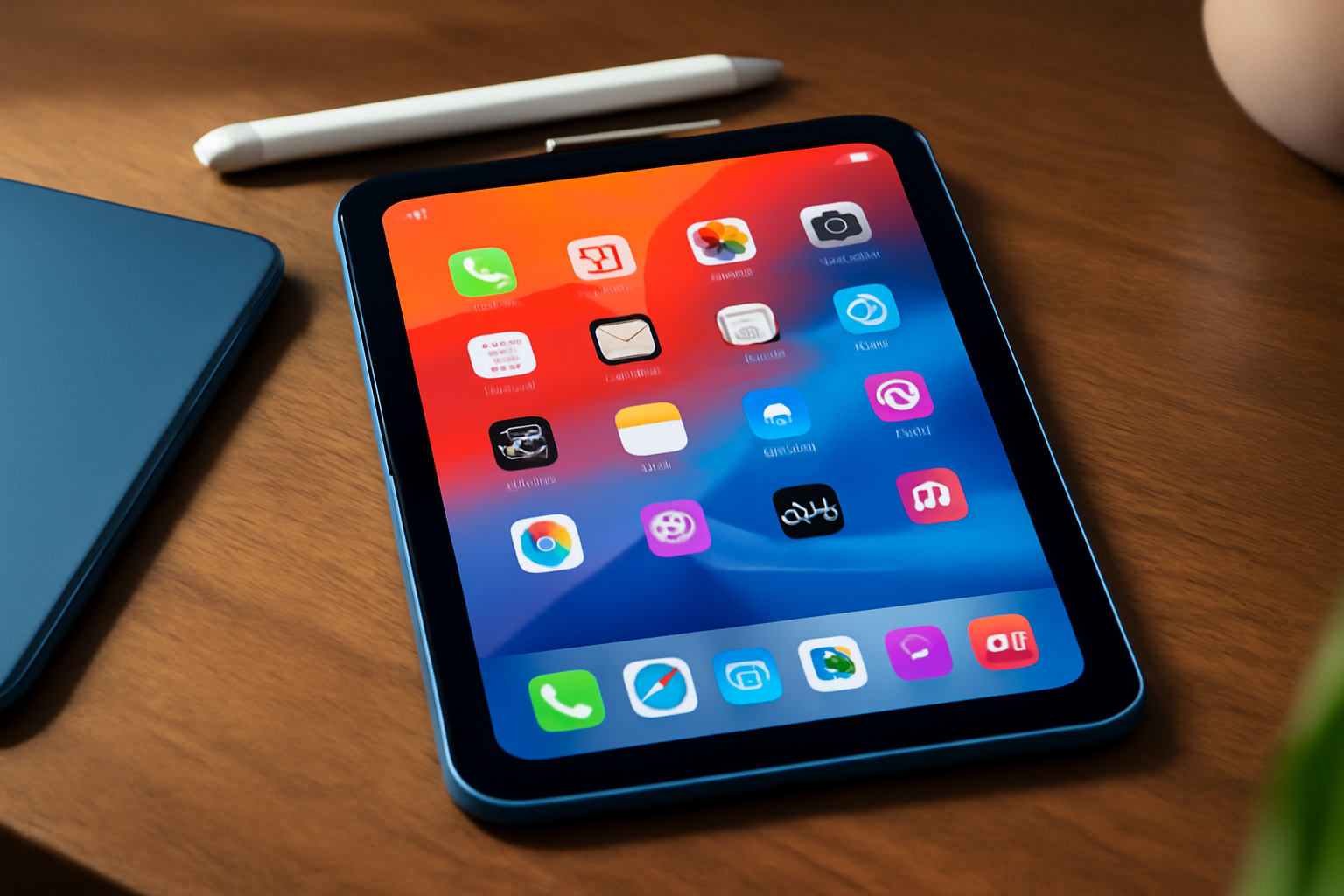
Refurbished vs. Used: An In-Depth Comparison
Here's an overview:
- Introduction: Concepts and Meaning
- Historical Background of Refurbished and Used Products
- Advantages and Disadvantages of Refurbished Products
- Advantages and Disadvantages of Used Products
- Comparison of Price and Value
- Quality Differences and Warranty Conditions
- Environmental Impact and Sustainability
- Consumer Confidence and Safety
- How to Make a Wise Choice
- Practical Tips for Purchasing Refurbished and Used Products
- Conclusion: What's the Best Option for You?
Introduction: Concepts and Meaning
The difference between refurbished and used products is often a source of confusion for consumers. It's essential to clearly define these terms to gain a better understanding of their implications and benefits.
Refurbished
- Definition: A refurbished product is an item that has been returned, overhauled, repaired, and tested by a professional technician to restore it to good working order.
- Process:
- Inspection: The product is thoroughly inspected to identify any defects or wear and tear.
- Repair: Defective parts are replaced or repaired, and sometimes updates are even performed to improve performance.
- Testing: After repair, the product undergoes rigorous tests to ensure that it meets the original factory standards.
- Repackaging: The item is repackaged, often in a new box, and may come with a warranty period comparable to that of a new product.
Used
- Definition: A used product is an item that has been previously used by someone else, without undergoing a professional overhaul process.
- Characteristics:
- Signs of Use: Such products often show signs of use, such as scratches, dents, or other cosmetic imperfections.
- Unpredictability: The performance of used products can vary, depending on how well they were maintained by the previous owner.
- No Warranty: There is usually no warranty or a very limited warranty, which entails more risks for the new owner.
Market Significance
- Price Comparison: Refurbished products are usually more expensive than used items because they have been refurbished and tested. However, both are cheaper than new products, which is attractive to budget-conscious buyers.
- Quality and Reliability: Refurbished products offer a higher degree of certainty in terms of quality and lifespan. Used products, however, can be a cost-effective option with a lower initial purchase price, although they may entail higher maintenance costs in the long term.
- Environmental Benefits: Both options contribute to sustainability by extending the lifespan of electronic equipment and reducing the amount of electronic waste.
These basic concepts form the foundation for a deeper comparison between refurbished and used products, which will aid in making an informed choice.
Historical Background of Refurbished and Used Products
The history of refurbished and used products goes back centuries. Reusing and refurbishing goods is not a new concept. With the rise of the industrial revolution, the way people bought and reused products changed.
Used Market
- Market Beginnings: The used market can be traced back to early human history, where people traded surplus goods in markets.
- Popularity During Wars: During world wars, especially World War II, reuse became crucial due to raw material shortages and production limitations.
- Post-War Growth: In the 1960s and 70s, used goods stores grew significantly, particularly in urban areas.
Emergence of Refurbished Products
- Technological Developments: The rise of technology and electronics in the late 20th century ushered in a new era for refurbished products. Previously, mainly mechanical devices were refurbished, but this changed with the advent of advanced electronics.
- Commercial Practices: Large companies began structured refurbishment programs in the late 1990s and early 2000s. This was particularly the case in the computer and mobile phone industries.
- Consumer Confidence: Through quality controls and warranty programs, consumer confidence in refurbished products gradually increased.
Current Trends and Developments
- E-commerce: The internet has had a huge impact. Platforms such as eBay and Marktplaats have made the used and refurbished market accessible worldwide.
- Sustainability: Sustainability and environmental considerations have fueled renewed interest in refurbished and used products. Consumers are more aware of the environmental impacts of disposable societies.
- Legislation: Governments in various countries have introduced policies to encourage reuse and refurbishment as part of their sustainability initiatives.
Influential Locations and Cultures
- United States: In the US, the concept of 'thrift stores' and 'garage sales' began in the 1950s, leading to a growing culture of buying used goods.
- Europe: Particularly in countries such as the Netherlands and Germany, the concept of 'kringloopwinkels' (second-hand shops) and flea markets became widespread.
- Asia: In Japan, the concept of “nyūsei-hin” or used electronics is highly regarded, with strict quality control.
“Reusable products reflect our collective ability to recognize value in what has already been created.”
A historical overview shows that refurbished and used products are deeply rooted in human behavior and commercial evolution. The evolution of these markets shows how societal trends, technology, and regulation have been crucial in their development.
Advantages and Disadvantages of Refurbished Products
Refurbished products are becoming increasingly popular as an alternative to new and used items. This is mainly due to the balance they offer between price and reliability. However, as with any other product, refurbished products have both advantages and disadvantages.
Advantages
Cost Savings: Refurbished products are typically cheaper than their new counterparts. This makes them an attractive option for consumers who want to save money without sacrificing quality.
Warranty: A major advantage of refurbished products is that they often come with a warranty. This provides extra peace of mind for the buyer, unlike many used products that are often sold without a warranty.
Thorough Inspection and Repair: Refurbished products are typically subjected to a thorough inspection and any necessary repairs. This ensures that the product is restored to good working order before being offered for sale again.
Environmentally Friendly: By choosing refurbished products, you contribute to sustainability. Reducing electronic waste has a positive impact on the environment.
Performance: Refurbished items are often tested and optimized, meaning they can function at a comparable performance level to new products.
Disadvantages
Availability: The supply of refurbished products can be limited. You may not always find the exact model or specifications you want, as with new products.
Technological Obsolescence: Refurbished products are often older models. This means they may not have the latest technologies and features available in newer models.
Cosmetic Defects: Although refurbished products are functional, they may have cosmetic imperfections. Scratches, dents, and other minor cosmetic flaws may be present.
Longer Delivery Times: The processing and inspection of refurbished products can take extra time, which can result in longer delivery times compared to new products.
Residual Value: The residual value of refurbished products may be lower compared to new products. This can affect the resale value in the long term.
By carefully weighing these factors, consumers can make more informed decisions when purchasing refurbished products.
Advantages and Disadvantages of Used Products
Used products offer consumers an alternative way to benefit from used goods at a lower price. However, it is important to carefully weigh the advantages and disadvantages when considering purchasing a used product.
Advantages
Cost Savings: Used products are considerably cheaper than new products. This can save a lot of money, especially for products that quickly become technologically obsolete.
Sustainability: Buying used items contributes to environmental conservation by extending the lifespan of products and reducing waste.
Accessibility of Premium Brands: Brands that are normally out of reach due to their high prices become more affordable when purchased used.
No Depreciation: New products lose value quickly. A used item has already undergone a large part of its depreciation, meaning the value remains more stable after purchase.
Unique Finds: In second-hand shops, consumers often find unique or vintage items that are no longer available in regular stores.
Disadvantages
Quality Variation: Used products can be in widely varying condition. Without a warranty, the risk is greater that products will break down faster or malfunction.
Lack of Warranty: In most cases, used items are sold without a warranty. This means that any repairs or replacements are the responsibility of the buyer.
Limited Stock: The supply of used products depends on what is available. This can result in limited choices or longer waiting times for specific items.
Hygiene and Safety: Certain used items, such as furniture or electronics, may pose hygiene or safety risks, especially if they have been used intensively or carelessly.
Lack of Technological Updates: Used electronics may have outdated software or functions, which are less usable compared to new models.
Quotes About Used Products
“Buying used is not only beneficial for the wallet, but also for the environment by promoting the circular economy.”
“Buyers should be aware of the potential shortcomings of used products, such as hidden damage or missing parts.”
By carefully evaluating the advantages and disadvantages of used products, consumers can make informed decisions that best serve their needs and budgets.
Comparison of Price and Value
When considering the purchase of a refurbished product or a used product, it is important to compare the price and value. Both offer cost savings compared to buying a new product, but there are differences that can influence the final choice.
Price
- Refurbished products: These are typically offered at a significantly lower price than new products, often with discounts ranging from 20% to 50%.
- Used products: These are often even cheaper than refurbished products, but the price discounts can vary depending on the condition of the device, age, and market.
Value
- Refurbished products: These are often labeled as "as good as new". This is because they are intensively tested, repaired, and cleaned before being offered for sale. They also more often come with warranties and customer service support. This adds value because it provides confidence in the functionality and durability of the product.
- Used products: These are usually sold as is without extensive inspection or repairs. This means that the condition can vary, adding uncertainty to the long-term value. However, for buyers who value price above all else, used products may be a better option in terms of price point.
Greater Savings
- Refurbished products: Although they may be more expensive than used options, the cost savings over the life of the product may be greater due to less frequent repairs and better performance.
- Used products: These offer a lower initial purchase price. However, the risk of unforeseen costs due to defects or wear and tear can lead to higher costs in the long term.
Quality and Safety
- Refurbished products: Quality and safety standards are often higher here. These products are checked to meet specific requirements and standards before being reintroduced to the market. This increases the value because it is safer and more reliable.
- Used products: Quality and safety depend heavily on the previous owner and the maintenance of the product. There is usually no warranty, and the buyer must rely on the seller's descriptions, which can result in varying experiences.
In conclusion, choosing between refurbished and used is not only about the price, but also about the value you get for your money.
Quality Differences and Warranty Conditions
When purchasing a refurbished device versus a used device, there are significant differences in quality and warranty conditions to consider.
Quality Differences
Refurbished devices often undergo an extensive inspection and repair process before being reintroduced to the market. This typically involves checking for:
- Hardware problems: Defective parts are replaced with new or refurbished parts.
- Software updates: Devices are provided with the latest software updates.
- Cosmetic restoration: Damage to the exterior, such as scratches and dents, is repaired as much as possible.
In contrast, used devices are usually sold in the condition they are in at the time of sale. This means that:
- No extensive tests have been carried out.
- Any defects or problems have not been resolved.
- Cosmetic wear and tear may be more present.
Warranty Conditions
Refurbished devices often come with a warranty period, which can range from a few months to a year, depending on the supplier. This offers the buyer a certain degree of certainty because any problems within the warranty period can be resolved without extra costs. Typical warranty conditions for refurbished devices are:
- Coverage of defects: The warranty usually covers hardware defects and sometimes software problems.
- Repair or replacement: The device can be repaired or replaced at no extra cost.
- Return policy: Some sellers offer a return policy, where the device can be returned within a certain period.
With used devices, there is often no warranty available, unless it is offered by the private seller, which is rare. This results in:
- No coverage of defects: Any problems after purchase are the responsibility of the buyer.
- No insured repairs or replacements: The buyer must arrange and pay for repairs themselves.
- Limited or no return policy: Return policies are rare and depend on the private seller.
In short, choosing refurbished means investing in reliability and insurance, while used purchases come with more risks and uncertainties.
Environmental Impact and Sustainability
The difference between refurbished and used devices has a significant impact on the environment and sustainability. Refurbished devices undergo a thorough restoration process, meaning that defective parts are replaced and the device is retested for performance and quality. This more extensive process ensures that the lifespan of the device is significantly extended and reduces the need for new raw materials.
Advantages of Refurbished Devices
- Extending lifespan: Repair or replacement processes increase the useful life of the device.
- Reduction of electronic waste: By repairing old devices instead of discarding them, the amount of e-waste is reduced.
- More efficient use of raw materials: By reusing components, new raw materials are less utilized.
Advantages of Used Devices
- Immediate reuse: Used devices can be reused immediately without the intervention of a repair process, saving energy.
- Lower carbon footprint: The sale of used devices does not require production or repair processes, reducing the environmental impact.
Comparison of Environmental Impact:
- Energy consumption:
- Refurbished devices require energy for repair and testing, leading to higher initial energy consumption.
- Used devices have lower initial energy consumption because no repair takes place.
- Material consumption:
- Refurbished devices utilize new parts, which can lead to more material consumption.
- Used devices do not use new parts, minimizing material use.
"Reuse and repair are both crucial for reducing the ecological footprint of electronics."
By analyzing the mentioned advantages and disadvantages of both choices, it appears that both refurbished and used devices contribute to sustainability, each in a unique way. The choice depends on specific contexts and goals.
Consumer Confidence and Safety
Consumer confidence and product safety play a crucial role in the choice of refurbished or used electronics. Both options have unique characteristics that affect the perception of reliability and safety.
Refurbished Electronics
Refurbished products are thoroughly tested, repaired, and cleaned by professionals before being resold. This offers several advantages:
- Warranty: Refurbished products often come with a warranty period, ranging from a few months to a year or longer. This provides consumers with certainty and confidence in their purchase.
- Quality control: Each device undergoes extensive quality checks to ensure that it meets the manufacturer's specifications and meets safety requirements.
- Professional Cleaning and Repair: Devices are professionally cleaned and repaired if necessary, significantly reducing the risk of defects and safety problems.
Used Electronics
Used devices are usually sold as is, often without extensive testing or repairs. Consumers must consider the following factors:
- No Warranty: Used products are rarely offered with a warranty, meaning buyers are responsible for any future repairs or replacements themselves.
- Minimal Quality Control: Most sellers perform only limited tests, which may mean that potential problems go unnoticed until the device is used.
- Uncertainty about Prior Use: Used devices may show signs of wear and tear or have hidden defects due to misuse by previous owners.
Consumer Rights and Protection
Consumers should be aware of their rights when purchasing both refurbished and used products. European legislation provides certain protections:
- Refurbished: Sellers are required to deliver products that meet the described condition and expected performance. Customers are entitled to repair, replacement, or refund for defects within the warranty period.
- Used: Protection is often more limited, especially with purchases from private sellers. Customers usually have fewer options for redress in case of problems and must rely more on the seller's integrity.
By considering these factors, consumers can make informed decisions when choosing between refurbished and used electronics.
How to Make a Wise Choice
When choosing between refurbished and used products, it is important to consider several factors. These factors can help make an informed decision that is both financially and functionally sound.
Specifications
Note the product specifications to ensure it meets the expected performance. This should include:
- Processor speed
- Memory capacity
- Storage space
- Battery life (for mobile devices)
Warranty and Service
Warranty and service conditions are crucial when considering a purchase. Refurbished products often come with a warranty and technical support, which can reduce the risk. It should be noted:
- Warranty duration
- Associated service agreements
- Availability of technical support
Price-Quality Ratio
Analyze the price in relation to the quality and functionality of the device. Refurbished products may be slightly more expensive than used variants, but generally offer better performance and reliability. Consider the following points:
- Purchase cost
- Possible savings after purchase
- Long-term investment value
Seller Reputation
The seller's reputation plays a major role in the reliability of the product. Check the seller's background by:
- Reading reviews and ratings
- Investigating their accreditation and certification
- Verifying their return policy
Environmental Friendliness
For conscious consumers, the environmental friendliness of their choices is important. Refurbished products often have a smaller ecological footprint than new products. Factors to consider are:
- Degree of recycling in the refurbishment process
- Durability of used components
- Impact on electronic waste
Laws and Regulations
Certain laws apply in the Netherlands that protect consumer rights. This is particularly relevant for refurbished products, which are usually sold compliant. Keep in mind:
- Legal warranty periods
- Consumer protection laws
- Take-back and recycling obligations
By carefully considering the above factors, an informed choice can be made between refurbished and used products, leading to a satisfied and sustainable purchasing experience.
Practical Tips for Purchasing Refurbished and Used Products
When considering the purchase of a refurbished or used product, there are several aspects to consider. These tips help buyers make an informed choice.
Quality and Warranty
- Check the warranty: Refurbished products often come with a warranty. This can range from a few months to a year or longer. Used products, on the other hand, usually do not have a warranty.
- Quality checks: Refurbished devices undergo extensive testing and repairs. Always ask for details of these processes. Used purchases may not have the same quality control, so inspection is important.
Seller Reliability
- Official sellers: Buy refurbished products from authorized sellers or manufacturers. This ensures more reliability.
- Reviews and ratings: Check reviews and ratings of the seller, whether it's a refurbished or used seller. This provides insight into previous experiences of other buyers.
Price Comparison
- Price-quality ratio: Compare the prices of refurbished devices with new models and used goods. Refurbished products can often offer a better price-quality ratio due to the warranty and quality tests.
- Negotiation: With used products, negotiation is often possible, which can lead to lower costs.
Parts Availability
- Repair options: For refurbished devices, parts are often easier to obtain. Inquire about the availability of parts, especially for older models.
- Maintenance history: With used purchases, ask about the maintenance history to gain insight into any future repair needs.
Environmental Considerations
- Sustainability: Both options are sustainable, but refurbished products may have further importance because they are fully inspected and often perform better than uncontrolled used products.
- Recycling: Preferably choose sellers who support sustainability and recycling, both for refurbished and used purchases.
Specifications and Model
- Current specifications: Refurbished products often have newer models available. Always check that the device meets the required specifications.
- Compatibility: Ensure that used products are compatible with other equipment and can run up-to-date software.
By following these practical tips, you can make conscious choices when purchasing refurbished or used products, allowing you to get the most out of your investment.
Conclusion: What's the Best Option for You?
Several factors play a role in choosing between refurbished and used products. Which option is best depends on personal preferences, needs, and budget. Here are some considerations to help make an informed decision:
Quality and Reliability
- Refurbished: These products have been thoroughly inspected, repaired, and tested before being reintroduced to the market. This process guarantees a high degree of reliability and functionality.
- Used: These products are sold as is. Without a standard inspection or repair process, reliability can vary depending on the previous owner.
Warranty and Support
- Refurbished: Usually come with a warranty period that can range from a few months to a year. This provides extra certainty and protection for the buyer.
- Used: Warranty is usually not included, which increases the risk of extra costs for repairs.
Price Level
- Refurbished: Generally more expensive than used, but often still cheaper than new products. The price reflects the added value of the inspection, repair, and warranty.
- Used: Often the cheapest option, but with a greater variation in price depending on the condition of the product and the seller.
Environmental Impact
- Refurbished: By reusing existing materials and parts, the waste mountain is reduced and the lifespan of equipment is extended. This makes it a more environmentally friendly choice.
- Used: Also a sustainable option, as it extends the life of products and reduces the need for new production.
Availability and Choice
- Refurbished: Available from specialized companies and often with a limited selection of models and brands. This can be restrictive, but guarantees a certain quality level.
- Used: A wider variety of products available through private sellers, online marketplaces, and auctions, which can lead to finding unique and rare items.
When considering these factors, you must determine which aspects are most important for your specific situation.