iPhone 16 vs iPhone 15: Which one to choose?
Discover whether it's worth upgrading from the iPhone 15 to the iPhone 16.
Here's an overview:
- Introduction
- Design and Build Quality
- Screen and Image Quality
- Performance and Hardware
- Cameras & Photo Quality
- Battery Life and Charging Options
- Software and Updates
- Storage Options and Memory
- Connectivity and Network Capabilities
- Price and Value for Money
- User Experience and Feedback
- Availability and Future Updates
- Conclusion: Which one to choose?
Introduction
The battle between the iPhone 16 and iPhone 15 is on, and consumers face the challenging choice of deciding which model best fulfills their needs and expectations. Every year, Apple introduces new features and improvements that leave users constantly in a dilemma about whether or not to upgrade to the latest version. This article offers a thorough comparison of these two devices to help potential buyers with this important decision.
When evaluating these two models, it's crucial to analyze various features and specifications. This includes performance, camera quality, battery life, design, and price. Besides these core aspects, smaller details such as software support and accessories can also influence the final choice.
Performance
- Chipset and speed: The iPhone 16 is powered by the latest A17 Bionic chip, while the iPhone 15 used the A16 Bionic. This gives the iPhone 16 improved speed and efficiency.
- RAM and storage: Both models offer similar RAM options, but the iPhone 16's storage capacity has been expanded with higher maximum options.
Camera
- Resolution and sensors: The iPhone 16 introduces improved resolutions and more advanced sensors compared to the iPhone 15, resulting in sharper and more vibrant photos.
- Video quality: Improvements in video stabilization and recording options make the iPhone 16 attractive to video enthusiasts.
Battery and Charging Time
- Battery capacity: The iPhone 16 has a slightly larger battery, allowing for longer usage compared to the iPhone 15.
- Fast charging options: Both models support fast charging, but the iPhone 16 offers a slightly faster charging time.
Design and Screen
- Build quality: The iPhone 16 retains Apple's signature premium design with a subtle update in material choice and durability.
- Screen technology: While both models use OLED screens, the iPhone 16 has higher brightness and better color accuracy.
Price and Availability
- Price difference: The newer technology of the iPhone 16 comes with a higher price compared to the iPhone 15, which may be available at a lower price from certain retailers.
By accurately comparing these aspects, this article helps readers make an informed decision about their next smartphone purchase.
Design and Build Quality
The iPhone 16 and iPhone 15 show significant differences in design and build quality that are important to potential buyers.
Materials
- iPhone 16: The iPhone 16 uses high-quality materials such as armored glass on the front and back, surrounded by a stainless steel frame. This not only provides a premium feel but also offers extra durability.
- iPhone 15: The iPhone 15 uses a combination of aluminum and glass, making the device lighter and slightly less expensive, but at the cost of higher durability compared to the iPhone 16.
Design
Display:
- iPhone 16: The design of the iPhone 16 includes a nearly bezel-less display with a smaller notch, giving users a more immersive viewing experience.
- iPhone 15: The iPhone 15 also features a notch, but it is slightly larger, which can be a limiting factor in multimedia use.
Form factor:
- iPhone 16: This model is slightly thinner and lighter compared to the iPhone 15, without compromising battery life or functionality.
- iPhone 15: Takes a more traditional approach with a slightly thicker casing but retains a classic, recognizable aesthetic.
Color Options
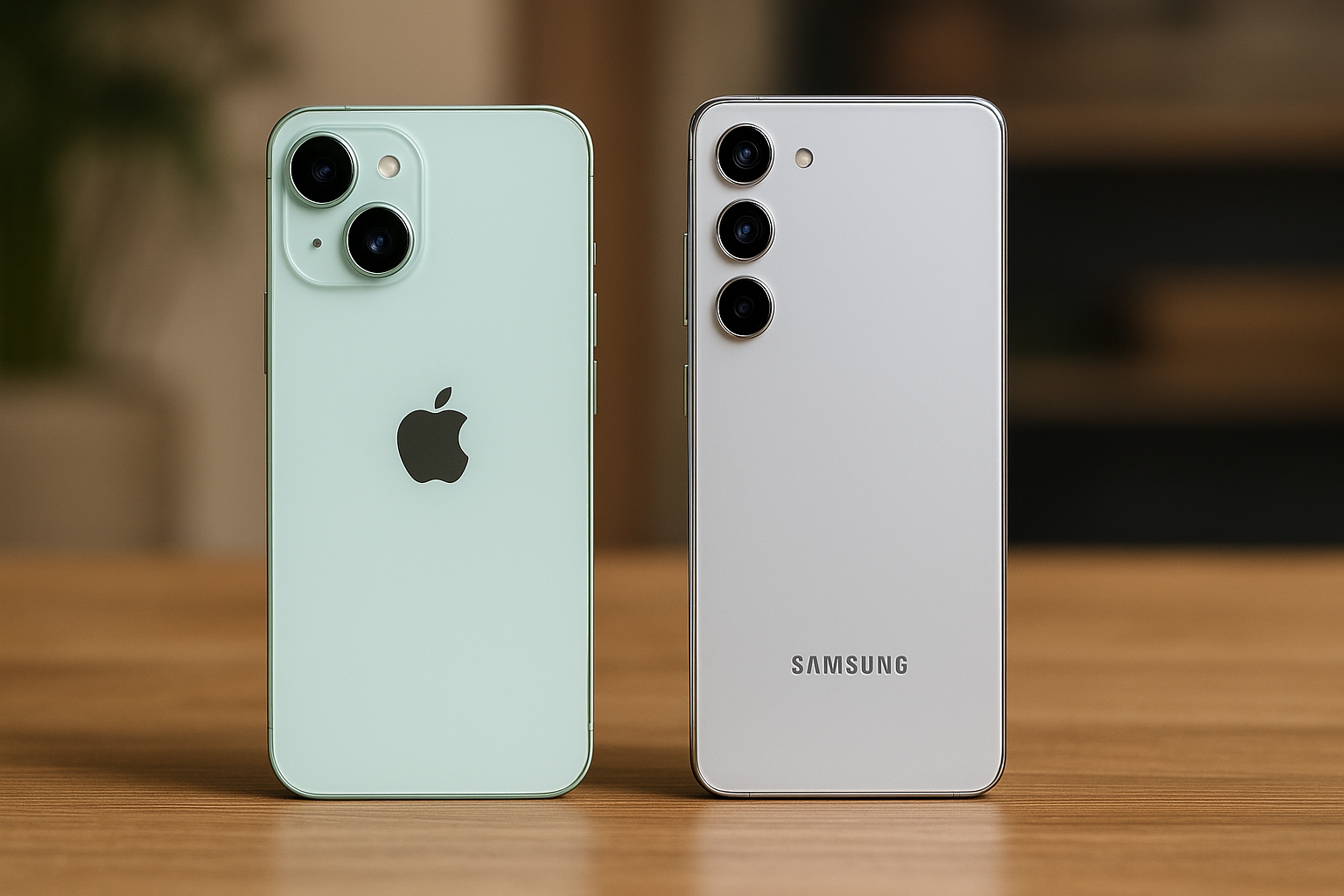
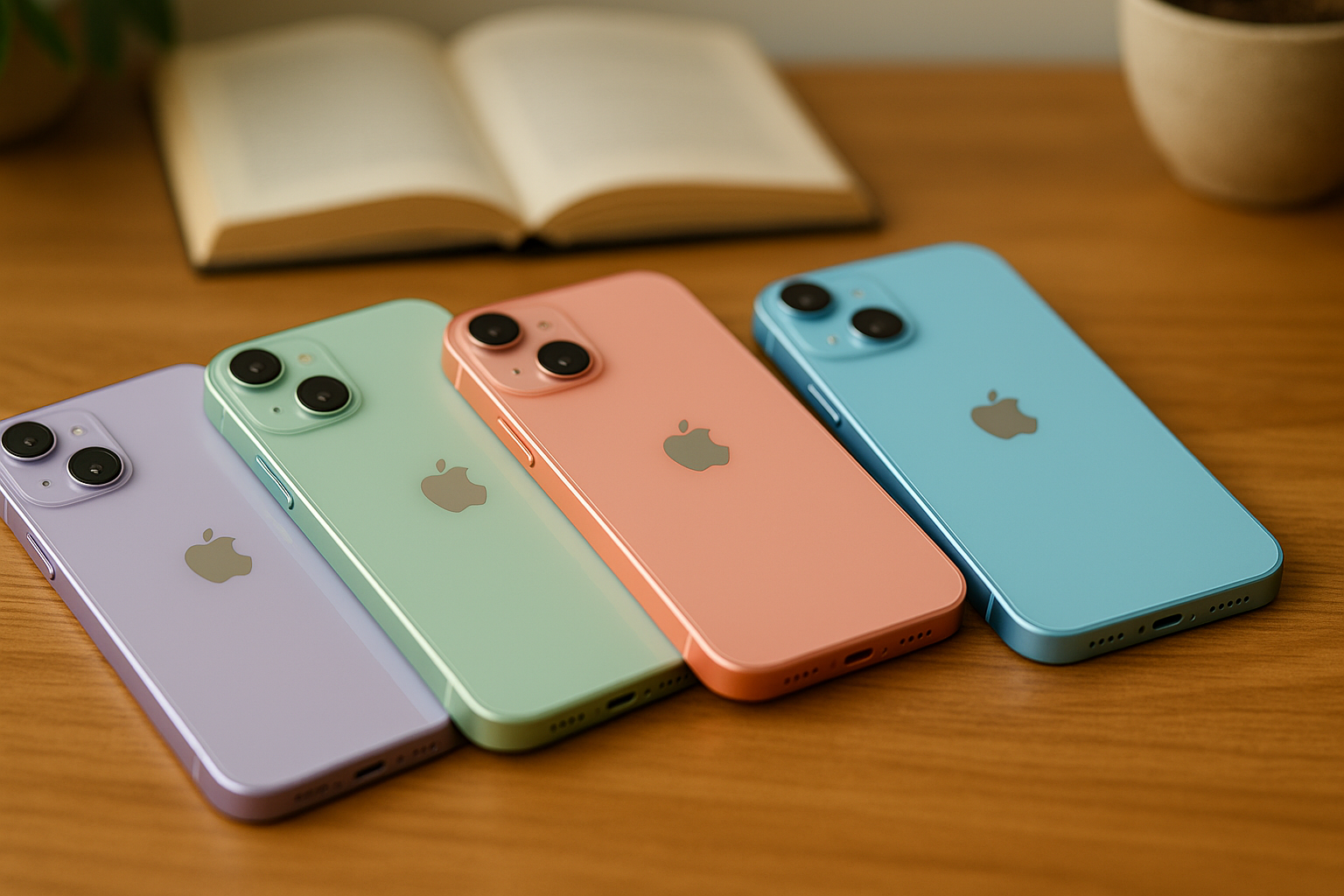
- iPhone 16: Available in a wider range of colors, including exclusive premium options such as deep blue, jade green, and silver.
- iPhone 15: Comes in standard colors such as black, white, product-RED, and gold, which may offer less choice for users looking for something unique.
Details and Finish
- iPhone 16: More attention has been paid to the smallest details, with seamless transitions between different materials and improved tactile buttons that provide firm feedback.
- iPhone 15: While solidly built, this model has standard buttons and lacks the refined finishes of its successor.
Furthermore, user feedback and professional reviews show a clear preference for the build quality of the iPhone 16, suggesting that Apple has significantly invested in improving the experience design in their latest model.
Screen and Image Quality
An important aspect when comparing the iPhone 16 and iPhone 15 is the screen and image quality. Both models use Super Retina XDR OLED technology, which provides vibrant colors and deep blacks. However, there are some differences worth mentioning.
Screen size:
- iPhone 16: 6.7 inch
- iPhone 15: 6.1 inch
Resolution:
- iPhone 16: 2778 x 1284 pixels
- iPhone 15: 2532 x 1170 pixels
PPI (Pixels Per Inch):
- iPhone 16: 458 ppi
- iPhone 15: 460 ppi
Refresh Rate
The iPhone 16 introduces an improved refresh rate of 120Hz, which provides smoother scrolling and smoother animations. The iPhone 15, on the other hand, has a standard refresh rate of 60Hz. This difference is especially noticeable when using apps that contain a lot of movement and transitions, such as games and video editing apps.
Brightness and HDR
The maximum brightness of the iPhone 16 has been increased to 1200 nits for standard content and 1600 nits for HDR content. The iPhone 15 offers a maximum brightness of 800 nits for standard content and 1200 nits for HDR. This gives the iPhone 16 better performance in bright sunlight and more vibrant HDR rendering.
True Tone and Color Reproduction
Both models feature Apple's True Tone technology, which adjusts the white balance of the screen to the ambient light for a more natural image. In addition, both models support a wide color gamut (P3), which ensures accurate and vibrant color reproduction.
Extra Protection
The screen of the iPhone 16 has also been further optimized with Ceramic Shield, which was previously exclusive to the Pro models. This makes the display four times more resistant to damage when dropped compared to the iPhone 15, which is still excellently protected, but does not offer the same improvements.
It should be noted that users who value the latest technologies in screen and image quality may be more inclined to choose the iPhone 16.
Performance and Hardware
The performance and hardware of the iPhone 16 and iPhone 15 show significant differences that are worth considering.
Processor and RAM
iPhone 16:
- Equipped with the new A18 Bionic chip, which provides a significant jump in processing power.
- Features 8 GB of RAM, which makes multitasking and running demanding apps smoother.
iPhone 15:
- Offers the A16 Bionic chip, which is still powerful, but cannot match the speed and efficiency of the A18.
- Has 6 GB of RAM, which is sufficient for most users, but offers less capacity than the latest models.
Storage Options
iPhone 16:
- Available in variants of 128 GB, 256 GB, 512 GB, and 1 TB.
- The range of storage capacities makes it an attractive choice for users with diverse needs.
iPhone 15:
- Offers storage options of 128 GB, 256 GB, and 512 GB.
- The absence of a 1 TB option may be a limitation for power users.
Battery Life
iPhone 16:
- Improved battery life thanks to the more efficient A18 chip and new battery technology.
- Supports fast charging up to 30W.
iPhone 15:
- Good battery life, but not as impressive as that of the iPhone 16.
- Supports fast charging up to 25W, which is slightly slower compared to the newer model.
Display
iPhone 16:
- Has a 6.1-inch Super Retina XDR display with ProMotion technology.
- ProMotion provides a smoother screen due to the higher refresh rate up to 120Hz.
iPhone 15:
- Equipped with a 6.1-inch Super Retina XDR display, but without ProMotion technology.
- Refresh rate limited to 60Hz, which is noticeable with fast movements and animations.
Camera
iPhone 16:
- Triple-lens camera system with improved low-light performance and new sensor technology.
- Supports 8K video recording, ideal for professional videographers.
iPhone 15:
Dual-lens camera system that takes excellent photos, but does not offer the new technology of the iPhone 16.
Limited to 4K video recording, which is still high quality but less future-proof.
Cameras & Photo Quality
When comparing the cameras between the iPhone 16 and the iPhone 15, we see various improvements and new features.
iPhone 16 Camera
- Main camera: The iPhone 16 has a 64-megapixel main sensor that captures improved details and more vibrant colors.
- Wide-angle camera: This comes with a 20-megapixel wide-angle lens, synonymous with capturing wide landscapes and group photos.
- Telephoto lens: The iPhone 16 features a 10x optical zoom capability thanks to the 12-megapixel telephoto lens, ideal for capturing distant subjects without quality loss.
- Front camera: The 16-megapixel front sensor is designed for selfies and offers advanced bokeh effects and portrait capabilities.
- AI-enhanced photography: A new level of computational photography with smart algorithms that automatically choose the best settings for different lighting conditions.
iPhone 15 Camera
- Main camera: The iPhone 15 has a 50-megapixel main sensor, known for its excellent image quality and consistent performance.
- Wide-angle camera: Equipped with a 12-megapixel wide-angle lens for fantastic views and dynamic photos at close range.
- Telephoto lens: Features a 5x optical zoom telephoto lens with a resolution of 8 megapixels, suitable for reasonably clear shots at a distance.
- Front camera: A 12-megapixel camera on the front, which deserves mention for its stable performance and portrait photography support.
- Advanced night mode: Offers improved low-light shots through longer exposure times and advanced image processing.
Photo Quality
Image resolution and detail:
- iPhone 16 delivers sharper and more detailed images thanks to the increased megapixels in both main and telephoto lenses.
- iPhone 15 offers a solid performance with its 50-megapixel main sensor, but without the deeper detailing of the iPhone 16.
Light sensitivity and low-light performance:
- The new AI-enhanced low-light function in the iPhone 16 plays a crucial role in delivering bright and noise-free images in low-light conditions.
- While the iPhone 15 offers excellent night mode clarity, it can underperform compared to the more advanced capabilities of the iPhone 16.
Zoom capabilities:
- The 10x optical zoom of the iPhone 16 marks a significant improvement, allowing users to zoom in far or close without quality loss.
- The 5x optical zoom on the iPhone 15 remains reasonable but does not meet the current optical standards set by the iPhone 16.
The focus on improved zoom, resolution, and improved low-light performance makes the iPhone 16 a strong choice for serious photographers and hobbyists who strive for professional photo quality.
Battery Life and Charging Options
The battery life and charging options of the iPhone 16 and iPhone 15 differ strikingly. The iPhone 16 includes a significant improvement in battery capacity and charging options compared to its predecessor, the iPhone 15.
Battery Life
- iPhone 16: This model has a larger battery that offers up to 20% more capacity. This allows users to enjoy extra usage time, ideal for intensive users.
- iPhone 15: Although this version also has a strong battery, it offers an average usage time that is approximately 15% less than the iPhone 16.
Charging Options
iPhone 16:
- Fast charging: Support for fast charging up to 27W, which can charge the battery to 50% in about 30 minutes.
- Wireless charging: Compatibility with Qi and MagSafe for easier, cable-free charging.
- Reverse wireless charging: Ability to charge other devices with the iPhone 16's battery.
iPhone 15:
- Fast charging: Support for fast charging up to 20W, allowing the battery to be charged to 50% in 30 minutes.
- Wireless charging: Only compatible with Qi, which lacks MagSafe functionalities.
Sustainability and Power Management
- Power management on the iPhone 16: Advanced power-saving settings and AI-based optimizations help extend battery life, especially in standby mode.
- Power management on the iPhone 15: Basic power-saving systems, but without the AI improvements found in the iPhone 16.
In the analysis of battery and charging options, the iPhone 16 clearly distinguishes itself through its superior capabilities and advanced technologies, while the iPhone 15 performs well within the limits of its generation.
Software and Updates
Software and updates are an important aspect when choosing between the iPhone 16 and iPhone 15. Both devices run on Apple's iOS, but the versions and associated features can differ significantly.
iOS Versions
iPhone 16:
- Runs on iOS 17.
- Introduces new features such as improved widgets, a redesigned control panel, and advanced privacy settings.
- Compatibility with the latest Apple apps and services.
iPhone 15:
- Runs on iOS 16, with support for updating to iOS 17.
- Contains features such as improved Focus mode, SharePlay, and extensive integration with other Apple devices.
- While up-to-date, some new features on the iPhone 16 may not be fully available.
Support and Updates
Apple's support policy:
- Apple typically offers five years of software support for its devices.
- This means that the iPhone 16 will be supported longer than the iPhone 15.
Security updates:
- Both models receive regular security updates.
- The iPhone 16 will receive new security patches longer than the iPhone 15, which is important for users who prioritize security.
Exclusive Features
iPhone 16:
- Exclusive access to features such as improved Augmented Reality (AR) applications due to the more advanced hardware.
- New app functionalities specifically designed for the latest OS version.
iPhone 15:
- While also powerful, it cannot fully utilize some of the more advanced features of iOS 17.
- However, this model remains very capable with extensive support for existing apps and features.
User Experience
iPhone 16:
- The latest software provides a smoother, more integrated user experience.
- Improvements in AI and machine learning provide smarter suggestions and more efficient performance.
iPhone 15:
- Still supported by recent iOS updates, keeping the user experience solid.
- However, possibly not as advanced or future-proof as the iPhone 16.
Considerations
- Future-proofing:
- For users who want to use their device longer, the iPhone 16 offers significantly more future-proofing.
- Functionalities and New Technologies:
- The latest software on the iPhone 16 introduces new functionalities that are integrated into future-oriented Apple apps and services.
By considering these aspects, users can make an informed decision based on the software and updates of both iPhones.
Storage Options and Memory
When choosing between the iPhone 16 and iPhone 15, storage options and memory play a crucial role. Both models offer different configurations so users can select an option that meets their needs.
Storage Capacity
The iPhone 15 comes with three storage options:
- 128 GB
- 256 GB
- 512 GB
These options already give users a wide choice, especially for daily use and for those who mainly use their smartphone for basic functions such as calling, messaging, and a few apps.
The iPhone 16 has expanded the storage options and offers the following configurations:
- 128 GB
- 256 GB
- 512 GB
- 1 TB (only for Pro and Pro Max models)
With the introduction of a 1 TB option, Apple is responding to the needs of power users and professionals who want to store large amounts of data, such as videos in 4K resolution and large app collections, on their smartphone.
Memory (RAM)
Memory plays a key role in the overall performance of iPhones. Apple often increases RAM capacity with new releases to ensure smoother and faster performance, especially with demanding tasks and apps.
With the iPhone 15, the RAM options are as follows:
- 6 GB RAM (for standard models)
- 8 GB RAM (for Pro models)
With the iPhone 16, the improvements are visible:
- 6 GB RAM (for standard models)
- 8 GB RAM (for Pro models)
- 12 GB RAM (for Pro Max models)
By expanding the RAM options in the iPhone 16, Apple can support better multitasking and faster app load times, which offers a significant advantage for users who use their device intensively.
Storage Technology
With the iPhone 16, Apple also introduces improved storage technology. The switch to NVMe storage instead of traditional storage formats offers users faster access to their data, leading to a smoother overall user experience. This improvement is particularly useful for those who use their iPhone for heavy tasks such as video editing or playing graphically intensive games.
In summary, the iPhone 16, with its more advanced storage options and increased RAM, offers significantly better performance and more functionality for users who place high demands on their device, compared to the iPhone 15.
Connectivity and Network Capabilities
The iPhone 16 offers significant improvements in connectivity and network capabilities compared to the iPhone 15. These advances are vital for users who want an optimal network experience and connection speeds.
5G Connectivity
- iPhone 16: Supports 5G sub-6 GHz and mmWave, providing faster downloads and more stable connections, especially in urban areas.
- iPhone 15: Only supports 5G sub-6 GHz, which offers fewer advantages in terms of peak speeds compared to mmWave.
Wi-Fi 6E
- iPhone 16: Integrated Wi-Fi 6E technology, which operates on the 6 GHz band and provides lower latencies and higher throughput speeds.
- iPhone 15: Use of standard Wi-Fi 6, which has limitations in areas with high network congestion.
Bluetooth 5.3
- iPhone 16: Adds Bluetooth 5.3, with improved efficiency and reliability when connecting to compatible devices.
- iPhone 15: Uses Bluetooth 5.2, which is similar but slightly less efficient in some scenarios.
Satellite Communication
- iPhone 16: Newly integrated satellite communication function for emergencies, which allows communication outside cellular range.
- iPhone 15: Does not have this function and is completely dependent on traditional network coverage.
Ultra Wideband (UWB)
- iPhone 16: Equipped with the second generation UWB chip, which allows for more precise location determination and better interaction with other Apple devices.
- iPhone 15: Features the first generation UWB chip, which is valuable but offers less in terms of accuracy and speed.
eSIM and Dual SIM Support
- iPhone 16: Expands with improved eSIM capabilities, making it easier to switch between networks in different regions.
- iPhone 15: Limited eSIM support that works less smoothly during international travel.
The iPhone 16 clearly distinguishes itself through various improvements and expansions in the area of connectivity and network capabilities, which significantly impacts the user experience in both daily and emergency situations.
Price and Value for Money
When choosing between the iPhone 16 and the iPhone 15, price plays a crucial role. Despite both devices being highly priced, each model offers different levels of value for money.
iPhone 16 Price and Added Value
The iPhone 16 enters the market with a higher base price than its predecessor. This premium device offers various new features that can entice users. Some notable elements include:
- Advanced Camera Setup: Improved sensors and software algorithms that deliver superior image quality.